Powered by Obi Mbieri Independent Media Ltd · eziokwubundu.com
$1 = ₦1,328€1 = ₦1,521£1 = ₦1,773₦33.75bn Cash Transfer Scandal: Are Imo Beneficiaries Among Those Flagged?
A federal audit has thrown Nigeria's social safety net programme into sharp relief, raising troubling questions about whether billions of naira meant for the country's most vulnerable citizens ever reached their intended recipients. The Auditor-General of the Federation's findings on unverified paym...

A federal audit has thrown Nigeria's social safety net programme into sharp relief, raising troubling questions about whether billions of naira meant for the country's most vulnerable citizens ever reached their intended recipients. The Auditor-General of the Federation's findings on unverified payments totalling ₦33.75 billion have sent shockwaves through civic society, federal ministries, and state coordination units alike. For Imo State — where over ₦6.6 billion was reportedly disbursed to more than 278,000 households — the central question is urgent and unresolved: are Imo beneficiaries among those flagged in the missing records? This article examines the audit findings, traces the Imo disbursement trail, and draws a direct line between social protection integrity and grassroots community health and wealth creation.
What Sparked the ₦33.75bn Controversy?
Auditor-General Flags Unverified Payments
The Auditor-General of the Federation's report on the National Social Investment Programme (NSIP) raised serious concerns about ₦33.75 billion in social safety net allocations that lacked adequate verification documentation. According to the findings, federal disbursements flowed through designated payment service providers to beneficiary registers that could not be independently confirmed. In multiple instances, physical payment receipts, biometric confirmation records, and beneficiary identity documentation were either incomplete, missing, or inconsistent with the National Social Register maintained by the National Social Safety-Net Coordinating Office (NASSCO).
The procedural failures identified span multiple fiscal years and cut across several states. The gap between what the federal government records as transferred and what verifiably reached named individuals is where the scandal lives. Payment service providers were reportedly unable to produce full reconciliation reports, while state-level coordinators cited administrative bottlenecks and understaffing as reasons for missing beneficiary sign-off records.
Public outcry has been swift and sustained. Civil society organisations including the BudgIT Foundation and the Connected Development (CODE) advocacy group have called for an immediate independent audit, demanding that the Federal Ministry of Humanitarian Affairs and Poverty Reduction publish disaggregated disbursement data by state and Local Government Area. Members of the National Assembly, particularly those on the House Committee on Poverty Alleviation, have echoed these demands, citing constitutional obligations for transparency in public welfare spending. The controversy has also reignited wider debates about Nigeria's capacity to run large-scale social protection programmes without systemic leakage, particularly given Nigeria's Reserves Surge to $54.08bn which suggests fiscal capacity exists to fully fund and properly monitor such programmes.
How Much Cash Reached Imo State?
The ₦6.6bn HoPE-CT Disbursement Across 27 LGAs
The Federal Ministry of Humanitarian Affairs and Poverty Reduction documented the disbursement of ₦6.6 billion to over 278,000 vulnerable households in Imo State under the Household Prosperity and Empowerment Cash Transfer Programme (HoPE-CT). This programme, which replaced earlier iterations of the Conditional Cash Transfer scheme under the NSIP framework, targets ultra-poor and food-insecure households identified through a combination of community-based targeting and the National Social Register.
The distribution model involves a total grant of ₦75,000 per household, structured in three tranches of ₦25,000 each, disbursed at intervals contingent on household compliance with soft conditionalities — including children's school attendance and participation in nutrition and livelihood awareness sessions. This graduated approach was designed to extend impact over time while monitoring behavioural outcomes in recipient households.
All 27 Local Government Areas of Imo State are represented in the programme, from urban-adjacent LGAs like Owerri Municipal and Owerri North, to the more geographically isolated communities of Ojoto, Ideato North, and parts of Orlu. The Imo State Operations Coordinating Unit (SOCU), domiciled within the state government's social welfare structure, bears responsibility for maintaining beneficiary registers, coordinating enumeration, and liaising with NASSCO at the federal level.
The National Social Register — compiled through the National Household Registry (NHR) — provides the primary list of eligible households. However, the quality of this register varies significantly by LGA, with some rural autonomous communities in Imo lacking the administrative infrastructure to conduct thorough poverty mapping surveys. This gap is directly relevant to the audit findings, as unverified or outdated register entries are a primary source of documentation failure flagged by the Auditor-General.
For communities already navigating under-investment in infrastructure — as documented in Mbieri's ongoing infrastructure gap — the stakes of getting social protection disbursements right cannot be overstated. Cash transfers in such settings are not supplementary; they are frequently the primary economic lifeline for households without stable formal income.
Are Imo Beneficiaries Directly Implicated?
Biometric Verification vs. Legacy Cash Distribution
Whether Imo State beneficiaries are directly implicated in the ₦33.75 billion audit shortfall depends critically on the timeline and disbursement method under scrutiny. The Auditor-General's flagged transactions largely pertain to disbursements made through physical cash distribution channels and older payment service providers operating before the nationwide shift to digital financial inclusion. These legacy systems, which relied on manual sign-off sheets and community pay-point agents, were inherently vulnerable to ghost recipient entries, proxy collection abuse, and inflated beneficiary counts.
Featured Products
Chukwu Abiama Tee
Bold black-and-gold Igbo-pride T-shirt featuring 'Chukwu Abiama' in premium streetwear typography.
₦15,000
Buy NowReverse Type 2 Diabetes & other associated Metabolic Issues using Dr. Jason Fung's Evidence-Based Approach— FMD program for Type 2 Diabetes
A practical fasting and fasting-mimicking programme built on Dr Jason Fung's insulin-resistance principles and ow-glycemic recipes.
₦19,950
Join NowỤmụ Igbo Tee
Classic black T-shirt with bold white 'Ụmụ Igbo' typography — a proud statement of Igbo heritage.
₦15,000
Buy NowNwanne Tee
Washed khaki vintage tee with a faded rust-orange 'Nwanne' stamp badge and palm leaf motif — a nod to kinship and heritage.
₦18,000
Buy NowObodo Tee
Faded denim-blue washed tee with a cream 'Obodo' stamp badge and sun motif, celebrating community roots.
₦18,000
Buy NowEkwe Heritage Tee
Deep indigo tee featuring a fine line-art illustration of a traditional Igbo ekwe drum, inspired by Igbo-Ukwu bronze artistry.
₦18,000
Buy NowIkenga Figure Tee
Forest green tee with a fine line-art illustration of a stylized Ikenga figure.
₦18,000
Buy NowGovernor Hope Uzodimma's administration has publicly championed a transition to direct digital bank transfers, linking disbursements to National Identification Numbers (NIN) and Bank Verification Numbers (BVN). Under this model, transfers are routed directly to individual accounts, reducing the role of intermediary cash handlers who have historically been identified as points of leakage in social welfare delivery. If Imo's most recent ₦6.6 billion tranche was disbursed entirely through this reformed digital framework, it would technically fall outside the audit scope covering legacy cash distribution failures — though independent confirmation of full NIN/BVN coverage across all 27 LGAs remains unavailable in the public domain.
The distinction matters enormously. Rural and peri-urban communities in Imo, particularly in Okigwe and Orlu zones, have historically low rates of formal bank account ownership and incomplete NIN registration. A household included on the National Social Register but lacking a verified BVN-linked account may have received payment through a proxy or community agent — precisely the kind of arrangement that generates unverifiable documentation. Until NASSCO releases LGA-level disbursement audit trails for Imo State, the degree of overlap between the flagged ₦33.75 billion and Imo's allocations cannot be definitively confirmed or cleared.
For further context on how public funds are being managed and scrutinised at the state level, the ongoing analysis of Imo's ₦1.47 Trillion Budget provides an important fiscal backdrop against which these social protection expenditures must be evaluated.
What Does the Scandal Mean for Household Health?
Social Safety Net Integrity and Community Resilience
The consequences of compromised cash transfer programmes extend far beyond financial loss. When reliable payments reach intended households, the downstream effects on grassroots micro-economies are tangible and measurable. In Owerri North, petty traders — predominantly women — have used cash transfer funds to restock market stalls, repay short-term credit, and build micro-inventory. In Okigwe, farmers have accessed improved seed varieties and small-quantity fertiliser through transfer funds bridging the gap between planting season and harvest income.
The direct nexus between social welfare payment reliability and preventive family health is well established. According to research published by the World Bank's Social Protection and Jobs team, regular cash transfers are associated with improved maternal and child nutrition, increased uptake of antenatal care, and reduced household stress — all of which contribute to lower rates of preventable illness. In Imo's vulnerable households, where mothers may skip clinic visits due to transport costs and children's diets are constrained by poverty, a delayed or diverted ₦25,000 tranche is not an abstraction — it is a missed vaccination, a skipped meal, or an untreated infection.
Conversely, when funds are diverted, delayed, or reach ghost recipients rather than real families, community-level economic resilience stalls. Widows in agrarian Orlu communities who planned microenterprise investments around expected cash transfer dates are left without working capital. Peri-urban households in Aba Road corridors of Owerri Municipal, already on the margins of formal employment, absorb the shock personally. The UNICEF Nigeria Social Protection brief consistently highlights that interrupted cash flows in fragile households trigger regressive coping strategies — asset sales, reduced meals, and school withdrawals — that widen long-term inequality.
How Can Communities Safeguard Future Funds?
Actionable Steps for Leaders and Citizens
The protection of social welfare funds is not solely the responsibility of federal agencies. Traditional rulers, town unions, community development committees, and individual citizens each have a role in closing the accountability gap that makes fund diversion possible.
At the community level, Eze-in-Council structures and Autonomous Community Development Associations (ACDAs) should formally request access to LGA-level beneficiary registers and cross-reference them against community knowledge of actual resident households. Ghost recipients — whether fictitious entries or deceased persons remaining on registers — are most efficiently identified by people with direct community knowledge. The role of traditional Igbo conflict resolution methods in mediating disputes over misallocated funds should not be underestimated; community elders carry significant social authority in establishing accountability without bureaucratic delay.
For individual households, digital literacy is a foundational safeguard. Eligible recipients should ensure their NIN and BVN are correctly linked to active bank accounts before each disbursement cycle. The NIMC self-service portal and verified bank enrollment processes are available tools that eliminate reliance on intermediary agents. Rural community members without smartphone access should seek assistance from local youth professionals and NYSC corps members operating in their communities.
At the institutional level, there is an urgent need for a formal transparency framework — a publicly accessible, state-by-state, LGA-by-LGA disbursement dashboard — maintained jointly by NASSCO, the Federal Ministry of Humanitarian Affairs, and state SOCUs. Civil society organisations should be formally accredited as third-party monitors, with access to payment reconciliation data under freedom of information provisions. Civic tracking platforms like BudgIT's tracka.ng offer ready-made frameworks for public expenditure monitoring that can be adapted for social protection programmes.
Conclusion
The ₦33.75 billion cash transfer scandal is more than a federal audit finding — it is a test of Nigeria's commitment to its most vulnerable citizens. For Imo State, where ₦6.6 billion was disbursed across 278,000 households and 27 Local Government Areas, the imperative is clear: every naira must be verified, every beneficiary confirmed, and every community empowered to hold the system accountable. Whether Imo's recent HoPE-CT tranches fall within or outside the flagged audit window, the structural vulnerabilities that make social fund diversion possible remain present and must be systematically addressed. Grassroots communities, traditional institutions, and civic organisations cannot afford to be passive spectators. Knowledge, verification, and organised community oversight are the most powerful tools available — and at eziokwubundu.com, we believe that informed communities are the foundation of both personal health and collective prosperity.
Stay Informed
Get New Articles in Your Inbox
Subscribe to receive the latest community development, health, and wealth insights from Eziokwubundu.
Newsletter
Practical insights on health, wealth, and community — delivered weekly.
Community Discussion(0)
Leave a Comment
More to Read
You May Also Like

Imo Government to Support 100 More Communities
OKOBI is reshaping how everyday Imo residents build wealth from their own villages. The latest expansion, tagged OKOBI: 100 More Imo Communities Set to Receive Government Support, signals a new chapter in Governor Hope Uzodimma's push for grassroots prosperity. For Nigerian families and community le...

Osun Assembly Approves State Police Bill
The security conversation in Nigeria has taken a decisive turn. Lawmakers across the country are now voting on a reform that could reshape how communities are protected, starting from the grassroots. The Osun Assembly Approves State Police Bill, joining a growing list of states pushing for decentral...

Imo Approves Recruitment of 6,030 Teachers Across 27 LGAs
Imo State has taken a bold step toward transforming its public education system. Governor Hope Uzodimma has approved the recruitment of 6,030 teachers across the state's 27 Local Government Areas, a move many residents have awaited for years. This decision, widely reported by Vanguard(https://www.va...

CBN Cuts Interest Rate to 23%: Impact on Nigerians
Nigerians woke up to significant financial news this week. The Central Bank of Nigeria has made a bold move that could reshape household budgets and business plans alike. This shift, widely covered as CBN Cuts Interest Rate to 23% — What It Means for Nigerians and Businesses, deserves a closer look ...
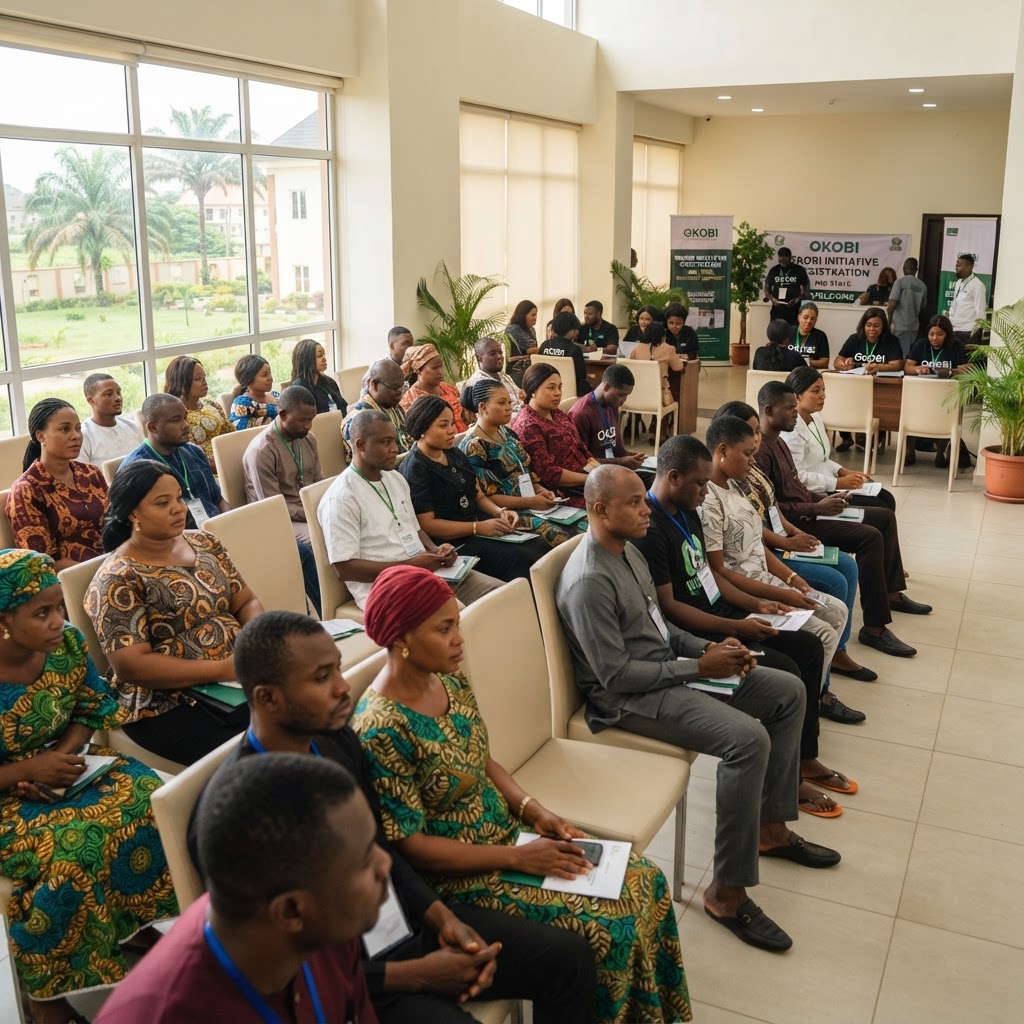
65 Imo Businesses Await OKOBI Initiative Registration
Imagine 65 kindred-owned businesses across Imo State, each waiting for one final document to unlock full legal status. That single step—Corporate Affairs Commission registration—now defines the next chapter in Imo's OKOBI Initiative: 65 Community Businesses Await CAC Registration. For families, entr...
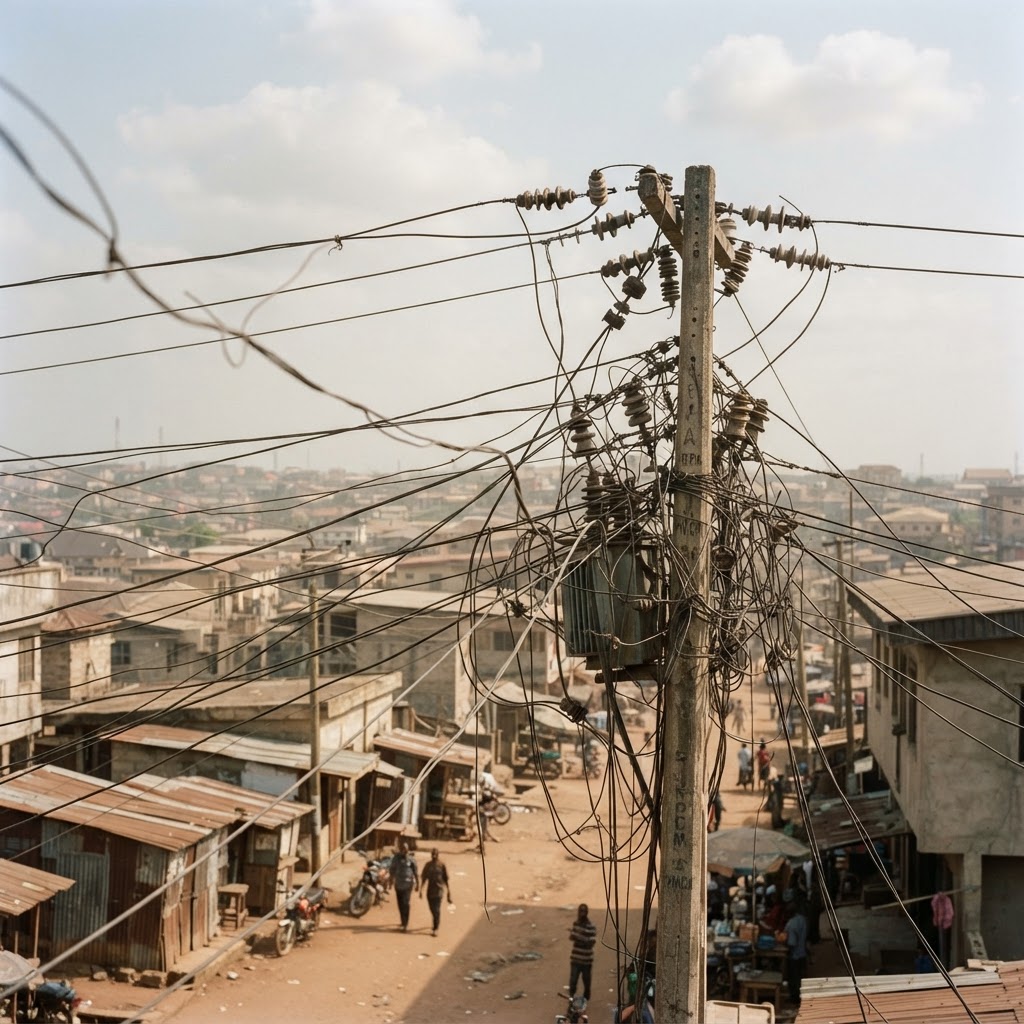
Why Nigeria Faces an Ongoing Power Supply Crisis
Nigerian households lose power multiple times a day, and the frustration never seems to fade. Behind every flickering bulb and silent refrigerator lies a deeper story about Nigeria's fragile power supply system — one that touches nearly every aspect of daily life across the country. Businesses stall...

61 Nigerian Officials Tied to $271M US Properties
Nigeria's corridors of power just faced a fresh spotlight. A newly released investigation, titled 61 Nigerian Officials Linked to $271m US Property Holdings — Report, has reignited public debate over wealth, accountability, and trust in leadership. For families budgeting daily expenses, the numbers ...
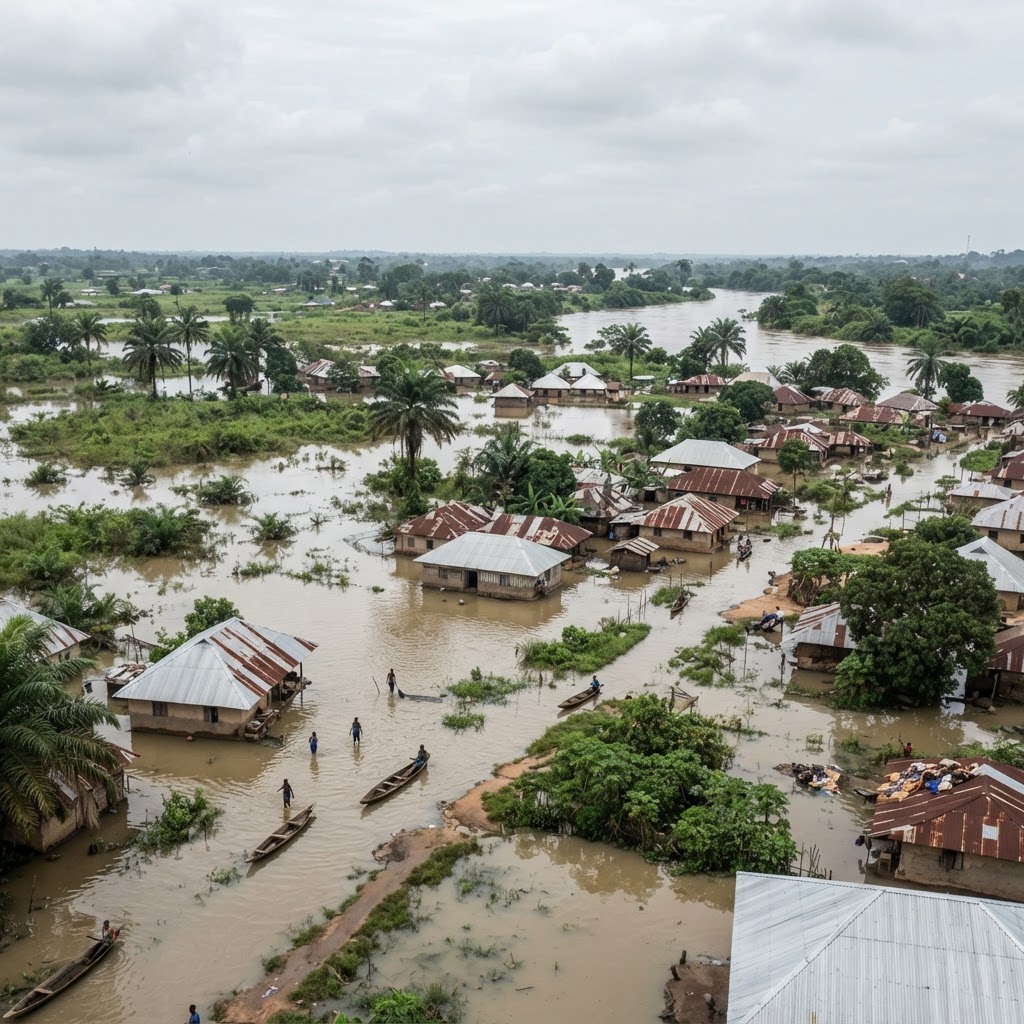
Imo Flood Crisis: Which Communities Are Most Vulnerable?
The rains have returned to Imo State, and so has fear. Families in low-lying communities are already counting losses, while roads turn into rivers overnight. The Imo Flood Crisis: Which Communities Are Most Vulnerable? question is no longer theoretical — it is a daily reality for thousands of Ndi Im...

Imo Insecurity: Seven Communities Face Renewed Kidnap Threat
Fear has returned to parts of Imo State as criminal gangs target unsuspecting residents. Imo Insecurity: Seven Communities Face Renewed Kidnap Threat is more than a headline—it reflects a lived reality for thousands of families who now measure daily life against the possibility of sudden violence. U...

How to Register a Business in Imo
Starting a business in Imo State is one of the most impactful decisions you can make — not just for your personal financial future, but for the broader prosperity of your community. From the bustling markets of Owerri to the agricultural enterprises of Orlu and Okigwe, Imo entrepreneurs are driving ...