Powered by Obi Mbieri Independent Media Ltd.
$1 = ₦1,353€1 = ₦1,486£1 = ₦1,775Best Hospitals in Imo State Compared
Imo State sits at a crossroads of ambition and infrastructure challenge. For the millions of families, entrepreneurs, and young professionals who call this southeastern Nigerian state home, healthcare access is not merely a welfare concern — it is a direct determinant of economic stability and commu...

Imo State sits at a crossroads of ambition and infrastructure challenge. For the millions of families, entrepreneurs, and young professionals who call this southeastern Nigerian state home, healthcare access is not merely a welfare concern — it is a direct determinant of economic stability and community progress. Choosing the wrong facility for a serious diagnosis can mean wasted funds, delayed treatment, and outcomes that ripple through households for years. This article offers a structured, evidence-informed comparison of the best hospitals in Imo State, helping readers make confident, well-reasoned healthcare decisions.
Why Does Choosing a Hospital Matter for Families?
Health, wealth, and community resilience
Selecting the right healthcare facility is one of the most consequential decisions an Imo family can make, and yet it is too often made under duress — in the middle of a crisis, without adequate information. The consequences extend well beyond the immediate medical episode. A misdiagnosis at an ill-equipped facility can trigger months of incorrect treatment, eroding household savings and pulling working adults away from productive activity. Medical tourism to Lagos, Abuja, or abroad — while sometimes necessary — costs Nigerian families billions of naira annually in travel, accommodation, and inflated specialist fees that a quality local hospital could have prevented.
The connection between health and wealth is not metaphorical; it is measurable. When a breadwinner loses three months of income to a preventable complication, the entire household economic plan is disrupted. Children's school fees, business capital, and savings goals all suffer. This is precisely why eziokwubundu.com advocates for what we call practical health intelligence — knowing your options before you need them.
Beyond the individual household, local healthcare institutions serve as pillars of community development. When a general hospital in Owerri or Orlu is well-staffed and properly equipped, it generates employment, retains skilled professionals within the state, and builds public trust in the Nigerian health system. For community stakeholders and local organizations working to strengthen Imo's social infrastructure, investing attention in the quality of local hospitals is inseparable from the broader mission of community prosperity. You can explore related community resources in the Imo State Government Services Directory.
How Does Imo's Three-Tier Health System Work?
Primary, secondary, and tertiary services explained
Nigeria's healthcare system operates across three distinct tiers, and understanding this structure is essential for navigating Imo State's medical landscape effectively.
Primary Health Care (PHC) forms the foundation. Administered at the local government level through the State Primary Health Care Development Agency (SPHCDA), PHCs are designed to handle routine wellness visits, maternal and child health services, immunizations, and basic disease management. Imo State has hundreds of registered PHC facilities spread across its 27 local government areas. However, staffing consistency remains uneven. Our detailed analysis of Mbaitoli's Primary Healthcare Centres: Are They Properly Staffed? highlights the persistent gaps between policy intent and ground-level delivery.
Secondary Healthcare sits above the PHC level and is managed through the State Hospitals Management Board (SHMB). These include General Hospitals located in major towns such as Owerri, Orlu, Okigwe, and Oguta. Secondary facilities are equipped to handle surgical procedures, inpatient care, specialist consultations, and diagnostic services beyond the capacity of PHCs. They serve as the first referral point for patients whose conditions exceed primary care capabilities.
Tertiary Healthcare represents the highest tier. In Imo State, this includes the Federal Medical Centre (FMC) Owerri, the Imo State University Teaching Hospital (IMSUTH) in Orlu, and the Imo State Specialist Hospital in Owerri. These institutions manage complex surgeries, oncology referrals, organ-specific specialties, and training of medical professionals. They are also the most resource-intensive, meaning that access may be limited for lower-income residents without health insurance.
For emergency situations — trauma, acute cardiac events, obstetric emergencies — tertiary hospitals offer the best-equipped intervention environments. For elective screenings, routine care, and follow-up consultations, secondary and well-resourced private facilities often provide faster, more accessible service. Knowing which tier fits your need can save both time and money.
Which Hospitals Top the Rankings in Imo State?
Comparing public and private medical centers
The landscape of quality healthcare in Imo State includes both federal/state-owned institutions and an expanding private sector. Here is a substantive comparative overview.
Federal Medical Centre (FMC) Owerri is the flagship public tertiary hospital in the state. Established in 1993, FMC Owerri has grown to offer services across internal medicine, surgery, obstetrics and gynaecology, paediatrics, ophthalmology, and radiology. With over 350 bed capacity and a range of diagnostic equipment including CT scanning and advanced laboratory services, it remains the primary referral destination for complex cases. Accessibility for middle-class families is reasonable, particularly for those enrolled in the National Health Insurance Scheme (NHIS).
Imo State University Teaching Hospital (IMSUTH), Orlu serves the western senatorial zone of Imo State and is affiliated with the Imo State University College of Medicine. IMSUTH provides tertiary-level care including postgraduate medical training, which keeps specialist density relatively high. Its location in Orlu makes it particularly vital for communities in Orlu and Okigwe zones who would otherwise travel to Owerri.
Medical City Hospital, Owerri represents a significant private-sector contribution. Known for its modern infrastructure and dialysis unit, Medical City is one of the few facilities in the state equipped to manage end-stage renal disease patients locally — reducing the burden of traveling to Lagos for dialysis sessions. The hospital's investment in infrastructure positions it as a preferred choice for middle-class families willing to pay a premium for cleaner facilities and shorter wait times.
Edge Medical Center and Umezuruike Hospital are well-regarded private facilities offering a range of general and specialist services. Both have built strong community reputations over decades of consistent service delivery, particularly in maternal health and general surgery.
Featured Products
Reverse Type 2 Diabetes & other associated Metabolic Issues using Dr. Jason Fung's Evidence-Based Approach— FMD program for Type 2 Diabetes
A practical fasting and fasting-mimicking programme built on Dr Jason Fung's insulin-resistance principles and ow-glycemic recipes.
₦19,950
Join NowChukwu Abiama Tee
Bold black-and-gold Igbo-pride T-shirt featuring 'Chukwu Abiama' in premium streetwear typography.
₦15,000
Buy NowỤmụ Igbo Tee
Classic black T-shirt with bold white 'Ụmụ Igbo' typography — a proud statement of Igbo heritage.
₦15,000
Buy NowNwanne Tee
Washed khaki vintage tee with a faded rust-orange 'Nwanne' stamp badge and palm leaf motif — a nod to kinship and heritage.
₦18,000
Buy NowObodo Tee
Faded denim-blue washed tee with a cream 'Obodo' stamp badge and sun motif, celebrating community roots.
₦18,000
Buy NowEkwe Heritage Tee
Deep indigo tee featuring a fine line-art illustration of a traditional Igbo ekwe drum, inspired by Igbo-Ukwu bronze artistry.
₦18,000
Buy NowIkenga Figure Tee
Forest green tee with a fine line-art illustration of a stylized Ikenga figure.
₦18,000
Buy Now| Hospital | Type | Established | Core Specialties | NHIS Accredited |
|---|---|---|---|---|
| FMC Owerri | Federal Tertiary | 1993 | Surgery, Medicine, Paediatrics, OB/GYN | Yes |
| IMSUTH Orlu | State Tertiary | 2002 | Teaching, Surgery, Medicine | Yes |
| Imo State Specialist Hospital | State Tertiary | 1976 | Specialist Referrals | Yes |
| Medical City Hospital | Private | 2010s | Dialysis, Internal Medicine | Partial |
| Edge Medical Center | Private | 1990s | General Surgery, Maternal Health | Partial |
| Umezuruike Hospital | Private | 1980s | General Medicine, Surgery | Partial |
It is worth noting that international technical cooperation is also strengthening Imo's hospital infrastructure. Read about how German experts are beginning technical support for Imo hospitals — a development that promises to upgrade diagnostic and surgical capabilities across the state.
For broader Nigerian healthcare benchmarks, the Federal Ministry of Health Nigeria provides accreditation and policy frameworks that guide how facilities are evaluated.
What Should You Look for When Evaluating a Hospital?
Practical criteria for smart health decisions
Not all hospitals advertising specialist care in Imo State can back that claim with verified credentials and working equipment. Here are the most important evaluation criteria every family should apply before committing to a facility.
Accreditation and regulatory standing should be your first filter. Confirm whether the hospital is registered with the Medical and Dental Council of Nigeria (MDCN) and, for teaching hospitals, whether it holds training accreditation. NHIS accreditation is another useful marker of institutional accountability. The National Health Insurance Authority (NHIA) maintains lists of accredited providers that patients can verify.
Diagnostic infrastructure matters enormously. A hospital claiming to offer internal medicine without functional X-ray, ultrasound, and a certified laboratory is operating below acceptable standards. Before registering with any facility, ask directly about available imaging equipment, pathology services, and pharmacy stock reliability.
Qualified specialists on permanent staff — not just visiting consultants — indicate institutional depth. A hospital that depends entirely on weekend visiting surgeons offers precarious continuity for patients requiring follow-up care. Ask whether the hospital's specialists are full-time employees or visiting practitioners.
Patient-centered care indicators include staff responsiveness, visible hygiene standards, and transparent billing. In Nigeria's private health sector particularly, unclear or opportunistic billing practices are a documented problem. Reputable hospitals provide itemized cost estimates before procedures. The Nigeria Medical Association offers guidance on ethical standards that registered facilities are expected to uphold.
Finally, community reputation remains one of the most reliable signals. Speak with people in your local government area, consult community leaders, and use social proof from trusted networks before making your choice.
How Do You Prepare for Medical Emergencies in Imo?
Proactive steps every family should take
Preparedness is the most underutilized tool in healthcare management for Nigerian families. Before an emergency occurs, every household should maintain what we call a Health Dossier — a compact record of each family member's blood type, known allergies, current medications, vaccination history, and the contact details of a preferred local GP and specialist. This simple document can save critical minutes during an emergency admission.
Preventive healthcare deserves equal emphasis. Regular screenings for hypertension, diabetes, and malaria at trusted local labs cost a fraction of what late-stage treatment demands. The financial logic is straightforward: a ₦5,000 quarterly screening protocol can prevent a ₦500,000 hospitalization. Encouraging family members to attend routine check-ups is one of the highest-return health investments available.
At the community level, informed and health-prepared families create compounding benefits. When a critical mass of Imo residents understands the healthcare system, advocates for quality local services, and uses available facilities wisely, it reduces the systemic pressure that drives skilled medical professionals to relocate. Healthy, informed communities are more productive and more resilient — an idea central to everything eziokwubundu.com publishes.
For families also thinking about the economic side of their community wellbeing, our Imo State Tax Guide for Individuals provides a practical companion resource for managing household finances.
Conclusion
The best hospital in Imo State is not simply the largest or most advertised — it is the facility that is appropriately equipped, properly accredited, staffed by qualified professionals, and accessible to your family when it matters most. FMC Owerri and IMSUTH remain the strongest public tertiary options, while Medical City, Edge Medical Center, and Umezuruike Hospital offer credible private-sector alternatives for different needs and budgets.
What separates thriving Imo families from those perpetually destabilized by health crises is preparation, information, and deliberate choice-making. Use this comparison as a starting framework, verify the details locally, and make healthcare planning a permanent feature of your household strategy — not an afterthought triggered by emergency.
Stay Informed
Get New Articles in Your Inbox
Subscribe to receive the latest community development, health, and wealth insights from Eziokwubundu.
Newsletter
Practical insights on health, wealth, and community — delivered weekly.
Community Discussion(0)
Leave a Comment
More to Read
You May Also Like

Obi-Mbieri Mourns Engr. Vitalis Opara: Questions Emerge Over Community’s Silence
Engr. Vitalis Opara is identified as President General on the signature page of the Obi-Mbieri Autonomous Community Constitution 2020 as amended.
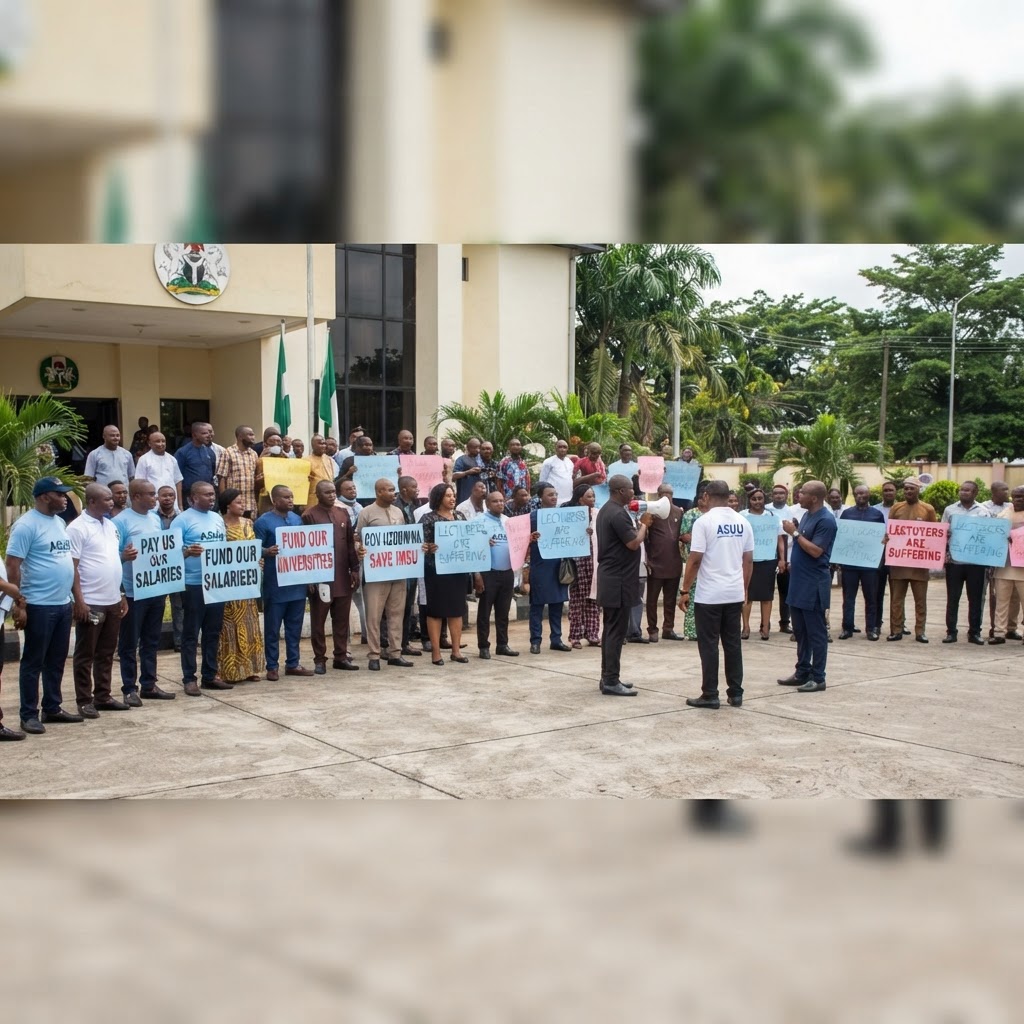
IMSU Lecturers Protest in Owerri, Appeal to Uzodimma to End
The streets of Owerri turned into a sea of white lab coats and placards this week. Hundreds of university lecturers walked out of their offices, choosing protest over silence. The IMSU Lecturers Protest in Owerri, Appeal to Uzodimma to End Months-Long Strike has become a defining moment for Imo Stat...

JAMB Candidates Can Now Change Course and Institution Online
Admission season often brings long queues and costly transport for Nigerian families. That burden has just eased. JAMB candidates can now change their institutions and courses from home, as the board announces a new digital correction service, giving students and parents fresh control over their aca...
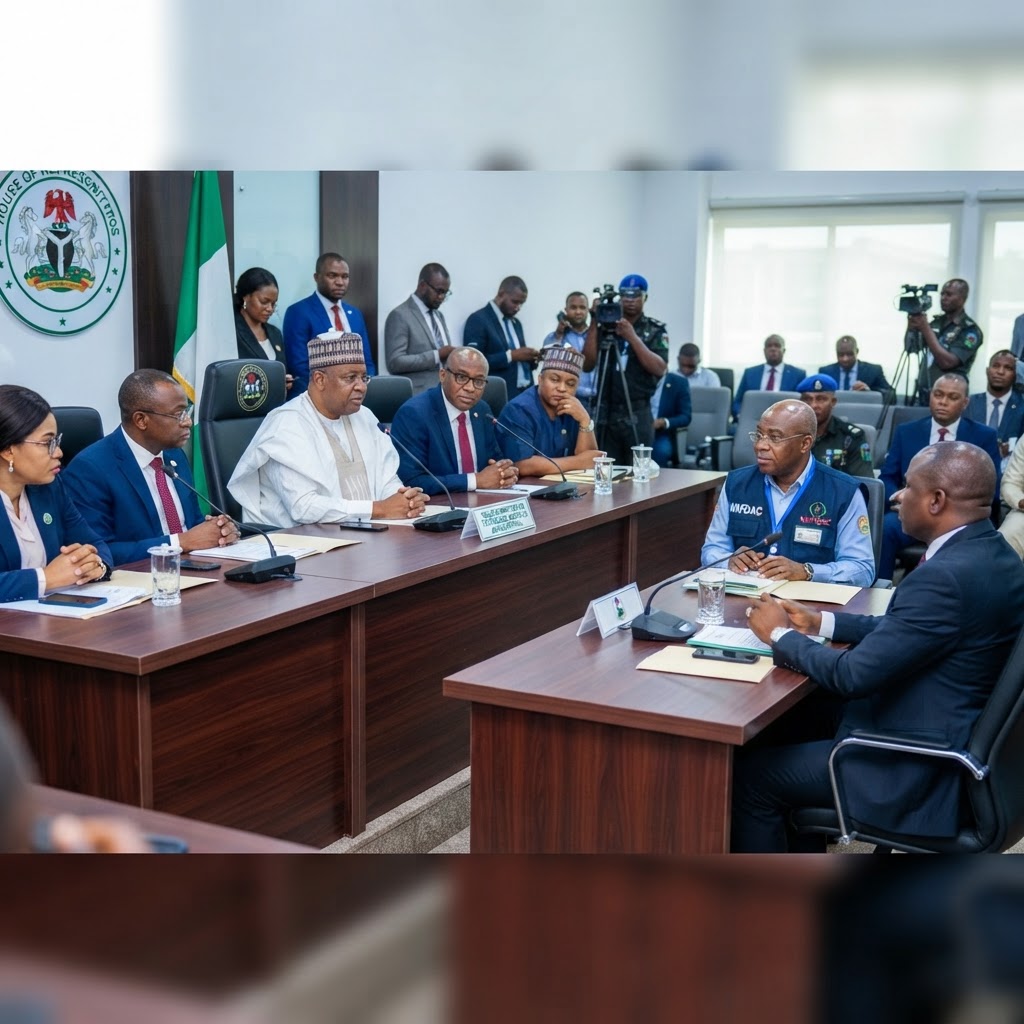
House Summons NAFDAC and DSS Over Fake Drug Deaths
Four people are dead, eleven more are fighting for their lives, and a federal lawmaker wants answers now. Fake Drug deaths linked to a suspicious herbal concoction have pushed the House of Representatives to move decisively, summoning NAFDAC and the DSS in a case that is no longer a distant headline...
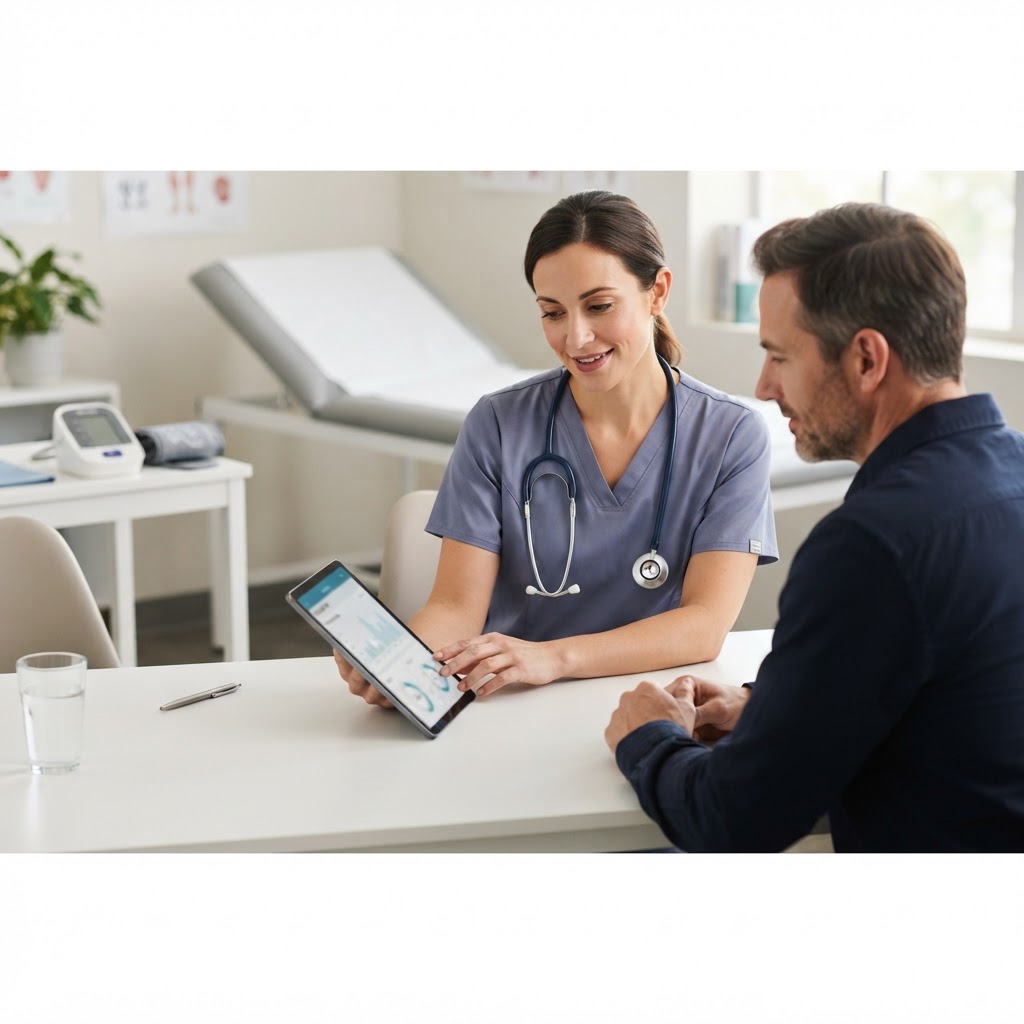
Prevent Kidney Disease With Regular Health Checks
Kidney health rarely makes headlines until a crisis hits a family. Yet understanding Kidney Disease: Why Regular Health Checks Can Help Prevent Serious Complications can save lives, protect household income, and strengthen community wellbeing across Nigeria. Kidney Disease often develops quietly ove...

Budget-Friendly Healthy Meal Prepping for Nigerians
Modern Nigerian families face the dual pressure of rising food prices and the need for better health outcomes. Learning how Nigerian families can(/article/nigerian-family-guide-to-reversing-type-2-diabetes) use meal prepping with local ingredients to eat healthy on a tight budget is a vital skill fo...

Beyond Degrees: Bridging Nigeria's Digital Skills Gap
Nigeria's graduates are flooding the job market faster than employers can absorb them. Yet many arrive with certificates but no practical digital competence. This is the heart of Digital Skills and Youth Employment: Why Nigerian Graduates Need More Than University Certificates.—a gap that is reshapi...
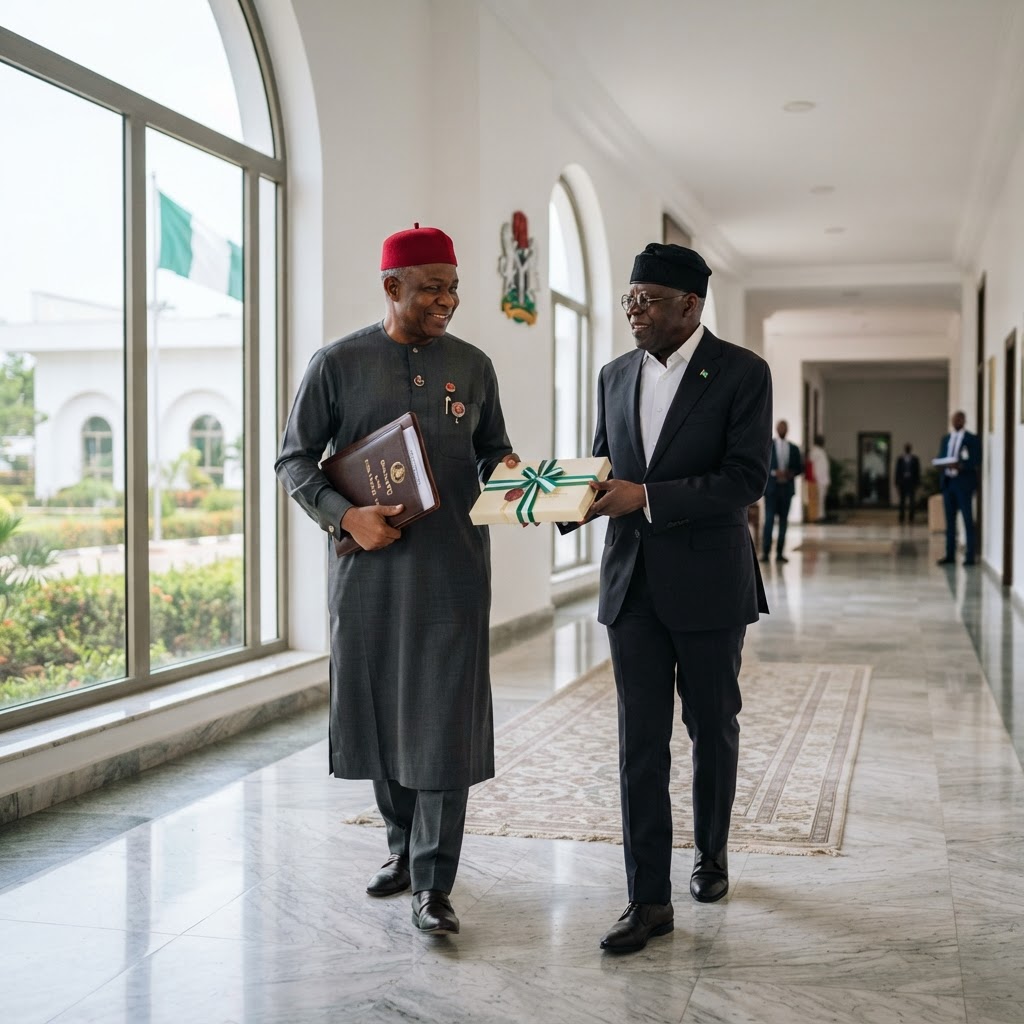
Senate Sends State Police Bill to Tinubu for Approval
Nigeria's security architecture is entering a new chapter. The headline development, State Police Bill: Senate Transmits Constitutional Amendment to Tinubu for Presidential Assent, signals a historic shift toward decentralized policing. For Nigerian families, entrepreneurs, and community leaders, th...
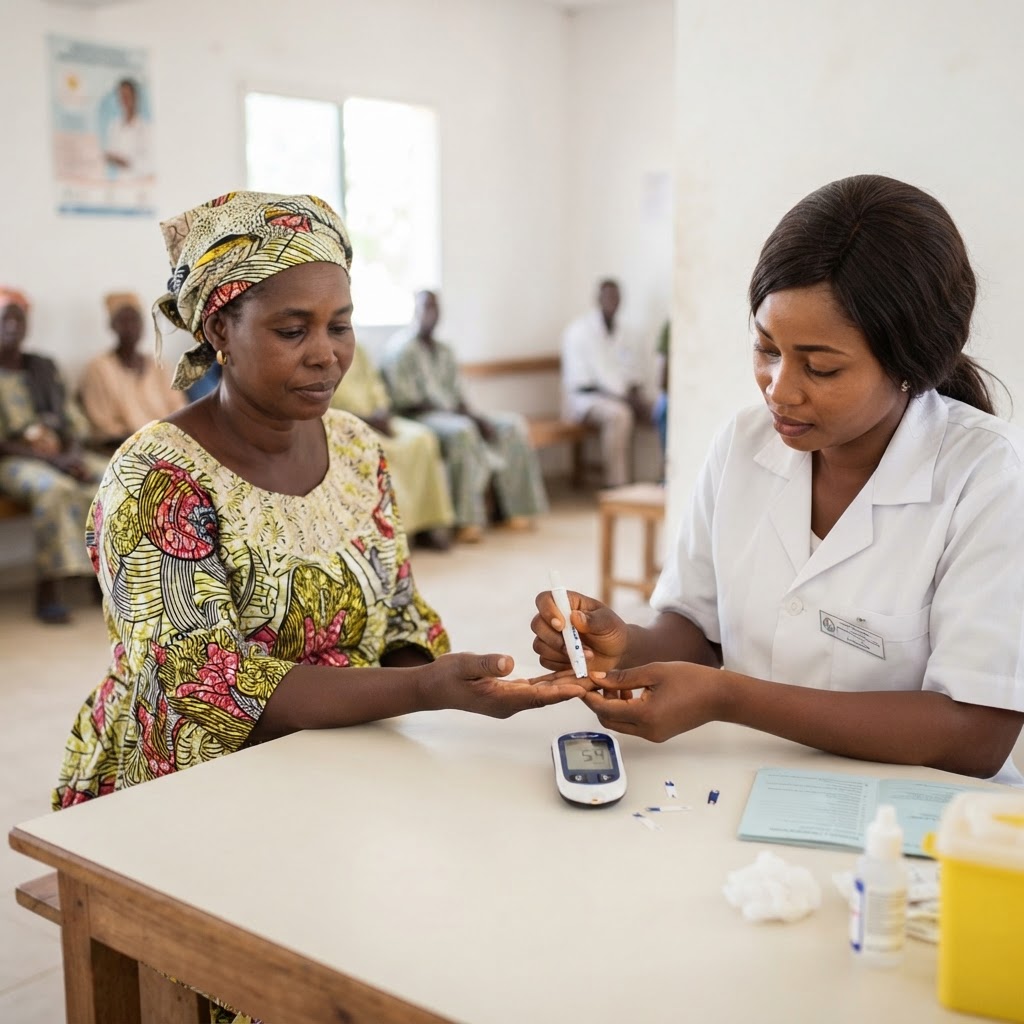
Diabetes in Africa: Why Routine Screening Is Vital
Imagine a disease that silently damages organs for years before anyone notices. That is the reality for millions living in Africa today. According to the latest report, Diabetes: Three Out of Four Africans Living With the Condition May Be Unaware – Why Screening Matters, and this gap in knowledge is...
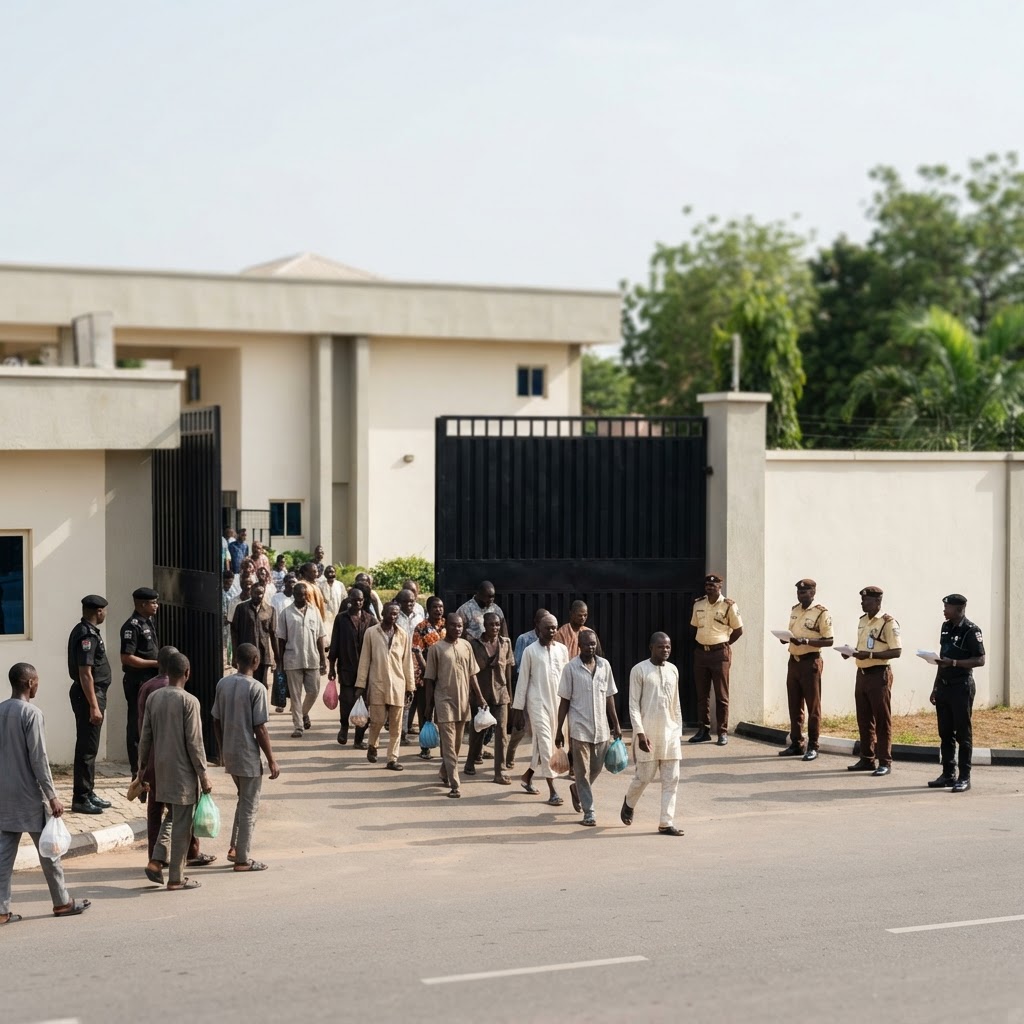
Tinubu Orders Release of 78 Suspects in Convoy Attack
A single Friday afternoon in Abuja turned into a national talking point. News that President Tinubu Orders Release of 78 Suspects Arrested Over Attack on His Convoy in Abuja quickly spread across radio, television, and social media. For many Nigerian families, the story raised fresh questions about ...