Powered by Obi Mbieri Independent Media Ltd · eziokwubundu.com
$1 = ₦1,328€1 = ₦1,521£1 = ₦1,773Umuahii–Obi Mbieri Road: What the 4.5km Road Project Means for Residents
For decades, the road linking Umuahii to Obi-Mbieri has been more than a pothole-riddled track — it has been a symbol of neglect, disconnection, and unfulfilled promises. In communities across Mbaitoli Local Government Area, poor road infrastructure has quietly eroded livelihoods, blocked access to ...
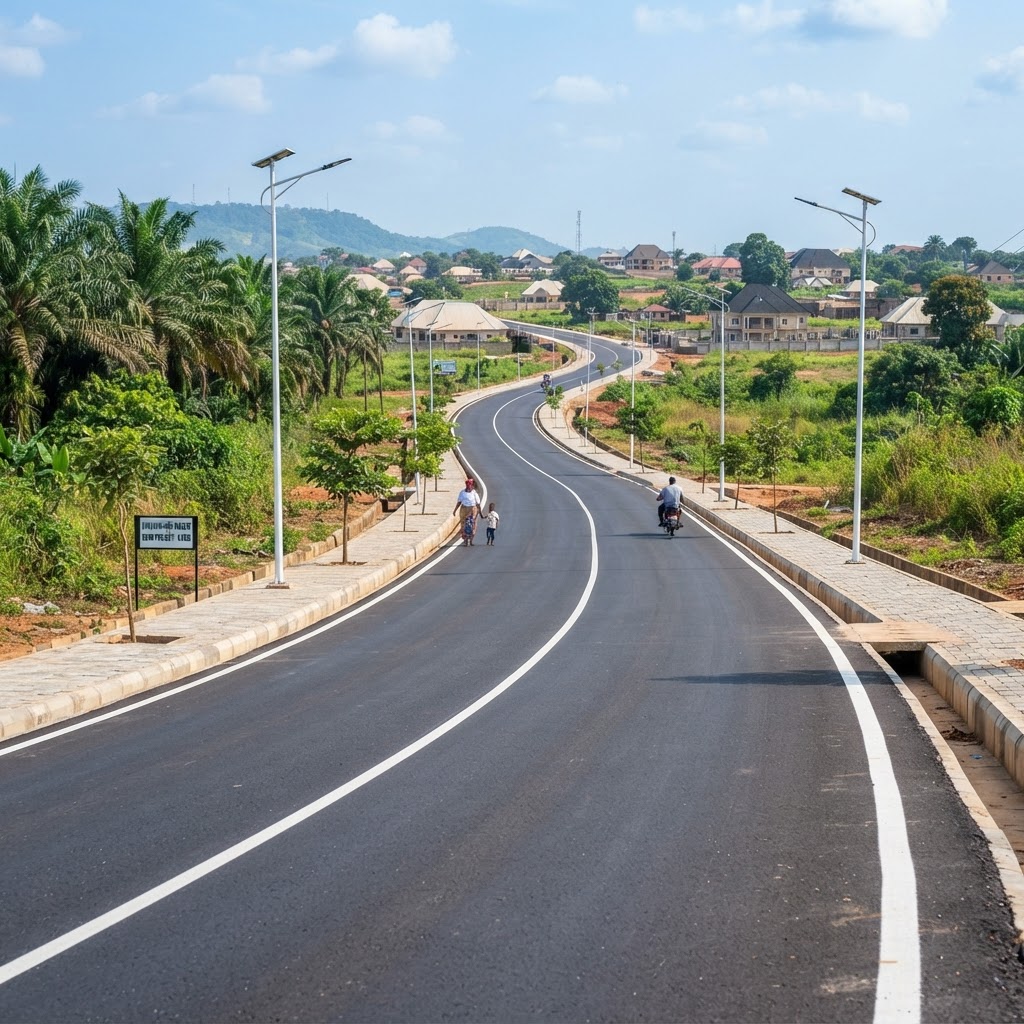
For decades, the road linking Umuahii to Obi-Mbieri has been more than a pothole-riddled track — it has been a symbol of neglect, disconnection, and unfulfilled promises. In communities across Mbaitoli Local Government Area, poor road infrastructure has quietly eroded livelihoods, blocked access to healthcare, and forced residents to bear the weight of an invisible tax: the cost of isolation. That narrative is now shifting. A privately funded 4.5-kilometre road rehabilitation project — extraordinary in both its ambition and its method of financing — has moved from conversation to construction, with asphalting officially commencing in March 2026. For the families of Umuahii, Obi-Mbieri, and the surrounding communities, this is not merely a road. It is a corridor to economic participation, medical access, and dignified living. This article examines what the project means, who is driving it, and why it holds lessons for every community in Imo State.
Why Is This Road a Turning Point for Mbaitoli?
From Years of Abandonment to a Modern 4.5km Corridor
The Umuahii–Obi Mbieri road has long been characterised by residents as one of the most neglected routes in Mbaitoli LGA. Community members, posting in the Mbieri Facebook Group, lamented for years the deplorable state of the road, describing how the route deteriorated with each rainy season, cutting off homes, farms, and small businesses from the wider economy. These were not isolated complaints — they were a sustained communal cry for basic infrastructure.
The project, spanning exactly 4.5 kilometres, marks a decisive break from that history. According to a report by Imo Trumpeta, the asphalting phase officially commenced on March 16, 2026 — a milestone that transformed years of advocacy into visible, measurable change. The transition to asphalting is significant because it represents permanence. Graded laterite roads can deteriorate within a single rainy season; an asphalted surface offers durability, drainage, and reduced vehicular damage over many years.
This project also lands within a broader crisis context. The Sun Nigeria has documented what it calls an "infrastructural emergency" in Imo State, estimating that rural road development needs across the state's 27 local government areas are valued at approximately ₦13.5 billion. Against that backdrop, a single self-funded 4.5km asphalted road is both a practical intervention and a powerful statement about what community-led action can achieve when waiting for the state is no longer an option.
Who Is Funding and Building This 4.5km Stretch?
Private Philanthropy Drives What Government Has Not
Perhaps the most remarkable dimension of the Umuahii–Obi Mbieri road project is its funding structure. This is not a government contract, a World Bank initiative, or a constituency project announcement. It is, according to Imo Trumpeta, a privately funded undertaking by the family of Eze Josiah Nzeremibe Osuji, the Eze-Ukwu I of Obi-Mbieri Autonomous Community. The Osuji family chose to directly finance the rehabilitation of this critical corridor — a decision that inverts the usual dynamic of waiting for bureaucratic approval before community development proceeds.
This distinction matters enormously. Most road projects in Nigeria are either stalled by procurement delays, siphoned by corruption, or abandoned mid-construction when political winds shift. A family-funded model sidesteps many of these failure points. The mandate is moral and communal rather than contractual and political. The accountability is to one's people, not to a procurement committee.
The project also carried traditional blessing and collaborative endorsement. Eze Goddy Opurum, alongside other traditional leaders in the area, lent his authority to the initiative, reinforcing what Eziokwubundu identifies as the "Community-First" philosophy — the African conviction that sustainable development begins with collective ownership, not top-down imposition.
Contrast this with state-level efforts: The Sun Nigeria reported that the Imo State Government approved ₦1 billion for rural roads and healthcare facilities — a significant commitment on paper. However, the Obi-Mbieri model demonstrates that private and traditional-sector actors need not wait for government budgets to move. When communities possess the will and the means, development can proceed in parallel with — and sometimes ahead of — state intervention. This complementary dynamic, private philanthropy working alongside government investment, may be the template Imo communities have been searching for.
How Does Better Road Access Increase Household Wealth?
Unlocking Economic Prosperity for Umuahii Entrepreneurs
Infrastructure and income are deeply intertwined. Research published on ResearchGate examining the socio-economic impact of rural road infrastructure funded by the African Development Bank found that beneficiary communities in Nigeria recorded an average income increase of 67.6%. This is not a marginal improvement — it is a transformative shift that recalibrates what is economically possible for rural households. For Umuahii residents, a properly asphalted road means that the economic isolation they have endured is not permanent; it is an engineering problem with an engineering solution.
The concept of "economic violence" — articulated by scholars writing in Frontiers in Sociology — describes the way poor infrastructure actively isolates residents from market opportunities and reinforces intergenerational poverty. When a farmer cannot reliably transport cassava, yam, or palm produce to the nearest market without risking damage to goods or vehicles, that farmer is not simply inconvenienced — they are systematically excluded from economic participation. A 4.5km asphalted road eliminates that exclusion for every household along its path.
The agricultural dimension is especially important. Agriculture contributes approximately 23% to Nigeria's GDP, according to analysis of the Nigerian Economic Sectors. In communities like Umuahii and Obi-Mbieri, where smallholder farming remains a primary livelihood, the ability to move produce efficiently is the difference between subsistence and commercial agriculture. An asphalted road reduces transportation costs, minimises post-harvest losses, and attracts traders and buyers who previously avoided the route due to vehicle damage risks.
Beyond agriculture, property values along the new corridor are expected to rise. Real estate demand typically increases in direct proportion to road quality in Nigerian secondary towns. Small businesses — provision stores, tailors, vulcanisers, artisans — find that foot traffic and customer catchment expand significantly once a road becomes passable year-round. For the youth professionals and entrepreneurs of Umuahii, this road is not just a physical pathway; it is an open door to expanded commercial possibility. Understanding how to capture that economic momentum connects directly to the kind of practical prosperity content that Eziokwubundu documents in its socioeconomic analysis coverage.
What Health and Safety Improvements Will the Road Bring?
Bridging the Gap in Emergency Medical Response
The relationship between road infrastructure and community health is direct, measurable, and often life-determining. Research explored in Frontiers in Sociology confirms that poor road conditions create health disparities by making timely medical intervention impossible for isolated communities. For residents of Umuahii and Obi-Mbieri, this has been a lived reality: a woman in labour, a child with cerebral malaria, an elderly man with a cardiac episode — all facing the additional cruelty of an impassable road between their home and the nearest health facility.
Featured Products
Chukwu Abiama Tee
Bold black-and-gold Igbo-pride T-shirt featuring 'Chukwu Abiama' in premium streetwear typography.
₦15,000
Buy NowReverse Type 2 Diabetes & other associated Metabolic Issues using Dr. Jason Fung's Evidence-Based Approach— FMD program for Type 2 Diabetes
A practical fasting and fasting-mimicking programme built on Dr Jason Fung's insulin-resistance principles and ow-glycemic recipes.
₦19,950
Join NowỤmụ Igbo Tee
Classic black T-shirt with bold white 'Ụmụ Igbo' typography — a proud statement of Igbo heritage.
₦15,000
Buy NowNwanne Tee
Washed khaki vintage tee with a faded rust-orange 'Nwanne' stamp badge and palm leaf motif — a nod to kinship and heritage.
₦18,000
Buy NowObodo Tee
Faded denim-blue washed tee with a cream 'Obodo' stamp badge and sun motif, celebrating community roots.
₦18,000
Buy NowEkwe Heritage Tee
Deep indigo tee featuring a fine line-art illustration of a traditional Igbo ekwe drum, inspired by Igbo-Ukwu bronze artistry.
₦18,000
Buy NowIkenga Figure Tee
Forest green tee with a fine line-art illustration of a stylized Ikenga figure.
₦18,000
Buy NowThe 4.5km asphalted corridor changes this equation fundamentally. Emergency vehicles — ambulances, private cars carrying patients, motorcycles transporting critical medications — will be able to travel this stretch without the delays, breakdowns, and detours that characterised the old road. In a state where Eziokwubundu has reported on significant medical milestones, including Imo's first robotic surgery breakthrough, the irony is stark: advanced medical capabilities mean little if patients cannot reach the hospital in time.
Community members had previously flagged specific health hazards associated with the road's neglect. Posts within the Mbieri Facebook community referenced the thick dust generated by unpaved surfaces — a persistent environmental irritant linked to respiratory conditions including chronic cough, bronchitis aggravation, and increased vulnerability to airborne infections. Children and the elderly are disproportionately affected. An asphalted road dramatically reduces dust generation, effectively removing a chronic environmental health risk from the community's daily experience.
This intersection of infrastructure and wellness is central to the Eziokwubundu mission. Infrastructure is not merely a civil engineering matter — it is a primary determinant of community health outcomes and preventive care access. For families already navigating the challenges of malaria prevention and other endemic diseases, removing the barrier of an impassable road is itself a public health intervention of the highest order.
How Does This Project Bridge Tradition and Modern Progress?
Where Cultural Authority Meets Engineering Ambition
The Umuahii–Obi Mbieri road project is a compelling demonstration of what Eziokwubundu calls the "Traditional Values, Modern Progress" paradigm — the idea that African communities do not have to choose between cultural identity and development ambition. Eze Josiah Nzeremibe Osuji, the Eze-Ukwu I of Obi-Mbieri Autonomous Community, did not operate merely as a philanthropist. He acted in his full capacity as a traditional authority, lending the moral weight and community trust that his title carries to a modern engineering undertaking. This fusion of traditional leadership with infrastructural investment is a model of governance that colonial and post-colonial frameworks have often overlooked.
Sustaining a road after construction is as important as building it. Research published on ResearchGate examining project management and infrastructure development in Nigeria identifies community participation and planning transparency as critical determinants of long-term project sustainability. Infrastructure that communities feel ownership over is infrastructure they will protect, maintain, and advocate for. The involvement of multiple traditional rulers — lending their blessing and public endorsement — creates precisely that sense of communal ownership.
For the Nigerian Diaspora, this project carries an especially resonant message. Many Diaspora Nigerians send remittances home, contribute to community development funds, and dream of tangible impact in their ancestral communities. The Obi-Mbieri model — private funding, traditional leadership, transparent community execution — offers a replicable framework for directing Diaspora investment toward visible, lasting outcomes. It also reinforces the value of platforms like Eziokwubundu that practice grassroots community journalism, ensuring that stories of local progress reach global audiences and inspire further investment.
What Can Other Imo Communities Learn from This?
Scaling Private-Public Synergy for State-Wide Growth
The Obi-Mbieri model is not a one-off story of exceptional generosity. It is a replicable framework — a proof of concept that private-led, tradition-anchored community development can deliver where government pipelines have stalled. For other communities across Imo State and the broader South-East, the lessons are actionable and urgent.
Eze Goddy Opurum, in remarks captured by Imo Trumpeta, offered a philosophical anchor for the project's success: "No community thrives without God" — a statement that reframes development not as a political entitlement but as a covenant between a community, its leaders, and a shared sense of higher purpose. This orientation encourages long-term thinking, collective sacrifice, and accountability beyond electoral cycles.
Yet spiritual conviction alone does not maintain an asphalted road. Africa Analyst has consistently warned that Nigeria's infrastructure failures are not primarily problems of construction — they are problems of maintenance, governance, and strategic planning post-completion. For the Umuahii–Obi Mbieri road to avoid repeating the cycle of deterioration, a maintenance governance structure must be established: defined responsibility, a community maintenance fund, and periodic inspection tied to clear accountability.
The broader framework for replication involves three pillars. First, identify a credible champion — a traditional leader, a diaspora philanthropist, or a community association with both the will and the resources to initiate the project. Second, secure broad communal endorsement early to build the social contract that makes maintenance sustainable. Third, document the process transparently so that other communities, government agencies, and potential funders can observe, evaluate, and replicate the model.
Ultimately, roads are the foundation upon which the "Health + Wealth + Community" triangle that Eziokwubundu champions becomes structurally possible. Without physical connectivity, no community can optimise its health outcomes, grow its economic base, or build the social cohesion that sustains collective progress. Families concerned with rising living costs — and readers familiar with how Imo State's expensive food environment affects nutrition and household budgets — should recognise that infrastructure is among the most powerful levers available to reduce the cost of dignified living.
Conclusion
The 4.5-kilometre Umuahii–Obi Mbieri road project is a microcosm of what becomes possible when traditional authority, private resources, and communal will converge on a shared goal. It is a story about a road, yes — but more precisely, it is a story about refusing to accept underdevelopment as a permanent condition. When asphalting began on March 16, 2026, it was not just asphalt being laid. It was evidence being laid: evidence that Nigerian communities possess the agency, the leadership, and the vision to build their own futures. The families of Umuahii and Obi-Mbieri deserve that evidence. And every community watching from across Imo State deserves to know that this model is theirs to adapt, adopt, and scale.
Eziokwubundu.com is committed to reporting on the community developments, health realities, and economic opportunities that shape life for Nigerian families and their diaspora. For more grassroots development journalism and community analysis, explore our full coverage at eziokwubundu.com.
Stay Informed
Get New Articles in Your Inbox
Subscribe to receive the latest community development, health, and wealth insights from Eziokwubundu.
Newsletter
Practical insights on health, wealth, and community — delivered weekly.
Community Discussion(0)
Leave a Comment
More to Read
You May Also Like
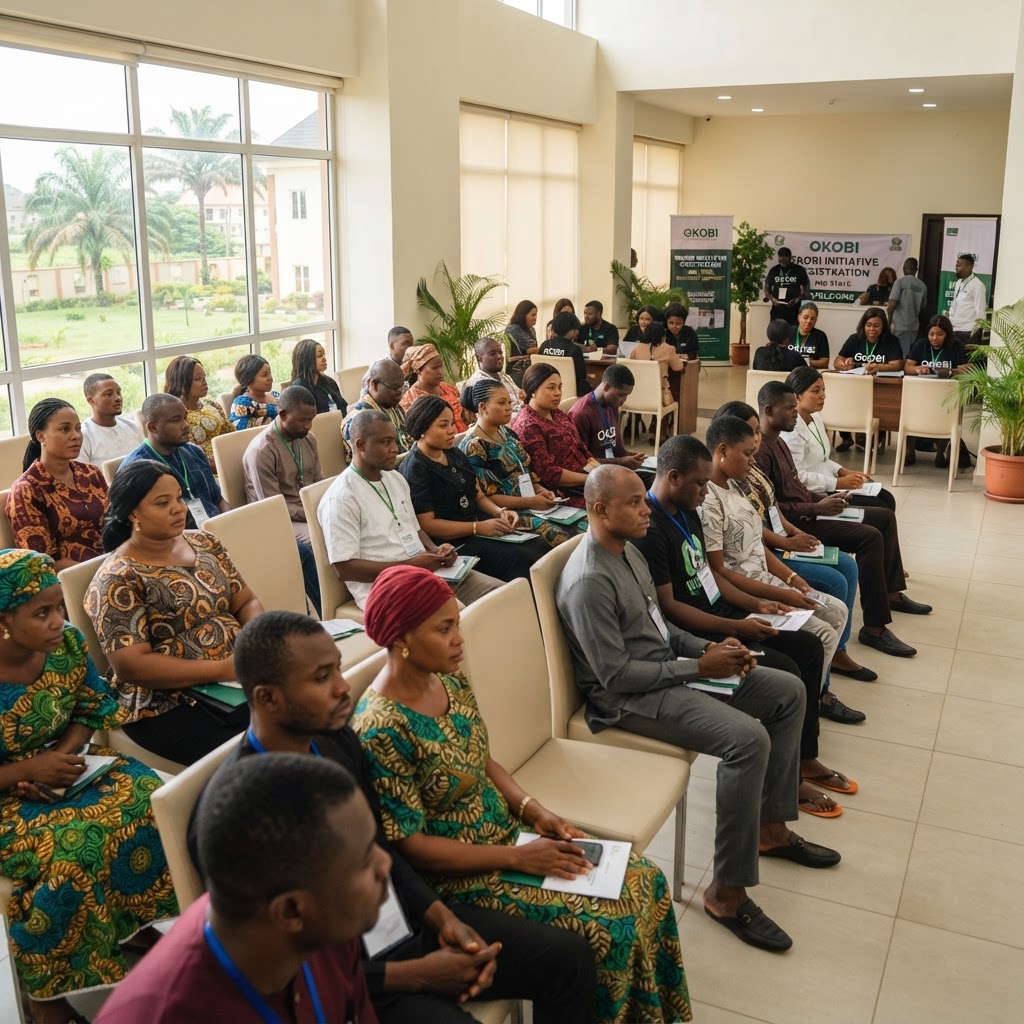
65 Imo Businesses Await OKOBI Initiative Registration
Imagine 65 kindred-owned businesses across Imo State, each waiting for one final document to unlock full legal status. That single step—Corporate Affairs Commission registration—now defines the next chapter in Imo's OKOBI Initiative: 65 Community Businesses Await CAC Registration. For families, entr...
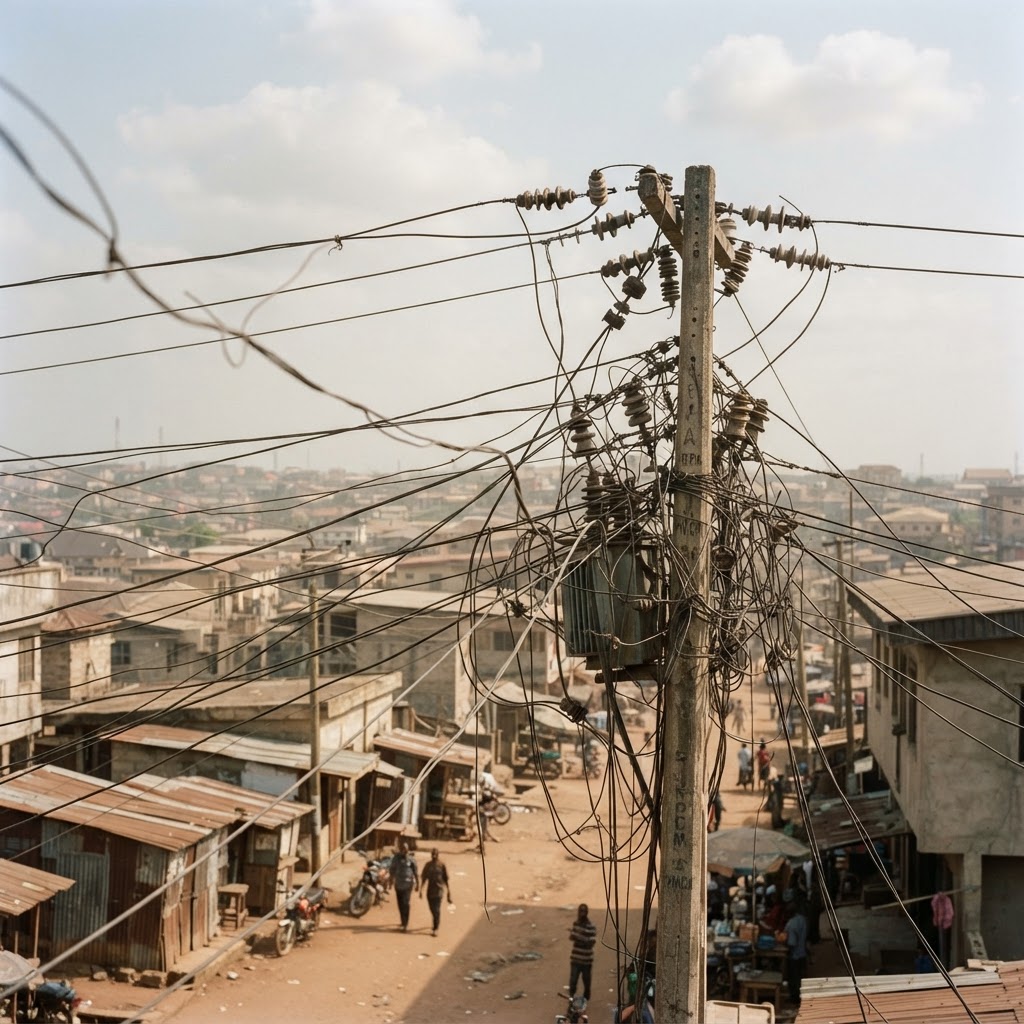
Why Nigeria Faces an Ongoing Power Supply Crisis
Nigerian households lose power multiple times a day, and the frustration never seems to fade. Behind every flickering bulb and silent refrigerator lies a deeper story about Nigeria's fragile power supply system — one that touches nearly every aspect of daily life across the country. Businesses stall...

61 Nigerian Officials Tied to $271M US Properties
Nigeria's corridors of power just faced a fresh spotlight. A newly released investigation, titled 61 Nigerian Officials Linked to $271m US Property Holdings — Report, has reignited public debate over wealth, accountability, and trust in leadership. For families budgeting daily expenses, the numbers ...
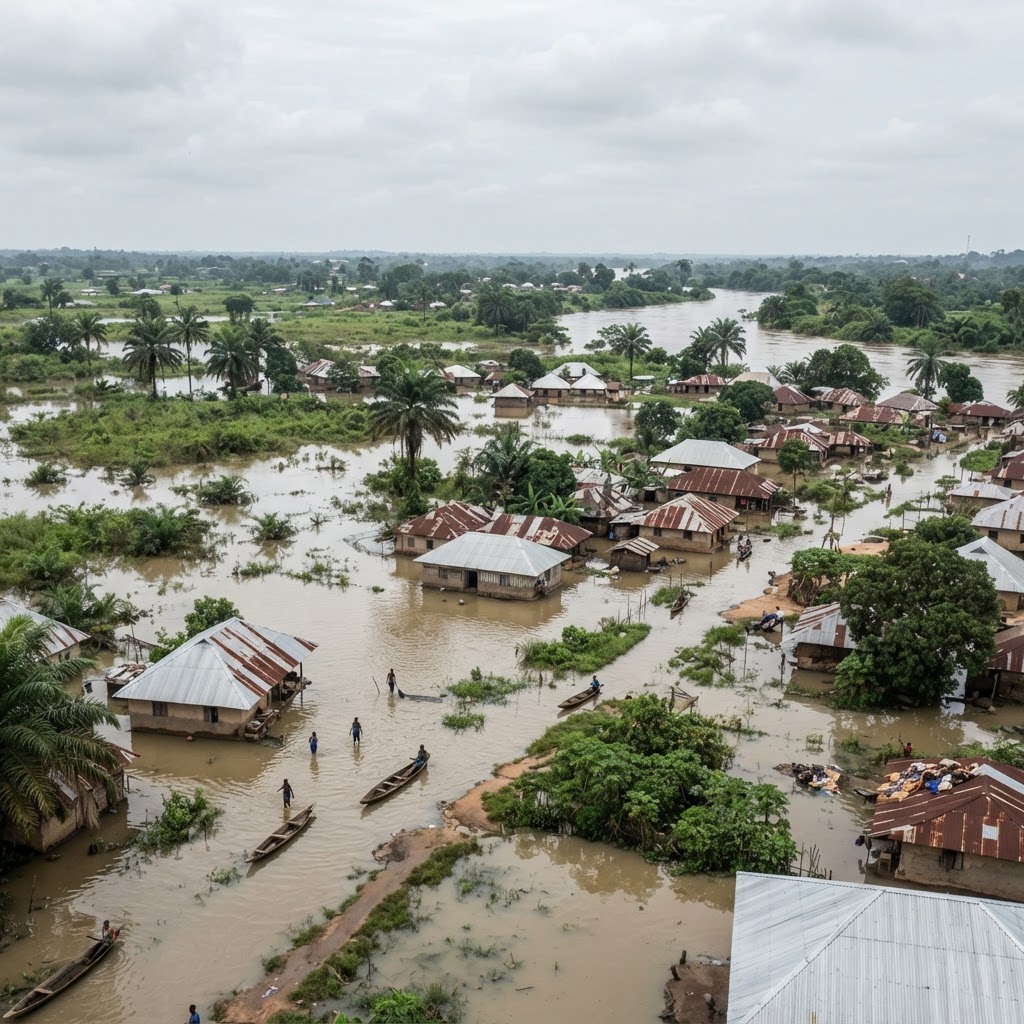
Imo Flood Crisis: Which Communities Are Most Vulnerable?
The rains have returned to Imo State, and so has fear. Families in low-lying communities are already counting losses, while roads turn into rivers overnight. The Imo Flood Crisis: Which Communities Are Most Vulnerable? question is no longer theoretical — it is a daily reality for thousands of Ndi Im...
Imo Insecurity: Seven Communities Face Renewed Kidnap Threat
Fear has returned to parts of Imo State as criminal gangs target unsuspecting residents. Imo Insecurity: Seven Communities Face Renewed Kidnap Threat is more than a headline—it reflects a lived reality for thousands of families who now measure daily life against the possibility of sudden violence. U...

How to Register a Business in Imo
Starting a business in Imo State is one of the most impactful decisions you can make — not just for your personal financial future, but for the broader prosperity of your community. From the bustling markets of Owerri to the agricultural enterprises of Orlu and Okigwe, Imo entrepreneurs are driving ...

UK Blocks Nigerian and Ghanaian Teachers From QTS
UK immigration and education policy just delivered a major blow to thousands of Nigerian and Ghanaian classroom professionals. The UK Bars Nigeria-, Ghana-Trained Teachers From QTS Applications, and the ripple effects will touch families, schools, and career plans across West Africa. This shift dema...
5 Signs Your Blood Pressure May Be Too High
Imagine feeling completely fine while your arteries are quietly under siege. That is the reality for millions of Nigerians living with undiagnosed hypertension. Recognizing 5 Signs Your Blood Pressure May Be Too High could be the difference between early intervention and a medical emergency. Underst...

Can Insulin Help You Lose Weight? Risks and Medical Facts
Insulin often gets blamed for weight struggles among Nigerian families managing diabetes. But the science is more nuanced than blind blame suggests. This article, Can Insulin Help You Lose Weight? Risks and Medical Facts, examines what research actually shows. It looks at this essential hormone and ...

Can Nigeria's New Plan Solve the Child Labour Crisis?
Nigeria's child labour crisis is no longer a hidden issue—it is now a national emergency demanding urgent solutions. Millions of children are missing school to work in farms, markets, and mines instead. This raises a pressing question that many Nigerian families are asking today: Nigeria's Child Lab...