Powered by Obi Mbieri Independent Media Ltd · eziokwubundu.com
$1 = ₦1,332€1 = ₦1,498£1 = ₦1,775Malaria Prevention Tips Every Family Should Know
Malaria remains one of the most preventable yet persistently deadly diseases affecting Nigerian households. Despite decades of global health investment and growing public awareness, families across the country continue to lose breadwinners, children, and productive members of their communities to a ...

Malaria remains one of the most preventable yet persistently deadly diseases affecting Nigerian households. Despite decades of global health investment and growing public awareness, families across the country continue to lose breadwinners, children, and productive members of their communities to a disease that is both treatable and preventable. The good news is that practical, evidence-based strategies exist that every family can implement starting today — without waiting for systemic change. This guide compiles the most effective malaria prevention tips every family should know, connecting personal health decisions to broader household prosperity and community resilience.
Why Is Malaria Still a Major Threat to Nigerian Families?
The burden of malaria in Nigeria is not just a health statistic — it is a household emergency. Nigeria accounts for approximately 30.3% of global malaria deaths and a staggering 38.6% of global malaria deaths in children under five, according to the World Health Organization's World Malaria Report. These figures place Nigeria at the epicentre of a disease that has long been treated as an ordinary inconvenience rather than the national emergency it truly represents.
Beyond the human cost, the economic consequences are devastating for middle-class families and entrepreneurs. A single malaria episode requiring a Rapid Diagnostic Test (RDT) and a full course of Artemisinin-based Combination Therapy (ACT) can cost a Nigerian family between ₦8,000 and ₦25,000 — before factoring in transport, lost workdays, and hospital consultation fees. For a household earning ₦100,000 monthly, this represents a significant and recurring financial rupture. As explored in Health Is Wealth: Why Nigerians Are Rethinking Prosperity in 2026, the true cost of illness extends well beyond the pharmacy receipt.
Cultural and socioeconomic barriers compound the problem. Research consistently identifies ignorance of transmission dynamics, poorly structured primary healthcare systems, and low consistent usage of preventive tools as the key obstacles. Many families in both urban and rural settings still treat fever casually, relying on herbal remedies or over-the-counter drug cocktails before seeking proper diagnosis. Understanding why malaria remains dangerous is the first step toward building a genuinely protected household.
How Can You Eliminate Mosquito Breeding Grounds?
Environmental management is the foundation of malaria prevention. Anopheles mosquitoes — the genus responsible for transmitting the Plasmodium parasites that cause malaria — breed primarily in standing water. Eliminating these breeding sites around your home is among the most cost-free and immediately effective interventions available to Nigerian families.
Begin with a thorough audit of your compound. Empty and invert old tyres, buckets, flower pots, and any containers that collect rainwater. Clear clogged gutters regularly, as stagnant water pooling in drainage channels provides ideal larval habitats. If you have a water storage tank or drum, ensure it is tightly covered at all times. In urban areas, flat rooftops that retain water after rainfall are frequently overlooked breeding grounds that deserve attention.
The Community-First approach to environmental sanitation yields even greater results. Families working through local cooperatives, community development associations, or neighbourhood groups can coordinate the clearing of communal drainage channels, the filling of ditches, and the disposal of refuse heaps that trap water. A single family's effort is meaningful; a community's coordinated effort is transformative.
For longer-term protection, Indoor Residual Spraying (IRS) — the application of insecticide to interior walls — has demonstrated significant effectiveness when administered by trained professionals. It outperforms most traditional repellent methods in duration and coverage, particularly for households in high-transmission zones. Complement IRS with screened windows and doors, a simple but effective physical barrier that integrates seamlessly into modern Nigerian home design while honoring the traditional value of a well-maintained, safe compound. Consider also planting mosquito-repellent plants like lemongrass or neem in your garden as a culturally grounded, supplementary measure.
What Are the Best Ways to Block Bites Indoors?
Even after eliminating breeding sites, some mosquito exposure remains inevitable — particularly during the peak biting hours of dusk and dawn. Indoor bite prevention is therefore a critical second layer of defence for every Nigerian household.
Insecticide-Treated Nets (ITNs), specifically Long-Lasting Insecticidal Nets (LLINs), remain the single most evidence-backed personal protection tool available. Studies across sub-Saharan Africa consistently show that consistent LLIN use reduces malaria infection rates in children under five by 50% or more. Despite their proven effectiveness, Nigeria's national LLIN utilization rates remain below optimal levels, largely due to inconsistent distribution and poor maintenance practices.
To maximise a net's three-year insecticidal lifespan, hang it correctly so that it fully encloses the sleeping area without touching the sleeper's skin. Wash the net sparingly — no more than twice annually — using cold water and mild soap, and always dry it in the shade rather than under direct sunlight, which degrades the insecticide. Store nets properly during dry seasons to prevent physical damage.
For children especially, dressing them in long-sleeved clothing and full trousers during evening hours provides a meaningful additional layer of protection. This recommendation is supported by multiple home-based care studies conducted in Nigerian settings, where children playing outdoors at dusk represent the highest-risk group for mosquito bites.
For repellents, DEET-based products remain the gold standard for efficacy, but must be used cautiously on infants under two months of age. For young children, products containing Picaridin or IR3535 at lower concentrations offer a safer alternative. Natural options such as citronella oil provide limited but real repellent activity and are appropriate as a supplementary — not standalone — measure. Always consult a pharmacist or paediatrician before applying any repellent to a child under six months.
Featured Products
Chukwu Abiama Tee
Bold black-and-gold Igbo-pride T-shirt featuring 'Chukwu Abiama' in premium streetwear typography.
₦15,000
Buy NowReverse Type 2 Diabetes & other associated Metabolic Issues using Dr. Jason Fung's Evidence-Based Approach— FMD program for Type 2 Diabetes
A practical fasting and fasting-mimicking programme built on Dr Jason Fung's insulin-resistance principles and ow-glycemic recipes.
₦19,950
Join NowỤmụ Igbo Tee
Classic black T-shirt with bold white 'Ụmụ Igbo' typography — a proud statement of Igbo heritage.
₦15,000
Buy NowNwanne Tee
Washed khaki vintage tee with a faded rust-orange 'Nwanne' stamp badge and palm leaf motif — a nod to kinship and heritage.
₦18,000
Buy NowObodo Tee
Faded denim-blue washed tee with a cream 'Obodo' stamp badge and sun motif, celebrating community roots.
₦18,000
Buy NowEkwe Heritage Tee
Deep indigo tee featuring a fine line-art illustration of a traditional Igbo ekwe drum, inspired by Igbo-Ukwu bronze artistry.
₦18,000
Buy NowIkenga Figure Tee
Forest green tee with a fine line-art illustration of a stylized Ikenga figure.
₦18,000
Buy NowWhich Medical Interventions Protect Vulnerable Family Members?
For pregnant women, young children, and travellers, targeted medical interventions provide an additional and vital layer of protection that environmental and physical measures alone cannot supply.
Intermittent Preventive Treatment in Pregnancy (IPTp-SP) is the WHO-recommended protocol for protecting expectant mothers. Administered at each antenatal care visit from the second trimester onwards, Sulfadoxine-Pyrimethamine (SP) reduces the risk of maternal anemia, placental malaria, and low birth weight — all of which carry long-term consequences for child development and family wellbeing.
For children aged 3 to 59 months living in the Sahel sub-region and other high-seasonality zones, Seasonal Malaria Chemoprevention (SMC) is a powerful intervention. Monthly administration of SP plus Amodiaquine during the peak transmission months of July through October has been shown to prevent up to 75% of malaria cases in eligible children. Families should engage with their local Primary Health Care (PHC) centres to determine whether their area falls within the national SMC implementation zones.
The arrival of malaria vaccines, including the RTS,S/AS01 (Mosquirix) and R21/Matrix-M vaccines, marks a historic expansion of the prevention toolkit. While not a standalone solution, these vaccines complement nets, IRS, and chemoprevention within Nigeria's National Malaria Strategic Plan. Families should discuss vaccine availability with their healthcare providers as rollout continues across Nigerian states.
For diaspora Nigerians and international travellers visiting endemic regions, the risk of severe malaria is particularly high due to waning immunity. Consulting a travel health clinic and obtaining prescriptions for antimalarials such as Atovaquone-Proguanil (Malarone) or Doxycycline before departure is not optional — it is essential. See the WHO guidelines on malaria chemoprophylaxis for current recommendations.
How Should Families Respond to Malaria Symptoms?
Early recognition and correct response to malaria symptoms can mean the difference between a swift recovery and a life-threatening crisis. Too many Nigerian families delay action, misidentify symptoms, or turn immediately to dangerous self-medication practices.
Fever is the most recognised symptom, but families — particularly caregivers of young children — must also watch for loss of appetite, persistent headache, chills, vomiting, and diarrhea. In children under five, malaria can progress rapidly from mild fever to severe anemia, respiratory distress, or cerebral malaria within 24 to 48 hours. Any combination of these symptoms warrants immediate investigation, not watchful waiting.
Before initiating any treatment, families should insist on a Malaria Rapid Diagnostic Test (mRDT). These tests are widely available at pharmacies and health centres, deliver results within 15 to 20 minutes, and cost as little as ₦500 to ₦1,500. Testing before treating is not bureaucratic caution — it is essential clinical practice that combats the growing crisis of overtreatment and artemisinin resistance, which the WHO has flagged as an emerging global threat.
If the mRDT confirms malaria, treatment should be with WHO-recommended Artemisinin-based Combination Therapies (ACTs) prescribed or supervised by a qualified healthcare professional — not with arbitrary "malaria cocktails" purchased over the counter without diagnosis. Combining drugs like Artemether-Lumefantrine with unsupervised steroids or antipyretics can mask symptoms and worsen outcomes. The knowledge that early diagnosis within 24 hours of symptom onset can prevent progression to severe malaria requiring hospitalisation is one of the most actionable health facts every Nigerian family can carry.
How Does Prevention Build Your Family's Financial Future?
The economic argument for malaria prevention is as compelling as the health argument. A household that successfully prevents malaria does not simply avoid a medical bill — it protects a system of productivity, educational continuity, and long-term wealth creation.
Research from the African Development Bank and the Roll Back Malaria Partnership consistently demonstrates that malaria-endemic households experience higher rates of school absenteeism, lower workplace productivity, and reduced savings capacity. Conversely, families that invest in prevention tools — LLINs, environmental management, and appropriate medical prophylaxis — report measurable improvements in economic participation. A child who does not miss school weeks due to recurring fever accumulates educational capital. An entrepreneur who does not spend weeks recovering from malaria retains income and client relationships.
For community leaders and local entrepreneurs, investing in malaria advocacy programmes represents genuine corporate social responsibility with measurable returns. A healthier local population means a more active consumer base, a more productive workforce, and a stronger foundation for community-level economic development. The philosophy that individual health choices contribute to collective national strength is deeply embedded in African communal values — and entirely consistent with the evidence. Just as Why Imo State Has One of Nigeria's Most Expensive Healthy Diets illustrates, health decisions are inseparable from economic realities.
The integrated approach to malaria prevention — combining environmental control, insecticide-treated nets, medical chemoprevention, and rapid diagnostic protocols — is not complex or expensive relative to the costs it prevents. The call to action is straightforward: adopt a Prevention-First mindset, share this knowledge within your community, and treat every malaria prevention measure as an investment in your family's health, wealth, and collective future. For further reading on building a holistic approach to family wellness, explore Sleep Optimization: The New Wellness Flex Nigerians Are Chasing in 2026 as part of your broader health strategy.
The information in this article is intended for educational purposes and does not substitute professional medical advice. Always consult a qualified healthcare provider for diagnosis and treatment decisions.
Stay Informed
Get New Articles in Your Inbox
Subscribe to receive the latest community development, health, and wealth insights from Eziokwubundu.
Newsletter
Practical insights on health, wealth, and community — delivered weekly.
Community Discussion(0)
Leave a Comment
More to Read
You May Also Like

Affordable Home Preventive Health for Nigerian Families
The Hidden Cost of Reactive Healthcare in Nigeria In the heart of many Nigerian households, the approach to healthcare is often reactive. We wait for a fever to become debilitating or a cough to persist for weeks before seeking medical attention. This reactive cycle is not only dangerous for our phy...

Can Fasting Help Lower High Blood Pressure? What Experts Say
High blood pressure quietly affects millions of Nigerian adults, often with no obvious warning signs. Many families are now turning to fasting as a natural way to manage it. This article explores the question many are asking: Can Fasting Help Lower High Blood Pressure? What Experts Say reveals surpr...

Why Antibiotics Fail: Understanding Antimicrobial Resistance
Picture a child in Lagos battling pneumonia, given antibiotics that simply don't work anymore. This is no longer a distant fear—it's a documented reality shaping healthcare across Nigeria. Why Antibiotics May Stop Working: Understanding Antimicrobial Resistance is the question every Nigerian family,...

Strategic Wellness and Fiscal Growth for Nigerians
Achieving a state of total well-being requires more than just physical health or financial stability alone. For the modern Nigerian, success is a multi-dimensional pursuit that bridges the gap between traditional values and global opportunities. By integrating science-based natural health solutions ...

5 Signs Your Blood Pressure May Be Too High
Imagine feeling completely fine while your arteries are quietly under siege. That is the reality for millions of Nigerians living with undiagnosed hypertension. Recognizing 5 Signs Your Blood Pressure May Be Too High could be the difference between early intervention and a medical emergency. Underst...
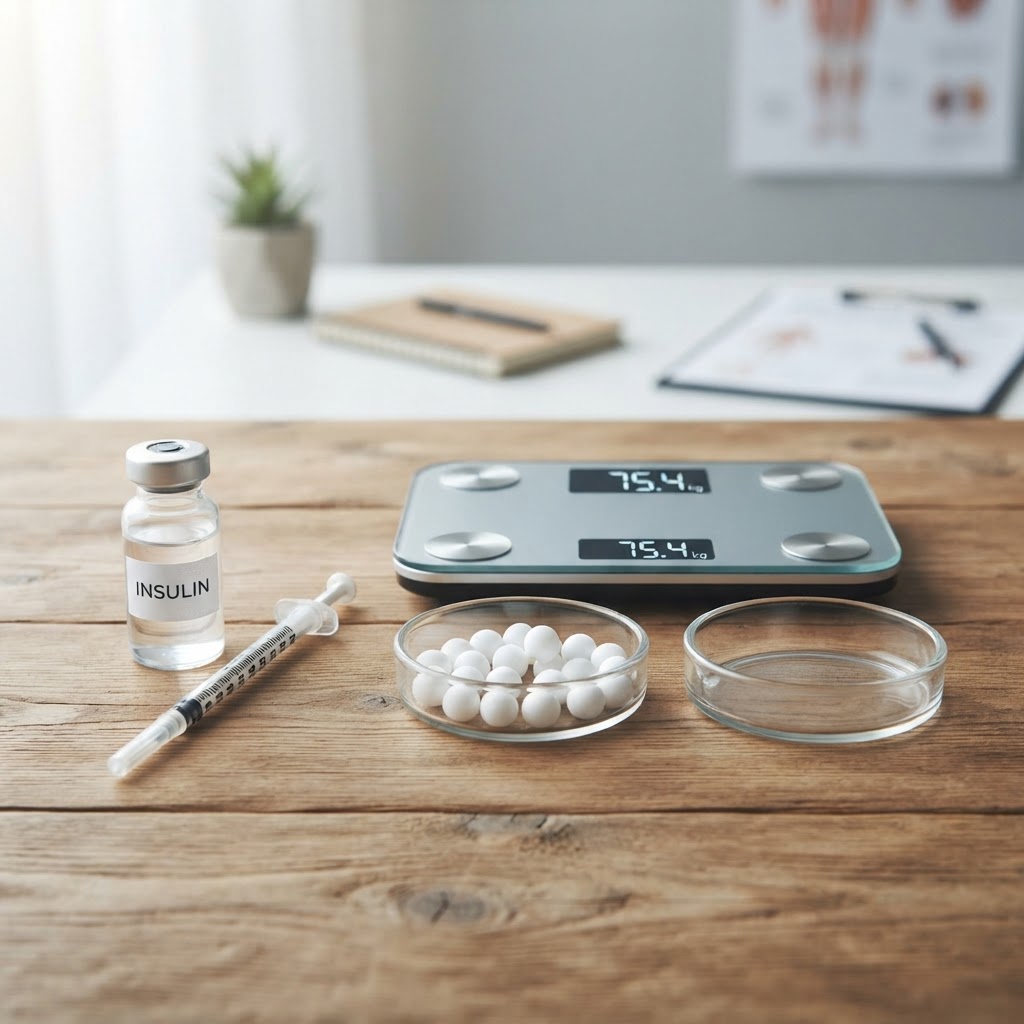
Can Insulin Help You Lose Weight? Risks and Medical Facts
Insulin often gets blamed for weight struggles among Nigerian families managing diabetes. But the science is more nuanced than blind blame suggests. This article, Can Insulin Help You Lose Weight? Risks and Medical Facts, examines what research actually shows. It looks at this essential hormone and ...