Powered by Obi Mbieri Independent Media Ltd · eziokwubundu.com
$1 = ₦1,330€1 = ₦1,528£1 = ₦1,778Police Inspector Killed at Imo Commissioner’s Residence
A deadly security breach at the residence of a senior Imo State government official has once again drawn attention to the fragile security situation in southeastern Nigeria. According to a report by TheCable(https://www.thecable.ng/gunmen-kill-police-inspector-at-commissioners-residence-in-imo/), gu...

A deadly security breach at the residence of a senior Imo State government official has once again drawn attention to the fragile security situation in southeastern Nigeria. According to a report by TheCable, gunmen killed a police inspector at the home of the Imo State Commissioner for Trade, Commerce and Investment, sending shockwaves through the state's security establishment and the wider community. This incident is not merely a crime report — it is a signal that demands reflection, action, and a renewed commitment to community safety, personal resilience, and collective prosperity.
What Are the Known Facts About the Imo Breach?
Analyzing the Tragedy at the Commissioner's Residence
The Imo State Police Command confirmed that a police inspector was killed at the official residence of the state's Commissioner for Trade, Commerce and Investment. The discovery of the inspector's body marked an immediate escalation in concern among security agencies, government officials, and ordinary citizens across the state.
According to the available details, the attack was not random. Reports indicate that a security guard at the premises may have facilitated unauthorized access, allowing the gunmen to penetrate what should have been a secured location. This alleged insider complicity represents a serious failure of internal security protocols — the kind of vulnerability that compromises even well-resourced protective arrangements. The presence of a police inspector on duty underscores that standard security measures were in place, yet the breach still occurred, pointing to a calculated and premeditated operation.
In response to the killing, the Imo State Police Command moved swiftly. Two suspects were subsequently arrested in connection with the incident, and the case was formally transferred to the State Criminal Investigation Department (SCID) for a thorough and professional investigation. The SCID, as the specialist investigative arm of the Nigeria Police Force at the state level, is equipped to handle complex criminal cases involving multiple suspects, potential conspiracies, and high-profile victims.
The transfer to SCID is a procedurally sound step, signaling that authorities are treating this as more than a routine crime. It suggests that investigators are examining a broader network of actors, motives, and possible links to organized criminal activity. For residents of Imo State and for Nigerian families following this story, the two arrests offer a measure of reassurance — but also raise pressing questions about how deep the security compromise runs and whether similar threats exist at other official residences across the state.
This tragic event is a stark reminder that security personnel, despite their training and dedication, remain vulnerable — particularly when internal protocols are compromised by those entrusted with maintaining them. For community stakeholders and local organizations, the details of this incident offer critical lessons in vetting, surveillance, and access control.
How Does This Reflect Imo's Security Challenges?
Contextualizing Violence in the Regional Landscape
The killing of a police inspector at a senior official's residence does not exist in isolation. It is part of a documented and deeply troubling pattern of targeted violence against security personnel and public figures in Imo State. Over the past several years, Imo has recorded a disturbing number of attacks on police stations, officers, and government installations. According to Amnesty International's Nigeria reports, the southeast geopolitical zone has experienced a significant rise in armed group activity, with security operatives frequently identified as primary targets.
Between 2021 and 2024, Imo State witnessed multiple high-profile attacks, including raids on correctional facilities, ambushes of police convoys, and assassinations of community leaders. These incidents have collectively eroded public confidence in the capacity of security agencies to protect both officials and ordinary citizens. The Nigerian police, already under-resourced relative to the population they serve, face the added burden of operating in an environment where informants and collaborators may exist within the very structures meant to ensure safety.
For middle-class Nigerians — entrepreneurs, professionals, small business owners — this climate of insecurity carries real economic consequences. Investment decisions are shaped by perceived safety. Business owners in Owerri and other Imo urban centres have reported increased spending on private security arrangements, cutting into profit margins and diverting resources from growth. The Nigerian Association of Chambers of Commerce, Industry, Mines and Agriculture (NACCIMA) has consistently flagged insecurity as one of the top barriers to domestic investment in the south-east.
The broader impact extends beyond economics. Community cohesion suffers when fear becomes a background condition of daily life. School attendance, market activity, and social gatherings are all affected when residents perceive their environment as unsafe. The local business community — from traders in Imo's bustling markets to professionals offering specialized services — operates under psychological pressure that mainstream wellness and business discussions rarely acknowledge.
It is worth noting, as reported in our coverage of 37 Suspected Illegal Miners Who Died in NSCDC Custody in Niger State, that security failures in Nigeria frequently involve systemic issues that go beyond individual criminal acts. Understanding this context is essential for communities seeking lasting solutions rather than reactive responses.
The persistence of armed group activity in Imo is both a law enforcement challenge and a governance challenge. Without coordinated responses that include intelligence gathering, community engagement, and investment in police welfare and capacity, isolated arrests — however welcome — will not resolve the structural problem.
Featured Products
Chukwu Abiama Tee
Bold black-and-gold Igbo-pride T-shirt featuring 'Chukwu Abiama' in premium streetwear typography.
₦15,000
Buy NowReverse Type 2 Diabetes & other associated Metabolic Issues using Dr. Jason Fung's Evidence-Based Approach— FMD program for Type 2 Diabetes
A practical fasting and fasting-mimicking programme built on Dr Jason Fung's insulin-resistance principles and ow-glycemic recipes.
₦19,950
Join NowỤmụ Igbo Tee
Classic black T-shirt with bold white 'Ụmụ Igbo' typography — a proud statement of Igbo heritage.
₦15,000
Buy NowNwanne Tee
Washed khaki vintage tee with a faded rust-orange 'Nwanne' stamp badge and palm leaf motif — a nod to kinship and heritage.
₦18,000
Buy NowObodo Tee
Faded denim-blue washed tee with a cream 'Obodo' stamp badge and sun motif, celebrating community roots.
₦18,000
Buy NowEkwe Heritage Tee
Deep indigo tee featuring a fine line-art illustration of a traditional Igbo ekwe drum, inspired by Igbo-Ukwu bronze artistry.
₦18,000
Buy NowIkenga Figure Tee
Forest green tee with a fine line-art illustration of a stylized Ikenga figure.
₦18,000
Buy NowWhat Steps Can Communities Take for Safety?
Practical Strategies for Proactive Community Security
While the responsibility for public safety ultimately rests with government and law enforcement institutions, communities cannot afford to be passive. A community-first approach to security — one in which neighbors, local leaders, and residents actively participate in maintaining safety — has proven effective in reducing crime across various African contexts.
Neighborhood watch programs remain one of the most accessible and cost-effective tools available to Nigerian communities. When properly organized, these programs create a network of alert, informed residents who can identify unusual behavior and report it promptly to authorities. The key is structure: a functional neighborhood watch has designated coordinators, clear communication channels — including WhatsApp groups and community radio — and an established protocol for contacting local police. Residents in Imo State can utilize the Imo State Emergency Contacts Directory to ensure they have verified, direct lines to relevant agencies before any crisis occurs.
Vetting private security personnel is equally critical, as the current incident demonstrates. Hiring a security guard without thorough background screening creates internal vulnerability. Best practices include verifying employment history through previous employers, conducting police clearance checks, and using reputable private security firms registered with the Nigerian Security and Civil Defence Corps (NSCDC). For homeowners and business operators, investing in modern surveillance infrastructure — IP cameras, motion-sensor lighting, and access control systems — adds a technology layer that complements human security measures.
Community leaders and traditional institutions carry unique authority in Nigerian society. A traditional ruler, community development association chairman, or religious leader who publicly champions a culture of vigilance and responsible reporting creates a normative environment where silence about suspicious activity is no longer the default. These leaders can partner with local police divisions through Community Policing Advisory Committees (CPACs), structures that the Nigeria Police Force has formally established to facilitate exactly this kind of grassroots collaboration.
For entrepreneurs and property owners looking to build or expand in Imo State, security considerations should be integrated into business planning from the outset. Understanding the process of how to register a business in Imo is one step — but equally important is conducting a security risk assessment of your chosen location and building relationships with community safety networks before committing capital.
Collective intelligence sharing — the practice of communities systematically sharing information about security threats with authorities — is arguably the most powerful tool available at the grassroots level. It costs nothing and, when practiced consistently, significantly raises the risk for would-be criminals while lowering response times for law enforcement.
How Do We Build Prosperity Amid Security Uncertainty?
Bridging Health, Wealth, and Community Development
At eziokwubundu.com, we hold a foundational belief: individual success and community safety are not separate pursuits — they are inextricably linked. A person cannot build sustainable wealth in a community paralyzed by fear, and a community cannot develop when its members are too anxious to invest, collaborate, or innovate. The killing of a police inspector at a commissioner's residence is not just a security story; it is a prosperity story, because insecurity is one of the most powerful suppressors of economic and personal growth.
This understanding must shape how we respond — not just as individuals protecting our homes, but as community members committed to collective development. The Nigerian spirit of resilience, the Igbo cultural emphasis on community solidarity (igwe bu ike — strength in numbers), provides an authentic philosophical foundation for this response. We do not wait for perfect conditions to pursue progress. We build the conditions as we go.
Mental health and community cohesion deserve specific attention during periods of heightened security tension. Chronic exposure to violence — even through news consumption — activates stress responses that affect sleep, productivity, and decision-making. Readers experiencing anxiety related to security events are encouraged to practice structured stress management: defined news consumption windows, physical exercise, community prayer or reflection, and deliberate engagement with positive local developments. If stress becomes persistent, consulting a qualified mental health professional is a practical and courageous step. Our guide to Best Hospitals in Imo State includes mental health service providers available across the state.
Economically, this is not the time to disengage from local development. It is, in fact, the time to double down on community investment — supporting local businesses, participating in community development associations, and accessing available financial tools such as those detailed in our guide on how to access CBN small business loans. Building local economic resilience reduces the desperation that often feeds criminal activity.
Security, health, and wealth are the three pillars of a functioning prosperity ecosystem. When one is weakened, the others are threatened. The response to this tragedy must therefore be holistic: demand accountability from government, take personal and community responsibility for safety, and sustain the economic activity that makes communities worth protecting.
Conclusion
The killing of a police inspector at the Imo State Commissioner's residence is a tragedy that demands more than headlines. It demands honest analysis, community action, and a sustained commitment to the kind of holistic development that makes Nigerian communities safer and more prosperous. Two suspects are in custody, the SCID investigation is underway, and the facts are being established — but the broader work of building secure, resilient communities belongs to all of us.
At eziokwubundu.com, we remain committed to providing Nigerian families, entrepreneurs, community leaders, and youth professionals with the knowledge and perspective needed to navigate these realities. Stay informed. Stay engaged. And stay committed to the community-first values that are our greatest collective asset.
Stay Informed
Get New Articles in Your Inbox
Subscribe to receive the latest community development, health, and wealth insights from Eziokwubundu.
Newsletter
Practical insights on health, wealth, and community — delivered weekly.
Community Discussion(0)
Leave a Comment
More to Read
You May Also Like

Nigeria Wins $2.35bn Mambilla Hydroelectric Arbitration Case
Nigeria has secured a landmark legal victory that could reshape the country's energy landscape for generations. An International Chamber of Commerce (ICC) arbitration tribunal sitting in Paris has ruled in favour of the Federal Government of Nigeria, rejecting a staggering $2.35 billion claim brough...
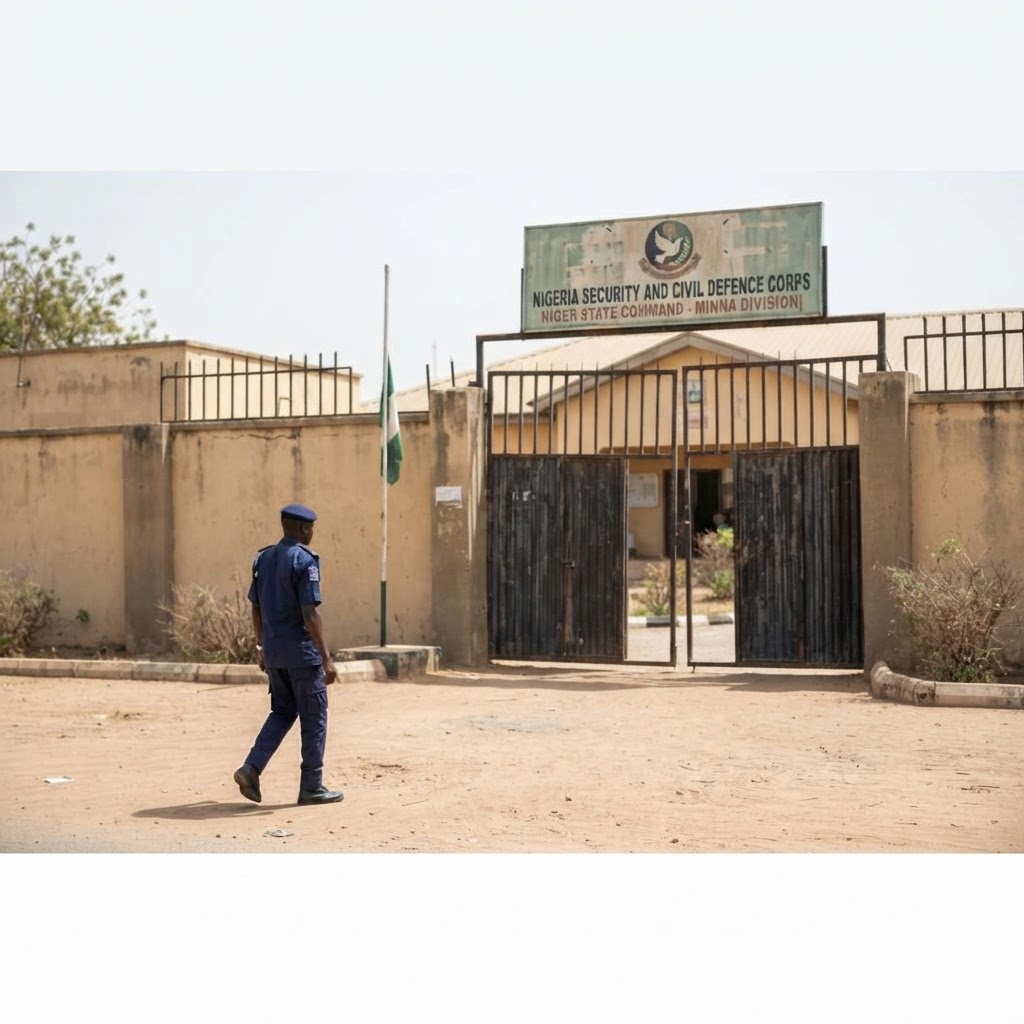
37 Suspected Illegal Miners Die in NSCDC Custody in Niger State
The deaths of 37 human beings in state custody should never be reduced to a statistic. Yet on a deeply troubling day in September 2026, that is precisely what happened in Niger State, Nigeria, when 37 suspected illegal miners died while detained by the Nigeria Security and Civil Defence Corps (NSCDC...

Imo 2028 Succession Debate Intensifies
The political temperature in Imo State has risen sharply as stakeholders, party insiders, and community leaders begin the complex arithmetic of who governs the state after January 2028. What began as quiet backroom conversations has evolved into a full-throated public debate, touching on constitutio...

Best Hospitals in Imo State Compared
Imo State sits at a crossroads of ambition and infrastructure challenge. For the millions of families, entrepreneurs, and young professionals who call this southeastern Nigerian state home, healthcare access is not merely a welfare concern — it is a direct determinant of economic stability and commu...

Imo State Emergency Contacts Directory
Emergencies do not send advance notice. Whether it is a road traffic accident along the Owerri-Onitsha expressway, a fire outbreak in a densely populated neighbourhood, or a sudden medical crisis in one of Imo State's rural local government areas, the difference between life and death often comes do...
Imo Waste Collection Services Compared
Waste management sits at the intersection of public health, economic productivity, and community dignity. For residents of Imo State, particularly those living in the expanding urban corridors of Owerri, the question of who collects refuse — and how reliably they do it — is not a minor administrativ...
Imo State Government Services Directory
Navigating government services in any Nigerian state can feel like an uphill task — long queues, unclear processes, and fragmented information leave many citizens without the support they need. For residents of Imo State, the situation is actively changing. Through a combination of digital infrastru...
Imo State Tax Guide for Individuals
Taxation is one of the most direct ways that individuals participate in the development of their communities. Yet for many residents of Imo State, the process of understanding, registering, and filing taxes remains confusing, intimidating, or simply unfamiliar. This guide is designed to change that....

How to start vegetable farming with small capital Nigeria
Vegetable farming is one of the most accessible and consistently profitable agricultural ventures available to Nigerians today. Whether you are a young graduate seeking a sustainable livelihood, a household looking to reduce food costs, or an entrepreneur exploring low-risk entry points into agricul...

Building Wealth with Ajo and Esusu
The journey to financial independence in Nigeria does not always require a bank loan or a complex stock portfolio. For centuries, our ancestors utilized communal structures to fund life’s greatest milestones. From the bustling markets of Lagos to the quiet villages of the southeast, Ajo and Esusu ha...