Powered by Obi Mbieri Independent Media Ltd · eziokwubundu.com
$1 = ₦1,328€1 = ₦1,528£1 = ₦1,783Malaria Vaccine Progress in Africa: What Imo and Nigerian Parents Should Know
Malaria has shaped the rhythm of family life in Nigeria for generations. Parents know the dread of a child's sudden fever, the scramble for medication, the days lost to illness and recovery. For decades, the best defenses available were bed nets, insecticide spraying, and prompt drug treatment — all...
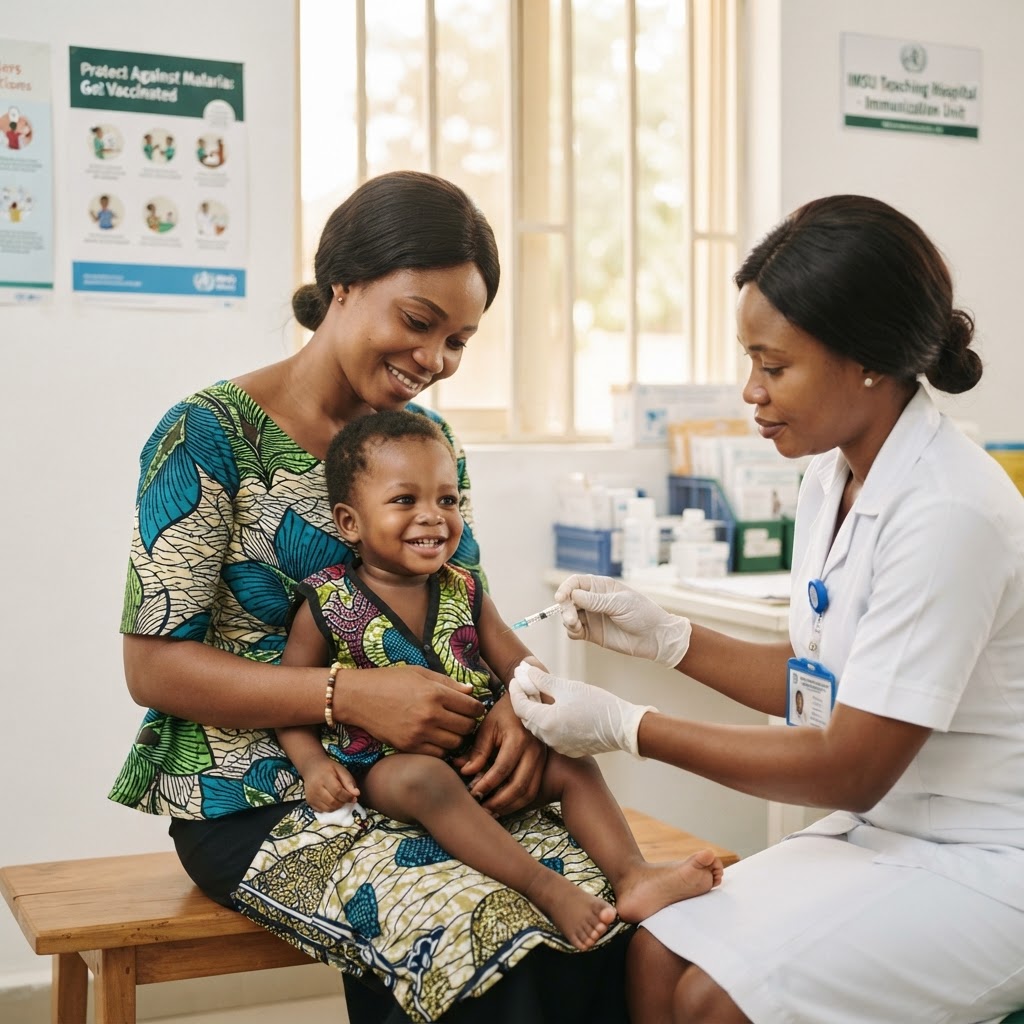
Malaria has shaped the rhythm of family life in Nigeria for generations. Parents know the dread of a child's sudden fever, the scramble for medication, the days lost to illness and recovery. For decades, the best defenses available were bed nets, insecticide spraying, and prompt drug treatment — all valuable, yet never enough to break the cycle. That reality is now changing. Two breakthrough vaccines, RTS,S/AS01 and R21/Matrix-M™, have earned WHO recommendation and are actively being deployed across sub-Saharan Africa. For families in Imo State and across Nigeria, understanding what these vaccines are, how they work, and how to access them could be one of the most important health decisions of this decade.
Why Is the Malaria Vaccine a Historic Milestone?
Nigeria's Burden Is Extraordinary
Nigeria is not merely one of many countries struggling with malaria — it is, by a wide margin, the single most affected nation on earth. As of 2024, Nigeria accounts for approximately 31% of all global malaria deaths, a staggering proportion that underscores both the scale of the crisis and the urgency of any meaningful intervention. The broader African region bears 95% of total global malaria mortality, meaning the continent is fighting this battle almost entirely alone. Every day, high-burden areas in Nigeria record an estimated 4,747 new malaria cases, a number that represents not just medical suffering but an enormous economic wound.
The connection between malaria and household poverty is direct and brutal. When a child falls ill, a parent stops working. Medical bills accumulate. School attendance drops. The cumulative financial drain on middle-class Nigerian families — already navigating inflation and economic uncertainty — can be devastating. As explored in our piece on Health Is Wealth: Why Nigerians Are Rethinking Prosperity in 2026, preventive healthcare is increasingly recognized not as a cost but as an investment in family wealth. The malaria vaccine represents the most significant preventive tool in this space in living memory.
What Are the Differences Between RTS,S and R21?
Two Vaccines, One Shared Mission
The RTS,S/AS01 vaccine, marketed as Mosquirix, was developed by GlaxoSmithKline (GSK) over more than three decades of research, making it one of the most rigorously studied vaccines ever developed for a parasitic disease. It has been deployed in pilot programs across Ghana, Kenya, and Malawi since 2019, generating a wealth of real-world effectiveness data.
The R21/Matrix-M™ vaccine is newer, co-developed by the University of Oxford's Jenner Institute and manufactured at scale by the Serum Institute of India — the world's largest vaccine producer by volume. This partnership is critical: R21 is significantly cheaper to produce per dose and benefits from a manufacturing capacity that can reach 100 million doses annually, compared to the more constrained production pipeline for RTS,S. This supply chain advantage makes R21 the more practical choice for Nigeria's mass immunization ambitions.
Both vaccines have received WHO prequalification and recommendation, and both have demonstrated greater than 50% efficacy in reducing clinical malaria cases in the critical first year following the initial three-dose series. For Nigerian health planners and parents alike, both vaccines represent a genuine milestone — but R21 is the vehicle most likely to reach children in Imo State and across the South-East.
How Is the Vaccine Rollout Progressing in Nigeria?
From Pilot Launch to National Scale-Up
Nigeria's national malaria vaccine program entered a decisive phase in December 2024, when the R21/Matrix-M™ vaccine was officially launched in Kebbi and Bayelsa states as the country's pilot deployment sites. These states were selected based on their high malaria burden and the readiness of their existing immunization infrastructure. The initial rollout utilized 1 million doses, providing the Federal Ministry of Health and Social Welfare with critical operational data ahead of a broader national scale-up.
Financing for the program follows a model that Nigerian parents should understand clearly: Gavi, the Vaccine Alliance secured the majority of doses — approximately 846,200 — while the Nigerian government contributed an additional 153,800 doses. This public funding structure means the vaccine is free at point of delivery at all participating Primary Healthcare Centres (PHCs). No family should be charged for malaria vaccination at a public facility.
For Imo State and other South-Eastern states, formal integration into the routine immunization schedule is contingent on high-burden prioritization criteria and logistical readiness, including cold-chain capacity. Community leaders and local government health authorities in Imo should actively engage their state Ministry of Health to confirm timelines and prepare PHC networks. Families who want to position themselves ahead of the rollout should begin tracking their child's immunization card now and confirm eligibility windows with their nearest health facility.
What Is the 4-Dose Schedule Parents Must Follow?
Timing Is Everything for Full Protection
The malaria vaccine does not follow a simple two-dose series. Parents must understand and commit to a strict four-dose timeline to achieve full protection. The schedule is as follows: the first dose at 5 months of age, the second at 6 months, the third at 7 months, and — most critically — a booster dose at 15 months of age. This schedule is designed to build immunity during the window when children are most biologically vulnerable to severe malaria outcomes.
For children who miss the 5-month entry point, a catch-up window exists up to 11 months of age, with the booster permissible up to 23 months. This flexibility is important for families in rural Imo communities where access to PHCs may be irregular.
Meticulous record-keeping in the child's immunization card is non-negotiable. Each dose administered should be documented with the date and the health worker's signature. Incomplete vaccination — receiving two or three doses without the booster — significantly diminishes long-term protection and undermines the investment already made. Treat the immunization card as a financial document: it records a life-protecting asset.
How Effective Are These Vaccines Against Severe Illness?
Real-World Evidence from African Trials
The evidence base for malaria vaccines is not theoretical — it comes from lived experience in African communities. Pilot program data from Ghana, Kenya, and Malawi, where RTS,S has been deployed since 2019, demonstrated a remarkable 13% reduction in all-cause child mortality in vaccinated populations. This figure is particularly significant because it captures deaths prevented not just from malaria but from the cascading health complications that severe malaria triggers, including severe anaemia and cerebral malaria.
A 2024–2025 surveillance report from integrated program sites recorded a 32% decline in reported malaria cases in regions that successfully combined the vaccine with existing control measures. These are not marginal gains — they represent tens of thousands of children who did not require hospitalization.
At the biological level, both vaccines work by targeting the Plasmodium falciparum sporozoite — the infectious form of the parasite injected during a mosquito bite — before it can migrate to and replicate in the liver. This preemptive mechanism is what makes the vaccines distinct from drug treatments, which act after the parasite has already established itself in the bloodstream. Prevention at the earliest stage is the defining advantage. For more on how proactive health decisions shape long-term outcomes, see our coverage of Sleep Optimization: The New Wellness Flex Nigerians Are Chasing in 2026, which explores how early intervention in health routines compounds over time.
Featured Products
Chukwu Abiama Tee
Bold black-and-gold Igbo-pride T-shirt featuring 'Chukwu Abiama' in premium streetwear typography.
₦15,000
Buy NowReverse Type 2 Diabetes & other associated Metabolic Issues using Dr. Jason Fung's Evidence-Based Approach— FMD program for Type 2 Diabetes
A practical fasting and fasting-mimicking programme built on Dr Jason Fung's insulin-resistance principles and ow-glycemic recipes.
₦19,950
Join NowỤmụ Igbo Tee
Classic black T-shirt with bold white 'Ụmụ Igbo' typography — a proud statement of Igbo heritage.
₦15,000
Buy NowNwanne Tee
Washed khaki vintage tee with a faded rust-orange 'Nwanne' stamp badge and palm leaf motif — a nod to kinship and heritage.
₦18,000
Buy NowObodo Tee
Faded denim-blue washed tee with a cream 'Obodo' stamp badge and sun motif, celebrating community roots.
₦18,000
Buy NowEkwe Heritage Tee
Deep indigo tee featuring a fine line-art illustration of a traditional Igbo ekwe drum, inspired by Igbo-Ukwu bronze artistry.
₦18,000
Buy NowIkenga Figure Tee
Forest green tee with a fine line-art illustration of a stylized Ikenga figure.
₦18,000
Buy NowWhy Is the Fourth Booster Dose Essential?
The Dropout Crisis Threatening Vaccine Gains
One of the most concerning trends in the early rollout data is the dramatic fall-off between first and fourth dose uptake. While first-dose coverage in pilot countries has reached approximately 80%, fourth-dose (booster) coverage collapses to as low as 25–46%. This gap is not simply a logistical inconvenience — it is a public health emergency within an emergency.
The WHO has explicitly classified the fourth dose as "essential" for prolonging immunity, noting that the protective effect of the first three doses begins to wane significantly after the first year of life. Without the booster, a child may enter toddlerhood — when outdoor exposure to mosquitoes typically increases — with declining immune protection precisely when they need it most.
Practical strategies for Nigerian parents include setting a phone alarm for the 15-month mark from the child's birth date, registering with the community health worker in your ward for reminder follow-ups, and photographing the immunization card as a digital backup. Even if a child appears completely healthy at 15 months, returning for the booster is not optional — it is the completion of a life-protecting protocol. Managing health-related stress is part of this equation; our article on Everyday Stress and Your Health offers guidance on staying consistent with preventive healthcare routines under pressure.
How Does Malaria Prevention Build Family Wealth?
The Economics of a Malaria-Free Home
The financial cost of malaria extends far beyond the pharmacy bill. A single malaria episode in a Nigerian household typically involves the purchase of Artemisinin-based Combination Therapy (ACT), which can cost between ₦2,500 and ₦6,000 for a full course at market prices, plus transportation costs to a clinic or hospital, diagnostic fees, and — in severe cases — hospital admission charges. When a parent must stay home to nurse a sick child, the lost income compounds the direct medical expense. For self-employed Nigerians and entrepreneurs, a week of interrupted productivity carries costs that never fully appear in any household budget.
The macroeconomic proof exists at a national scale. Following successful vaccine implementation in Burkina Faso, the Ministry of Health documented household savings exceeding $26.6 million in direct healthcare costs within the program's operational period. Nigeria, with its vastly larger population and malaria burden, stands to realize savings many times that magnitude as the national rollout matures.
This is precisely the "Community First" philosophy that drives holistic development thinking: when children stop falling ill, school attendance improves, parental productivity rises, and the economic productivity of entire autonomous communities compounds upward. A healthier Imo household is a wealthier Imo household. A healthier Imo is a more economically competitive state. The vaccine is not charity — it is infrastructure for prosperity.
What Other Measures Work Alongside the Vaccine?
The Integrated Defense Strategy
Both vaccine developers and WHO epidemiologists are unambiguous on a critical point: the malaria vaccine is a powerful tool, but it is not a silver bullet. Achieving and sustaining the 32% case reduction seen in integrated program sites requires the vaccine to operate within a broader prevention ecosystem. Families must continue using new-generation dual-active ingredient (dual-AI) bed nets, which combine two insecticide classes to combat pyrethroid-resistant mosquito populations increasingly prevalent in Nigeria.
Indoor Residual Spraying (IRS) remains a cornerstone intervention, particularly for households in high-density areas. Seasonal Malaria Chemoprevention (SMC) — where preventive antimalarial drugs are administered to young children during peak transmission seasons — continues to be recommended by WHO for countries in the Sahel sub-region, and Nigerian health authorities should advise on eligibility.
Environmental sanitation deserves renewed community attention: standing water in gutters, discarded containers, and blocked drains are mosquito nurseries. Even a vaccinated child deserves a home environment where breeding sites are systematically eliminated. Parents should also recognize that a vaccinated child who develops fever should still be tested using a Rapid Diagnostic Test (RDT) at the nearest facility. The vaccine reduces risk — it does not eliminate it — and prompt diagnosis remains essential for 100% household safety.
How Can Communities Build Trust in the Vaccine?
Overcoming Hesitancy With Local Champions
Vaccine hesitancy in Nigeria often arises from misinformation, historical mistrust, and inadequate community engagement rather than informed medical objection. Trusted voices matter enormously in this space. The endorsements of traditional leaders such as the Emir of Gwandu and state-level health commissioners have already proven influential in Northern pilot states, and similar community-level advocacy is needed in Imo and across the South-East.
Local "Malaria Vaccination Champions" — parents, teachers, market association leaders, and women's group coordinators — who have personally seen the vaccine's benefits should be empowered to share their stories in wards and village squares. Peer testimony often accomplishes what government announcements cannot. Community organizations and local leaders should partner with PHC staff to organize vaccination awareness days tied to existing community gatherings.
The call to action is clear: visit your nearest Primary Healthcare Centre today to confirm whether the malaria vaccine is available in your local government area, register your child's eligibility window, and ensure every dose is tracked. This preventable disease has taken too many Nigerian children for too long. The tools to end that story are finally here.
Conclusion: A New Chapter in Nigerian Child Health
The arrival of WHO-recommended malaria vaccines in Nigeria represents one of the most consequential public health developments in the country's modern history. For families in Imo State and across Nigeria, the path forward is grounded in clear information and consistent action: understand the four-dose schedule, commit to the booster, combine vaccination with bed nets and sanitation, and resist misinformation by seeking guidance from PHC workers and trusted community leaders.
At eziokwubundu.com, we believe that better health and better wealth are inseparable. A Nigerian child protected from malaria is a child who attends school without interruption, grows into a productive adult, and contributes to a community that thrives. The malaria vaccine is not just medicine — it is a down payment on the future that every Nigerian family deserves.
Sources and Further Reading:
Stay Informed
Get New Articles in Your Inbox
Subscribe to receive the latest community development, health, and wealth insights from Eziokwubundu.
Newsletter
Practical insights on health, wealth, and community — delivered weekly.
Community Discussion(0)
Leave a Comment
More to Read
You May Also Like
Mbaitoli’s Primary Healthcare Centres: Are They Properly Staffed?
Why Does Staffing in Mbaitoli's PHCs Matter? At eziokwubundu.com, we believe that health, wealth, and community are inseparable pillars of lasting prosperity. Nowhere is this triangle more visibly tested than in Mbaitoli Local Government Area, one of Imo State's most densely populated LGAs, where th...
Only 3% of PHCs Meet Staffing Standards: What Is the Situation in Imo?
Nigeria's primary healthcare system is facing a quiet catastrophe. Across the country, thousands of Primary Healthcare Centres (PHCs) stand as hollow structures — buildings without sufficient doctors, midwives, or community health workers to serve the millions of Nigerians who depend on them. A rece...
Diphtheria in Nigeria: How Prepared Are Imo’s Health Centres?
Nigeria is facing its worst diphtheria resurgence in decades. What began as a concentrated outbreak in the northern states has evolved into a national public health emergency, with confirmed cases now appearing across regions once considered low-risk. For families in Imo State and across the Southea...
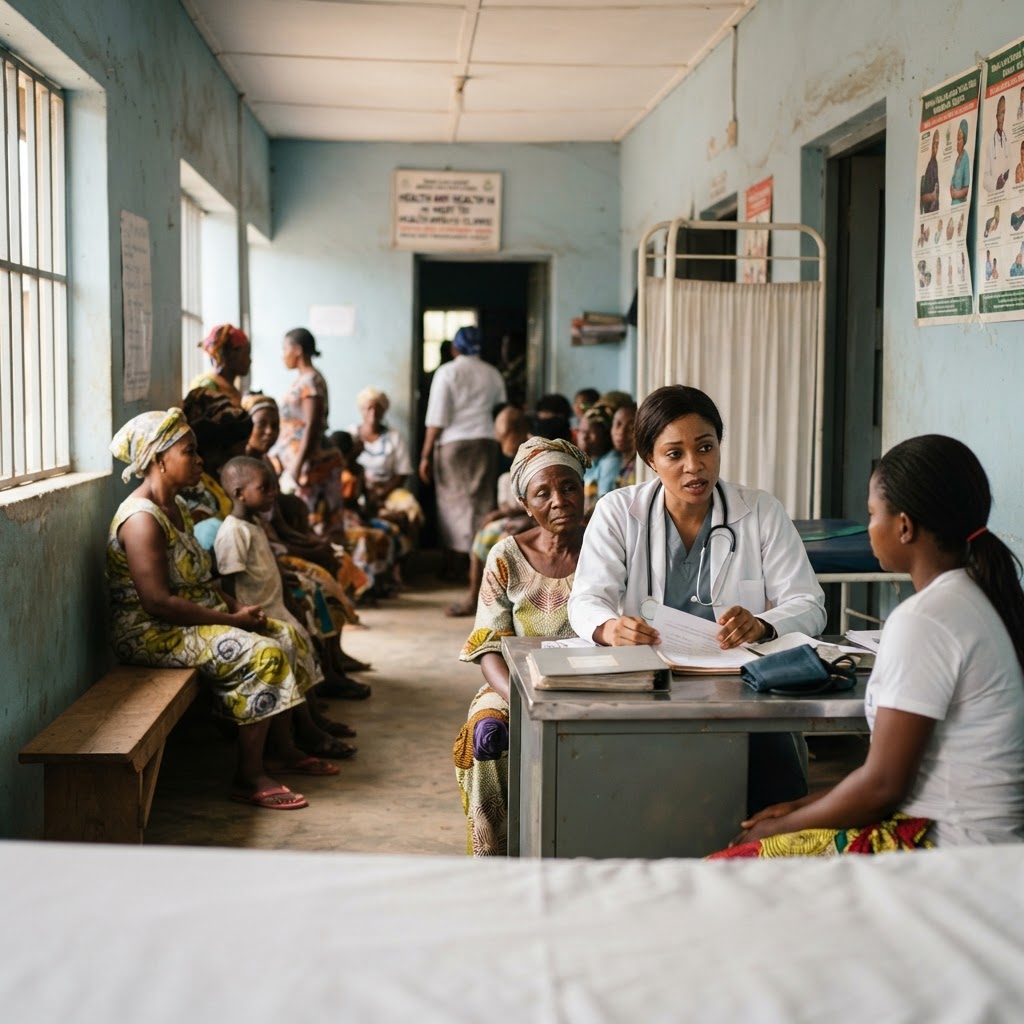
Where Are the Doctors? Investigating Healthcare Staffing in Mbaitoli
Mbaitoli Local Government Area sits at the heart of Imo State, home to over 327,000 residents spread across nine towns and more than twenty autonomous communities. Yet for a population of this scale, accessing a qualified medical doctor at a public health facility has become less a routine expectati...
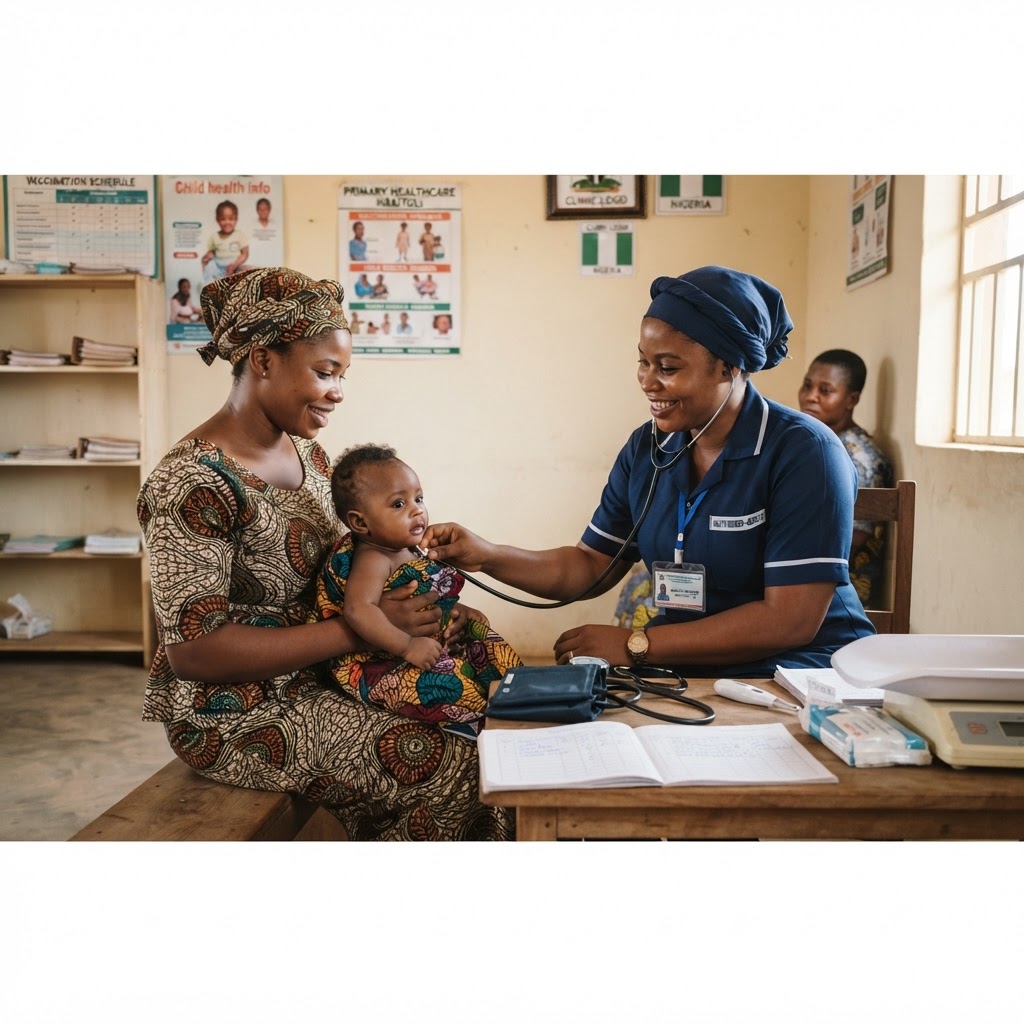
Primary Healthcare in Mbaitoli: Clinics on Paper, Services on the Ground?
For the hundreds of thousands of families living across Mbaitoli Local Government Area in Imo State, the phrase "primary healthcare" carries a particular, painful irony. Government directories, state agency websites, and official budget lines paint a picture of a well-served rural population — ward-...
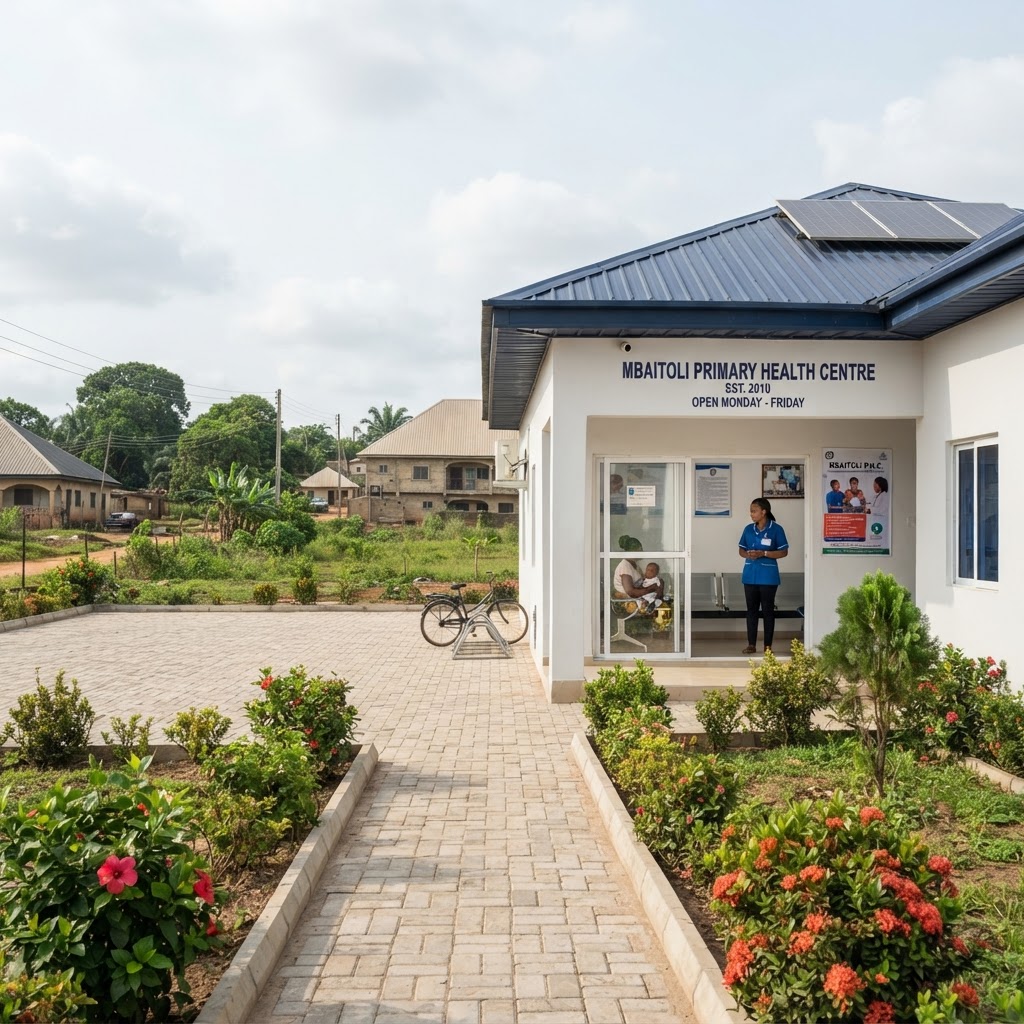
Mbaitoli’s Health Centres: How Many Are Actually Functional?
By eziokwubundu.com | Community Health & Development --- Mbaitoli Local Government Area in Imo State is home to over 327,000 residents spread across nine principal towns, including Mbieri, Orodo, Ubomiri, and Ogwa. On paper, the LGA maintains a network of primary healthcare centres (PHCs) designed t...
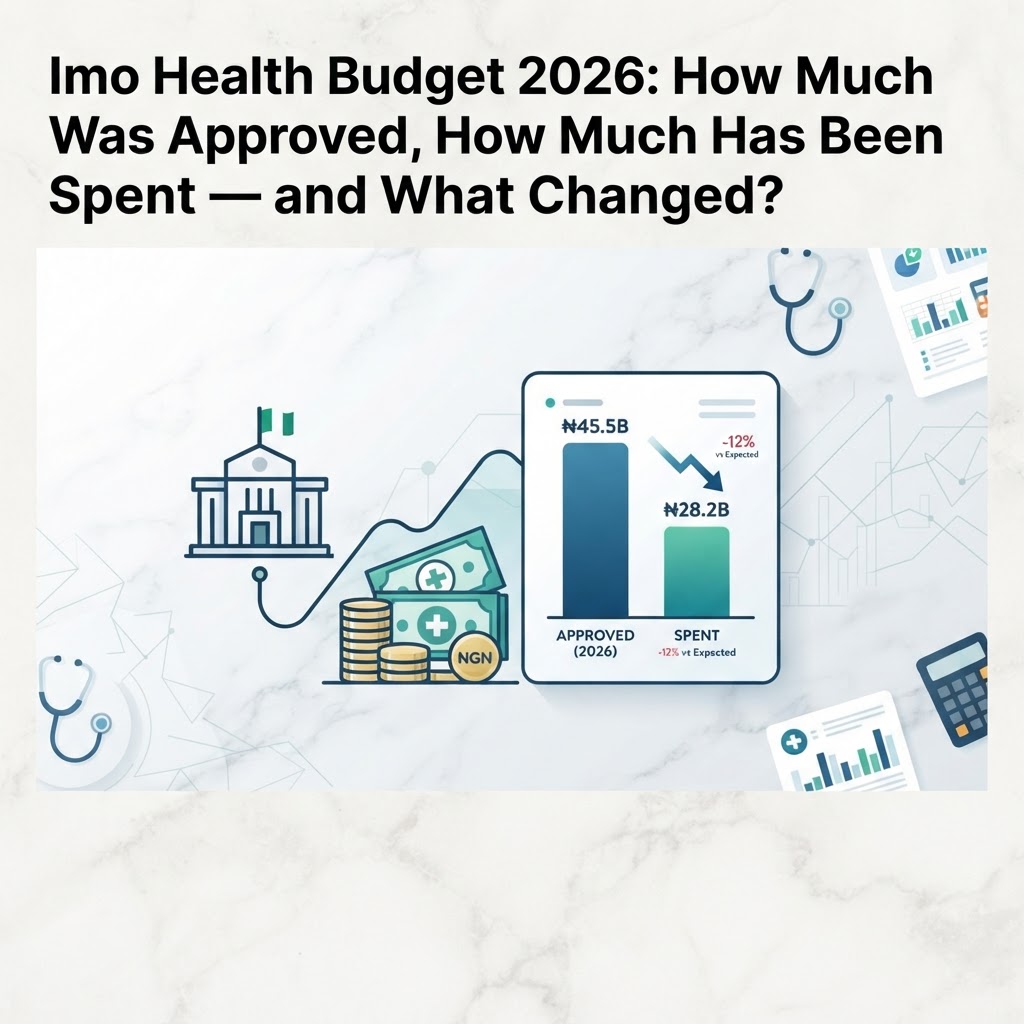
Imo Health Budget 2026: How Much Was Approved, How Much Has Been Spent — and What Changed?
When Governor Hope Uzodimma signed Imo State's 2026 "Budget of Economic Breakthrough" into law, the headline figure — ₦1.47 trillion — drew widespread attention as an ambitious statement of intent. For families in Owerri, Orlu, and Okigwe, the number carried a simple, urgent question: would this tra...

How Much Does It Cost to Give Birth in Imo in 2026
Bringing a child into the world is one of the most profound experiences a family can share — yet in Imo State in 2026, it is also one of the most financially demanding. From the first antenatal registration to the final discharge bill, expectant mothers and their families face a complex web of costs...