Powered by Obi Mbieri Independent Media Ltd · eziokwubundu.com
$1 = ₦1,328€1 = ₦1,511£1 = ₦1,755Everyday Stress and Your Health
Stress is no longer a condition reserved for the boardroom executive or the overworked doctor. It has quietly become a defining feature of daily life for millions of Nigerians — from the trader navigating traffic in Lagos to the student juggling academic pressure in Owerri. Yet despite how widesprea...
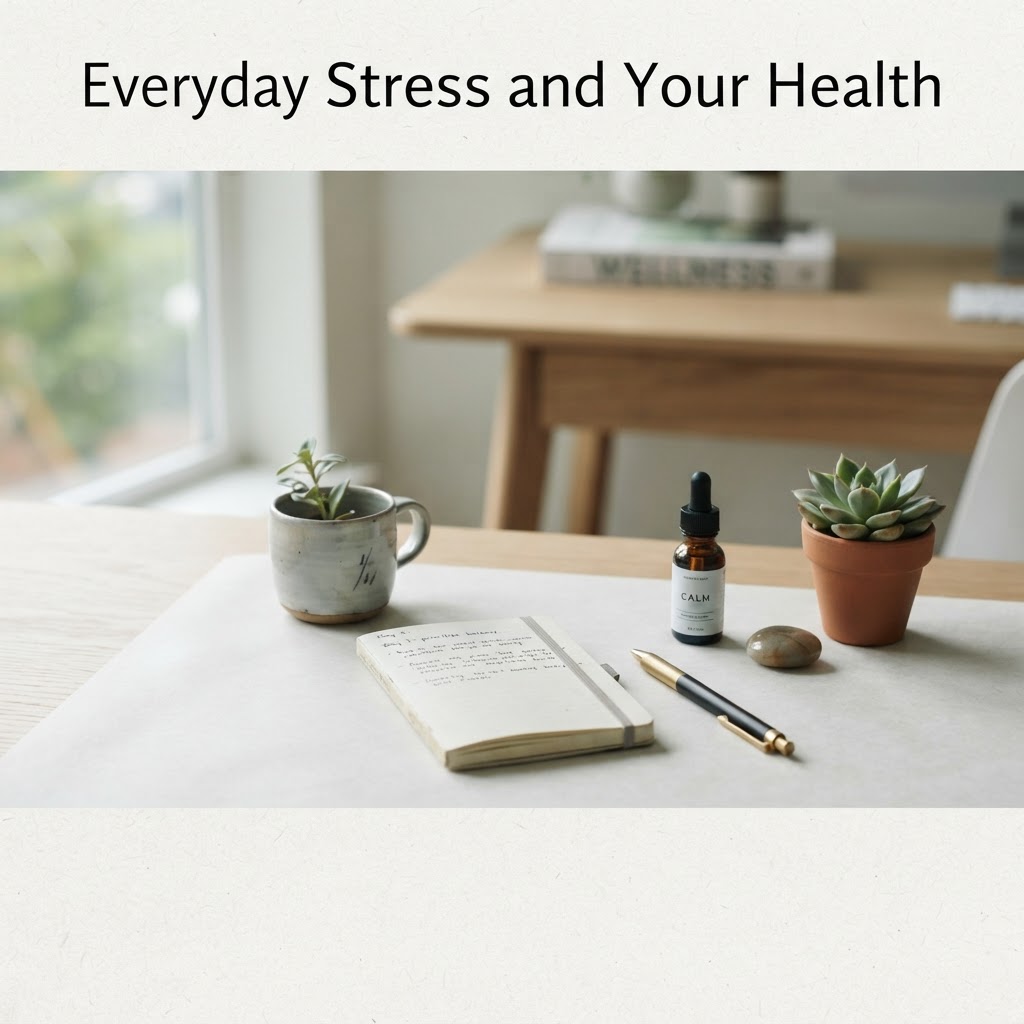
Stress is no longer a condition reserved for the boardroom executive or the overworked doctor. It has quietly become a defining feature of daily life for millions of Nigerians — from the trader navigating traffic in Lagos to the student juggling academic pressure in Owerri. Yet despite how widespread it is, stress remains poorly understood, routinely dismissed, and dangerously undermanaged across communities. This article examines the biology, consequences, and practical management of everyday stress — and why taking it seriously is one of the most important health decisions you can make for yourself, your family, and your community.
Is Everyday Stress a Silent Crisis for Nigerians?
Stress, in its most fundamental form, is the body's natural reaction to change, challenge, or perceived threat. Not all stress is harmful. Acute stress — the sharp burst of tension before a job interview or a sudden emergency — can sharpen focus and mobilise energy. This is your survival mechanism at work. The problem lies with chronic stress: the unrelenting pressure that builds up over weeks, months, and years in high-intensity urban environments like Lagos, Abuja, and Port Harcourt.
What makes this particularly dangerous in Nigeria is the deeply ingrained cultural habit of silence around personal struggle. There exists what many health professionals now recognise as the "I'm fine" phenomenon — a social conditioning that discourages Nigerians from acknowledging anxiety, fatigue, or emotional distress. Admitting to being overwhelmed is often interpreted as weakness, particularly among men and community leaders. The result? Most people delay seeking help until the symptoms have escalated into physical illness.
Understanding the Igbo philosophy that truth is foundational to life — as explored in our piece on What Does Eziokwu Bu Ndu Really Mean? The Igbo Philosophy of Truth as Life — can offer a cultural framework for acknowledging internal struggles honestly. Where short-term stress motivates, chronic stress corrodes. And for Nigerian families carrying the compounded weight of economic uncertainty, insecurity, and infrastructural failure, this corrosion is happening quietly, every day.
How Does the Stress Response System Work?
To understand why chronic stress is so destructive, you must first understand the biology behind it. When you perceive a threat — whether it is a dangerously swerving danfo bus or a creditor's call — your brain's hypothalamus triggers the endocrine system to release two critical hormones: cortisol and adrenaline (epinephrine). Adrenaline rapidly increases your heart rate and blood pressure, flooding your muscles with oxygen-rich blood. Cortisol, the primary stress hormone, elevates blood sugar and suppresses functions deemed non-essential during an emergency, including digestion, immune response, and reproductive processes.
This is the body transitioning from "rest-and-digest" mode (governed by the parasympathetic nervous system) to "fight-or-flight" mode (governed by the sympathetic nervous system). In an acute situation, this shift is life-saving. The trouble begins when your nervous system cannot distinguish between a genuine emergency and the ambient, chronic pressure of daily living.
When cortisol remains elevated over extended periods, it begins to damage the brain's structure. Research published in journals such as Neuroscience & Biobehavioral Reviews has documented how prolonged cortisol exposure reduces the volume of the hippocampus — the brain region responsible for memory formation and learning — while simultaneously enlarging the amygdala, which governs fear and emotional reactivity. The practical outcome is a person who becomes increasingly forgetful, emotionally volatile, and cognitively impaired, not due to poor character, but due to unmanaged physiological stress.
What Are the Physical Consequences of Unmanaged Stress?
The link between chronic stress and physical disease is no longer theoretical — it is well-documented and alarming. For Nigerian families, where access to consistent preventive healthcare remains limited, these consequences represent a quiet public health emergency.
Cardiovascular Disease
The cardiovascular system bears the greatest burden. Chronic elevation of cortisol and adrenaline keeps blood pressure persistently high — a condition known as hypertension, often called the "silent killer." Nigeria has one of the highest hypertension prevalence rates in sub-Saharan Africa, with studies indicating that approximately 28–35% of adults are affected. Unmanaged stress accelerates arterial inflammation, promotes plaque build-up in coronary arteries (atherosclerosis), and significantly increases the risk of heart attack and stroke. The World Health Organization estimates that cardiovascular diseases account for 17.9 million deaths globally each year, making their prevention a matter of urgent priority.
Metabolic Dysfunction
Cortisol directly interferes with insulin sensitivity, the mechanism by which cells absorb glucose from the bloodstream. When cortisol stays elevated, cells become progressively resistant to insulin, causing blood sugar levels to rise — a precursor to Type 2 diabetes. Chronic stress also triggers intense cravings for high-calorie, high-sugar foods, contributing to obesity, particularly abdominal fat accumulation. This visceral fat is itself metabolically active, releasing additional inflammatory chemicals that worsen insulin resistance in a compounding cycle.
Inflammation and Autoimmunity
Perhaps least understood is the relationship between psychological stress and systemic inflammation. A landmark study published in the Proceedings of the National Academy of Sciences demonstrated that chronic stress disrupts the body's ability to regulate its inflammatory response, increasing the risk of autoimmune conditions such as rheumatoid arthritis and lupus, as well as accelerating the progression of conditions like irritable bowel syndrome (IBS). In practical terms, your emotional state is not separate from your physical body — they are deeply and biochemically interconnected.
How Does Stress Impact Mental and Emotional Well-Being?
The psychological consequences of chronic stress are substantial. According to the World Health Organization, approximately 1 in 4 people globally will experience a mental health disorder at some point in their lives. In Nigeria, where economic instability, insecurity, and cultural stigma intersect, anxiety disorders, depression, and post-traumatic stress disorder (PTSD) are significantly underreported and undertreated.
On a day-to-day level, chronic stress manifests as cognitive fatigue — a diminished ability to concentrate, process information, or make clear decisions. It fuels irritability that strains marriages, disrupts parent-child relationships, and poisons workplace dynamics. People under chronic stress often become emotionally withdrawn, creating isolation that compounds their distress.
Yet mental deterioration is not inevitable. The concept of psychological resilience — the capacity to adapt constructively in the face of adversity — has been extensively studied as a buffer against stress-induced mental illness. Resilience is not a fixed trait; it is a skill developed through emotional awareness, social connection, and deliberate coping practices. Tools like psychological first aid (PFA), cognitive reframing, and journaling have been shown to interrupt the progression from manageable stress to clinical anxiety or depression. Recognising your emotional state is the first step toward changing it.
Featured Products
Chukwu Abiama Tee
Bold black-and-gold Igbo-pride T-shirt featuring 'Chukwu Abiama' in premium streetwear typography.
₦15,000
Buy NowReverse Type 2 Diabetes & other associated Metabolic Issues using Dr. Jason Fung's Evidence-Based Approach— FMD program for Type 2 Diabetes
A practical fasting and fasting-mimicking programme built on Dr Jason Fung's insulin-resistance principles and ow-glycemic recipes.
₦19,950
Join NowỤmụ Igbo Tee
Classic black T-shirt with bold white 'Ụmụ Igbo' typography — a proud statement of Igbo heritage.
₦15,000
Buy NowNwanne Tee
Washed khaki vintage tee with a faded rust-orange 'Nwanne' stamp badge and palm leaf motif — a nod to kinship and heritage.
₦18,000
Buy NowObodo Tee
Faded denim-blue washed tee with a cream 'Obodo' stamp badge and sun motif, celebrating community roots.
₦18,000
Buy NowEkwe Heritage Tee
Deep indigo tee featuring a fine line-art illustration of a traditional Igbo ekwe drum, inspired by Igbo-Ukwu bronze artistry.
₦18,000
Buy NowIkenga Figure Tee
Forest green tee with a fine line-art illustration of a stylized Ikenga figure.
₦18,000
Buy NowCan Stress Affect Your Financial Health and Productivity?
The relationship between stress and economic performance is direct, measurable, and frequently ignored. In Nigerian tertiary hospitals, corporate offices, and small businesses, job-related stress is a leading contributor to absenteeism, presenteeism (being physically present but mentally disengaged), and poor decision-making. A stressed entrepreneur is more likely to make impulsive financial choices, miss growth opportunities, or abandon long-term wealth strategies in favour of short-term relief.
The hidden financial cost of stress extends beyond lost productivity. Nigerians managing unresolved chronic stress spend significantly more on healthcare — treating hypertension, diabetes, and gastrointestinal disorders that are, in large part, preventable through lifestyle management. Burnout, a clinical syndrome now formally recognised by the WHO, can remove a professional from the workforce entirely for months.
The principle of Practical Prosperity — the idea that personal wellness directly enables economic performance — is central to how eziokwubundu.com approaches health. When you regulate your stress levels, you improve your focus, your creative capacity, your interpersonal relationships, and ultimately your ability to generate and sustain wealth. If you are currently navigating financial pressures, understanding supportive government programmes like the FG Opens N50 Million Housing Loan Portal — Here's How Nigerians Can Apply may alleviate one significant source of economic anxiety and help restore mental clarity.
What Role Does Community Play in Managing Stress?
Nigerian culture, at its core, is communal. The extended family structure, the age-grade system, the women's cooperative society, the church fellowship, the mosque congregation — these are not merely social traditions. They are functional stress-management systems, and their value in modern mental health management is increasingly supported by scientific evidence.
The Community-First approach recognises that no individual carries burden alone when embedded in a thriving social network. Sharing challenges with trusted family members or community elders can significantly reduce the neurobiological stress response, lowering cortisol levels and activating the brain's reward pathways through the release of oxytocin — the "bonding hormone." Faith-based organisations in particular serve as critical social safety nets, providing emotional support, financial guidance, and a sense of shared purpose that insulates individuals from the worst effects of isolation.
Beyond passive support, research published in the Journal of Health Psychology confirms that volunteering and community service measurably improve mood, reduce symptoms of depression, and foster a sense of agency and purpose. Engaging with local development initiatives and traditional community structures — the very institutions documented in stories like Igbo Landing Ceremonies and Traditions Still Practiced Today — reconnects individuals to a sense of collective identity that is itself a powerful antidote to helplessness.
Traditional values are not in conflict with modern progress. They are, in many cases, its most reliable foundation.
What Practical Steps Reduce Stress Today?
Managing stress does not require expensive interventions or a complete life overhaul. Evidence-based lifestyle adjustments, implemented consistently, produce measurable neurological and physiological changes within weeks.
Physical activity remains the single most effective, accessible stress-reduction tool. A minimum of 30 minutes of moderate exercise — brisk walking, swimming, cycling — at least five days per week reduces cortisol, elevates endorphins, and improves sleep quality. Similarly, maintaining a consistent sleep schedule of 7 to 9 hours per night allows the brain to complete essential hormonal regulation and memory consolidation cycles.
For busy professionals who cannot immediately restructure their schedules, relaxation techniques offer rapid neurological benefit. Progressive muscle relaxation (PMR), which involves systematically tensing and releasing muscle groups, has been clinically validated to reduce physiological arousal. Deep diaphragmatic breathing — inhaling for four counts, holding for four, exhaling for six — directly activates the parasympathetic nervous system within minutes. Warm baths and calming aromatherapy scents such as lavender have also demonstrated cortisol-lowering effects in clinical settings.
Finally, the underrated practice of setting boundaries — learning to say no, prioritising tasks using tools like the Eisenhower Matrix, and protecting personal time — prevents the accumulation of stressors that leads to chronic cortisol overload. Your health is a strategic asset. Protect it with the same intentionality you apply to your finances and professional goals.
When Should You Seek Professional Help?
Not all stress responds to self-management. There are warning signs that require immediate professional medical attention: severe or persistent insomnia, unexplained chest pains or palpitations, chronic headaches, a significant and sustained change in appetite or mood, or increasing reliance on alcohol, tobacco, or other substances as coping mechanisms. These are not signs of weakness — they are clinical indicators that the body's coping capacity has been exceeded.
Cultural stigma surrounding mental healthcare in Nigeria continues to prevent many from accessing therapy and counselling. Seeing a psychologist or psychiatrist is not an admission of failure; it is a rational health decision no different from visiting a cardiologist for chest pain. Eziokwubundu.com is committed to the principle of preventive healthcare — addressing symptoms early, before they become irreversible chronic conditions. If you recognise these warning signs in yourself or someone you love, consult a qualified healthcare provider without delay. Your life, and the well-being of those who depend on you, is worth that step.
Conclusion
Everyday stress and your health are inseparably linked. The biological mechanisms are clear, the physical consequences are serious, and the mental and economic costs are substantial. Yet stress is not a life sentence. Through biological understanding, community support, practical lifestyle strategies, and timely professional intervention, Nigerians can reclaim their well-being and build lives of genuine, sustainable prosperity.
At eziokwubundu.com, the belief is simple: better living begins with better information. Your health is not separate from your wealth, your relationships, or your community. It is the very foundation upon which everything else is built. Start today — not tomorrow.
Stay Informed
Get New Articles in Your Inbox
Subscribe to receive the latest community development, health, and wealth insights from Eziokwubundu.
Newsletter
Practical insights on health, wealth, and community — delivered weekly.
Community Discussion(0)
Leave a Comment
More to Read
You May Also Like
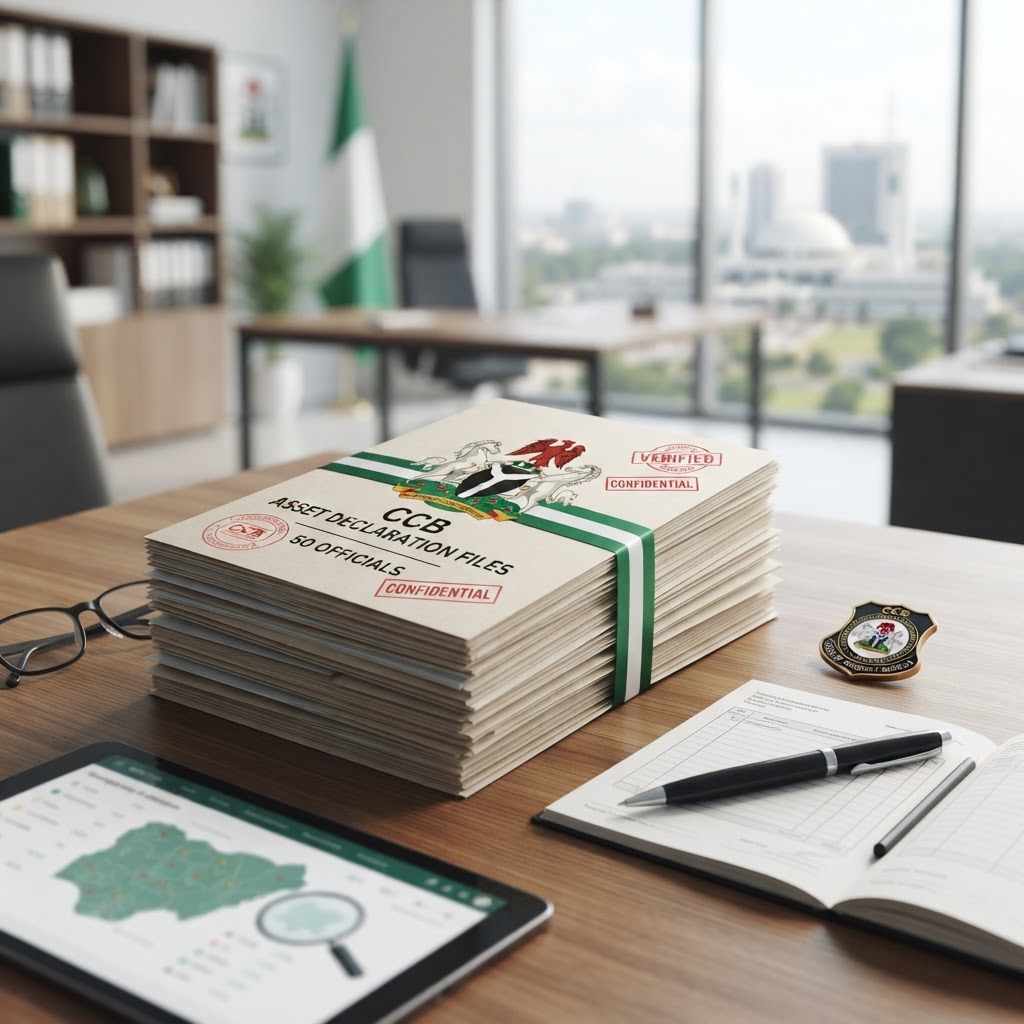
CCB Investigates Assets of 50 Top Nigerian Officials
A quiet compliance exercise inside a government agency rarely makes headlines, yet this one does. Nigerians are watching closely as the Code of Conduct Bureau digs into the Assets of the country's most powerful public servants, and the scrutiny is reshaping conversations about integrity in public of...

Owerri Hosts Interswitch TechConnect 6.0 Today
Nigeria's fintech landscape is entering a bold new phase of regional expansion. Owerri Hosts Interswitch TechConnect 6.0 Today, marking a historic milestone for South-East Nigeria's digital economy. This landmark gathering brings together innovators, policymakers, and entrepreneurs to reshape the na...

EFCC Declares Ex-Pension Boss Maina Wanted Again
The name Abdulrasheed Maina has resurfaced in Nigeria's anti-corruption headlines once again. In a fresh development that has caught public attention, EFCC Declares Ex-Pension Boss Maina Wanted Again, reigniting a saga that has spanned over a decade. For Nigerian families who depend on pension syste...

Strategic Wellness and Fiscal Growth for Nigerians
Achieving a state of total well-being requires more than just physical health or financial stability alone. For the modern Nigerian, success is a multi-dimensional pursuit that bridges the gap between traditional values and global opportunities. By integrating science-based natural health solutions ...

Imo Government to Support 100 More Communities
OKOBI is reshaping how everyday Imo residents build wealth from their own villages. The latest expansion, tagged OKOBI: 100 More Imo Communities Set to Receive Government Support, signals a new chapter in Governor Hope Uzodimma's push for grassroots prosperity. For Nigerian families and community le...

Osun Assembly Approves State Police Bill
The security conversation in Nigeria has taken a decisive turn. Lawmakers across the country are now voting on a reform that could reshape how communities are protected, starting from the grassroots. The Osun Assembly Approves State Police Bill, joining a growing list of states pushing for decentral...

Imo Approves Recruitment of 6,030 Teachers Across 27 LGAs
Imo State has taken a bold step toward transforming its public education system. Governor Hope Uzodimma has approved the recruitment of 6,030 teachers across the state's 27 Local Government Areas, a move many residents have awaited for years. This decision, widely reported by Vanguard(https://www.va...

CBN Cuts Interest Rate to 23%: Impact on Nigerians
Nigerians woke up to significant financial news this week. The Central Bank of Nigeria has made a bold move that could reshape household budgets and business plans alike. This shift, widely covered as CBN Cuts Interest Rate to 23% — What It Means for Nigerians and Businesses, deserves a closer look ...
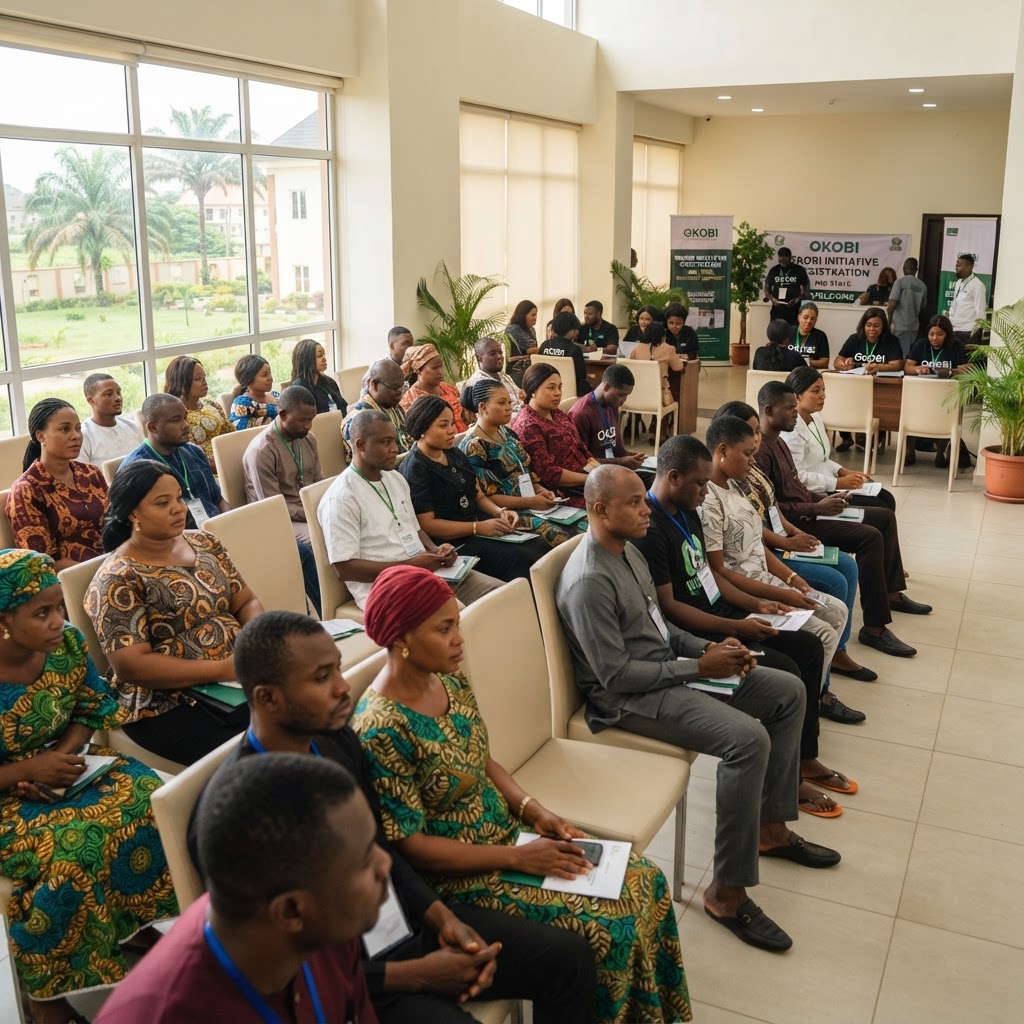
65 Imo Businesses Await OKOBI Initiative Registration
Imagine 65 kindred-owned businesses across Imo State, each waiting for one final document to unlock full legal status. That single step—Corporate Affairs Commission registration—now defines the next chapter in Imo's OKOBI Initiative: 65 Community Businesses Await CAC Registration. For families, entr...

Why Nigeria Faces an Ongoing Power Supply Crisis
Nigerian households lose power multiple times a day, and the frustration never seems to fade. Behind every flickering bulb and silent refrigerator lies a deeper story about Nigeria's fragile power supply system — one that touches nearly every aspect of daily life across the country. Businesses stall...