Powered by Obi Mbieri Independent Media Ltd · eziokwubundu.com
$1 = ₦1,332€1 = ₦1,498£1 = ₦1,775Sleep Optimization: The New Wellness Flex Nigerians Are Chasing in 2026
There was a time when boasting about surviving on four hours of sleep was a badge of honour in Nigerian boardrooms, university hostels, and entrepreneurial circles. In 2026, that badge has been quietly retired. Across Lagos, Abuja, Enugu, and in the homes of diaspora Nigerians from London to Houston...
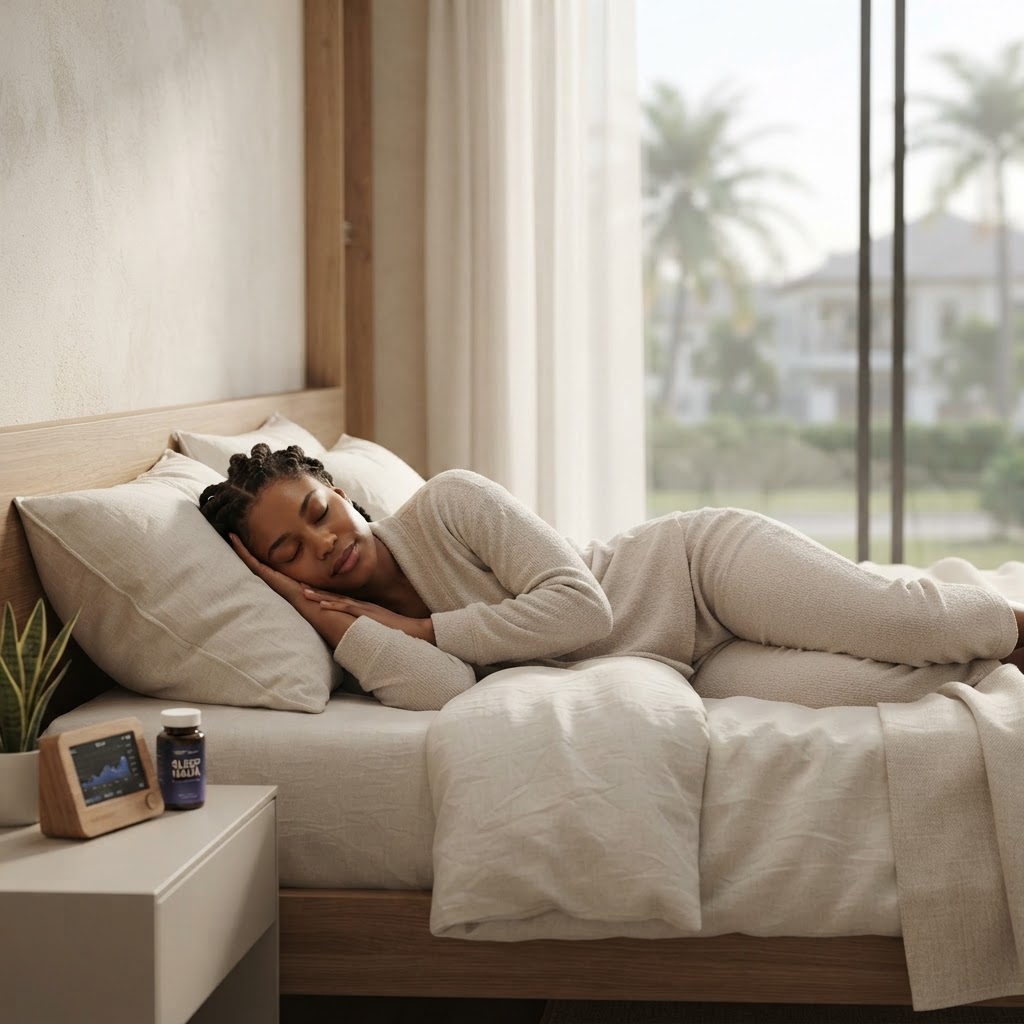
There was a time when boasting about surviving on four hours of sleep was a badge of honour in Nigerian boardrooms, university hostels, and entrepreneurial circles. In 2026, that badge has been quietly retired. Across Lagos, Abuja, Enugu, and in the homes of diaspora Nigerians from London to Houston, a powerful cultural reset is underway. Sleep is no longer the sacrifice you make on the altar of ambition. It is the foundation upon which ambition is built. Welcome to the era of sleep optimization — the new wellness flex that Nigeria's most forward-thinking professionals, families, and community leaders are embracing with serious intention.
This article explores why sleep has become both a personal and collective priority, what it costs when we get it wrong, how technology and tradition intersect in this space, and most importantly, what practical steps every Nigerian can take starting tonight.
Why Has Sleep Become a Status Symbol?
From Hustle Culture to Rested Excellence
The cultural shift has been remarkable. The early 2020s celebrated relentless hustle. Entrepreneurs wore sleep deprivation like armour. Youth professionals equated exhaustion with dedication. But by 2025, a critical mass of Nigerian high-performers began noticing what the data had been screaming for years: chronic sleep deprivation was not making them more productive — it was quietly destroying their output, their health, and their decision-making capacity.
By 2026, optimised sleep has emerged as a genuine marker of self-discipline and elevated lifestyle. When a Lagos-based entrepreneur mentions their 10:30 PM wind-down protocol or their consistent 7.5-hour sleep schedule, it signals something profound — not laziness, but mastery. Rest has become the new flex.
This transformation aligns perfectly with the eziokwubundu.com philosophy of the "Health + Wealth + Community" triangle. Individual rest is not a private luxury; it is an economic input. A well-rested professional makes sharper decisions, generates more income, supports their family with more presence, and contributes more meaningfully to their community. The Igbo truth embedded in what Eziokwu Bu Ndu really means — that truth is life — applies here: the truth about sleep is that neglecting it is quietly costing Nigeria dearly.
How Much Is Poor Sleep Costing Nigeria?
The Multi-Billion Naira Productivity Gap
The numbers are staggering. Research by the RAND Corporation estimates that the United States loses over $411 billion annually to sleep deprivation-related productivity decline, with Japan losing $138 billion and Germany $60 billion. Applying similar proportional workforce analysis to Nigeria's economy — with over 77 million active working-age adults — the productivity loss attributable to chronic poor sleep runs into hundreds of billions of naira every year. This is not an abstract statistic. It is revenue unrealised, businesses underpitched, deals poorly negotiated, and projects poorly executed.
The cognitive comparison alone is sobering. Studies published in the journal Occupational and Environmental Medicine confirm that being awake for 17 to 19 consecutive hours produces cognitive impairment equivalent to a blood alcohol concentration of 0.05%. Being awake for 24 hours mirrors a BAC of 0.10% — legally drunk in most jurisdictions. Nigerian professionals operating in high-stakes environments — finance, healthcare, legal practice, and entrepreneurship — are routinely making critical decisions in states that would be considered impaired by any objective standard.
Perhaps most insidious is what researchers call the "Sleep Gap." Financial insecurity breeds anxiety, which disrupts sleep, which impairs earning capacity, which deepens financial insecurity. For middle-class Nigerians navigating inflation, currency volatility, and economic pressure — as evidenced by the intense daily interest in resources like the Dollar to Naira rate today — this feedback loop is a silent wealth-destroyer. Breaking it is not just a wellness goal; it is a financial strategy.
What Is 'Sleepmaxxing' and Is It Practical?
Navigating the High-Tech Sleep Revolution
"Sleepmaxxing" entered mainstream vocabulary around 2024 and reached peak discourse by 2026. At its core, it describes the pursuit of maximum sleep quality through a stack of interventions — magnesium glycinate supplementation, blue-light-blocking glasses, mouth taping to encourage nasal breathing, cooling mattress pads, weighted blankets, white noise machines, and wearable sleep trackers like the Oura Ring or Whoop strap. The promise is compelling: engineer your sleep environment so precisely that every night becomes a recovery masterclass.
However, 2026 has also brought a significant counter-movement: Sleepmaxxing Skepticism. A growing cohort of wellness researchers and practitioners are pushing back against the commercialisation of rest. The argument is well-founded — the most evidence-backed sleep interventions remain stubbornly low-tech. Consistent sleep and wake times, a dark room, a cooler ambient temperature, and reduced screen exposure in the final hour before bed outperform most gadgets in clinical comparisons.
For the average Nigerian household, the cost-benefit analysis of high-end sleep tech is unfavourable. A quality Oura Ring retails for approximately $299 USD — nearly ₦490,000 at current exchange rates. Cooling mattress systems cost even more. Add the persistent challenge of unstable power supply, and many smart sleep devices become impractical luxuries rather than genuine solutions. The good news, which this article will address fully in Section 6, is that the most effective sleep infrastructure costs almost nothing. What Nigerians need is not more gadgets but better habits, better information, and as explored in our guide on everyday stress and your health, a clearer understanding of how stress disruption undermines rest.
Can AI and Smart Mattresses Transform Our Rest?
The Rise of the Nightly Health Clinic
For those with the means and the infrastructure, 2026's sleep technology landscape is genuinely remarkable. According to industry tracking by the Global Sleep Tech Market Report, approximately 73% of new mattress models launched in 2026 now integrate biometric sensors capable of real-time monitoring of heart rate variability (HRV), respiratory rate, skin temperature, and movement patterns. Your bed, in essence, has become a nightly health clinic.
But the more significant development is the shift from passive tracking to predictive action. Stanford University's SleepFM model — a multimodal deep learning framework trained on continuous sleep monitoring data — has demonstrated the ability to predict over 100 health conditions, including cardiovascular disease risk and early metabolic dysfunction, from biometric patterns captured during sleep. The implications for preventive healthcare in Nigeria are profound. Gallup's Global Wellbeing Research consistently shows that reactive healthcare is exponentially more expensive than prevention — a truth Nigerian families navigating high out-of-pocket medical costs understand intimately.
On the ground in Africa, specialised sleep medicine is slowly professionalising. Facilities like the Rivonia Diagnostics and Sleep Centre represent a growing continental acknowledgement that sleep disorders — including obstructive sleep apnoea, insomnia disorder, and circadian rhythm disruptions — require dedicated clinical attention. Nigeria's urban centres are seeing gradual growth in sleep-focused consultations within teaching hospitals and private wellness clinics. This professionalisation signals that sleep is no longer the domain of self-help culture alone but is entering the healthcare mainstream where it belongs.
Featured Products
Chukwu Abiama Tee
Bold black-and-gold Igbo-pride T-shirt featuring 'Chukwu Abiama' in premium streetwear typography.
₦15,000
Buy NowReverse Type 2 Diabetes & other associated Metabolic Issues using Dr. Jason Fung's Evidence-Based Approach— FMD program for Type 2 Diabetes
A practical fasting and fasting-mimicking programme built on Dr Jason Fung's insulin-resistance principles and ow-glycemic recipes.
₦19,950
Join NowỤmụ Igbo Tee
Classic black T-shirt with bold white 'Ụmụ Igbo' typography — a proud statement of Igbo heritage.
₦15,000
Buy NowNwanne Tee
Washed khaki vintage tee with a faded rust-orange 'Nwanne' stamp badge and palm leaf motif — a nod to kinship and heritage.
₦18,000
Buy NowObodo Tee
Faded denim-blue washed tee with a cream 'Obodo' stamp badge and sun motif, celebrating community roots.
₦18,000
Buy NowEkwe Heritage Tee
Deep indigo tee featuring a fine line-art illustration of a traditional Igbo ekwe drum, inspired by Igbo-Ukwu bronze artistry.
₦18,000
Buy NowIkenga Figure Tee
Forest green tee with a fine line-art illustration of a stylized Ikenga figure.
₦18,000
Buy NowHow Do African Traditions Align with Sleep Science?
Culturally Grounded Rest Strategies
Long before sleep scientists validated the nap, Nigerians were practicing it. The traditional afternoon rest — observed across Igbo, Yoruba, Hausa, and other Nigerian cultural communities — is not laziness encoded in culture. It is a biologically intelligent response to the post-lunch circadian dip that occurs naturally between 1:00 PM and 3:00 PM. A 2026 meta-analysis published in Nature and Science of Sleep confirms that a 20-to-30-minute nap during this window improves alertness, memory consolidation, and emotional regulation without interfering with nocturnal sleep. Nigerian tradition was right.
The Community-First dimension of sleep health is equally significant and often overlooked. Environmental stressors — generator noise, neighbourhood insecurity, inadequate housing — are among the most powerful disruptors of sleep quality for urban and peri-urban Nigerians. Local organizations, community development associations, and traditional institutions have a genuine role to play in advocating for quieter nights, improved infrastructure, and community mental health resources. Collective wellbeing begins with individual rest; community leaders who champion sleep-friendly environments are investing in their community's productivity and health outcomes.
On the nutritional front, African food traditions offer potent, affordable sleep-support tools. Locally sourced magnesium-rich foods — including ugu (pumpkin leaves), ofada rice, groundnuts, and soybeans — support the nervous system's ability to downregulate for sleep. Traditional herbal teas made from lemongrass, moringa, and African basil (nchanwu) have demonstrated mild anxiolytic and sleep-supportive properties consistent with circadian regulation. These are not exotic supplements; they are foods and herbs embedded in Nigeria's culinary heritage.
What Practical Steps Optimise Sleep Affordably?
A Practical Prosperity Guide for Better Living
The most important insight of 2026's sleep research is democratising: you do not need expensive technology to sleep better. You need Sleep Infrastructure — the three environmental pillars that neuroscience consistently identifies as foundational.
First, darkness. Light — particularly blue-spectrum light — suppresses melatonin production and delays sleep onset. Heavy curtains, an eye mask, or simply covering all LED indicator lights in your bedroom can meaningfully shift your circadian signal. This costs almost nothing.
Second, temperature regulation. Core body temperature must drop approximately 1–2 degrees Celsius to initiate and maintain deep sleep. In a Nigerian climate without consistent air conditioning, strategic use of fans, lightweight cotton bedding, and cross-ventilation can approximate the 18–20°C ideal. Pre-sleep cold showers have also been shown to accelerate the core temperature drop required for sleep onset.
Third, schedule consistency. The circadian clock is brutally precise. Irregular sleep and wake times — common among Nigerian shift workers, students, and entrepreneurs — fragment sleep architecture and suppress slow-wave and REM sleep stages where physical and cognitive restoration primarily occur.
The Eziokwubundu Evening Routine
For the busy Nigerian professional, a structured wind-down protocol makes the difference between lying in bed anxious and actually sleeping. Begin 60 minutes before your target bedtime: dim artificial lights, put your phone on Do Not Disturb, and avoid news consumption. Use 30 minutes before bed for light reading, journaling, or prayer — activities that neurologically signal safety and closure. In the final 10 minutes, practice four-count box breathing: inhale for four counts, hold for four, exhale for four, hold for four. This activates the parasympathetic nervous system and directly reduces cortisol levels.
Align Work to Your Chronotype
Understanding your chronotype — whether you are a biological morning type, evening type, or intermediate — and aligning your most cognitively demanding work to your peak alertness window is one of the highest-leverage productivity adjustments available. Morning chronotypes should schedule their critical decision-making before noon. Evening chronotypes should protect their late-morning hours and not fight their natural rhythm by attempting complex analytical work at 7:00 AM. Resources like the Munich Chronotype Questionnaire (MCTQ) offer a validated, free tool for determining your personal chronotype.
Ambitious Nigerians building wealth through ventures supported by initiatives like the FirstBank–Imo ÓKÓBÌ entrepreneurship initiative will find that chronotype-aligned scheduling amplifies the impact of every working hour — a compounding return that no supplement can replicate.
Conclusion: Rest Is a Wealth Strategy
Sleep optimization in 2026 is not a wellness trend for the privileged few. It is a practical, evidence-backed wealth strategy available to every Nigerian regardless of income level. The investment required is not money — it is discipline, information, and the cultural courage to reframe rest as a performance tool rather than a personal weakness.
Nigeria's most productive decade ahead will not be built on exhaustion. It will be built on rested, clear-eyed, high-performing citizens who understand that their most important daily input is the quality of their nightly recovery. The flex is not staying awake longest. The flex is waking up fully restored — and building something extraordinary with the hours that follow.
For more evidence-based wellness guidance tailored to Nigerian realities, explore the full health library at eziokwubundu.com.
Sources and Further Reading:
Stay Informed
Get New Articles in Your Inbox
Subscribe to receive the latest community development, health, and wealth insights from Eziokwubundu.
Newsletter
Practical insights on health, wealth, and community — delivered weekly.
Community Discussion(0)
Leave a Comment
More to Read
You May Also Like
State Police Bill Stalls After Limited Assembly Support
Nigeria's long debate over decentralized policing has hit a critical wall. The State Police Bill Stalls After Limited Assembly Support, leaving reform advocates uneasy about the road ahead. As detailed in earlier coverage of the State Police Bill Stalls After Limited Assembly Approval(/article/6ad1d...

FUTO Partners With Police to Boost Campus Security
Nigerian universities are grappling with growing security concerns, and the Federal University of Technology, Owerri (FUTO) is responding with urgency to protect its community. Campus security has become the defining priority for university leadership as recent incidents involving student safety pus...

Umuahii Day: Preserving Our Heritage, Rekindling Otu Obi
Every December, families across Imo State pause to celebrate something larger than a party. They celebrate belonging. This year, that celebration carries a clear purpose: Umuahii Day: Preserving Our Heritage, Rekindling Otu Obi invites every son and daughter of Umuahii to come home, in body or in sp...

2026 NNPC/Seplat Scholarship: Apply Now
The race for Nigeria's future workforce starts in the lecture hall, not the boardroom. If you are a Nigerian undergraduate looking for financial relief this academic year, the 2026 NNPC/Seplat Scholarship: Apply Now initiative offers a credible, well-funded pathway to ease tuition pressure and keep ...

NNPC Seeks Partnerships to Restart PH and Warri Refineries
Nigeria's refining sector is entering a decisive new chapter. As the nation searches for lasting solutions to decades-old fuel supply challenges, the news that NNPC Evaluates New Partnerships to Restart Warri and Port Harcourt Refineries signals a shift from patchwork repairs toward structured, long...

Affordable Home Preventive Health for Nigerian Families
The Hidden Cost of Reactive Healthcare in Nigeria In the heart of many Nigerian households, the approach to healthcare is often reactive. We wait for a fever to become debilitating or a cough to persist for weeks before seeking medical attention. This reactive cycle is not only dangerous for our phy...
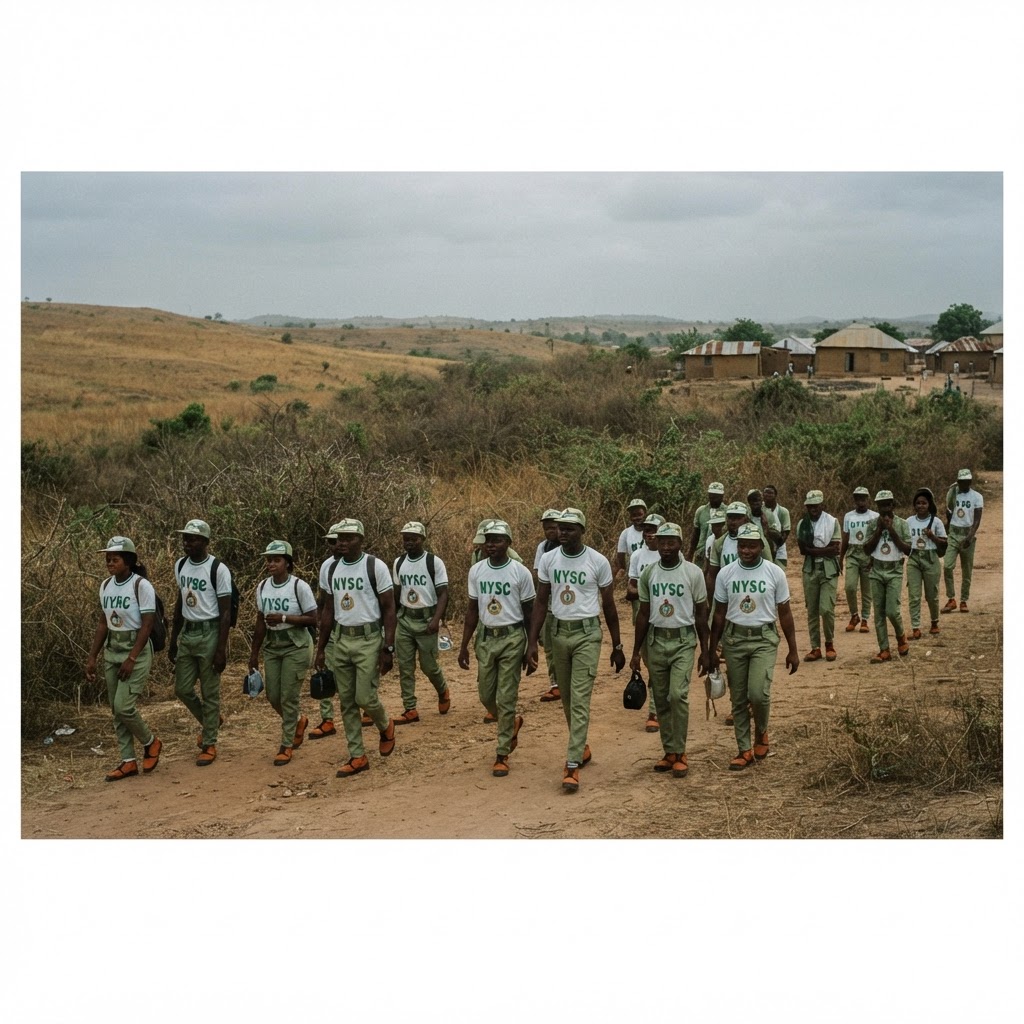
NYSC Abduction: Serving Nigeria at What Cost? Fresh Safety Questions
The Umunoha abduction of prospective NYSC members has renewed concerns over the safety of graduates travelling across Nigeria for national service.

Military Aircraft With 32 Aboard Crashes in Ondo, Rescue Underway
Igbokoda crash: Nigerian Air Force ATR-42 was travelling from Benin to Lagos when contact was lost
Nwanegwo Hands Over Mbaitoli LGA Affairs, Ends Tenure
Hon. Ifunanya Nwanegwo JP has formally handed over the affairs of Mbaitoli Local Government Area to the Director of Administration and General Services (DAGS), marking the conclusion of his tenure as Executive Chairman.
Umunoha NYSC Kidnap: Hideout Located as IED Threat Delays Rescue
Imo security agencies have located the suspected hideout of prospective NYSC members abducted along the Owerri–Onitsha Road, but an alleged improvised explosive device (IED) threat has delayed the planned rescue operation.