Powered by Obi Mbieri Independent Media Ltd · eziokwubundu.com
$1 = ₦1,329€1 = ₦1,514£1 = ₦1,760Health Is Wealth: Why Nigerians Are Rethinking Prosperity in 2026
For decades, prosperity in Nigeria was measured in a single currency: money. A fat bank account, a fleet of cars, multiple properties, and the social clout that came with them defined whether a person had "made it." But 2026 is telling a different story. Across Lagos boardrooms, Aba markets, Abuja t...

For decades, prosperity in Nigeria was measured in a single currency: money. A fat bank account, a fleet of cars, multiple properties, and the social clout that came with them defined whether a person had "made it." But 2026 is telling a different story. Across Lagos boardrooms, Aba markets, Abuja tech hubs, and diaspora WhatsApp groups, a quiet but powerful rethinking is underway. Nigerians are beginning to ask a harder question: what is the point of accumulating wealth if your body is breaking down, your mind is burned out, and your community is crumbling around you?
This shift is not abstract philosophy. It is a practical, urgent recalibration driven by lived experience — the entrepreneur who built a thriving business only to lose it all to a preventable stroke at 44, the family whose savings were wiped out by a single hospitalization, the youth professional whose unmanaged anxiety cost her a career-defining opportunity. In 2026, health is no longer the backdrop to wealth. It is the foundation.
This article explores why Nigerians are redefining prosperity through the lens of health, community, and sustainable living — and what actionable steps every Nigerian family, entrepreneur, and professional can take to build a life that is genuinely, holistically wealthy.
Why Is Prosperity Being Redefined in 2026?
From Hustle Culture to Sustainable Productivity
The evolution of success in Nigeria is inseparable from the economic turbulence that shaped the early 2020s. The hustle culture of that era glorified relentless grinding, long hours, and sacrificing sleep, nutrition, and mental health in pursuit of naira and dollars. It produced results — but also a generation of exhausted, chronically ill, and financially fragile Nigerians who discovered, often too late, that wealth without wellness is a hollow prize.
By 2026, Nigeria's Universal Health Coverage service index stands at a modest 47, a marginal improvement that still leaves tens of millions of citizens without reliable access to formal healthcare. This reality has forced a cultural and practical shift: if the system will not protect your health, you must protect it yourself. Citizens are increasingly taking personal responsibility for preventive wellness, nutrition, and mental resilience.
A new benchmark has emerged for the Nigerian middle class — what development economists and wellness advocates are calling the Strategic Triangle: Health, Wealth, and Community. Rather than chasing nominal GDP figures or salary brackets, discerning Nigerians are measuring prosperity through quality-of-life metrics: energy levels, cognitive sharpness, family stability, and community contribution.
Critically, the post-reform economic stabilization of 2026 has taught a sobering lesson. Financial gains built on a fragile biological foundation are easily erased by a single preventable health crisis. The modern Nigerian is learning to invest in their body with the same discipline they apply to their business.
How Does Healthcare Cost Drain Household Wealth?
Out-of-Pocket Spending Is a Poverty Trap
Nigeria remains one of the highest out-of-pocket healthcare spending countries in Sub-Saharan Africa. For households without formal health insurance or preventive health strategies, a single serious illness can eliminate years of accumulated savings in weeks. According to data from the World Health Organization's Global Health Expenditure Database, out-of-pocket payments constitute over 70% of total health expenditure in Nigeria — a figure that places ordinary families at extraordinary financial risk.
The numbers become even more stark when examining chronic lifestyle diseases. Managing Type 2 diabetes in Nigeria — including medication, regular consultations, and complications treatment — can cost a household between ₦180,000 and ₦500,000 annually, depending on the severity. Hypertension management carries comparable ongoing costs. Yet evidence consistently shows that early screening, dietary intervention using locally available foods, and basic lifestyle modifications can prevent or significantly delay the onset of these conditions at a fraction of the cost.
The 2026 Private Health Sector Market Outlook has flagged the rising cost of specialized care — particularly in oncology, cardiology, and renal treatment — as a growing threat to household financial stability. Medical tourism, once a luxury available only to the wealthy, is increasingly being pursued by middle-class Nigerians who cannot access quality specialized treatment domestically, adding foreign exchange pressure to an already strained household budget.
The only viable wealth-protection strategy in this environment is the combination of Health Insurance plus Preventive Habits. Enrolling in credible National Health Insurance Authority (NHIA) schemes, conducting annual screenings, and making consistent nutrition investments costs significantly less than managing a late-stage chronic disease. For Nigerian families tracking their finances — and the dollar to naira exchange rate is always a relevant variable for those pricing imported medications — preventive health is not a luxury. It is financial risk management.
Why Is Physical Wellness the New Human Capital?
Your Body Is Your Highest-Yield Asset
In classical economics, human capital refers to the skills, knowledge, and experience a worker possesses. But in 2026, forward-thinking Nigerian entrepreneurs and economists are expanding this definition to include biological capital — the physical vitality that enables a person to think clearly, work consistently, deploy resources strategically, and build assets over time.
An entrepreneur operating on four hours of sleep, a poor diet, and unmanaged stress does not merely feel unwell. They make worse decisions. They negotiate poorly, miss strategic opportunities, and burn through financial capital compensating for the productivity lost to low energy and illness. Research published in the Harvard Business Review confirms that executive-level cognitive performance is directly and measurably linked to physical health behaviors including sleep quality, exercise frequency, and nutritional adequacy.
Nigeria is also witnessing the early stages of a Plant-Based Revolution — a growing consumer and entrepreneurial movement around plant-derived nutrition, nutraceuticals, and functional foods sourced from African biodiversity. Simultaneously, stem-cell awareness is rising among health-conscious Nigerians as a cutting-edge frontier for longevity and vitality. Together, these trends represent a dual opportunity: improved personal health outcomes and new income streams through wellness entrepreneurship, direct sales, and agri-health businesses.
The economic damage of absenteeism — missing work due to illness — is well documented. Less discussed but equally damaging is presenteeism: showing up to work while physically or mentally unwell and operating at dramatically reduced capacity. For Nigerian SME founders, whose businesses are often inseparable from their personal output, presenteeism can quietly erode revenue, damage client relationships, and stunt business growth. Wellness is not a personal luxury for Nigerian entrepreneurs. It is a business strategy. For those exploring structured entrepreneurship support, programs like the FirstBank–Imo ÓKÓBÌ entrepreneurship initiative demonstrate how institutional frameworks are increasingly recognizing human capital as central to economic development.
Can Preventive Healthcare Protect Your Savings?
Proactive Wellness Is a Financial Hedge
The most compelling financial argument for preventive healthcare in Nigeria in 2026 is not philosophical — it is statistical. National screening campaigns have now reached over 10 million Nigerians for blood pressure and glucose checks, generating a dataset that reveals alarming rates of undiagnosed hypertension and pre-diabetes among working-age adults. These are conditions that, caught early, can be managed or reversed through diet and lifestyle. Caught late, they generate catastrophic health expenditure that destroys financial stability.
Eziokwubundu's Practical Prosperity Checklist for 2026 frames health investments as financial hedges — the same way a wise investor diversifies a portfolio to manage risk:
Featured Products
Chukwu Abiama Tee
Bold black-and-gold Igbo-pride T-shirt featuring 'Chukwu Abiama' in premium streetwear typography.
₦15,000
Buy NowReverse Type 2 Diabetes & other associated Metabolic Issues using Dr. Jason Fung's Evidence-Based Approach— FMD program for Type 2 Diabetes
A practical fasting and fasting-mimicking programme built on Dr Jason Fung's insulin-resistance principles and ow-glycemic recipes.
₦19,950
Join NowỤmụ Igbo Tee
Classic black T-shirt with bold white 'Ụmụ Igbo' typography — a proud statement of Igbo heritage.
₦15,000
Buy NowNwanne Tee
Washed khaki vintage tee with a faded rust-orange 'Nwanne' stamp badge and palm leaf motif — a nod to kinship and heritage.
₦18,000
Buy NowObodo Tee
Faded denim-blue washed tee with a cream 'Obodo' stamp badge and sun motif, celebrating community roots.
₦18,000
Buy NowEkwe Heritage Tee
Deep indigo tee featuring a fine line-art illustration of a traditional Igbo ekwe drum, inspired by Igbo-Ukwu bronze artistry.
₦18,000
Buy NowIkenga Figure Tee
Forest green tee with a fine line-art illustration of a stylized Ikenga figure.
₦18,000
Buy NowConduct annual NCDC-recommended screenings for blood pressure, glucose, cholesterol, and BMI. Incorporate Nigerian-centered nutrition that prioritizes local superfoods — ugu leaf, moringa, African walnut, tiger nuts, and fermented locust beans — which are nutrient-dense, culturally appropriate, and far more affordable than imported supplements. Maintain a consistent fitness regime, even if modest: 30 minutes of walking five days per week meaningfully reduces cardiovascular risk. Enroll in a formal health insurance scheme to cap catastrophic exposure.
The parallel between financial and health mindsets is instructive. Building wealth requires identifying assets, making disciplined long-term investments, and protecting against liability. Building health requires exactly the same discipline — identifying biological assets (good baseline health), investing consistently (nutrition, exercise, sleep), and protecting against liability (disease, stress, environmental risk). Quality sleep optimization is now recognized as one of the most powerful and underutilized tools in this health-wealth portfolio.
How Does Mental Resilience Shape Financial Decisions?
Cognitive Clarity Is an Economic Asset
Nigeria's mental health crisis remains significantly underdiscussed relative to its scale. The World Health Organization estimates that depression and anxiety disorders cost the global economy over $1 trillion annually in lost productivity. In Nigeria, where mental health infrastructure is severely limited and stigma remains a powerful deterrent to help-seeking, the economic cost of unmanaged psychological distress is substantial and largely invisible.
The connection between mental health and financial decision-making is direct and evidence-based. Chronic stress elevates cortisol, impairs prefrontal cortex function — the part of the brain responsible for planning, risk assessment, and impulse control — and systematically degrades the cognitive quality of decisions. An investor making choices under unmanaged anxiety is neurologically compromised. An entrepreneur navigating economic volatility without mental resilience tools is operating at a structural disadvantage.
In the economic climate of 2026, characterized by currency volatility, inflationary pressure, and rapid market shifts, the ability to remain strategically calm under pressure is a genuine competitive advantage. For a deeper understanding of how daily stress physically affects the body and mind, the resource on everyday stress and your health offers practical, evidence-based insights.
Actionable strategies for building mental resilience include cultivating community accountability groups, practicing structured mindfulness or prayer, limiting media overconsumption, maintaining physical exercise as a primary anxiety management tool, and accessing professional counseling through the growing number of affordable telehealth platforms now operating in Nigeria.
What Role Does Community Health Play in Growth?
Collective Wellness Drives Collective Prosperity
The African philosophical tradition encapsulated in the Igbo concept of eziokwu — truth, authenticity, and right living — extends naturally into community health. No individual's prosperity is truly sustainable when the community around them is sick, economically depressed, or informationally isolated. This is the Community-First principle at the heart of genuine Nigerian development.
Local health initiatives — community blood pressure screening days, maternal health education programs, school nutrition campaigns — do more than improve individual outcomes. They maintain a productive, economically active workforce. They reduce the public and household burden of preventable disease. They create the social infrastructure of trust and shared knowledge that attracts investment and enables collective economic growth.
Traditional institutions and autonomous community organizations play a critical and underappreciated role here, particularly in bridging the gap where formal state health infrastructure remains inadequate. Village improvement unions, church health committees, and local market women's associations have historically been among the most effective channels for health education in Nigeria — and in 2026, they remain vital.
Diaspora Nigerians are increasingly recognizing this reality through social impact investing — channeling remittances not just toward family consumption but toward community health infrastructure: boreholes, medical equipment for local clinics, health education scholarships. The N300 million support initiative for South Africa returnees in Imo State is one example of how institutional and diaspora resources are being mobilized for community-level resilience, stabilizing local economies and social structures for everyone's benefit.
How Do You Build a Health-Wealth Lifestyle Strategy?
Integrate Wellness Into Your Wealth Plan Daily
The Eziokwubundu vision of Integrated Health + Wealth is not a motivational slogan. It is a practical operating system for the modern Nigerian family, entrepreneur, and community leader. Here is how to implement it:
Step one: Conduct a personal health audit. Know your blood pressure, fasting glucose, cholesterol, and BMI numbers. These are your biological baseline — your health "net worth statement."
Step two: Build a monthly wellness budget alongside your financial budget. Allocate resources for nutritious food, health insurance premiums, gym or fitness costs, and regular screenings. Treat these as non-negotiable expenses, not optional luxuries.
Step three: Connect health habits to financial goals explicitly. If you are saving to start a business in three years, your physical and mental wellness directly determines whether you will have the energy, clarity, and presence to execute that plan.
Step four: Invest in community. Join or support a local health initiative. Share evidence-based health information within your network. The community you strengthen today is the economic ecosystem that sustains your success tomorrow.
Step five: Use platforms like eziokwubundu.com as your integrated prosperity resource — for actionable nutrition guidance, wellness education, wealth creation strategies tailored to Nigerian realities, and community development insights that mainstream media consistently overlooks.
In 2026, the wealthiest Nigerians are not necessarily those with the largest bank balances. They are those who have learned to protect, invest in, and optimize the one asset that makes every other form of wealth possible: themselves. Health is not merely wealth. In the Nigeria of today, health is the foundation upon which all genuine, lasting prosperity is built.
For authoritative global health data, visit the World Health Organization and the Nigerian Centre for Disease Control. For financial wellness perspectives, the Central Bank of Nigeria publishes regular consumer financial health guidance relevant to Nigerian households.
Stay Informed
Get New Articles in Your Inbox
Subscribe to receive the latest community development, health, and wealth insights from Eziokwubundu.
Newsletter
Practical insights on health, wealth, and community — delivered weekly.
Community Discussion(0)
Leave a Comment
More to Read
You May Also Like
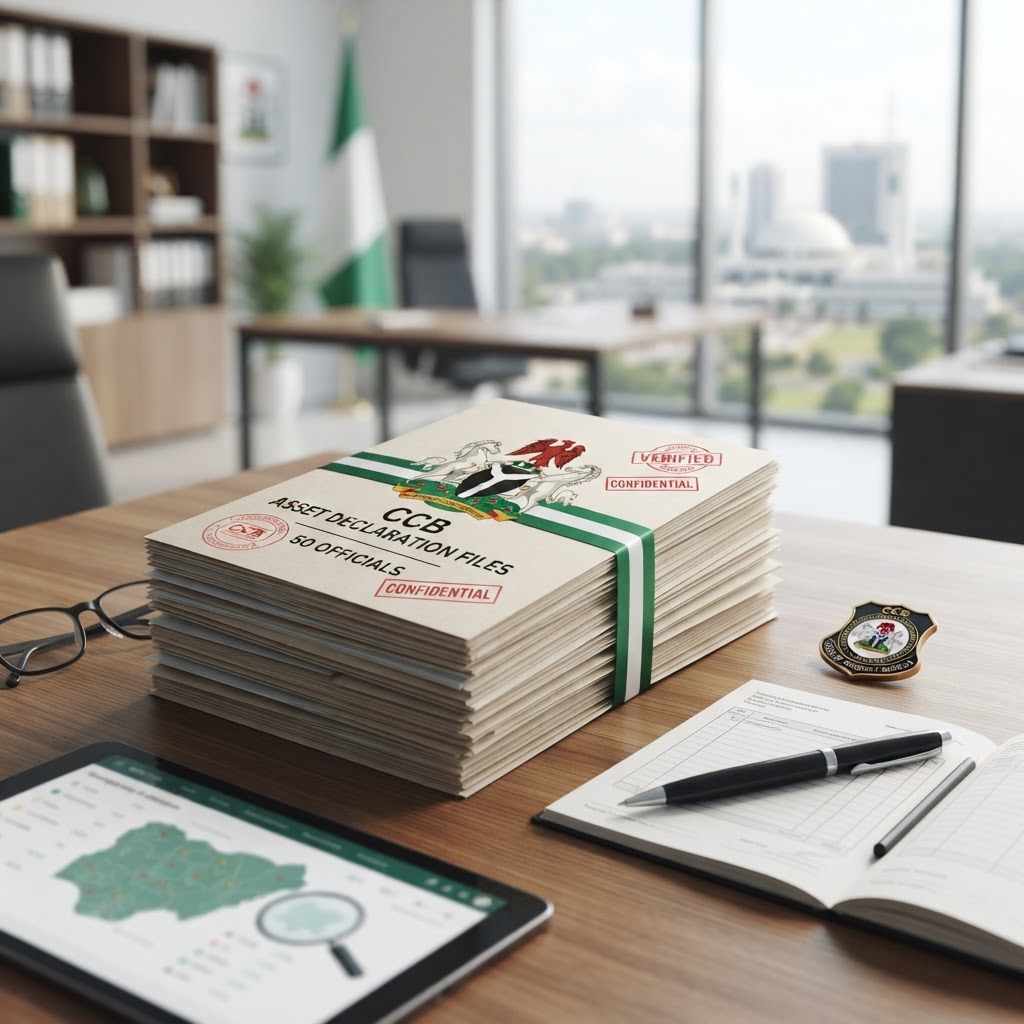
CCB Investigates Assets of 50 Top Nigerian Officials
A quiet compliance exercise inside a government agency rarely makes headlines, yet this one does. Nigerians are watching closely as the Code of Conduct Bureau digs into the Assets of the country's most powerful public servants, and the scrutiny is reshaping conversations about integrity in public of...

Owerri Hosts Interswitch TechConnect 6.0 Today
Nigeria's fintech landscape is entering a bold new phase of regional expansion. Owerri Hosts Interswitch TechConnect 6.0 Today, marking a historic milestone for South-East Nigeria's digital economy. This landmark gathering brings together innovators, policymakers, and entrepreneurs to reshape the na...

EFCC Declares Ex-Pension Boss Maina Wanted Again
The name Abdulrasheed Maina has resurfaced in Nigeria's anti-corruption headlines once again. In a fresh development that has caught public attention, EFCC Declares Ex-Pension Boss Maina Wanted Again, reigniting a saga that has spanned over a decade. For Nigerian families who depend on pension syste...

Strategic Wellness and Fiscal Growth for Nigerians
Achieving a state of total well-being requires more than just physical health or financial stability alone. For the modern Nigerian, success is a multi-dimensional pursuit that bridges the gap between traditional values and global opportunities. By integrating science-based natural health solutions ...

Imo Government to Support 100 More Communities
OKOBI is reshaping how everyday Imo residents build wealth from their own villages. The latest expansion, tagged OKOBI: 100 More Imo Communities Set to Receive Government Support, signals a new chapter in Governor Hope Uzodimma's push for grassroots prosperity. For Nigerian families and community le...
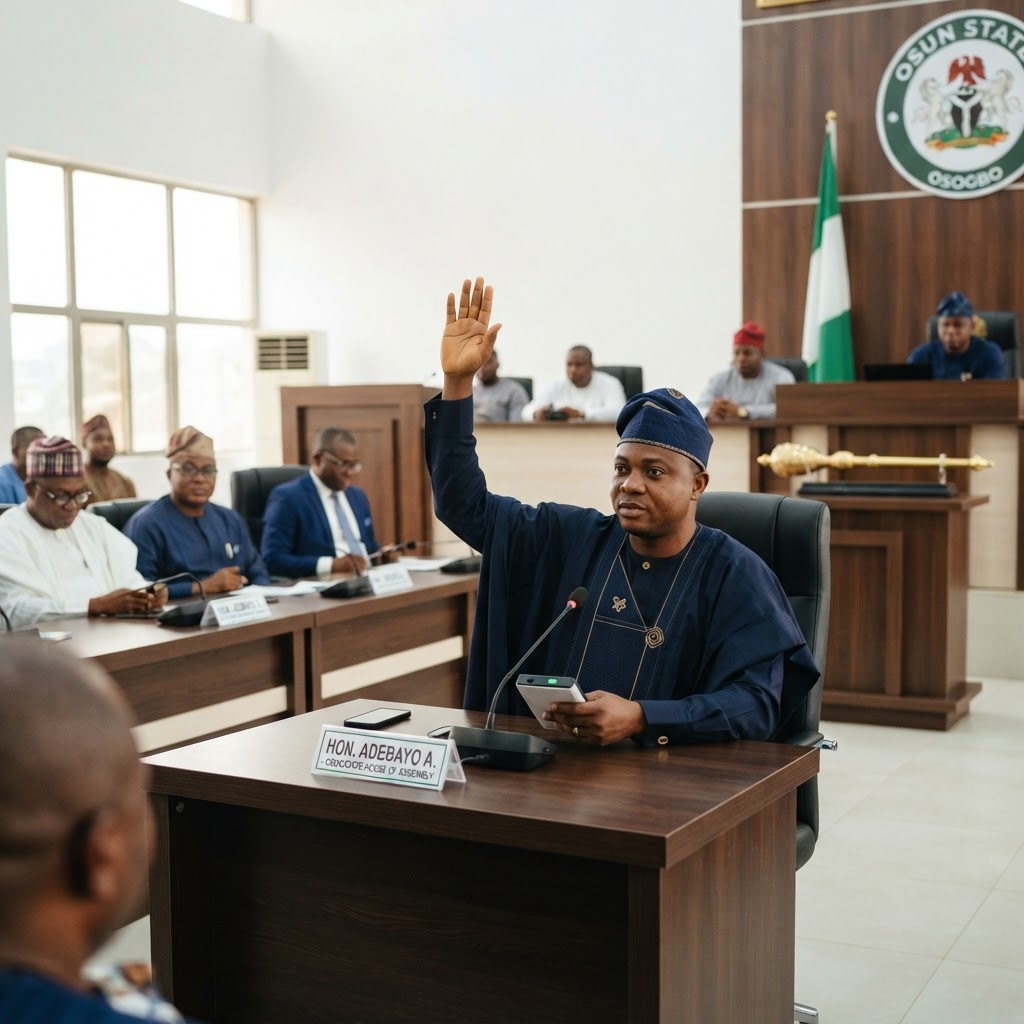
Osun Assembly Approves State Police Bill
The security conversation in Nigeria has taken a decisive turn. Lawmakers across the country are now voting on a reform that could reshape how communities are protected, starting from the grassroots. The Osun Assembly Approves State Police Bill, joining a growing list of states pushing for decentral...

Imo Approves Recruitment of 6,030 Teachers Across 27 LGAs
Imo State has taken a bold step toward transforming its public education system. Governor Hope Uzodimma has approved the recruitment of 6,030 teachers across the state's 27 Local Government Areas, a move many residents have awaited for years. This decision, widely reported by Vanguard(https://www.va...

CBN Cuts Interest Rate to 23%: Impact on Nigerians
Nigerians woke up to significant financial news this week. The Central Bank of Nigeria has made a bold move that could reshape household budgets and business plans alike. This shift, widely covered as CBN Cuts Interest Rate to 23% — What It Means for Nigerians and Businesses, deserves a closer look ...
Health and Wealth Creation for Nigerians: Empowerment Hub
In an increasingly complex global landscape, the pursuit of a fulfilling life necessitates a balanced approach to physical well-being, financial stability, and social connectivity. For Nigerians at home and in the diaspora, navigating these paths requires more than just effort; it requires access to...
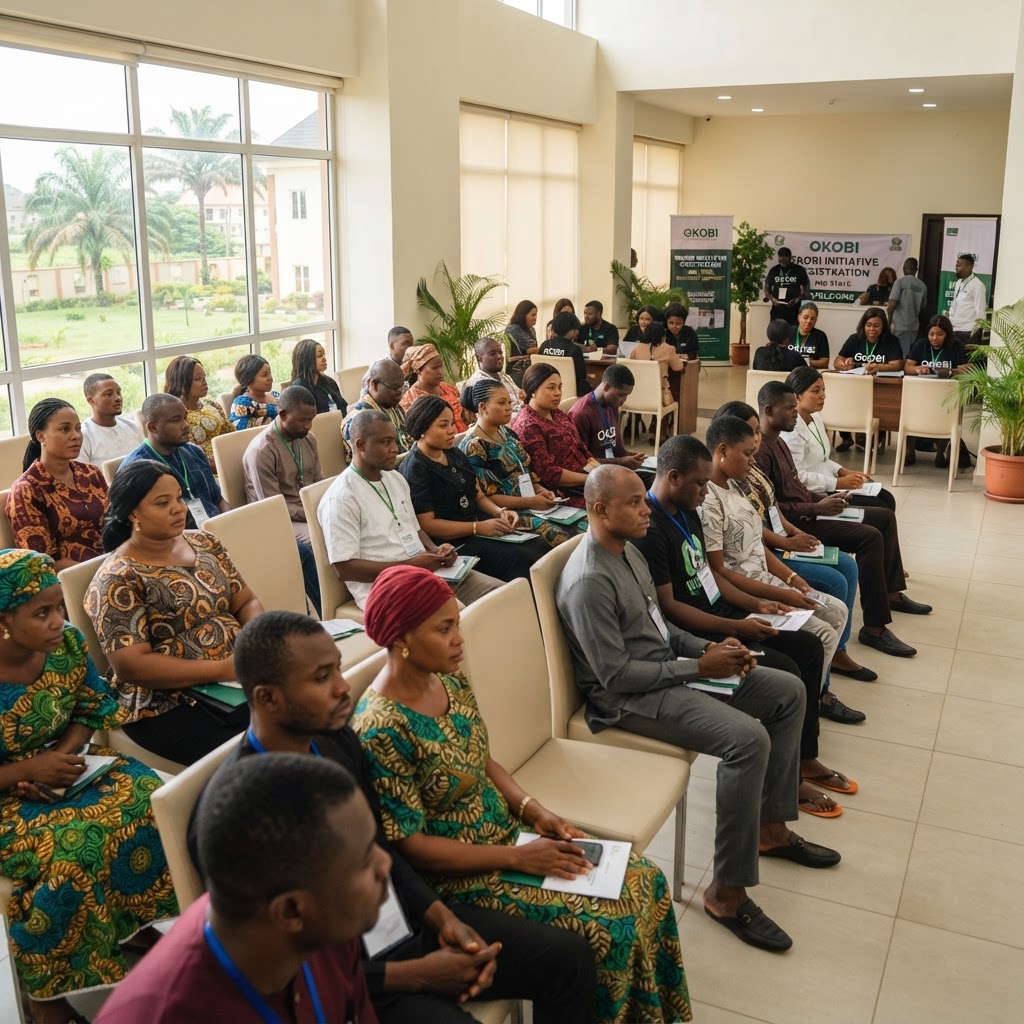
65 Imo Businesses Await OKOBI Initiative Registration
Imagine 65 kindred-owned businesses across Imo State, each waiting for one final document to unlock full legal status. That single step—Corporate Affairs Commission registration—now defines the next chapter in Imo's OKOBI Initiative: 65 Community Businesses Await CAC Registration. For families, entr...