Powered by Obi Mbieri Independent Media Ltd.
$1 = ₦1,353€1 = ₦1,486£1 = ₦1,775INEC releases final 2027 presidential candidate list
Nigeria's political calendar reached a defining milestone as the Independent National Electoral Commission (INEC) formally published the final list of cleared presidential candidates for the 2027 general elections. For millions of Nigerian families, community leaders, entrepreneurs, and diaspora cit...
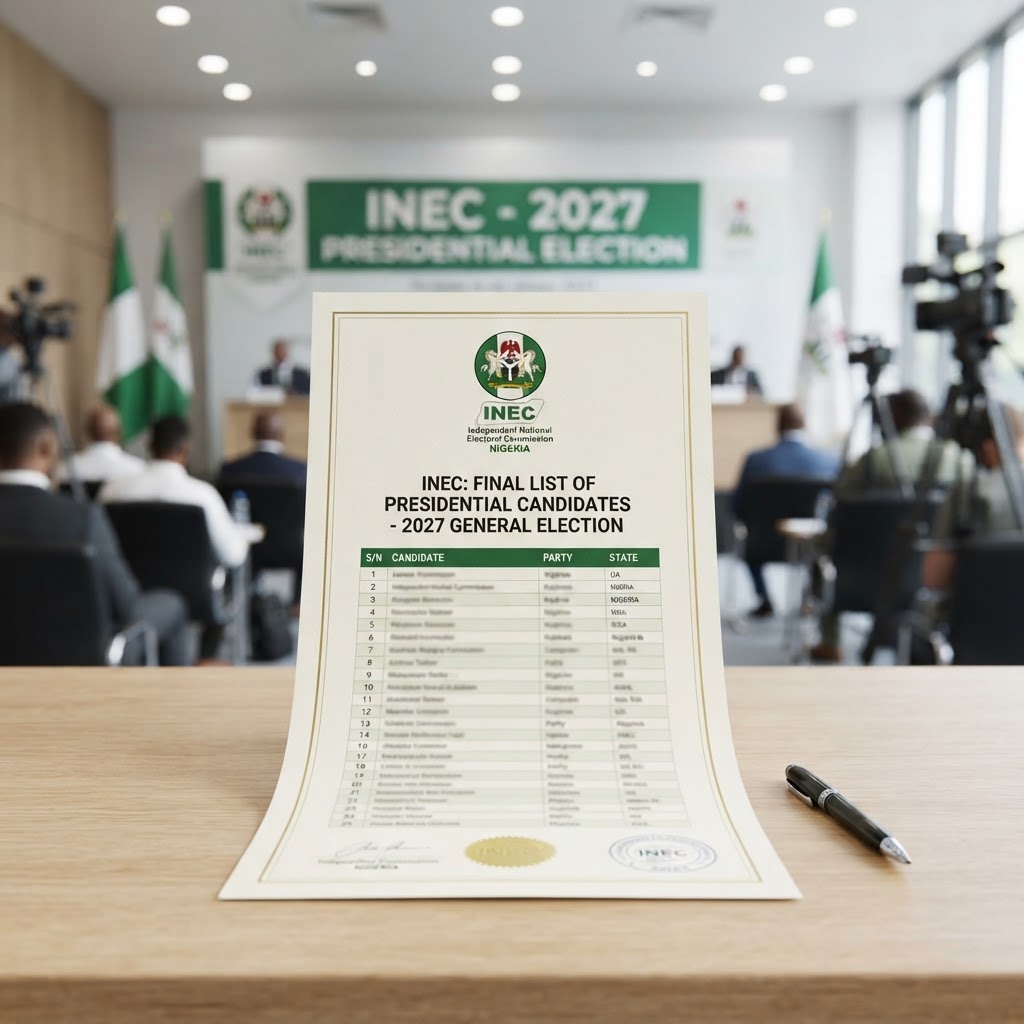
Nigeria's political calendar reached a defining milestone as the Independent National Electoral Commission (INEC) formally published the final list of cleared presidential candidates for the 2027 general elections. For millions of Nigerian families, community leaders, entrepreneurs, and diaspora citizens watching closely, this announcement marks the official beginning of one of the most consequential electoral contests in the country's democratic history. The list confirms 18 political parties fielding presidential flagbearers, featuring familiar faces and significant political realignments that will shape national discourse on governance, economy, and social welfare in the months ahead.
What Did INEC Announce About the 2027 Candidate List?
Official release, timing, and candidate breakdown
The Independent National Electoral Commission officially released its final 2027 presidential candidate list from its headquarters in Abuja, with the publication signed by Commission Secretary Rose Oriaran-Anthony. The announcement confirmed that 18 cleared political parties will be fielding presidential flagbearers ahead of the January 2027 general elections, satisfying the statutory requirements of the Electoral Act and providing the legal certainty the Nigerian electorate needs to begin serious civic engagement.
Of the 18 candidates cleared, 16 are male, representing 88.9% of the total field, while 2 are female, accounting for 11.1%. While this gender distribution reflects longstanding structural challenges within Nigerian political party recruitment, it has reignited conversations about women's representation in executive governance — a conversation that community stakeholders, youth professionals, and gender advocates are determined to sustain beyond campaign season.
The timing of the release is significant. By publishing the list well within the statutory deadlines prescribed by the Electoral Act, INEC has provided both domestic and international investors, as well as ordinary Nigerian households, with a degree of political visibility that is critical for planning. For everyday Nigerian families already contending with inflationary pressures and currency volatility, knowing who will be contesting — and on what platform — enables more informed economic and civic decision-making.
The publication also carries deeper societal weight. Nigeria's 2027 election arrives at a period of substantial national stress: rising food insecurity, sustained pressure on the naira, healthcare workforce depletion, and growing unemployment among youth professionals. The candidate list transforms abstract political speculation into a concrete arena of accountability, giving community groups, local organisations, and individual voters the foundation they need to assess competing visions for Nigeria's future.
Who Are the Major Candidates in the 2027 Race?
Key flagbearers, running mates, and realignments
The most prominent figure on the ballot is incumbent President Bola Ahmed Tinubu, who is seeking re-election on the platform of the All Progressives Congress (APC), running once again alongside Vice President Kashim Shettima. Tinubu's candidacy carries the weight of incumbency — both its advantages in state visibility and its liabilities in voter accountability over a full first term marked by painful but contested economic reforms, including the removal of the petrol subsidy and the unification of foreign exchange windows.
The opposition landscape has undergone dramatic reshaping. Former Vice President Atiku Abubakar, a perennial presidential contender, is not running under the Peoples Democratic Party (PDP) this cycle. Instead, Atiku has secured the ticket of the African Democratic Congress (ADC), pairing with former Transportation Minister Rotimi Amaechi as his running mate. This alliance is analytically significant: Amaechi's administrative experience in Rivers State and his federal ministerial tenure bring infrastructural credibility to a ticket that is positioning itself as a reformist alternative to both the APC establishment and the fragmented PDP.
Former Labour Party presidential candidate Peter Obi is contesting under the Nigerian Democratic Congress (NDC) platform, maintaining his appeal among urban youth professionals, students, and reform-minded middle-class Nigerians who powered his remarkable 2023 showing. Obi's rebranding onto a new platform raises questions about movement versus party loyalty, but his base of support remains analytically distinct from the traditional party machines.
Under the Form EC9 public disclosures required by INEC, candidates submitted certified credentials for public scrutiny. The field reflects diverse professional backgrounds: business administration, economics, law, and public policy. This breadth of professional formation matters because voters and community stakeholders can now cross-reference candidates' stated competencies against their actual policy proposals and track records. For diaspora Nigerians following the process remotely, these disclosures represent one of the most transparent layers of the Nigerian electoral process and deserve careful study ahead of January 2027.
How Will the 2027 Contest Impact Nigeria's Economy?
Electoral clarity, household wealth, and market certainty
One of the most practically important effects of INEC releasing the final 2027 presidential candidate list is the market certainty it creates. Political ambiguity is itself an economic risk. When investors — both local entrepreneurs and diaspora capital holders — cannot predict the electoral landscape, risk premiums rise, credit tightens, and household spending contracts. The official publication of the candidate list begins to dissolve that uncertainty, offering a clearer timeline for policy transition or continuity.
For middle-class Nigerian families and micro-entrepreneurs, the immediate economic risks remain real regardless of who wins: naira depreciation, imported food price volatility, and energy costs tied to subsidy and grid policy decisions. Households should treat the election period as a risk management window, not merely a civic event. Practical steps include diversifying income streams, reducing dependence on single-currency savings, and investing in local food production or cooperative purchasing arrangements to buffer against supply shocks.
The major candidates' fiscal positions diverge meaningfully. The Tinubu-Shettima ticket is anchored in the continuation of market-oriented reforms, private sector investment incentives, and infrastructure development projects already underway. Atiku's ADC platform has historically emphasised private sector liberalisation and anti-corruption frameworks, while Obi's NDC approach centres on fiscal discipline, reduced recurrent expenditure, and investment in productive sectors like agriculture and manufacturing.
Featured Products
Reverse Type 2 Diabetes & other associated Metabolic Issues using Dr. Jason Fung's Evidence-Based Approach— FMD program for Type 2 Diabetes
A practical fasting and fasting-mimicking programme built on Dr Jason Fung's insulin-resistance principles and ow-glycemic recipes.
₦19,950
Join NowChukwu Abiama Tee
Bold black-and-gold Igbo-pride T-shirt featuring 'Chukwu Abiama' in premium streetwear typography.
₦15,000
Buy NowỤmụ Igbo Tee
Classic black T-shirt with bold white 'Ụmụ Igbo' typography — a proud statement of Igbo heritage.
₦15,000
Buy NowNwanne Tee
Washed khaki vintage tee with a faded rust-orange 'Nwanne' stamp badge and palm leaf motif — a nod to kinship and heritage.
₦18,000
Buy NowObodo Tee
Faded denim-blue washed tee with a cream 'Obodo' stamp badge and sun motif, celebrating community roots.
₦18,000
Buy NowEkwe Heritage Tee
Deep indigo tee featuring a fine line-art illustration of a traditional Igbo ekwe drum, inspired by Igbo-Ukwu bronze artistry.
₦18,000
Buy NowIkenga Figure Tee
Forest green tee with a fine line-art illustration of a stylized Ikenga figure.
₦18,000
Buy NowFor diaspora Nigerians remitting capital home, the election cycle presents both risk and opportunity. Exchange rate volatility typically intensifies in the months preceding major elections. Structured remittance strategies — using regulated fintech channels, staggering transfers, and consulting with registered financial advisors familiar with Nigerian market dynamics — remain the most prudent approach. Local businesses should also review their supply chain exposure and, where possible, build short-term inventory buffers ahead of election season. Our Imo State Cost of Living Guide provides grounded, community-level analysis of managing economic pressure in real Nigerian household contexts.
What Do Candidate Manifestos Mean for Healthcare?
Public health funding, brain drain, and preventive care
No election analysis is complete without examining what the competing visions mean for Nigerian healthcare — a system under severe structural strain. The so-called "Japa" phenomenon, the mass emigration of Nigerian doctors, nurses, and allied health professionals to the United Kingdom, Canada, and other high-income countries, has hollowed out hospital capacity at every tier. For communities across the South-East, South-South, and other regions already underserved by primary healthcare infrastructure, this brain drain is not a statistics problem — it is a daily lived crisis.
Each of the major 2027 candidates has addressed healthcare to varying degrees. The critical policy levers voters should scrutinise include commitments to primary healthcare centre (PHC) revitalisation funding, the operational status of the National Health Insurance Authority (NHIA) under a new or continuing administration, and concrete retention strategies for the health workforce. Vague commitments to "improving healthcare" must be pressed into specifics: what percentage of the national budget will be allocated to health? Will community health extension workers receive structural pay reform?
The connection between governance and physical and mental health is direct and measurable. Citizens navigating high food prices, fuel costs, and housing insecurity experience compounded psychosocial stress — elevated rates of hypertension, anxiety disorders, and nutritional deficiency are documented consequences of economic hardship. At Eziokwubundu, our foundational perspective is that community health cannot be meaningfully separated from the quality of governance. Electing accountable leadership is itself a public health intervention.
Voters seeking to understand what improved healthcare access could look like at the community level can draw on our Imo State Healthcare Access Guide, which documents existing gaps and practical community-level responses that transcend electoral cycles.
How Can Communities Protect Voter Participation?
Grassroots mobilisation, transparency tools, and civic duty
The release of the final 2027 presidential candidate list does not complete INEC's obligation to Nigerian citizens — and it does not complete citizens' obligations to each other. For autonomous communities, traditional rulers, community development associations, and youth groups, the period between now and January 2027 is a critical operational window for grassroots civic mobilisation.
The first practical step is verification. Every eligible voter must confirm their Permanent Voter Card (PVC) status and their polling unit allocation. INEC's digital infrastructure provides the tools: the INEC Nigeria official portal hosts Continuous Voter Registration (CVR) information, the myINEC App enables PVC tracking and polling unit checks, and updated voter rolls can be reviewed through ward-level channels. Community leaders who take responsibility for ensuring their constituents are properly registered perform an irreplaceable democratic function.
Beyond registration, polling unit-level transparency is essential. INEC's IReV (INEC Result Viewing) portal, which enables the real-time upload of polling unit result sheets, was a landmark transparency innovation and must be actively monitored by citizen networks in 2027. Community organisations should identify and train polling unit agents and citizen observers well in advance, drawing on civil society networks and INEC's own accreditation processes for domestic observers.
Electoral apathy is a genuine threat, particularly among youth professionals disillusioned by previous cycles. Community leaders — including traditional rulers who command grassroots legitimacy — have a vital role in framing civic participation not as partisan activity but as collective self-determination. The African philosophical principle that individual wellbeing is inseparable from community flourishing applies directly here: a poorly conducted election impoverishes every household in its aftermath.
Understanding how community levies and local governance structures intersect with development outcomes can sharpen this civic awareness. Our article on Community Development Levies in Imo Explained illustrates how local accountability mechanisms connect to broader governance health. Meanwhile, transparency advocates will find value in reviewing our coverage of Auditor-General flags ₦124.12bn in contract and procurement irregularities, which underscores why electoral choices have direct fiscal consequences at every level of government.
Conclusion
The INEC release of the final 2027 presidential candidate list is not merely a bureaucratic milestone — it is the starting pistol for a national conversation that will determine Nigeria's economic trajectory, healthcare capacity, and community wellbeing for the next four years and beyond. With 18 parties fielding candidates, major opposition realignments underway, and a January 2027 election date on the horizon, every Nigerian family, entrepreneur, diaspora investor, and community leader has both a stake and a responsibility in what comes next.
At Eziokwubundu, our commitment is to equip readers — not just with information, but with the analytical frameworks and practical tools to turn that information into better decisions for their families and communities. Whether that means understanding a candidate's healthcare policy, protecting household savings during election-cycle volatility, or mobilising your ward for transparent voter participation, the path to a better Nigeria runs through informed, engaged, and community-rooted citizenship.
The list is out. Now the real work begins.
Stay Informed
Get New Articles in Your Inbox
Subscribe to receive the latest community development, health, and wealth insights from Eziokwubundu.
Newsletter
Practical insights on health, wealth, and community — delivered weekly.
Community Discussion(0)
Leave a Comment
More to Read
You May Also Like

Obi-Mbieri Mourns Engr. Vitalis Opara: Questions Emerge Over Community’s Silence
Engr. Vitalis Opara is identified as President General on the signature page of the Obi-Mbieri Autonomous Community Constitution 2020 as amended.
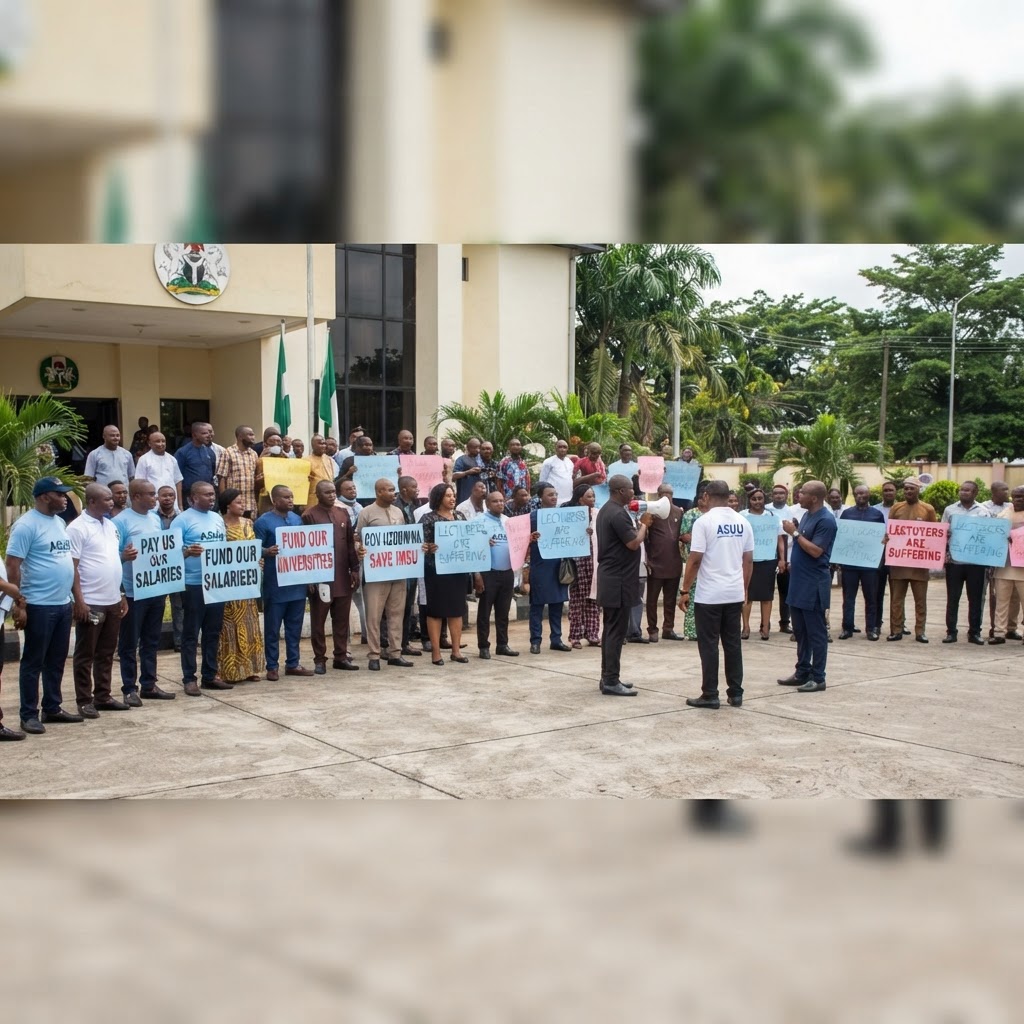
IMSU Lecturers Protest in Owerri, Appeal to Uzodimma to End
The streets of Owerri turned into a sea of white lab coats and placards this week. Hundreds of university lecturers walked out of their offices, choosing protest over silence. The IMSU Lecturers Protest in Owerri, Appeal to Uzodimma to End Months-Long Strike has become a defining moment for Imo Stat...

JAMB Candidates Can Now Change Course and Institution Online
Admission season often brings long queues and costly transport for Nigerian families. That burden has just eased. JAMB candidates can now change their institutions and courses from home, as the board announces a new digital correction service, giving students and parents fresh control over their aca...
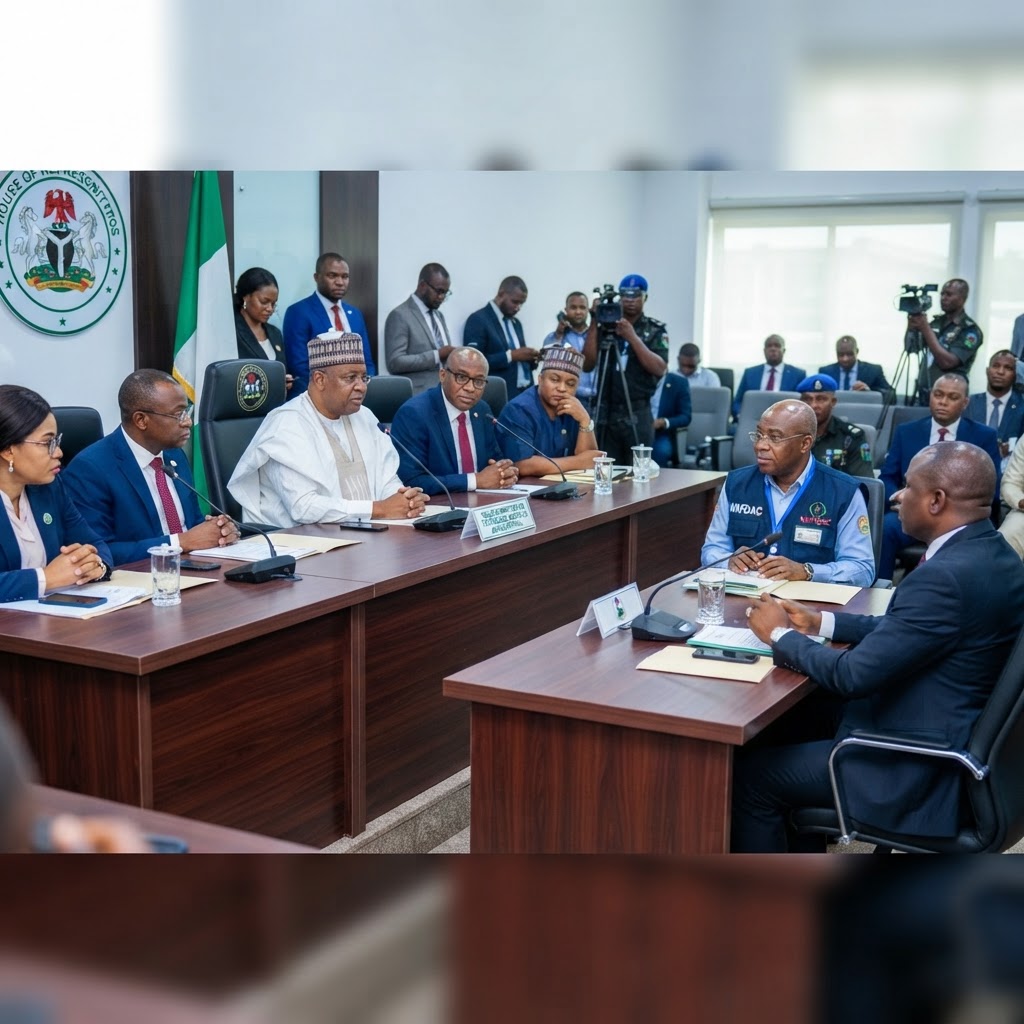
House Summons NAFDAC and DSS Over Fake Drug Deaths
Four people are dead, eleven more are fighting for their lives, and a federal lawmaker wants answers now. Fake Drug deaths linked to a suspicious herbal concoction have pushed the House of Representatives to move decisively, summoning NAFDAC and the DSS in a case that is no longer a distant headline...

Prevent Kidney Disease With Regular Health Checks
Kidney health rarely makes headlines until a crisis hits a family. Yet understanding Kidney Disease: Why Regular Health Checks Can Help Prevent Serious Complications can save lives, protect household income, and strengthen community wellbeing across Nigeria. Kidney Disease often develops quietly ove...

Budget-Friendly Healthy Meal Prepping for Nigerians
Modern Nigerian families face the dual pressure of rising food prices and the need for better health outcomes. Learning how Nigerian families can(/article/nigerian-family-guide-to-reversing-type-2-diabetes) use meal prepping with local ingredients to eat healthy on a tight budget is a vital skill fo...

Beyond Degrees: Bridging Nigeria's Digital Skills Gap
Nigeria's graduates are flooding the job market faster than employers can absorb them. Yet many arrive with certificates but no practical digital competence. This is the heart of Digital Skills and Youth Employment: Why Nigerian Graduates Need More Than University Certificates.—a gap that is reshapi...
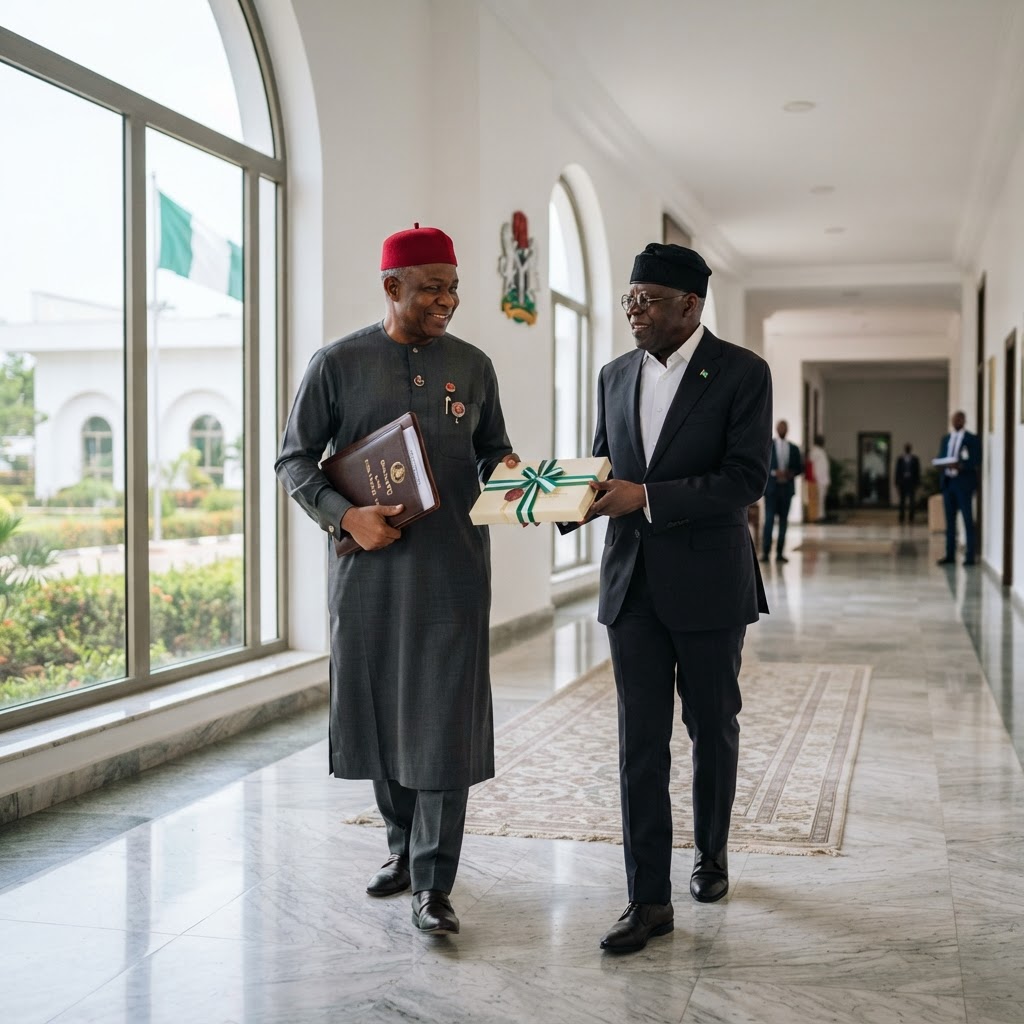
Senate Sends State Police Bill to Tinubu for Approval
Nigeria's security architecture is entering a new chapter. The headline development, State Police Bill: Senate Transmits Constitutional Amendment to Tinubu for Presidential Assent, signals a historic shift toward decentralized policing. For Nigerian families, entrepreneurs, and community leaders, th...
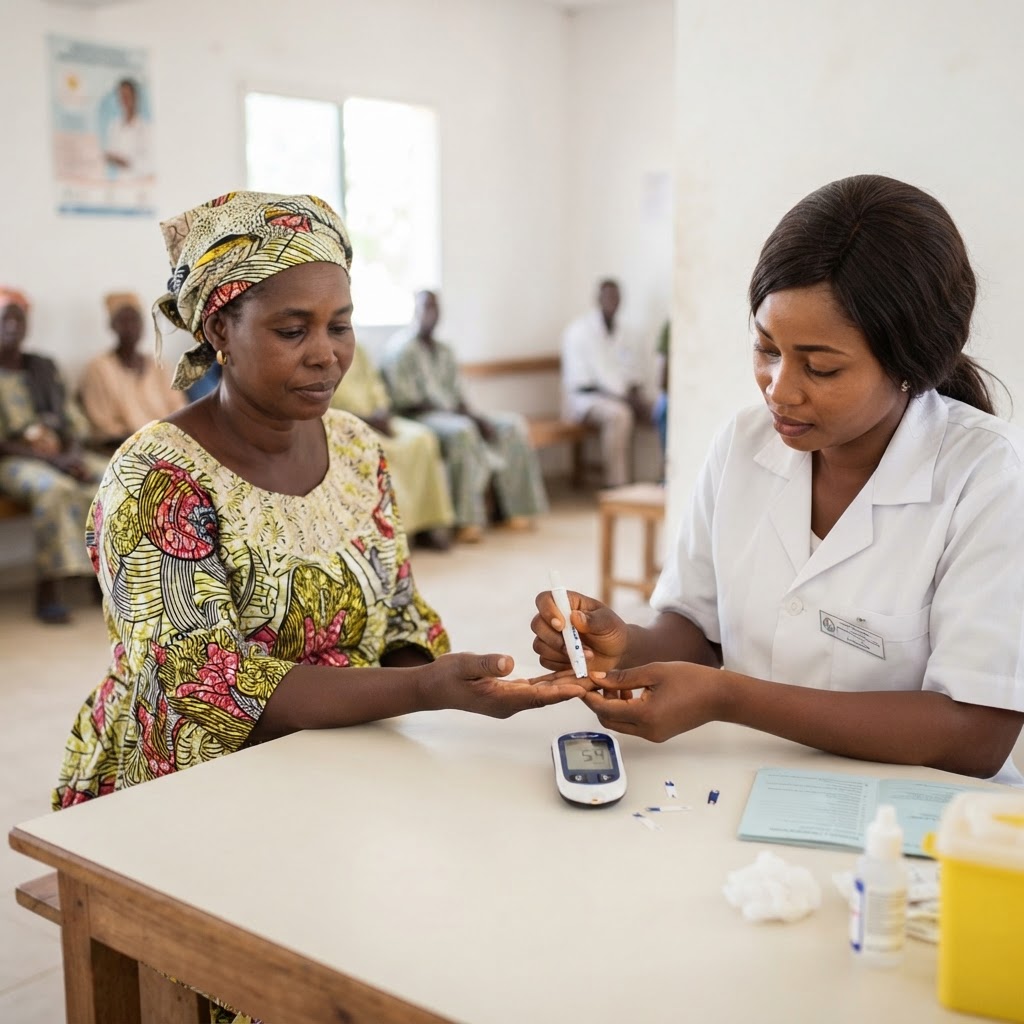
Diabetes in Africa: Why Routine Screening Is Vital
Imagine a disease that silently damages organs for years before anyone notices. That is the reality for millions living in Africa today. According to the latest report, Diabetes: Three Out of Four Africans Living With the Condition May Be Unaware – Why Screening Matters, and this gap in knowledge is...
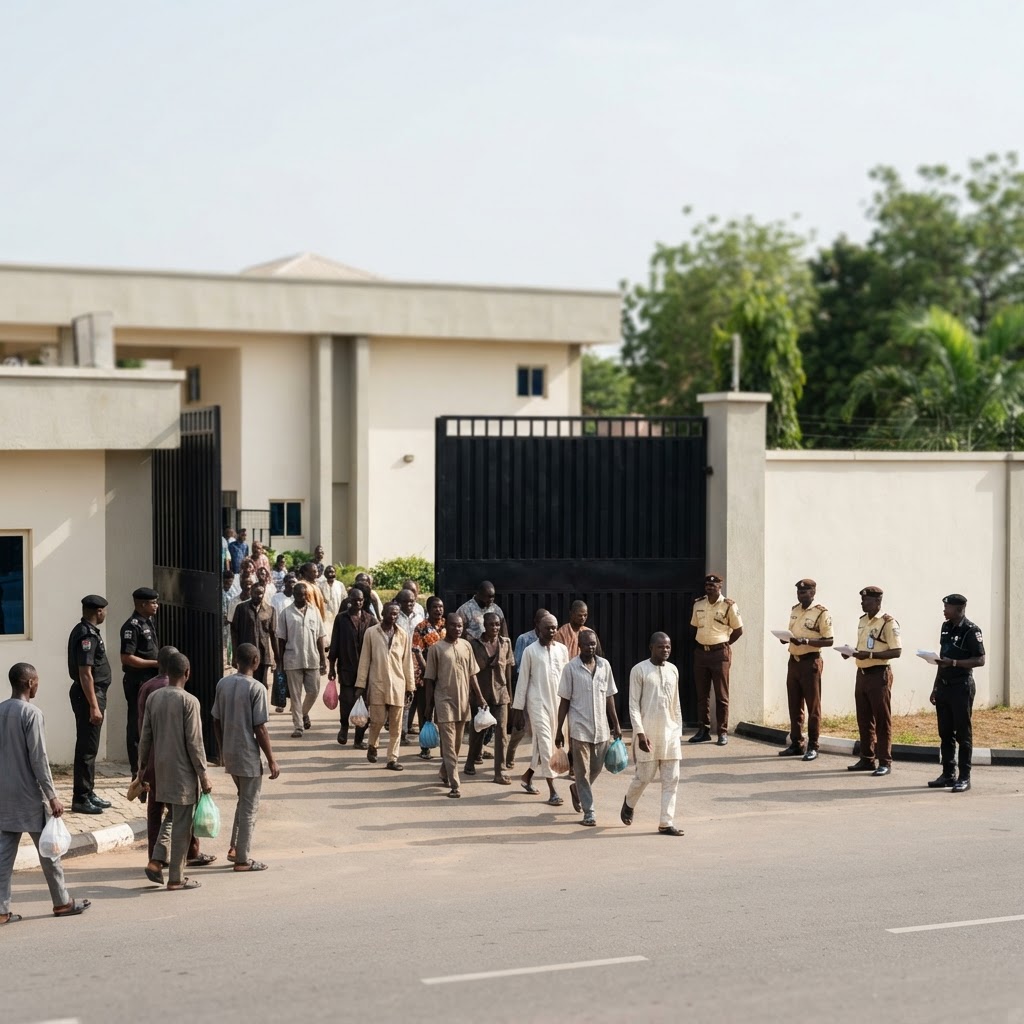
Tinubu Orders Release of 78 Suspects in Convoy Attack
A single Friday afternoon in Abuja turned into a national talking point. News that President Tinubu Orders Release of 78 Suspects Arrested Over Attack on His Convoy in Abuja quickly spread across radio, television, and social media. For many Nigerian families, the story raised fresh questions about ...