Powered by Obi Mbieri Independent Media Ltd · eziokwubundu.com
$1 = ₦1,328€1 = ₦1,521£1 = ₦1,773Imo's New Cancer Centre Is Open: A Breakthrough for Southeast Nigeria's Healthcare
For generations, a cancer diagnosis in Southeast Nigeria carried a devastating second burden beyond the illness itself: the near-certain knowledge that effective treatment would require travelling thousands of kilometres and spending hundreds of thousands of naira — or millions — to access care in I...
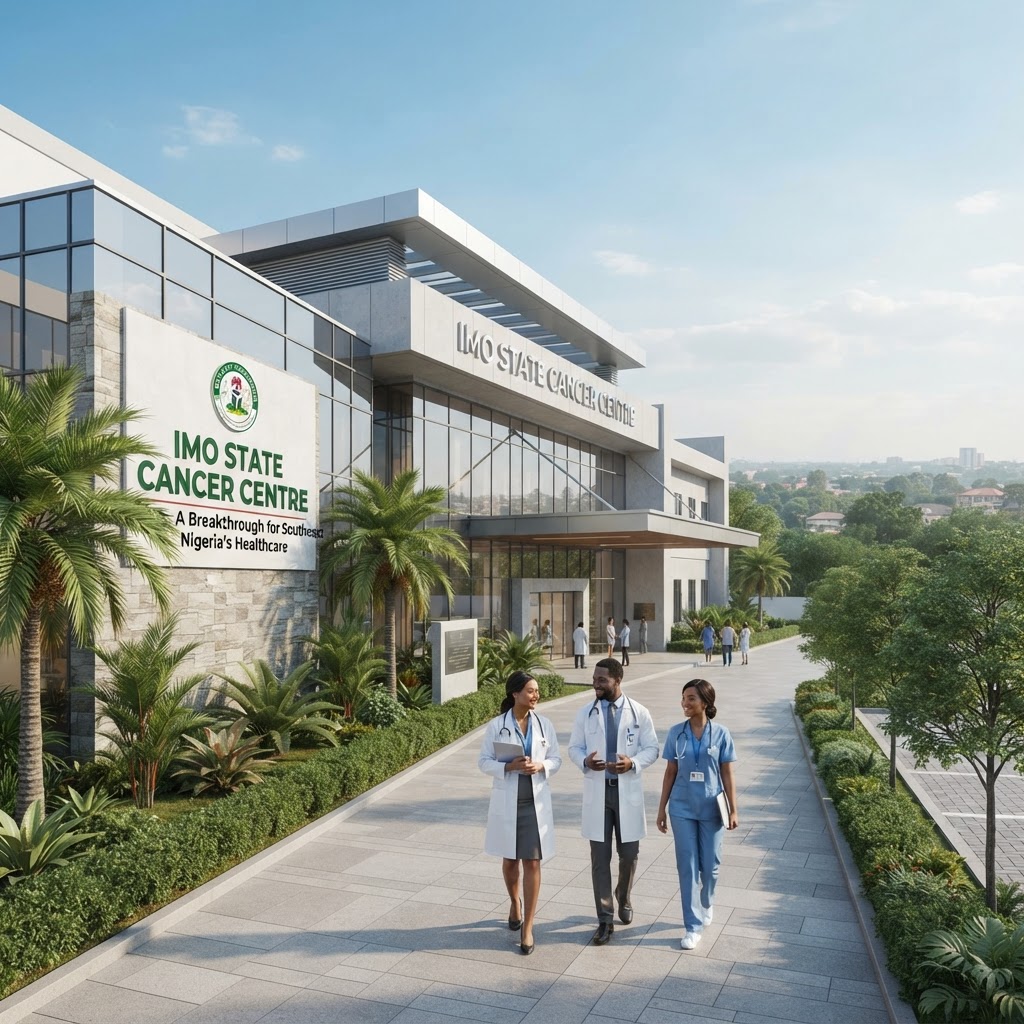
For generations, a cancer diagnosis in Southeast Nigeria carried a devastating second burden beyond the illness itself: the near-certain knowledge that effective treatment would require travelling thousands of kilometres and spending hundreds of thousands of naira — or millions — to access care in India, the United Kingdom, or the United States. That reality, long accepted as an uncomfortable fact of life, is now being challenged head-on. The opening of the Imo Robotics and Oncology Centre (IROC) at the reconstructed Imo Specialist Hospital Complex in Umuguma, Owerri West Local Government Area, represents the most significant shift in regional healthcare infrastructure in decades. This article breaks down what the centre offers, why it matters, and what it means for families, communities, and the broader economic health of Southeast Nigeria.
Why Is the IROC Opening a Historic Milestone?
Ending the Era of Medical Tourism for Southeast Nigerians
The burden of medical tourism on Nigerian families has been both financial and emotional. Families scrambling to raise funds for international hospital bills, visa applications, flights, and accommodation abroad have long faced a cruel arithmetic: save for treatment or watch a loved one go without it. For patients with prostate cancer, cervical cancer, or other complex urological conditions, the absence of advanced local care was not a policy inconvenience — it was often a death sentence disguised as a logistical problem.
The Imo Robotics and Oncology Centre, opened on August 21, 2026, represents a direct, infrastructure-backed answer to this decades-old gap. Situated within the newly reconstructed Imo Specialist Hospital Complex in Umuguma, the facility is the first of its kind in the entire South-East geopolitical zone of Nigeria. Its establishment signals that Southeast Nigeria is no longer content to export its sickest residents to foreign hospitals while local facilities stagnate.
At eziokwubundu.com, we describe this as the intersection of Traditional Values, Modern Progress — the idea that community investment in shared infrastructure is itself an act of collective prosperity. A healthier population is a wealthier, more productive population. The IROC is not merely a hospital wing; it is a statement that Southeast Nigerians deserve world-class care on home soil. As we have previously explored in our coverage of how Imo State's host communities navigate resource accountability, the region's development trajectory depends on institutions that serve the people directly.
What Happened During the First Robotic Surgery?
The Landmark Procedure Led by Professor Kingsley Ekwueme
On August 21, 2026, history was quietly made inside an operating theatre at the Imo Specialist Hospital Complex. A patient with localised prostate cancer — one of the most common cancers affecting Nigerian men above the age of 50 — became the first person in Southeast Nigeria to receive robotic-assisted surgical treatment. The operation was a success in every clinically meaningful sense: no surgical cuts, minimal blood loss, and zero nerve damage.
Leading the procedure was Professor Kingsley Ekwueme, a UK-based consultant robotic and laparoscopic surgeon and an indigene of Imo State. He was supported by a multidisciplinary international team drawn from the United Kingdom, the United States, and Belgium. The collaboration was not accidental — it was deliberately designed to merge the technical expertise of the diaspora with the institutional framework of the state, creating a model that could be replicated and sustained over time.
Professor Ekwueme's decision to lead this initiative in his home state speaks to a growing movement of diaspora professionals redirecting their skills back into the Nigerian healthcare ecosystem. Where previous generations of Nigerian medical talent trained abroad and stayed abroad, the IROC model demonstrates a different possibility: expertise earned internationally, applied locally.
Speaking to journalists after the procedure, Professor Ekwueme confirmed that the operation was carried out with a precision that traditional open surgery simply cannot match. For the patient — a resident of Imo State who might otherwise have faced the ordeal of travelling abroad or accepting a lower standard of care — the result was not just a successful surgery. It was restoration of dignity and access.
The human dimension of this milestone matters enormously. For Nigerian families, a loved one's cancer diagnosis is terrifying enough without the additional weight of logistical and financial impossibility. The IROC's first successful procedure proves that the alternative now exists within reach. For more on healthcare challenges facing Nigerian communities, see our article on rising kidney failure among young Nigerians, which underscores why building local specialist capacity is non-negotiable.
How Does Robotic Technology Improve Cancer Surgery Outcomes?
The Science of Precision: Magnification and Minimally Invasive Care
Robotic-assisted surgery, particularly using advanced systems like the Toumai robotic surgical platform, fundamentally changes what is possible in the operating theatre. At its core, the technology enables surgeons to work with a level of precision that the human hand, unaided, cannot consistently achieve. The system can magnify surgical tissue up to ten times normal size — transforming the visibility of delicate anatomical structures to an extent that Professor Ekwueme described as seeing "a grain of sand like a rock."
This magnification is not cosmetic. In prostate cancer surgery, the proximity of the prostate gland to the nerves controlling urinary function and sexual function means that even small errors during conventional open surgery can result in permanent incontinence or sexual dysfunction. These are not rare complications; they are well-documented long-term consequences that significantly diminish patients' quality of life following traditional prostatectomy procedures. According to peer-reviewed data published in journals such as the European Urology journal, robotic-assisted radical prostatectomy is associated with significantly lower rates of urinary incontinence and erectile dysfunction compared to open surgical approaches.
Beyond magnification, robotic platforms incorporate built-in safety checks and AI-assisted stabilisation that filter out minor involuntary hand tremors — a constant variable in any human surgeon's performance, however skilled. The result is a procedure that is simultaneously more precise and more forgiving of the physiological limits of the operator.
For patients, the practical advantages translate directly into faster recovery times, shorter hospital stays, lower rates of post-operative infection, and a quicker return to normal function. Where a traditional open surgery might require a patient to remain hospitalised for five to seven days, robotic-assisted procedures typically enable discharge within 24 to 48 hours in well-resourced settings. For Nigerian families managing lost income during a breadwinner's recovery, this distinction is not trivial — it is economically significant. The World Health Organization's guidance on cancer surgery consistently identifies minimally invasive techniques as a priority for improving outcomes in low-and-middle-income countries.
What Facilities Are Available at the New Imo Specialist Hospital?
Beyond Surgery: A Comprehensive Cancer Care Infrastructure
The IROC is not a standalone surgical suite bolted onto an otherwise under-resourced hospital. It is the centrepiece of a significantly expanded and reconstructed Imo Specialist Hospital Complex that has been equipped with the full range of infrastructure required for modern, comprehensive cancer care.
Featured Products
Chukwu Abiama Tee
Bold black-and-gold Igbo-pride T-shirt featuring 'Chukwu Abiama' in premium streetwear typography.
₦15,000
Buy NowReverse Type 2 Diabetes & other associated Metabolic Issues using Dr. Jason Fung's Evidence-Based Approach— FMD program for Type 2 Diabetes
A practical fasting and fasting-mimicking programme built on Dr Jason Fung's insulin-resistance principles and ow-glycemic recipes.
₦19,950
Join NowỤmụ Igbo Tee
Classic black T-shirt with bold white 'Ụmụ Igbo' typography — a proud statement of Igbo heritage.
₦15,000
Buy NowNwanne Tee
Washed khaki vintage tee with a faded rust-orange 'Nwanne' stamp badge and palm leaf motif — a nod to kinship and heritage.
₦18,000
Buy NowObodo Tee
Faded denim-blue washed tee with a cream 'Obodo' stamp badge and sun motif, celebrating community roots.
₦18,000
Buy NowEkwe Heritage Tee
Deep indigo tee featuring a fine line-art illustration of a traditional Igbo ekwe drum, inspired by Igbo-Ukwu bronze artistry.
₦18,000
Buy NowIkenga Figure Tee
Forest green tee with a fine line-art illustration of a stylized Ikenga figure.
₦18,000
Buy NowThe diagnostic capabilities now available include MRI scanning, CT scanning, mammography, and X-ray services — a suite that enables clinicians to detect, stage, and monitor cancers at various points of the treatment journey. Early detection through these tools is, in most oncological contexts, the single most important determinant of survival outcomes. A cancer caught at Stage 1 or Stage 2 is almost always more treatable than one diagnosed at Stage 4, yet for years, the absence of reliable imaging infrastructure in the South-East meant that patients routinely presented late.
The complex also features expanded Intensive Care Units (ICUs), modern surgical theatres, and a dedicated neonatal care unit — recognising that healthcare investment must span the full spectrum of life, from birth to complex adult illness. The oncology department provides not just surgery but the full pathway of care: diagnosis, treatment planning, active treatment, and long-term follow-up.
Perhaps most practically significant for Nigeria's context are two infrastructure innovations that address the two most chronic operational failures of Nigerian public hospitals: an internal medical oxygen production and distribution system, and a hybrid power solution designed to sustain uninterrupted operations regardless of grid reliability. Power outages during surgery and oxygen shortages mid-procedure are not theoretical risks in Nigerian hospitals — they are documented causes of preventable patient deaths. The IROC's design directly addresses both. These investments position the facility, in Governor Uzodimma's own framing, as a potential hub for inbound medical tourism from neighbouring states and West African nations.
How Does This Centre Help Families Save on Medical Costs?
The Economic Impact of the PPP Model
The financial architecture underpinning the IROC is as significant as its clinical infrastructure. The centre was established through a Public-Private Partnership (PPP) between the Imo State Government and Professor Ekwueme's specialist team — the first PPP-driven initiative of this kind in the South-East. This model matters because it distributes both the financial risk and the operational responsibility between government and private expertise, reducing the likelihood of the institutional decay that has historically undermined public hospital investments in Nigeria.
From a household economics perspective, the implications are substantial. A Nigerian family seeking robotic prostate cancer surgery abroad would typically face costs that include international flights (₦800,000 to ₦2,000,000 return), visa fees, extended accommodation abroad, and foreign hospital premiums that can run to tens of thousands of US dollars. Conservative estimates place the total cost of medical travel to India for prostate cancer surgery at between $8,000 and $15,000 — a figure entirely out of reach for the majority of Nigerian middle-class families. Local access to equivalent care, even at premium pricing, eliminates the largest components of that expense.
Beyond household savings, the IROC's presence stimulates the local Owerri West economy through job creation across medical, technical, administrative, and support roles. As patients from neighbouring Anambra, Rivers, and Abia states travel to Owerri for treatment, hospitality, transport, and ancillary services benefit as well. Governor Hope Uzodimma has framed this explicitly as a strategy to reverse the flow of healthcare expenditure — keeping money that previously left Nigeria circulating within the regional economy. This aligns with the broader conversation about how Imo's institutions can generate economic value, a theme we explore in our guide to how to start a business in Imo State.
Can Ordinary Residents Access These Advanced Treatments?
Bridging High-Tech Medicine and Community Affordability
Advanced technology is only a genuine breakthrough if it is accessible to ordinary people — not just to those who can pay out-of-pocket at premium rates. This is the critical question that will determine whether the IROC's promise translates into measurable community health outcomes over the next decade.
The Imo State Government has committed to integrating IROC services into the Imo State Health Insurance Scheme, which is designed to make specialist treatment, including robotic surgery and oncology services, available to enrolled residents at reduced cost. For middle-class and low-income families, enrolment in the state health scheme is therefore not an optional administrative exercise — it is an urgent financial and health preparedness decision.
Local practitioner Dr Amadi Philip has emphasised that residents experiencing prostate symptoms, urinary changes, or other warning signs should now seek evaluation within the state rather than deferring care due to cost or distance concerns. The availability of diagnostic imaging at the Imo Specialist Hospital Complex means that early-stage detection is now a realistic option locally — and early detection is where the insurance model pays its greatest dividends.
The actionable guidance for residents is straightforward: enrol in the Imo State Health Insurance Scheme, attend routine screenings, and do not delay care while waiting for symptoms to worsen. The National Health Insurance Authority of Nigeria provides guidance on how state schemes interact with the national framework for those seeking to understand their coverage options fully. A Community-First approach to healthcare means that the centre's success depends on the community choosing to use it — and advocating for its continued funding and improvement.
What Does This Mean for Healthcare in Southeast Nigeria's Future?
Building a Sustainable Ecosystem for Modern Progress
Governor Uzodimma described the successful first operation as "merely the beginning" of Imo State's journey toward becoming a premier destination for specialised medical care in Nigeria. Future plans reportedly include the development of a heart transplant centre and additional specialist departments that would further reduce the range of conditions requiring international referral. If realised, these ambitions would position Imo State not merely as a regional healthcare provider but as a national and West African medical hub.
Sustainability, however, will depend on more than infrastructure. The most urgent medium-term challenge is the training of local Nigerian medical personnel in advanced robotic surgical techniques. International teams cannot be the permanent operational backbone of the IROC; the long-term value of the investment requires that Imo-trained surgeons and technicians master these systems and teach others. Healthcare leaders such as Dr Elebute-Odunsi have consistently argued that the Nigerian healthcare narrative must shift from institutional mistrust to confidence in homegrown excellence — a shift that only becomes credible when local practitioners are empowered to deliver excellent results consistently.
For community stakeholders, the message is clear: use local institutions, advocate for their improvement, and hold government accountable for sustaining the investment that has been made. The IROC is a foundation, not a finished building. Whether it fulfils its potential will depend on the engagement of the communities it serves — patients who choose local treatment over foreign alternatives, families who enrol in health insurance before they need it, and leaders who champion continued investment.
As Imo State's governance continues to evolve, the institutions built during this period will outlast any single administration. The Imo Robotics and Oncology Centre, if properly sustained, represents the most durable kind of legacy: one that saves lives. For Southeast Nigeria, August 21, 2026, is the date the region stopped waiting for the world to serve it — and began serving itself. Learn more about cancer prevention, early detection, and African healthcare trends at eziokwubundu.com.
Have you or someone you know needed specialist cancer treatment in Nigeria? Share your experience in the comments below — your story could help other readers navigate their own healthcare journey and find the care they need closer to home.
Stay Informed
Get New Articles in Your Inbox
Subscribe to receive the latest community development, health, and wealth insights from Eziokwubundu.
Newsletter
Practical insights on health, wealth, and community — delivered weekly.
Community Discussion(0)
Leave a Comment
More to Read
You May Also Like
5 Signs Your Blood Pressure May Be Too High
Imagine feeling completely fine while your arteries are quietly under siege. That is the reality for millions of Nigerians living with undiagnosed hypertension. Recognizing 5 Signs Your Blood Pressure May Be Too High could be the difference between early intervention and a medical emergency. Underst...
Can Insulin Help You Lose Weight? Risks and Medical Facts
Insulin often gets blamed for weight struggles among Nigerian families managing diabetes. But the science is more nuanced than blind blame suggests. This article, Can Insulin Help You Lose Weight? Risks and Medical Facts, examines what research actually shows. It looks at this essential hormone and ...
Apply Now: $10,000 African AI Drug Discovery Fellowships
AI is no longer a distant Silicon Valley dream — it is now shaping how Africa fights disease. That is why the Apply Now: $10,000 African AI Drug Discovery Fellowships program deserves attention from every Nigerian family, student, and entrepreneur who cares about the future of healthcare on this con...

Fermented Nigerian Foods That Heal Your Gut
Your grandmother never called it a probiotic — but she knew exactly what she was doing when she prepared a warm bowl of akamu for a sick child or served ugba at a family gathering. Fermented Nigerian foods have sustained communities for centuries, and modern nutrition science is now confirming what ...

Ondo Alcohol Deaths: What Is Methanol and How Can Nigerians Avoid Poisoning?
The deaths in Ondo State have sent shockwaves across Nigeria. At least 48 people lost their lives after consuming what appeared to be ordinary local alcoholic drinks. Hundreds more were hospitalised, some permanently blinded, others left fighting for their organs. The National Agency for Food and Dr...
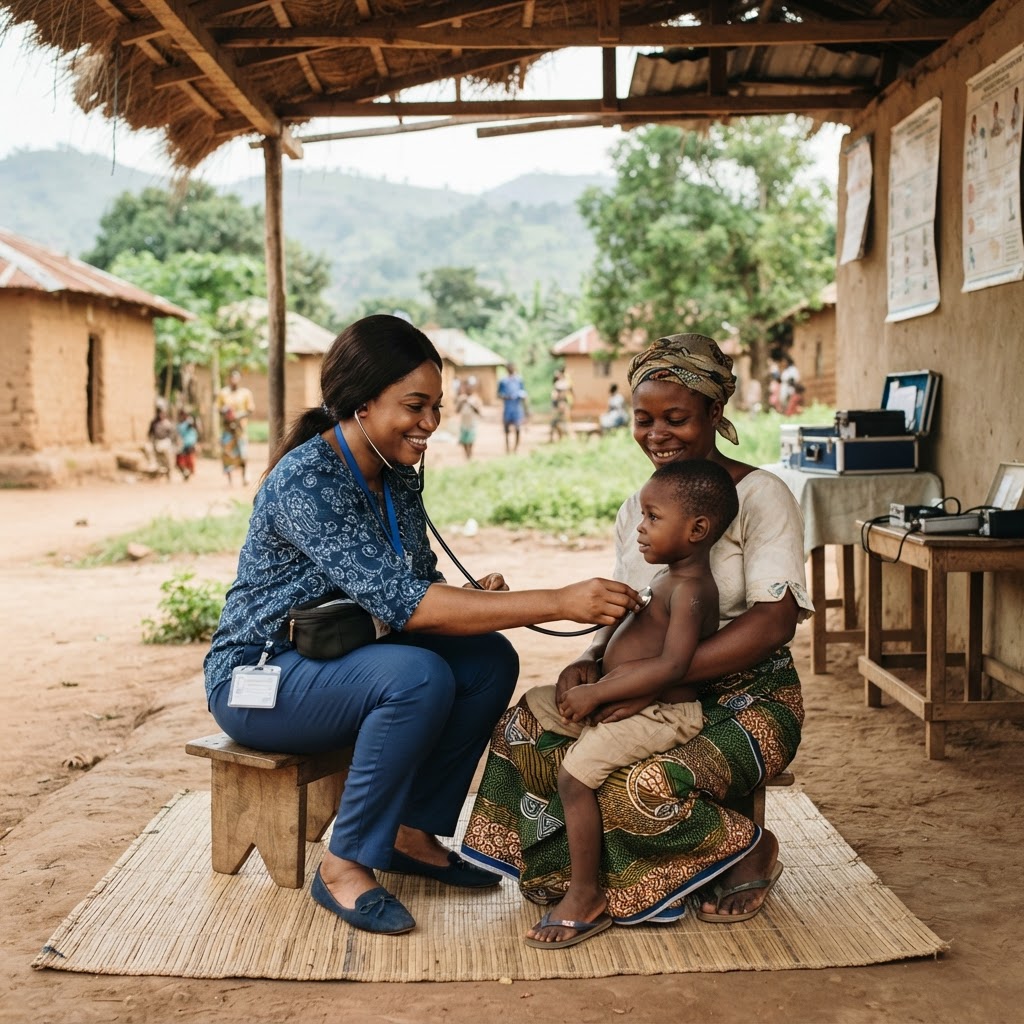
Affordable healthcare options for rural Nigerians
Access to quality medical care remains one of the most pressing challenges facing millions of Nigerians living outside major cities. For rural families, a single illness can mean a long journey to the nearest clinic, an unaffordable hospital bill, or worse — no treatment at all. Understanding and ac...

Unapproved Orphanages in Nigeria: How Safe Are Children in Private Care Homes?
Across Nigeria, thousands of children live in private care homes that operate outside the law. Some are run by well-meaning individuals overwhelmed by the scale of child poverty. Others are driven by profit, exploiting the image of vulnerable children to attract foreign donations while providing sub...

Imo State Farmers’ Market Price Guide
Every trip to Eke Ukwu Owerri or any neighbourhood market in Imo State has become a quiet economic reckoning. Families that once budgeted confidently for monthly groceries now find that the same naira stretches considerably less than it did a year ago. This Imo State Farmers' Market Price Guide is d...
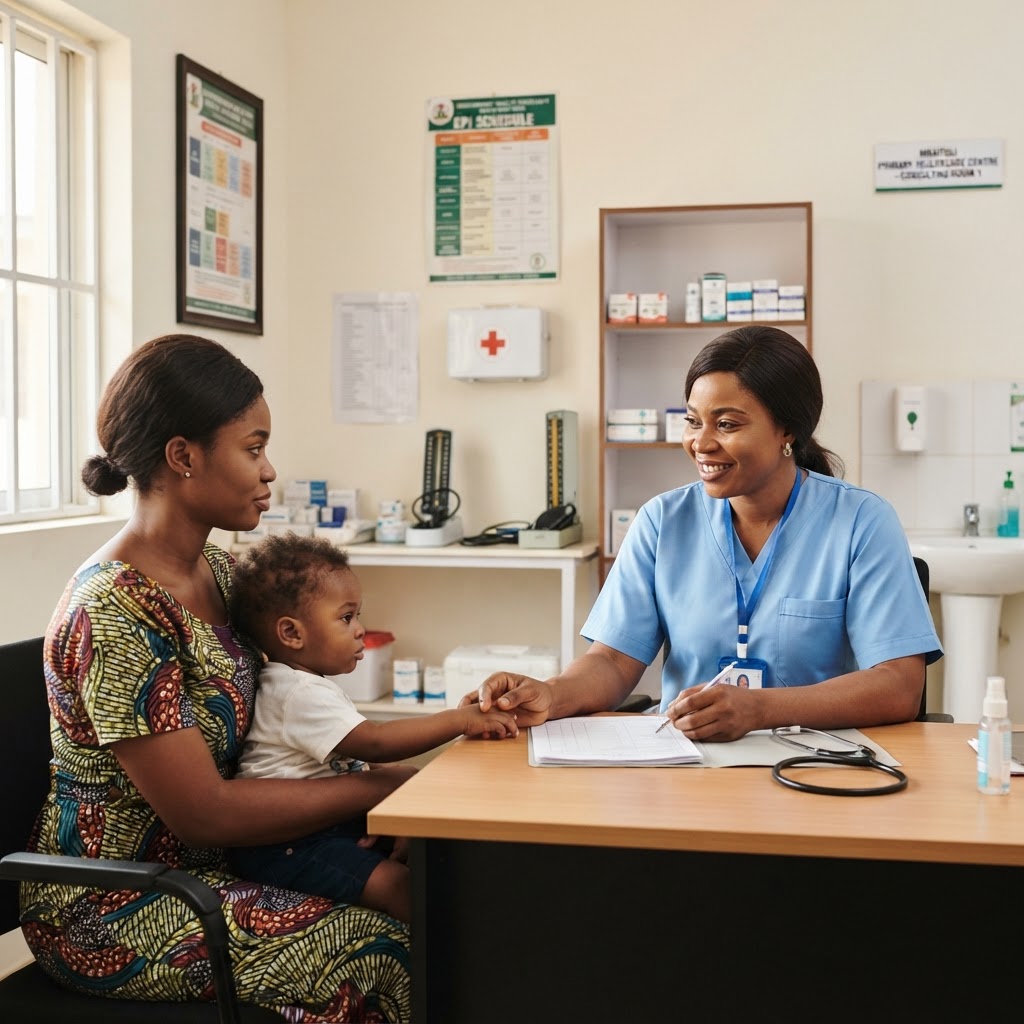
Mbaitoli’s Primary Healthcare Centres: Are They Properly Staffed?
Why Does Staffing in Mbaitoli's PHCs Matter? At eziokwubundu.com, we believe that health, wealth, and community are inseparable pillars of lasting prosperity. Nowhere is this triangle more visibly tested than in Mbaitoli Local Government Area, one of Imo State's most densely populated LGAs, where th...
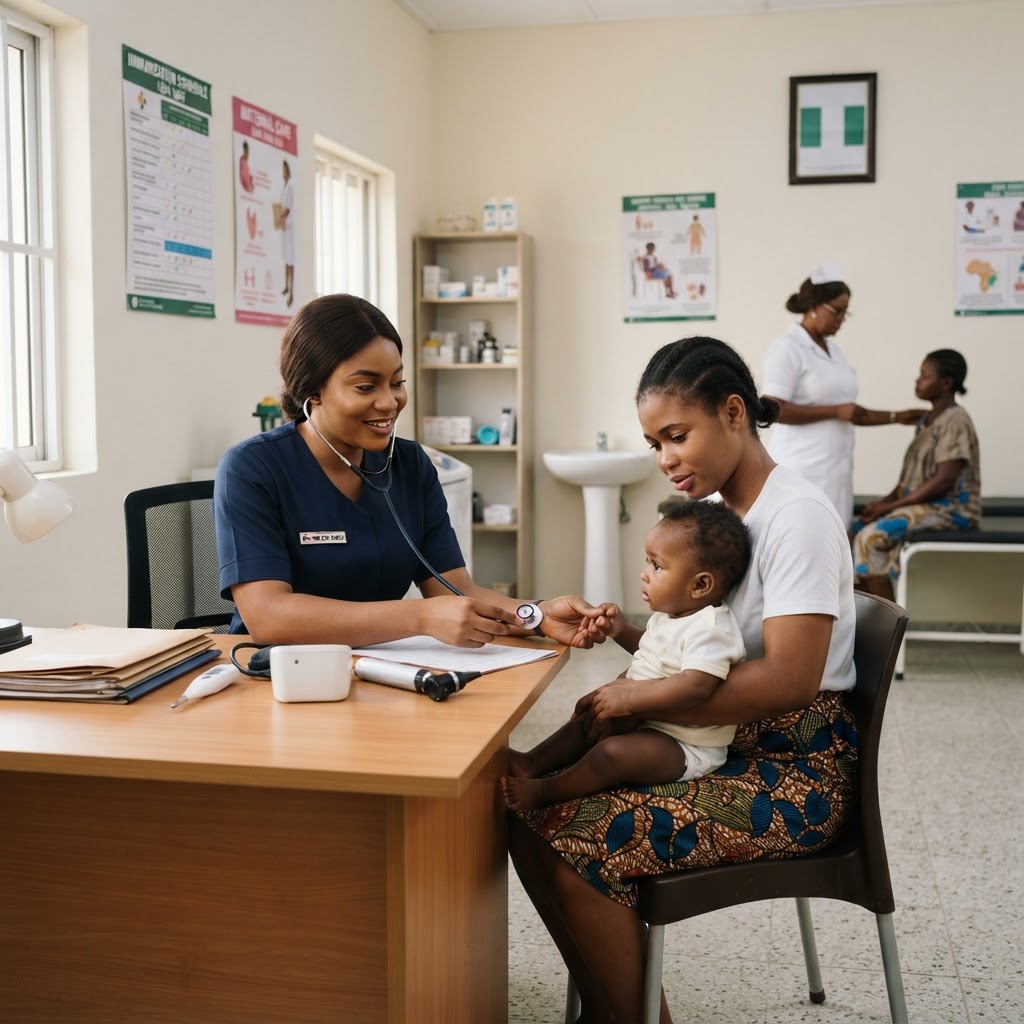
Only 3% of PHCs Meet Staffing Standards: What Is the Situation in Imo?
Nigeria's primary healthcare system is facing a quiet catastrophe. Across the country, thousands of Primary Healthcare Centres (PHCs) stand as hollow structures — buildings without sufficient doctors, midwives, or community health workers to serve the millions of Nigerians who depend on them. A rece...