Powered by Obi Mbieri Independent Media Ltd · eziokwubundu.com
$1 = ₦1,331€1 = ₦1,498£1 = ₦1,762Imo 2027: Why the Race to Succeed Uzodimma Is Already Heating Up
Imo State is nearly two years away from its next governorship election, yet the political temperature in the state is already approaching boiling point. Strategy sessions are being held behind closed doors, alliances are being tested across the three senatorial zones, and names are being floated in ...

Imo State is nearly two years away from its next governorship election, yet the political temperature in the state is already approaching boiling point. Strategy sessions are being held behind closed doors, alliances are being tested across the three senatorial zones, and names are being floated in Owerri drawing rooms with the urgency of an election just months away. For a state that has never successfully managed a peaceful, internally negotiated succession since returning to democratic governance in 1999, the Imo 2027 race is not merely a contest for Douglas House — it is a defining referendum on the state's political maturity, its economic direction, and its capacity to deliver on the promise of representative governance.
This explainer unpacks the forces driving the early momentum, profiles the political blocs jostling for position, and outlines what every Imo voter — at home and in the diaspora — should be watching carefully over the next eighteen months.
Why is the 2027 race starting so early?
The end of the Uzodimma era and the quest for political continuity.
The early mobilisation is not accidental. It is a structural response to a historic pattern that political analysts have begun calling the "27-year jinx" — the uncomfortable reality that no sitting governor in Imo State since 1999 has successfully installed a hand-picked successor. From Achike Udenwa to Ikedi Ohakim to Rochas Okorocha to Emeka Ihedioha and now Hope Uzodimma, each administration has ended without a clean transfer of political capital to a chosen heir. As Vanguard reported, the APC faces an unprecedented test of its organisational discipline in breaking this cycle.
Compounding the pressure is the widely discussed possibility that Governor Uzodimma may seek election to the Senate for the Imo West (Orlu) district at the end of his current term. According to reporting by Imo Trumpeta, this trajectory has triggered early succession planning within his inner circle, with various loyalists already repositioning to capture the governor's implicit endorsement.
Meanwhile, the opposition is not waiting. The Peoples Democratic Party's National Secretary, Samuel Anyanwu, has declared publicly — and without ambiguity — that it is his "turn to govern Imo," according to The Guardian Nigeria. That kind of early, high-profile declaration forces other camps to mobilise now rather than later, effectively compressing the entire political calendar.
Will the 'Imo Equity Movement' finally favor Owerri?
Understanding zoning between Orlu, Okigwe, and Owerri.
Few dynamics in Imo politics generate as much heat as the question of zoning. Since the return to democracy in 1999, the Orlu senatorial zone has dominated the governorship, producing Achike Udenwa, Rochas Okorocha, and Hope Uzodimma — a stranglehold that Owerri and Okigwe stakeholders describe as a structural democratic deficit. The growing consensus across political divides is that the Owerri zone is "next" in any credible interpretation of rotational equity.
Governor Uzodimma has publicly endorsed this position. In a statement that has since become a reference point for 2027 aspirants, he committed to handing over to a candidate from Owerri zone, as documented by Vanguard. That statement has given enormous confidence to Owerri-zone aspirants, most notably Chief Obioma Success Akagburuonye from Aboh Mbaise, whose philanthropic record and community credibility The Sun Nigeria has described as significant social capital in the race.
But herein lies the central tension of the 2027 race: the "arithmetic of equity" versus the "geometry of destiny." Zoning provides a powerful moral framework, but it has never been a legally binding mechanism in Imo politics. Every election cycle, the equity argument is tested by candidates who argue that competence, track record, and political network should supersede geography. Voters in Orlu zone, who have their own powerful aspirants still in circulation, are unlikely to simply stand aside without strategic negotiation. Whether the promise of Owerri-zone rotation survives the intense horse-trading that characterises Imo politics between now and November 2027 remains the single most unpredictable variable in this race.
This is also not just a political question. For communities like those in Aboh Mbaise and across Owerri zone who have long felt politically marginalized, the 2027 election carries deep social and developmental significance — a point not lost on grassroots community structures similar to those documented in our coverage of the Obi-Mbieri Women Wing Annual Meeting and its broader community lessons.
How will Uzodimma's scorecard shape his successor?
Balancing infrastructure gains against social sector gaps.
Any successor running on the APC platform will inherit both the achievements and the liabilities of the Uzodimma administration, and understanding that balance is critical. On the credit side, the administration has made road construction and security stabilisation its signature pillars. The governor's close alignment with President Bola Tinubu has translated into federal intervention funding for infrastructure, a political dividend that Vanguard's in-depth analysis described as a deliberate "fixing of Imo" strategy designed to bolster both Tinubu's national profile and the APC's Imo succession argument.
The administration has also launched the SkillUpImo talent factory, a digital training initiative intended to position Imo as a source of technology founders and skilled professionals. The "One Kindred, One Business" programme has similarly been cited as a community-level economic empowerment model, one that frames local enterprise as a governance responsibility rather than an afterthought.
However, the debit column is substantial. Independent observers and political critics have pointed to an "elitist disconnect" — a governance style that favours flagship projects and high-visibility summits over the mundane but essential work of education and primary healthcare. Many school buildings across the state remain in deplorable condition, a stark contrast to the digital economy investments the administration promotes. As Vanguard noted, this gap between visible infrastructure and invisible social sector neglect is one of the sharpest criticisms any successor will need to address, not just deflect.
For APC aspirants, the calculus is delicate: embrace the legacy loudly enough to capture the incumbent's political machinery, while quietly signalling a willingness to fix what was left undone. For opposition candidates, those undone sectors — schools, hospitals, primary healthcare centres — are their most potent campaign terrain.
Which parties are positioning as primary challengers?
The rise of ADC, APP, and the PDP/Labour threat.
The assumption that 2027 will be a straight APC-versus-PDP contest is being actively disrupted by the emergence of smaller but increasingly organised parties. The African Democratic Congress (ADC) has made the boldest statement so far, raising a remarkable N230 million at its maiden Imo stakeholders' summit and declaring its capacity to reach the "nooks and crannies" of the state, according to The Guardian Nigeria. That level of fundraising for a so-called "third party" in a Southeast state is not trivial — it signals either serious organisational infrastructure or the channelling of elite dissatisfaction with the dominant parties into an alternative vehicle.
Featured Products
Chukwu Abiama Tee
Bold black-and-gold Igbo-pride T-shirt featuring 'Chukwu Abiama' in premium streetwear typography.
₦15,000
Buy NowReverse Type 2 Diabetes & other associated Metabolic Issues using Dr. Jason Fung's Evidence-Based Approach— FMD program for Type 2 Diabetes
A practical fasting and fasting-mimicking programme built on Dr Jason Fung's insulin-resistance principles and ow-glycemic recipes.
₦19,950
Join NowỤmụ Igbo Tee
Classic black T-shirt with bold white 'Ụmụ Igbo' typography — a proud statement of Igbo heritage.
₦15,000
Buy NowNwanne Tee
Washed khaki vintage tee with a faded rust-orange 'Nwanne' stamp badge and palm leaf motif — a nod to kinship and heritage.
₦18,000
Buy NowObodo Tee
Faded denim-blue washed tee with a cream 'Obodo' stamp badge and sun motif, celebrating community roots.
₦18,000
Buy NowEkwe Heritage Tee
Deep indigo tee featuring a fine line-art illustration of a traditional Igbo ekwe drum, inspired by Igbo-Ukwu bronze artistry.
₦18,000
Buy NowIkenga Figure Tee
Forest green tee with a fine line-art illustration of a stylized Ikenga figure.
₦18,000
Buy NowThe Action Peoples Party (APP) is pushing a parallel argument, claiming the title of Imo's "number one opposition party" based on its National Assembly representation. APP strategists have been vocal in criticising what they characterise as the current government's "panic-reaction" governance style, positioning themselves as the disciplined, policy-driven alternative. Their challenge, however, is converting legislative presence into gubernatorial relevance.
The PDP, despite its fragmentation, retains formidable structures in parts of the state, and Samuel Anyanwu's early declaration gives the party a national-profile candidate with federal-level visibility. The Labour Party, which rode the 2023 Obidient wave to respectable results, is watching carefully to see whether its organisational energy can survive the long gap between presidential cycle enthusiasm and state-level electoral mobilisation.
What unifies all opposition camps is a warning that veteran political operators have been repeating openly: dislodging an incumbent APC with federal backing in Imo will require unprecedented unity, candidate quality, and voter mobilisation — a coalition-building challenge that has historically defeated every previous attempt.
Who are the major contenders for Douglas House?
Profiling frontrunners, favorites, and power brokers.
The field of potential aspirants is crowded, but a few names have risen above the noise through consistent grassroots visibility and strategic positioning.
Chief Charles Orie, known by the chieftaincy title Akuatuegwu, has been identified by Imo Trumpeta as a central figure in early governorship conversations. His reputation rests on accessibility — the sense that he engages ordinary Imo people rather than operating exclusively in elite circles — and a documented interest in human capital development. In a political environment where voters are acutely sensitive to elitist disconnect, that profile carries real currency.
Chief Obioma Success Akagburuonye from Aboh Mbaise represents the Owerri-zone equity argument in its most polished form. His philanthropic activities have earned him the community title "Beacon of Hope for Greater Imo," a cultural endorsement that The Sun Nigeria argues translates into a form of social legitimacy that purely political credentials cannot replicate. In Imo, where community trust is an electoral currency, that distinction matters.
However, the wildcard that could destabilise even the most carefully constructed succession plan is the unresolved friction between Governor Uzodimma and former Governor Rochas Okorocha. Their rivalry over the APC's Imo West senatorial ticket — a contest that raises genuine constitutional questions about eligibility and party loyalty — has the potential to fracture the APC's internal cohesion at precisely the moment it most needs discipline, as reported by Nigerian Newspaper. A deeply divided APC primary could gift the opposition exactly the opening it needs.
This kind of political turbulence within dominant party structures is a pattern worth tracking, not unlike the institutional tensions we have documented in local community governance in our coverage of Obi Mbieri Palace and community mobilisation dynamics.
What does 2027 mean for Imo's communities and economy?
Bridging political leadership and grassroots prosperity.
For everyday Imo families, the 2027 election is not an abstract exercise in political science. Leadership stability — or the lack of it — has direct consequences for community health infrastructure, small business environments, and the quality of public services that determine whether a family thrives or merely survives. This is precisely the intersection that platforms like eziokwubundu.com exist to illuminate: the link between political decisions at Douglas House and practical prosperity in Imo's homes and markets.
The Imo diaspora, a significant and financially influential constituency, is making increasingly specific demands of 2027 aspirants. According to analysis in Imo Trumpeta, diaspora voices are prioritising candidates who can demonstrate a credible strategy for bridging local aspirations with global investment — not just those who can give rousing speeches about Igbo pride.
On the economic technology front, the question of digital sovereignty — whether the next governor will deepen or abandon initiatives like device assembly and tech founder grooming — is being watched closely by youth professionals and entrepreneurs. Imo's location within the Southeast's emerging economic corridor, bolstered by regional connectivity projects like the Enugu Air domestic flight launch in 2026, makes this question even more consequential for the state's medium-term economic positioning.
What should Imo voters watch as the race intensifies?
Moving beyond rhetoric to demand measurable accountability.
As the political climate heats up, Imo voters face a critical responsibility: to move beyond sentiment and demand specifics. Political analysts and civil society observers have consistently urged voters to protect their PVCs and treat the 2027 ballot as a genuine instrument of democratic accountability — not a ceremonial exercise. As Vanguard's reporting frames it, 2027 represents an opportunity for Imo citizens to "take back their destiny" through disciplined, informed voting.
The benchmark for evaluation should be policy specificity, not rhetorical eloquence. Aspirants must be pressed on concrete plans for rehabilitating schools, staffing rural health centres, reducing youth unemployment, and attracting verifiable private investment — not just vague promises of transformation. As Imo Trumpeta's analysis argues pointedly, Imo has had enough of "beyond rhetoric" — the state needs leaders who can translate ambition into measurable outcomes.
The 2027 contest carries the potential to be the most competitive in Imo's democratic history. The convergence of the zoning question, the performance record of the current administration, the fracturing of traditional party loyalties, and the emergence of well-funded new political platforms creates a genuinely open race. Readers interested in how federal governance decisions ripple down to state-level realities will also find context in our coverage of Tinubu's reforms and what they signal for Nigeria's political landscape.
The race to succeed Uzodimma is already heating up. Whether it produces Imo's first truly merit-based, community-accountable government in a generation depends entirely on whether voters choose to be informed participants or passive spectators. The answer to that question will define not just who occupies Douglas House in 2028 — but what kind of Imo State the next generation will inherit.
Stay Informed
Get New Articles in Your Inbox
Subscribe to receive the latest community development, health, and wealth insights from Eziokwubundu.
Newsletter
Practical insights on health, wealth, and community — delivered weekly.
Community Discussion(0)
Leave a Comment
More to Read
You May Also Like
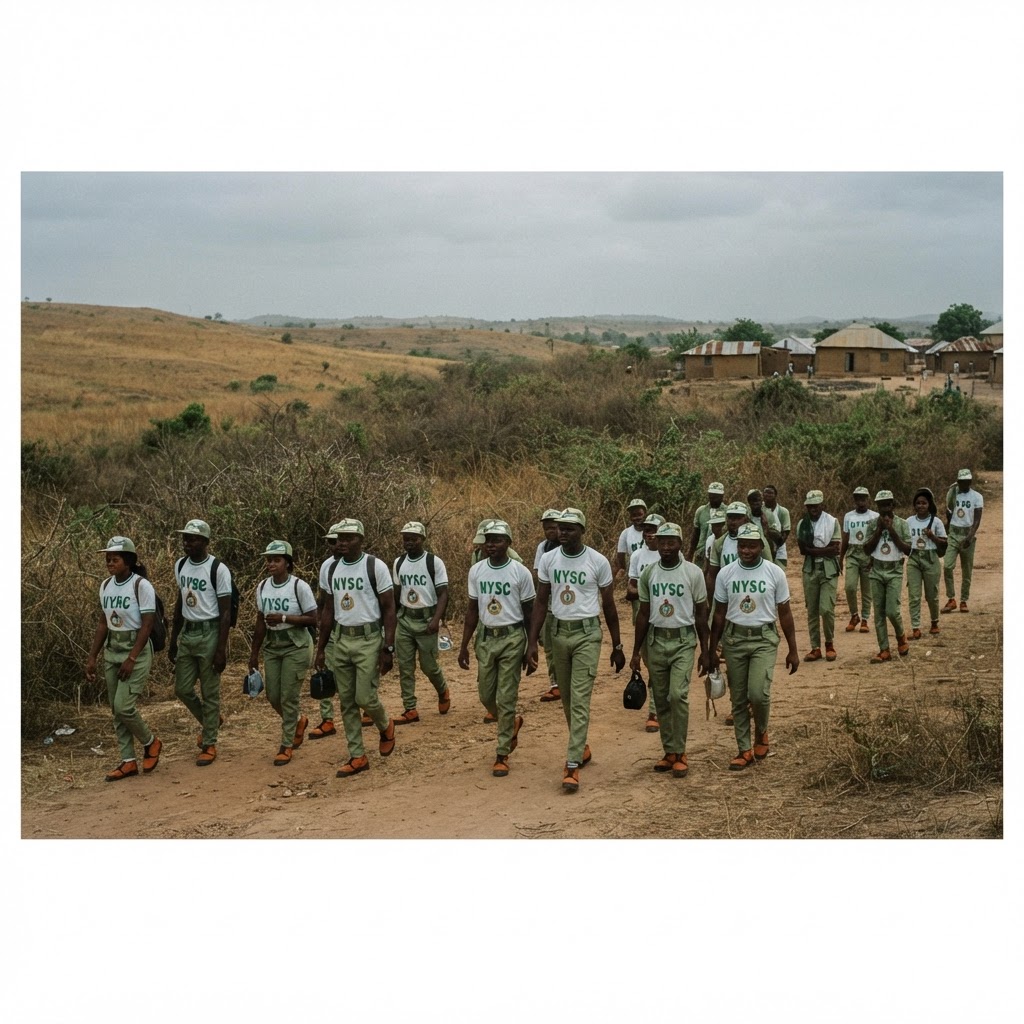
Umunoha NYSC Kidnap: Hideout Located as IED Threat Delays Rescue
Imo security agencies have located the suspected hideout of prospective NYSC members abducted along the Owerri–Onitsha Road, but an alleged improvised explosive device (IED) threat has delayed the planned rescue operation.

Mbaitoli Kidnapping: Why Is the Owerri–Onitsha Road Still Vulnerable?
The latest kidnapping incident along the Owerri–Onitsha Road in Mbaitoli Local Government Area of Imo State has renewed concerns about the safety of one of the major transportation routes connecting communities in Imo and neighbouring states.
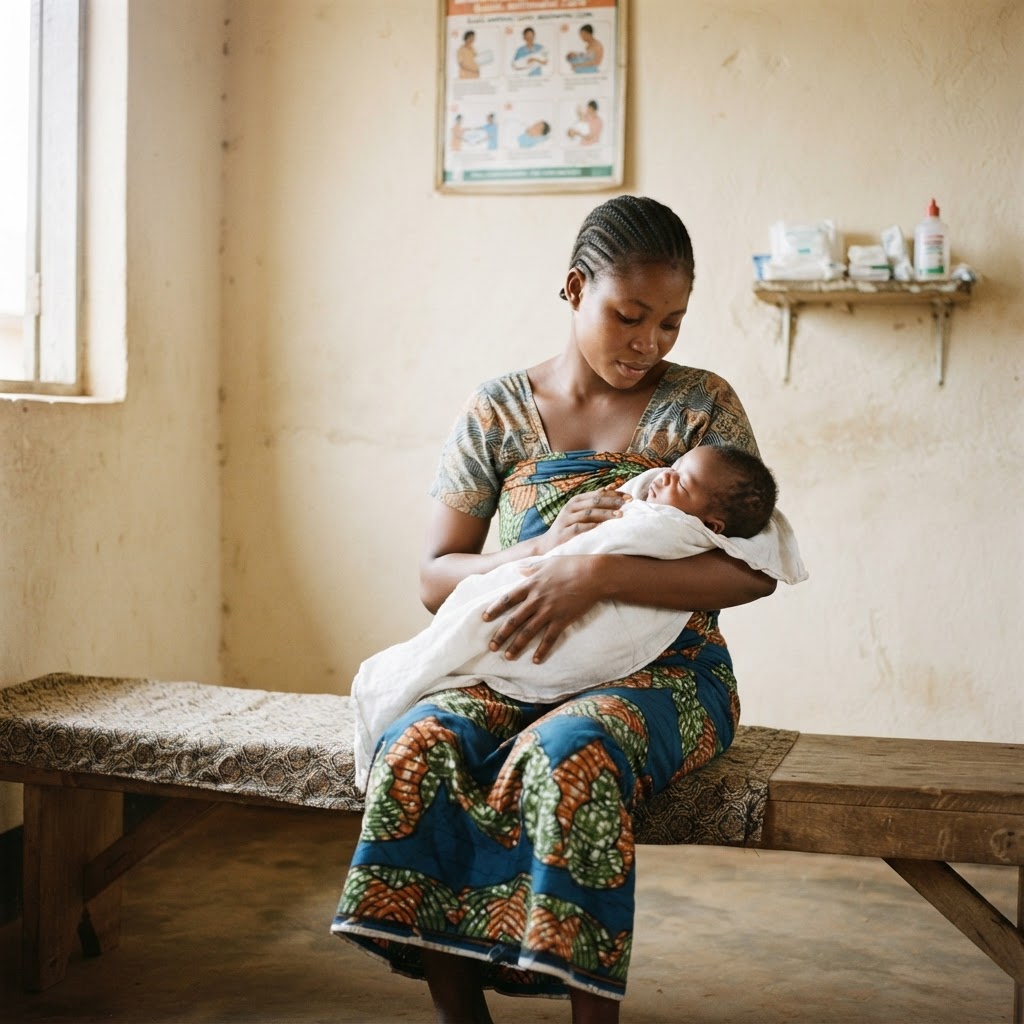
Nigeria’s Maternal Death Crisis: Why Are Mothers Dying?
Every day, Nigerian households wait for news from the maternity ward with hope and quiet dread. Too often, that news is heartbreaking. This is the reality behind Nigeria's Maternal Death Crisis: Why Are So Many Mothers Still Dying? — a question every family, community leader, and policymaker must co...

Kidnappers Demand 1 Billion Naira for 20 Corps Members
A chilling ultimatum has gripped Nigerian families this week. Armed abductors are demanding an enormous ransom for the safe return of young graduates travelling to serve their nation. The incident, now widely known as "Kidnappers Give 20 Prospective Corps Members' Families 24 Hours to Pay ₦1bn Ranso...

Can Fasting Help Lower High Blood Pressure? What Experts Say
High blood pressure quietly affects millions of Nigerian adults, often with no obvious warning signs. Many families are now turning to fasting as a natural way to manage it. This article explores the question many are asking: Can Fasting Help Lower High Blood Pressure? What Experts Say reveals surpr...

NNPC Faces Efficiency Scrutiny Over ₦27.76 Trillion Expenses
Nigeria's state oil giant is back in the headlines, and not for a new discovery. NNPC's ₦27.76 Trillion Operating Expenses Raise Efficiency Questions among citizens, analysts, and policymakers alike. The figure is so large it has sparked fresh debate about how national wealth is managed, and the num...
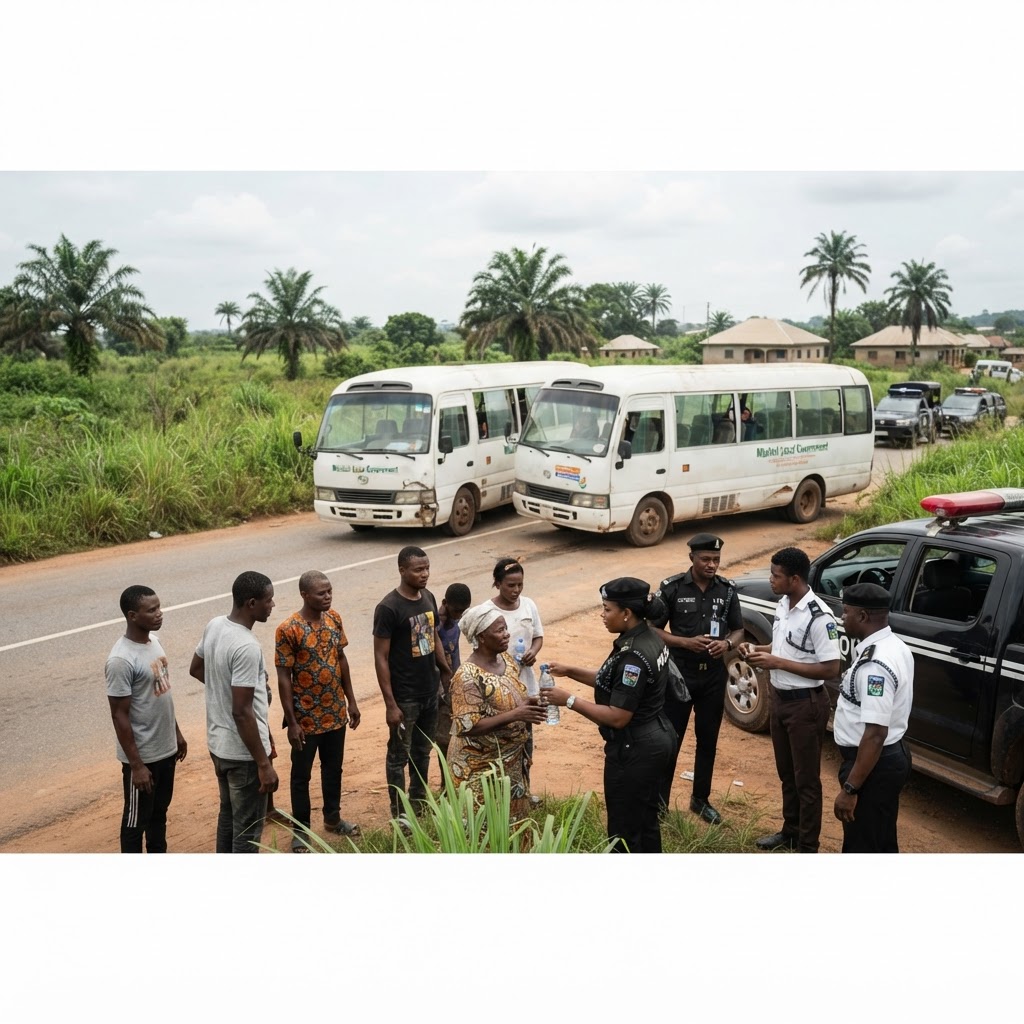
Police Rescue 10 After Gunmen Attack Two Buses in Mbaitoli
Early morning violence on a major Imo State highway sent shockwaves through communities nationwide this week. Families woke up to disturbing news of commuters trapped in a terrifying ordeal after gunmen struck in Mbaitoli, targeting two commercial buses in the hours before dawn. The headline "Police...
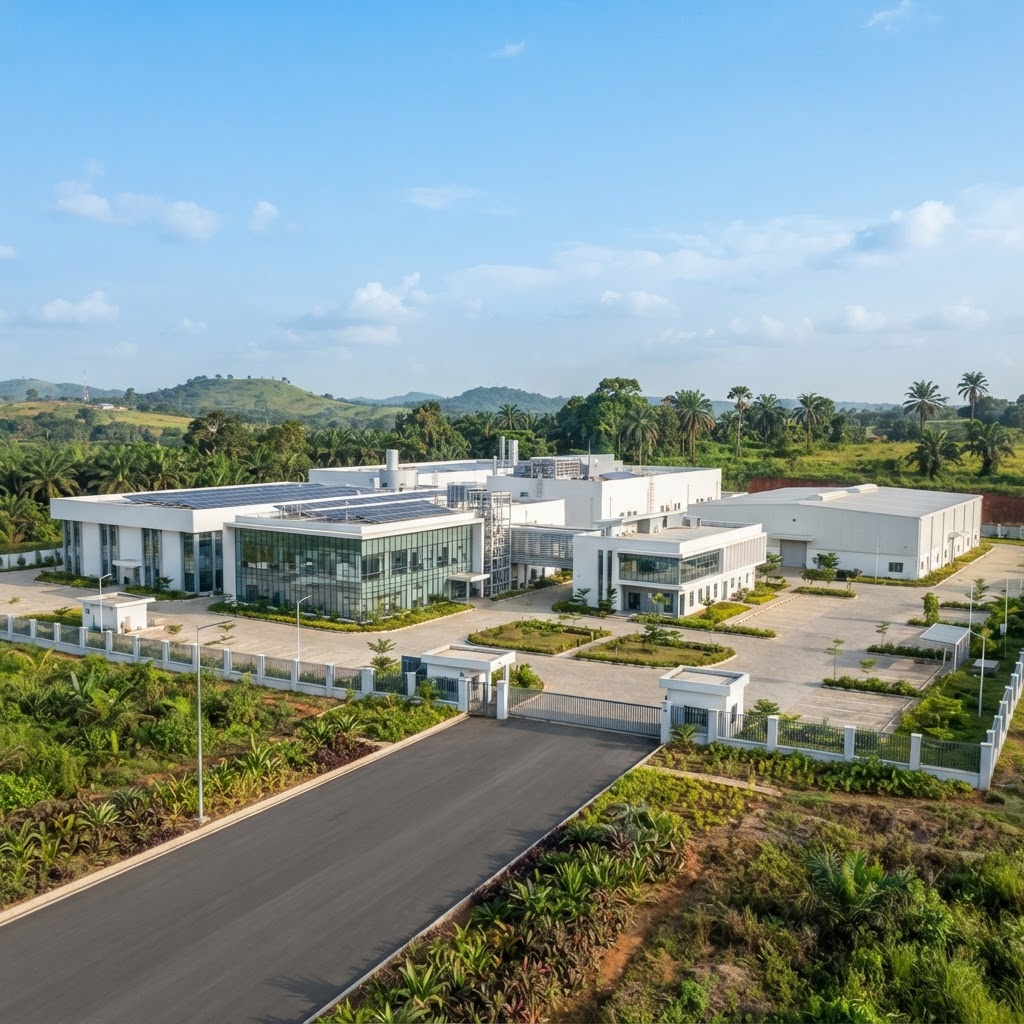
FG, Imo Back Pharmaceutical Hub Planned for Mgbidi
The Federal Government and Imo State Government have thrown their weight behind a bold new industrial project. FG, Imo Back Pharmaceutical Hub Planned for Mgbidi, signaling a fresh push toward local drug manufacturing and economic renewal in the South-East. The announcement positions the proposed fa...
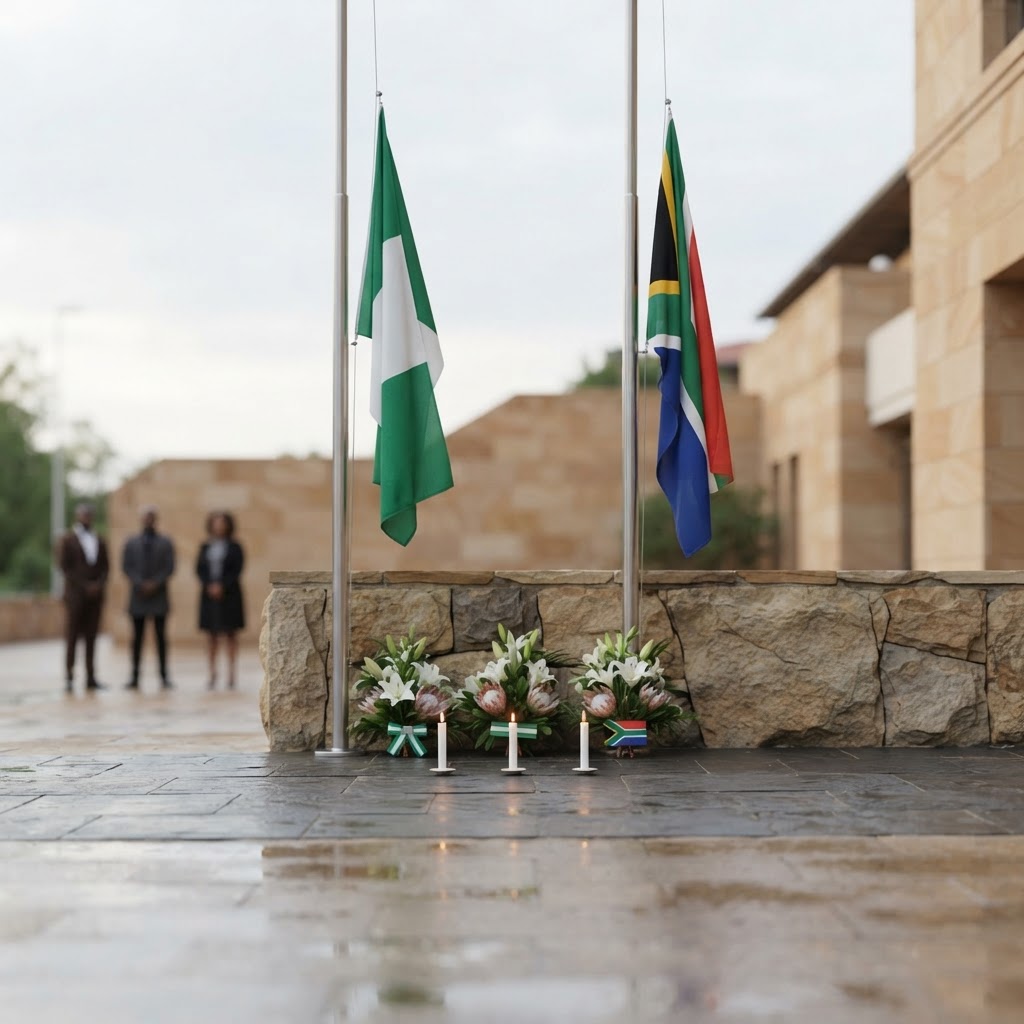
Nigeria Condemns Deaths of Three Citizens in South Africa
Nigerian families are mourning once again this week. Three citizens lost their lives in South Africa within a span of days. The tragedy has reignited calls for action, as Nigeria Condemns Deaths of Three Citizens in South Africa and demands accountability for the loss of its people abroad. For many ...
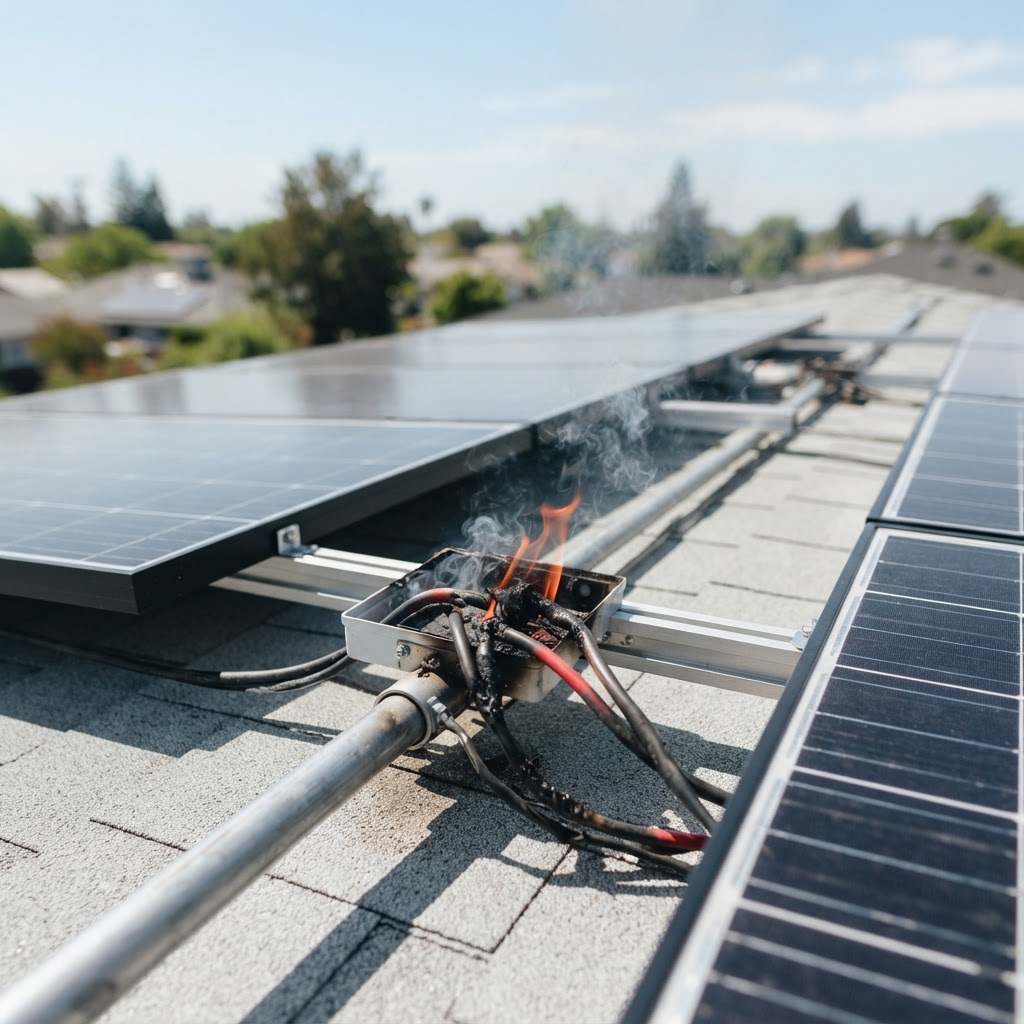
Solar Installation Safety: How Faulty Wiring Can Cause Fires
Nigeria's power crisis has pushed millions of families toward solar energy as a dependable alternative. Yet poor installation practices are quietly turning this clean energy solution into a serious hazard. Solar Installation Safety: How Faulty Wiring Can Cause Fires is becoming an urgent conversatio...