Powered by Obi Mbieri Independent Media Ltd · eziokwubundu.com
$1 = ₦1,332€1 = ₦1,498£1 = ₦1,774CDAs: Nigeria's Grassroots Infrastructure Heroes
Across Nigeria's streets, villages, and urban neighbourhoods, a quiet revolution is taking place — not in government offices or legislative chambers, but in community halls, WhatsApp groups, and local meetings held under mango trees. Community Development Associations (CDAs) are filling the yawning ...
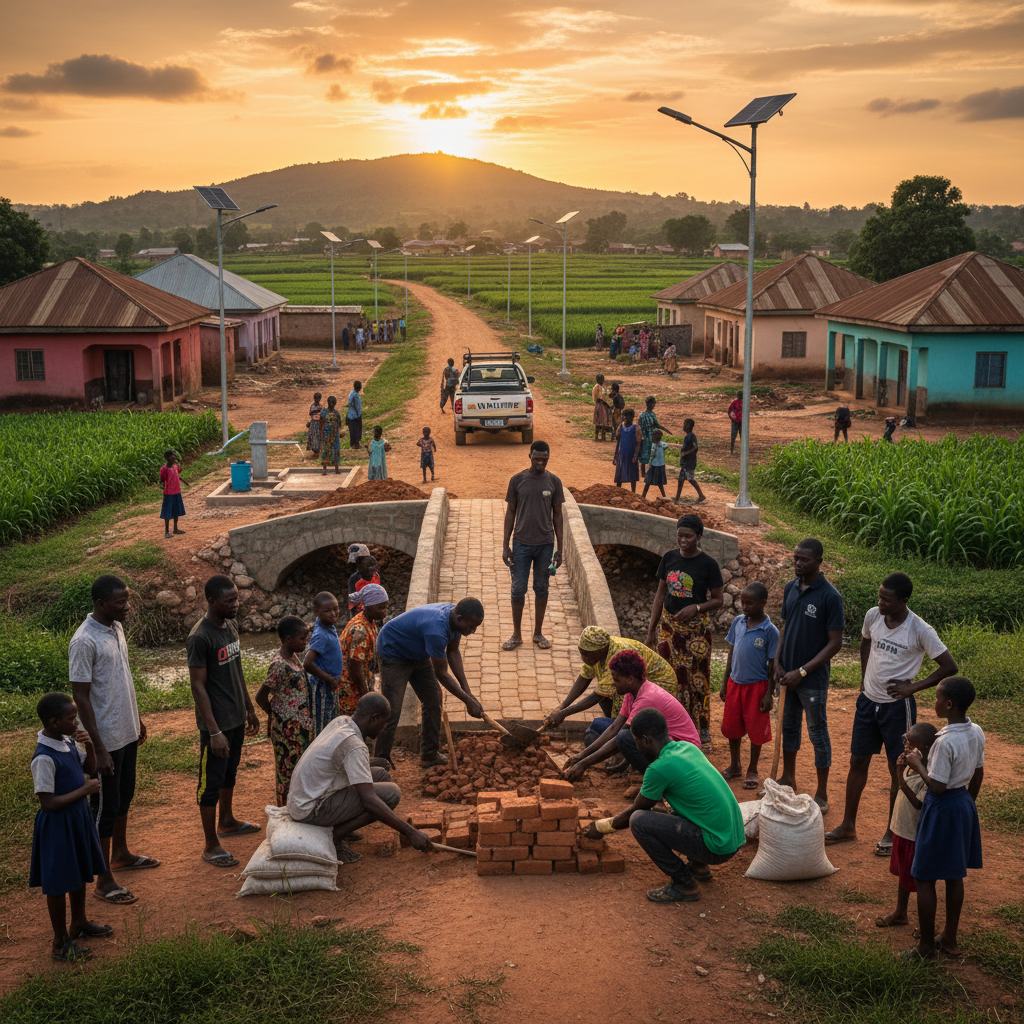
Across Nigeria's streets, villages, and urban neighbourhoods, a quiet revolution is taking place — not in government offices or legislative chambers, but in community halls, WhatsApp groups, and local meetings held under mango trees. Community Development Associations (CDAs) are filling the yawning gaps left by decades of governance neglect, and they are doing it with collective willpower, local resources, and an unshakeable sense of communal identity. This is the story of ordinary Nigerians building extraordinary futures for themselves.
What CDAs Are and Why They Matter
A Community Development Association (CDA) is a grassroots civic body formed by residents of a specific neighbourhood, village, or local community to address common development challenges. Unlike government agencies or NGOs, CDAs draw their power entirely from the people they serve — members who pay dues, volunteer their time, and share a vested interest in seeing their community thrive. Their structure is lean, their mandate is local, and their results are often remarkably tangible.
In Nigeria's current socioeconomic climate, CDAs have become indispensable. With infrastructure decay spreading across states — broken roads, absent streetlights, non-functional boreholes, and dilapidated public schools — communities cannot afford to wait for government intervention that may never come. CDAs have stepped in not as a political statement, but as a practical, survival-driven response to real daily problems.
Roads Built by the People, for the People
One of the most visible contributions of CDAs across Nigeria is road rehabilitation. In communities like Nnewi in Anambra State and Ajegunle in Lagos, residents have pooled funds to grade, gravel, and tar roads that had remained potholed and impassable for years. These are not symbolic gestures — they are functional roads that enable children to reach school safely and traders to access markets.
The financial model behind these projects is worth examining. CDAs typically levy monthly or annual contributions from households, with wealthier members and diaspora Nigerians often contributing larger sums. Some associations negotiate with local contractors for discounted rates in exchange for community goodwill or referrals. The result is infrastructure built at a fraction of government contract costs, with far less room for corruption or abandonment.
How Funding Flows in CDA Projects
Understanding how CDAs manage money is key to appreciating their effectiveness. The financial discipline required mirrors what many business-minded Nigerians apply in their personal economic planning. Most functional CDAs operate with the following financial structure:
- Regular household levies (monthly, quarterly, or annually)
- Diaspora remittance drives, especially from UK, US, and Canadian-based indigenes
- Fundraising events such as community dances, bazaars, and cultural festivals
- Grants from state government liaison offices or international development bodies
This diversified funding approach reduces dependence on any single source and keeps projects moving even when one stream dries up.
Clean Water: A CDA Victory in Rural Nigeria
Access to clean, safe water remains one of the most pressing challenges in rural and peri-urban Nigeria. Yet CDAs in states like Enugu, Kogi, Benue, and Ogun have successfully constructed and maintained functional boreholes, hand-pump wells, and even small water treatment facilities — projects that government agencies have either abandoned or never started. According to WaterAid Nigeria, over 60 million Nigerians still lack access to safe water, making community-led water initiatives not just commendable but life-saving.
In Igboora, Oyo State, a CDA famously raised funds through its women's cooperative arm to sink a borehole that now serves over 200 households. The project was completed in under three months — a timeline that would take government agencies years of procurement and bureaucracy. The success of that project inspired three neighbouring communities to replicate the model, creating a ripple effect of self-help infrastructure development.
Women-Led CDAs Are Changing the Story
Across Nigeria, women have emerged as particularly powerful drivers of CDA activity. Women's wings within CDAs often take charge of sanitation drives, clean water campaigns, and community health projects. Their involvement brings a practical urgency rooted in daily household realities — they are the ones fetching water, managing family health, and navigating broken roads with children and food items in tow.
The empowerment of women in CDAs also has economic multiplier effects. When women lead community projects, they build financial management skills, expand their professional networks, and develop leadership competencies that translate into stronger businesses and households. This aligns directly with the broader Nigerian prosperity model — community health and wealth are inseparable.
Schools and Health Centres Restored by Communities
Perhaps the most emotionally resonant work CDAs do involves education and healthcare infrastructure. In Delta, Rivers, and Cross River states, communities have rebuilt classrooms, donated furniture, supplied textbooks, and even hired and paid teachers when government schools were understaffed. These are acts of profound civic love — parents refusing to accept that their children deserve less.
Similarly, in the health sector, CDAs have renovated abandoned primary healthcare centres, donated medical equipment, and partnered with diaspora medical professionals to run free health clinics. These health initiatives connect directly to the broader wellness needs of Nigerian families. When communities invest in local healthcare infrastructure, they reduce the burden of preventable diseases, support early diagnosis, and improve overall family wellbeing. Readers who are also exploring how community cooperatives can unlock affordable healthcare should read our in-depth piece on Using Community Cooperatives for Affordable Healthcare Access.
The Link Between Infrastructure and Public Health
It is no coincidence that communities with better roads, clean water, and functional health centres also report better health outcomes. Poor infrastructure is not just an inconvenience — it is a public health crisis. Stagnant water from broken drainage systems breeds malaria vectors. Unpaved roads delay emergency medical transport. Overcrowded classrooms spread respiratory infections among children.
CDAs, by improving these conditions, are effectively delivering public health interventions. The health-community-wealth triangle that defines holistic Nigerian prosperity cannot be achieved without the foundational work that CDAs are quietly doing every day across the country.
Featured Products
Chukwu Abiama Tee
Bold black-and-gold Igbo-pride T-shirt featuring 'Chukwu Abiama' in premium streetwear typography.
₦15,000
Buy NowReverse Type 2 Diabetes & other associated Metabolic Issues using Dr. Jason Fung's Evidence-Based Approach— FMD program for Type 2 Diabetes
A practical fasting and fasting-mimicking programme built on Dr Jason Fung's insulin-resistance principles and ow-glycemic recipes.
₦19,950
Join NowỤmụ Igbo Tee
Classic black T-shirt with bold white 'Ụmụ Igbo' typography — a proud statement of Igbo heritage.
₦15,000
Buy NowNwanne Tee
Washed khaki vintage tee with a faded rust-orange 'Nwanne' stamp badge and palm leaf motif — a nod to kinship and heritage.
₦18,000
Buy NowObodo Tee
Faded denim-blue washed tee with a cream 'Obodo' stamp badge and sun motif, celebrating community roots.
₦18,000
Buy NowEkwe Heritage Tee
Deep indigo tee featuring a fine line-art illustration of a traditional Igbo ekwe drum, inspired by Igbo-Ukwu bronze artistry.
₦18,000
Buy NowIkenga Figure Tee
Forest green tee with a fine line-art illustration of a stylized Ikenga figure.
₦18,000
Buy NowDigital Tools Are Supercharging CDA Work
The rise of mobile technology and social media has given CDAs powerful new tools to organize, fundraise, and communicate. WhatsApp groups have become the operational backbone of many associations — used to announce meetings, share project updates, collect contributions via mobile money, and coordinate volunteer days. Platforms like Paystack and Flutterwave have made it easier for diaspora members to send contributions directly to CDA accounts in real time.
Some forward-thinking CDAs have gone further, creating websites, Facebook pages, and even YouTube channels to document their community projects. This digital visibility serves a dual purpose: it builds accountability among leadership and attracts external donors, development partners, and government attention. When a CDA's borehole project goes viral on Twitter, state governors suddenly find reasons to visit and pledge support — a dynamic that communities are learning to leverage strategically.
Youth Professionals Are Joining the Movement
Younger, educated Nigerians are increasingly taking active roles in CDAs — bringing project management skills, grant-writing abilities, tech literacy, and fresh energy to associations that were once dominated by elders. This generational shift is significant. Youth professionals understand both the local context and the global development language needed to attract international funding and partnerships.
For young Nigerians looking to build wealth and impact simultaneously, CDA involvement offers a unique opportunity. It builds social capital, sharpens leadership skills, and creates business networks that outlast any single project. The smartest entrepreneurs in Nigeria's emerging middle class know that community influence is an asset — one that compounds over time just like any well-managed investment.
Challenges CDAs Still Face
For all their remarkable achievements, CDAs operate under significant constraints that must be acknowledged honestly. Transparency and accountability remain persistent challenges — financial mismanagement by some CDA leaders has eroded trust in certain communities and slowed project momentum. Without robust governance frameworks, even well-intentioned associations can fall apart under the weight of internal politics and resource disputes.
Government neglect of CDAs also works in both directions. While communities have learned to be self-reliant, the lack of formal legal backing, liability protection, or access to government grants leaves many CDAs structurally vulnerable. A more integrated partnership between Nigerian state governments and CDAs — one that provides oversight without bureaucratic suffocation — could dramatically scale the impact of grassroots development work. According to The World Bank's Community-Driven Development framework, countries that formalize grassroots development bodies consistently outperform those that don't in delivering sustainable local infrastructure.
Strengthening CDAs: What Communities Can Do Now
Building stronger CDAs requires intentional effort from every stakeholder — residents, diaspora members, local businesses, and community leaders. The most effective CDAs share a few common traits that others can replicate:
- Transparent financial reporting shared with all members quarterly
- Clear project timelines with appointed accountability officers
- Active youth and women representation in leadership positions
- A written constitution or charter that governs decision-making
Beyond governance, communities can strengthen CDAs by cultivating a culture of consistent participation. The most successful associations are those where showing up — to meetings, to project days, to fundraising events — is seen as a civic obligation, not an optional extra. This culture of collective responsibility is the true engine behind every CDA success story.
CDAs and the Nigerian Prosperity Ecosystem
Viewing CDAs through a purely infrastructural lens misses their deeper significance. Community Development Associations are, at their core, engines of holistic Nigerian prosperity. When a road is repaired, market women earn more. When a borehole is sunk, families spend less on water-borne illness treatment. When a school is renovated, children learn better and build the human capital that drives national development.
The CDA model also teaches financial discipline and cooperative economics in a deeply practical way. Members who contribute to community projects are exercising the same muscles needed for personal financial growth — delayed gratification, collective saving, goal-oriented resource allocation. This is why communities with strong CDAs tend to also have stronger thrift cooperatives, more active market associations, and healthier civic cultures overall. For Nigerians thinking about financial empowerment beyond personal budgeting, exploring how Why Entrepreneurs Must Track Monthly Net Worth connects to community-level wealth-building is a natural next step.
The Diaspora's Role Is More Important Than Ever
Nigerian diaspora communities in the UK, US, Canada, Europe, and beyond have increasingly become financial lifelines for CDAs back home. Remittances channeled through community associations — rather than just individual families — have funded some of the most impactful grassroots infrastructure projects of the past decade. According to the Central Bank of Nigeria, Nigeria received over $20 billion in diaspora remittances in recent years, and a growing share is being directed through organized community structures.
For diaspora Nigerians, CDA involvement offers a meaningful way to stay connected to their roots while creating measurable impact. Contributing to a community borehole in your village, sponsoring a classroom renovation in your hometown, or joining a WhatsApp fundraising drive for a local health centre — these are acts of cultural identity as much as they are financial transactions. They reinforce the thread of belonging that distance can fray.
A Future Built From the Ground Up
Nigeria's infrastructure deficit will not be solved by government action alone — and every community already knows this. The real question is not whether CDAs matter, but how much more they can achieve with better support, better governance tools, and a national culture that celebrates grassroots builders as the heroes they are. The people fixing their own streets at 6am on a Saturday morning, the women organizing clean water campaigns, the youth writing grant proposals for their villages — these are Nigeria's quiet nation-builders.
Their work embodies the deepest truth about Nigerian progress: it rises from the community outward, not from the capital downward. And in a country where so much has been taken for granted by those in power, the determination of ordinary Nigerians to build something better for themselves and their children is not just admirable — it is the most reliable foundation for a truly prosperous Nigeria.
Stay Informed
Get New Articles in Your Inbox
Subscribe to receive the latest community development, health, and wealth insights from Eziokwubundu.
Newsletter
Practical insights on health, wealth, and community — delivered weekly.
Community Discussion(0)
Leave a Comment
More to Read
You May Also Like

Five Arrested After Abducted NYSC Members Rescued
Nigeria's security apparatus just proved that patient, intelligence-led policing works. The Mbaitoli Abduction: Five Suspects Arrested Following Rescue of NYSC Members case has moved from a national scare to a story of coordinated justice. For families, students, and youth professionals across the c...

Umuahii Day: Preserving Our Heritage, Rekindling Otu Obi
Every December, families across Imo State pause to celebrate something larger than a party. They celebrate belonging. This year, that celebration carries a clear purpose: Umuahii Day: Preserving Our Heritage, Rekindling Otu Obi invites every son and daughter of Umuahii to come home, in body or in sp...

2026 NNPC/Seplat Scholarship: Apply Now
The race for Nigeria's future workforce starts in the lecture hall, not the boardroom. If you are a Nigerian undergraduate looking for financial relief this academic year, the 2026 NNPC/Seplat Scholarship: Apply Now initiative offers a credible, well-funded pathway to ease tuition pressure and keep ...

Nwanegwo Hands Over Mbaitoli LGA Affairs, Ends Tenure
Hon. Ifunanya Nwanegwo JP has formally handed over the affairs of Mbaitoli Local Government Area to the Director of Administration and General Services (DAGS), marking the conclusion of his tenure as Executive Chairman.

Umunoha NYSC Kidnap: Hideout Located as IED Threat Delays Rescue
Imo security agencies have located the suspected hideout of prospective NYSC members abducted along the Owerri–Onitsha Road, but an alleged improvised explosive device (IED) threat has delayed the planned rescue operation.
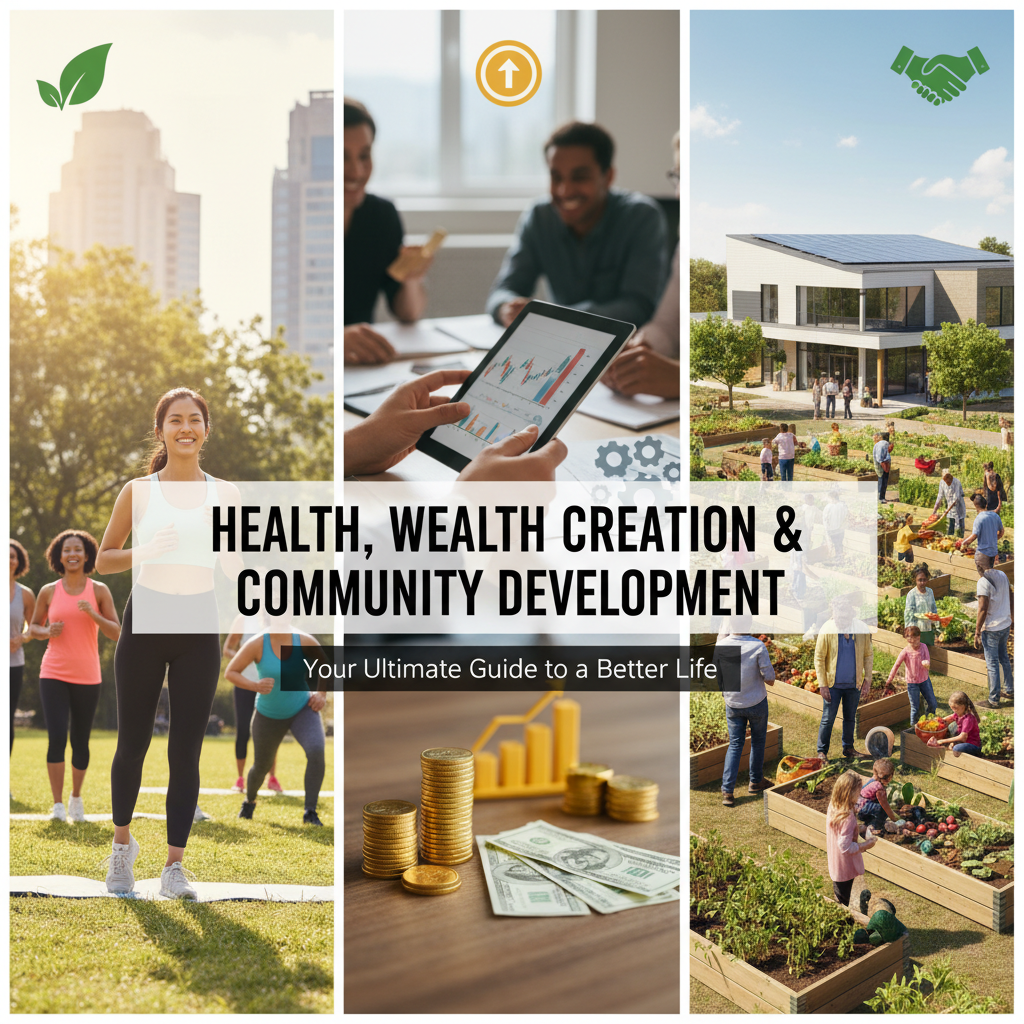
Ultimate Guide to Health, Wealth, and Community Development
Discover how health, wealth creation, and community development intertwine to empower individuals and build prosperous societies. This ultimate guide provides actionable insights and strategies to enhance your well-being and financial stability while fostering a vibrant community, ensuring you make ...

Mbaitoli Kidnapping: Why Is the Owerri–Onitsha Road Still Vulnerable?
The latest kidnapping incident along the Owerri–Onitsha Road in Mbaitoli Local Government Area of Imo State has renewed concerns about the safety of one of the major transportation routes connecting communities in Imo and neighbouring states.
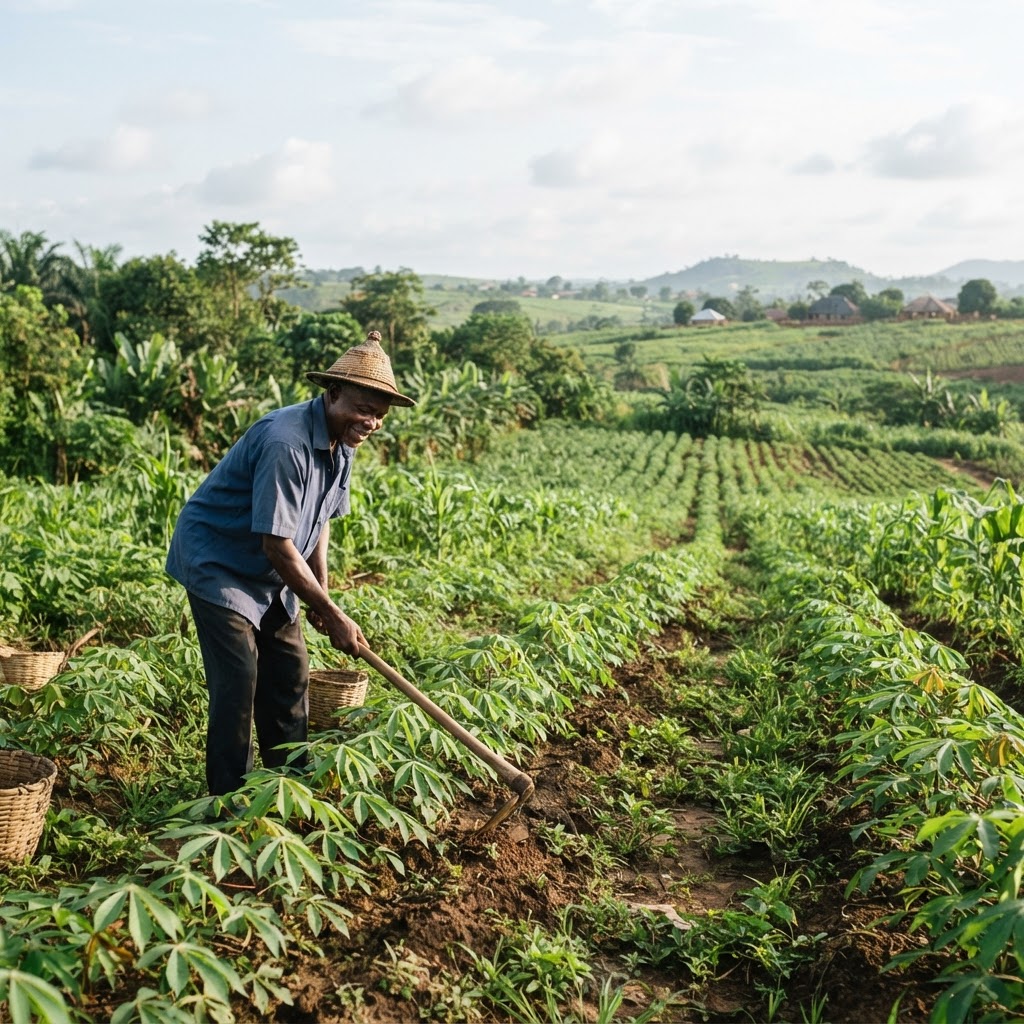
Mbaitoli Security: Are Farmers Returning to Their Farms?
Dust settles slowly over Mbaitoli's farmlands, but the questions linger louder than ever. Families across Imo State whisper the same worry: will their fields ever feel safe again? Mbaitoli Security: Are Farmers Returning to Their Farms? remains one of the most urgent questions facing this agrarian c...

Imo Government to Support 100 More Communities
OKOBI is reshaping how everyday Imo residents build wealth from their own villages. The latest expansion, tagged OKOBI: 100 More Imo Communities Set to Receive Government Support, signals a new chapter in Governor Hope Uzodimma's push for grassroots prosperity. For Nigerian families and community le...