Powered by Obi Mbieri Independent Media Ltd · eziokwubundu.com
$1 = ₦1,331€1 = ₦1,487£1 = ₦1,760Why Entrepreneurs Must Track Monthly Net Worth
Many business owners in Lagos and Abuja celebrate high daily sales while their personal bank accounts remain stagnant. True financial freedom is not found in the cash flow of a business but in the residual value of one's personal assets. Shifting your focus to monthly net worth tracking allows you t...

Many business owners in Lagos and Abuja celebrate high daily sales while their personal bank accounts remain stagnant. True financial freedom is not found in the cash flow of a business but in the residual value of one's personal assets. Shifting your focus to monthly net worth tracking allows you to see the real progress of your life’s work.
Running a successful enterprise in Nigeria requires grit, determination, and a keen eye for market trends. However, many founders mistakenly believe that a high-performing business automatically equates to personal financial security. Tracking your net worth monthly provides a sobering yet empowering view of your actual progress toward prosperity.
The Difference Between Cash and Wealth
Turnover Is Often A Mirage
It is easy to get caught up in the excitement of millions of Naira flowing through a corporate bank account. Revenue represents the scale of your activity, but it says very little about your personal financial health. You can generate immense revenue while simultaneously losing money on every transaction due to rising operational costs.
In the Nigerian context, high turnover can hide the erosion of value caused by inflation and logistical inefficiencies. Entrepreneurs often spend all their energy chasing the next contract rather than ensuring that profit is being converted into lasting wealth. Without tracking net worth, you might be running a large business while technically remaining broke.
Real Growth Happens Behind Scenes
Wealth is what remains after all your business expenses, taxes, and personal liabilities are subtracted from your total assets. According to Investopedia, net worth is the most accurate measure of financial health because it accounts for everything you own and owe. This metric tells you if you are actually getting ahead or just staying busy.
When you focus on net worth, you begin to prioritize activities that increase your equity rather than just your visibility. This might mean choosing to reinvest in a more efficient delivery truck or paying down a high-interest loan. Monthly tracking ensures that your business serves your life, rather than your life serving the business.
Calculating Your True Financial Value
Listing Every Personal Asset Clearly
To begin this journey, you must list all assets that have real-world value outside of your daily business operations. This includes your personal savings, the market value of your home, and any land you have acquired. You should also include the current value of your business inventory and equipment if you were to sell them today.
Many Nigerians also hold wealth in communal or informal structures that should be accounted for. Traditional methods like Building Wealth with Ajo and Esusu can be integrated into your personal asset portfolio. These contributions represent future cash inflows that increase your total financial standing over time.
Confronting The Weight of Debts
Liabilities are the silent killers of wealth for many aspiring Nigerian millionaires. You must be honest about every debt, including bank loans, credit lines, and informal borrowings from family members. When you subtract these from your total assets, you are left with your actual net worth.
Seeing these numbers on paper can be uncomfortable, but it is necessary for growth. The Central Bank of Nigeria emphasizes that financial literacy begins with understanding how debt impacts long-term stability. By tracking these liabilities monthly, you can strategically pay down the most expensive debts first.
Navigating The Nigerian Economic Climate
Adjusting Values for Currency Fluctuation
In a volatile economy, the value of your assets can change even if you do nothing. Tracking your net worth monthly helps you see how changes in the exchange rate affect your purchasing power. This awareness is crucial for entrepreneurs who need to protect their wealth from devaluation.
If your net worth is staying flat in Naira while the cost of living rises, you are technically losing wealth. This realization often drives entrepreneurs to seek assets that hold value more effectively. It shifts the conversation from "how much did I sell today?" to "how much value did I preserve this month?"
Investing in Tangible Local Realities
Many families find stability by diversifying into Nigerian Family Wealth: Real Estate, Stocks, Agriculture to hedge against inflation. These tangible assets often appreciate over time, providing a buffer during periods of business stagnation. Monthly tracking allows you to see these assets grow in value relative to your business income.
Featured Products
Chukwu Abiama Tee
Bold black-and-gold Igbo-pride T-shirt featuring 'Chukwu Abiama' in premium streetwear typography.
₦15,000
Buy NowReverse Type 2 Diabetes & other associated Metabolic Issues using Dr. Jason Fung's Evidence-Based Approach— FMD program for Type 2 Diabetes
A practical fasting and fasting-mimicking programme built on Dr Jason Fung's insulin-resistance principles and ow-glycemic recipes.
₦19,950
Join NowỤmụ Igbo Tee
Classic black T-shirt with bold white 'Ụmụ Igbo' typography — a proud statement of Igbo heritage.
₦15,000
Buy NowNwanne Tee
Washed khaki vintage tee with a faded rust-orange 'Nwanne' stamp badge and palm leaf motif — a nod to kinship and heritage.
₦18,000
Buy NowObodo Tee
Faded denim-blue washed tee with a cream 'Obodo' stamp badge and sun motif, celebrating community roots.
₦18,000
Buy NowEkwe Heritage Tee
Deep indigo tee featuring a fine line-art illustration of a traditional Igbo ekwe drum, inspired by Igbo-Ukwu bronze artistry.
₦18,000
Buy NowIkenga Figure Tee
Forest green tee with a fine line-art illustration of a stylized Ikenga figure.
₦18,000
Buy NowLand ownership in Nigeria is a primary driver of long-term net worth growth. Unlike a shop full of fashion inventory that might go out of style, land generally appreciates. Documenting the increasing value of these holdings provides a sense of security that revenue alone cannot offer.
Building Sustainable Wealth Habits
Consistency Through Monthly Reviews
Every month, you should sit down with a simple spreadsheet or a notebook to record what you own and what you owe. This ritual forces you to confront the reality of your financial situation without the distraction of daily sales figures. It is the first step toward transforming from a business operator into a wealth creator.
Consistency is more important than the initial size of your net worth. Even if your net worth is currently negative, tracking it monthly allows you to see the progress as that negative number shrinks. Over time, this habit builds the financial discipline required to manage larger sums of money.
Automating Transfers to Asset Classes
Once you begin tracking, you will notice patterns in where your money goes. Successful entrepreneurs often set up automated systems to move a percentage of profit directly into personal investments. This ensures that wealth building happens as a priority rather than an afterthought.
Effective wealth creation requires moving capital away from the reach of everyday business emergencies. You might choose to fund a retirement account or buy into a mutual fund every single month. These small, consistent actions are what ultimately lead to a significant net worth over several years.
Balancing Business Growth and Security
Separating Owner Equity From Profit
One of the biggest mistakes Nigerian entrepreneurs make is treating the business bank account like a personal wallet. By tracking net worth, you learn to pay yourself a salary and keep business capital separate. This distinction is vital for accurate financial reporting and long-term personal success.
When the business has a good month, your net worth only increases if you save or invest that surplus. If you spend the extra profit on lifestyle upgrades, your business grew but your personal wealth remained the same. Measuring net worth keeps your focus on building a legacy rather than just funding a lifestyle.
Funding Health for Long-Term Safety
Medical emergencies can quickly deplete assets, which is why Protecting Family Wealth Through Nigerian Health Insurance remains a critical defensive strategy. Including your insurance coverage and emergency fund in your net worth calculation provides a complete picture of your resilience. A high net worth is meaningless if a single hospital bill can wipe out your savings.
Preventive care and insurance are not just health decisions; they are wealth decisions. According to the World Bank, health shocks are a major reason why small business owners fall back into poverty. Tracking your ability to cover these risks is a fundamental part of the net worth mindset.
Psychological Benefits of Tracking
Reducing Anxiety Through Data
Financial stress often stems from the unknown rather than the reality of the situation. When you know exactly where you stand, you can make decisions based on facts rather than fear. Maintaining a clear financial picture helps in Building Mental Resilience in Nigeria’s High-Pressure Economy when market conditions become volatile.
Knowing your net worth provides a sense of control over your destiny. Even during a slow business month, seeing your personal assets remain stable can prevent panic. This clarity allows you to lead your business and your family with a calm and focused mind.
Staying Motivated During Low Sales
Business is seasonal, and there will inevitably be months where revenue is disappointing. However, if you have been consistently investing, your net worth might still increase due to asset appreciation or debt reduction. This provides a different metric for success that isn't tied to the daily fluctuations of the market.
Data from Forbes suggests that people who track their wealth are more likely to achieve their long-term financial goals. It turns the journey of wealth creation into a game where you try to beat your previous month's score. This motivation is what keeps successful Nigerian entrepreneurs going through the toughest economic cycles.
Practical prosperity is not about how much you can make in a single day. It is about how much of that income you can successfully convert into a permanent foundation for your family. By tracking your net worth monthly, you stop being a passenger in your financial life and start becoming the captain.
Stay Informed
Get New Articles in Your Inbox
Subscribe to receive the latest community development, health, and wealth insights from Eziokwubundu.
Newsletter
Practical insights on health, wealth, and community — delivered weekly.
Community Discussion(0)
Leave a Comment
More to Read
You May Also Like

Monetizing Digital Skills for Nigerian Youth Prosperity
The economic landscape for young Nigerians(/article/home-morning-fitness-guide-for-nigerians) is undergoing a profound transformation. No longer is a single monthly salary sufficient to navigate the complexities of modern inflation and rising living costs. For the ambitious youth professional, the d...

NNPC Faces Efficiency Scrutiny Over ₦27.76 Trillion Expenses
Nigeria's state oil giant is back in the headlines, and not for a new discovery. NNPC's ₦27.76 Trillion Operating Expenses Raise Efficiency Questions among citizens, analysts, and policymakers alike. The figure is so large it has sparked fresh debate about how national wealth is managed, and the num...

Imo Approves Recruitment of 6,030 Teachers Across 27 LGAs
Imo State has taken a bold step toward transforming its public education system. Governor Hope Uzodimma has approved the recruitment of 6,030 teachers across the state's 27 Local Government Areas, a move many residents have awaited for years. This decision, widely reported by Vanguard(https://www.va...

Health and Wealth Creation for Nigerians: Empowerment Hub
In an increasingly complex global landscape, the pursuit of a fulfilling life necessitates a balanced approach to physical well-being, financial stability, and social connectivity. For Nigerians at home and in the diaspora, navigating these paths requires more than just effort; it requires access to...
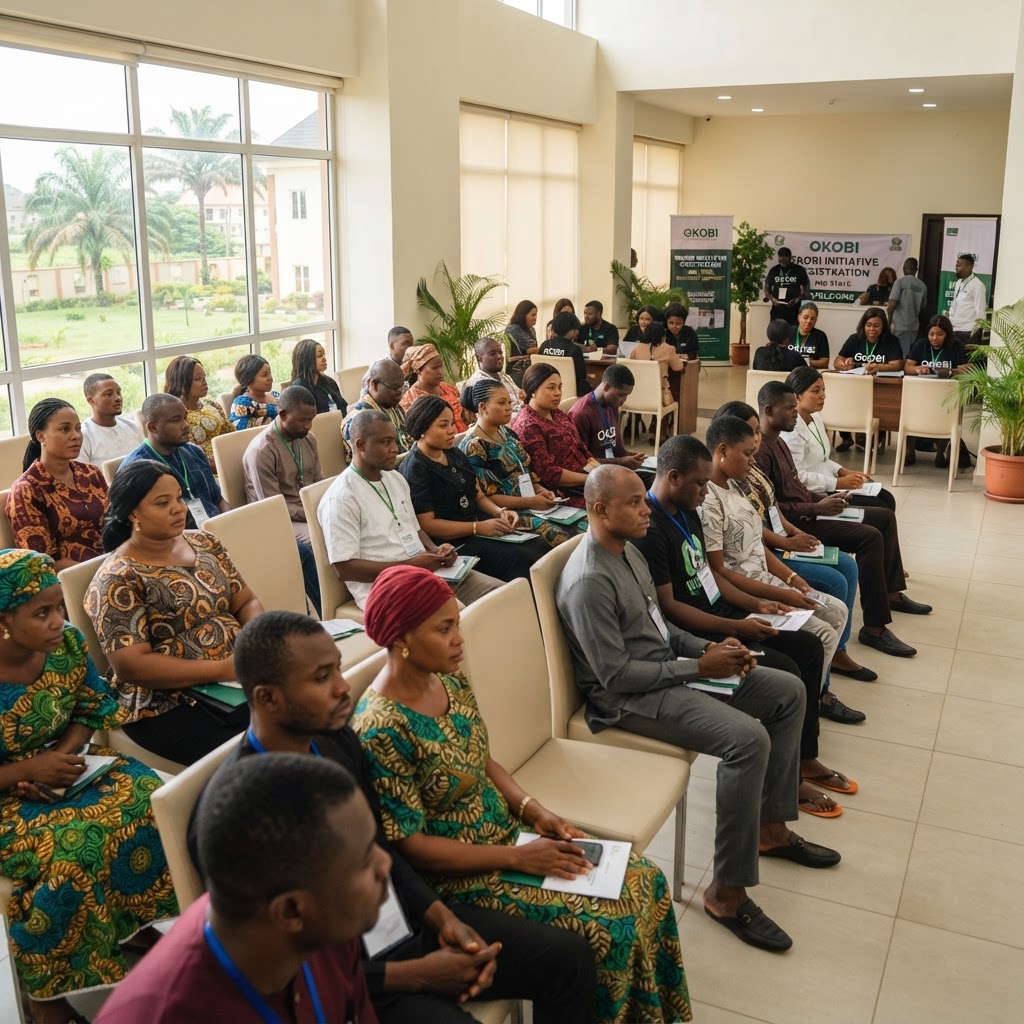
65 Imo Businesses Await OKOBI Initiative Registration
Imagine 65 kindred-owned businesses across Imo State, each waiting for one final document to unlock full legal status. That single step—Corporate Affairs Commission registration—now defines the next chapter in Imo's OKOBI Initiative: 65 Community Businesses Await CAC Registration. For families, entr...

How to Register a Business in Imo
Starting a business in Imo State is one of the most impactful decisions you can make — not just for your personal financial future, but for the broader prosperity of your community. From the bustling markets of Owerri to the agricultural enterprises of Orlu and Okigwe, Imo entrepreneurs are driving ...

Imo’s ₦61bn Question: Tracking Agricultural Funding
Nigeria's farmers just received a fresh reason to hope—and to ask hard questions about agricultural funding. A new Germany-funded agricultural project has disbursed ₦61bn nationwide, and it reignites Imo's ₦61bn Question: How Much of Nigeria's Agricultural Financing Is Reaching Imo. For families in ...