Powered by Obi Mbieri Independent Media Ltd.
$1 = ₦1,353€1 = ₦1,486£1 = ₦1,775CARSPO 2026: Why Nigeria's Police Chiefs Are Converging on Owerri
Nigeria stands at a defining crossroads. With the 2027 General Elections approaching, the country's senior law enforcement leadership is leaving nothing to chance. From September 21 to 23, 2026, Owerri, the capital of Imo State in Nigeria's South-East, will host one of the most consequential securit...

Nigeria stands at a defining crossroads. With the 2027 General Elections approaching, the country's senior law enforcement leadership is leaving nothing to chance. From September 21 to 23, 2026, Owerri, the capital of Imo State in Nigeria's South-East, will host one of the most consequential security gatherings in recent Nigerian history — the 6th Conference and Retreat for Senior Police Officers, widely known as CARSPO 2026. This high-level convening is not ceremonial. It is a working summit where the architecture of Nigeria's electoral security will be designed, debated, and agreed upon. For Nigerian families, entrepreneurs, community leaders, and every citizen who depends on a stable democratic environment, what happens in Owerri over those three days matters enormously.
What Is the Significance of CARSPO 2026?
Why Owerri and Why Now?
The choice of Owerri as the host city for CARSPO 2026 carries both practical and symbolic weight. Imo State sits at the heart of Nigeria's South-East geopolitical zone, a region that has faced compounding security pressures in recent years, including sit-at-home orders, armed group activity, and political tension. Hosting Nigeria's senior police chiefs in this environment sends a deliberate message: the Nigeria Police Force is committed to a visible, engaged, and forward-looking presence in the region.
The 6th edition of CARSPO, scheduled for September 21–23, 2026, brings together commissioners of police, assistant inspectors-general, deputy inspectors-general, and other senior officers from across Nigeria's 36 states and the Federal Capital Territory. According to reporting from Premium Times, election security is central to the agenda, with deliberations focused on building a comprehensive security roadmap for the 2027 General Elections.
This matters profoundly. Nigeria's 2023 elections exposed serious vulnerabilities — from the suppression of voter turnout in parts of the South-East due to insecurity, to documented cases of electoral material theft and voter intimidation in multiple states. The Independent National Electoral Commission (INEC) reported that violence affected the conduct of elections in several constituencies, undermining the credibility of results and deepening citizen distrust. CARSPO 2026 is the institutional response to that reality.
For Nigerian families and entrepreneurs, the stakes are deeply personal. A stable security environment is not a political abstraction — it is the foundation on which businesses operate, children attend school safely, and communities thrive. When elections are disrupted by violence or manipulation, the economic consequences ripple outward for years. CARSPO 2026 represents a critical opportunity to get this right before 2027 arrives.
How Will Technology Shape 2027 Election Security?
Is Intelligence-Led Policing the New Standard?
One of the most significant shifts expected to emerge from CARSPO 2026 is the formal institutionalization of intelligence-led policing (ILP) as the primary framework for electoral security. Unlike traditional reactive policing — which deploys officers after incidents occur — ILP is built on proactive threat assessment, data aggregation, and predictive analysis. The Nigeria Police Force has been gradually adopting ILP principles since the late 2010s, but the 2027 election cycle represents the most ambitious application of this approach yet.
Intelligence-led policing draws on multiple data streams: crime pattern analysis, signals intelligence, community informant networks, and increasingly, digital monitoring tools. In the context of elections, this means identifying hotspot constituencies with histories of electoral violence, flagging suspicious financial flows that may fund electoral disruption, and pre-positioning rapid response units in high-risk areas before incidents escalate.
Digital technologies are expected to play a central role in the 2027 strategy. Advanced analytics platforms can process large volumes of social media activity, telecommunications metadata (within legal frameworks), and historical incident data to generate actionable threat intelligence. The deployment of body-worn cameras for officers on electoral duty, real-time command-and-control systems, and drone surveillance over sensitive collation centres are all being considered as part of a modernised operational toolkit.
However, technology alone is insufficient and can be counterproductive if deployed without community trust. Aggressive technological surveillance that is not accompanied by transparent communication and community engagement tends to deepen suspicion between citizens and security forces. The most effective models globally — including approaches documented by Transparency International in its electoral integrity frameworks — combine technological precision with grassroots legitimacy.
For Nigeria's entrepreneurial and middle-class communities, the digitisation of election security also presents indirect economic benefits. A more credible, efficiently secured electoral process attracts investor confidence, stabilises currency expectations around election cycles, and reduces the economic disruption that historically accompanies Nigerian election periods. The connection between security, governance, and prosperity is not incidental — it is structural. This is consistent with the broader community development themes explored in our coverage of how Igbo communities fund development projects, where local investment depends heavily on a stable civic environment.
Why Is Police-Community Partnership Essential?
Can Trust Be Built Before 2027?
No security framework, however technologically sophisticated, can substitute for the trust of the communities it is meant to protect. This is the central lesson that CARSPO 2026 must take seriously. Nigeria's history of electoral violence is not simply a law enforcement failure — it is a reflection of deep fractures between citizens and institutions. Rebuilding that trust requires deliberate, sustained community-first policing strategies that begin now, not in the weeks before the 2027 polls.
Community-first policing is a philosophy before it is a practice. It holds that the most effective source of security intelligence is the community itself — that residents, market traders, traditional rulers, women's associations, and youth organisations are the first line of defence against electoral disruption. When community members trust the police enough to share information, threats can be neutralised before they materialise into violence. When that trust is absent, communities become either passive bystanders or active obstacles to security operations.
Featured Products
Reverse Type 2 Diabetes & other associated Metabolic Issues using Dr. Jason Fung's Evidence-Based Approach— FMD program for Type 2 Diabetes
A practical fasting and fasting-mimicking programme built on Dr Jason Fung's insulin-resistance principles and ow-glycemic recipes.
₦19,950
Join NowChukwu Abiama Tee
Bold black-and-gold Igbo-pride T-shirt featuring 'Chukwu Abiama' in premium streetwear typography.
₦15,000
Buy NowỤmụ Igbo Tee
Classic black T-shirt with bold white 'Ụmụ Igbo' typography — a proud statement of Igbo heritage.
₦15,000
Buy NowNwanne Tee
Washed khaki vintage tee with a faded rust-orange 'Nwanne' stamp badge and palm leaf motif — a nod to kinship and heritage.
₦18,000
Buy NowObodo Tee
Faded denim-blue washed tee with a cream 'Obodo' stamp badge and sun motif, celebrating community roots.
₦18,000
Buy NowEkwe Heritage Tee
Deep indigo tee featuring a fine line-art illustration of a traditional Igbo ekwe drum, inspired by Igbo-Ukwu bronze artistry.
₦18,000
Buy NowIkenga Figure Tee
Forest green tee with a fine line-art illustration of a stylized Ikenga figure.
₦18,000
Buy NowPractical strategies for rebuilding this trust include the establishment of community policing forums (CPFs) in every local government area, regular dialogue sessions between divisional police officers and community leaders, and transparent communication about how security information is used. Traditional institutions — the Igwe, the Obi, the Eze, and equivalent structures across Nigeria's diverse communities — are critical intermediaries. Their endorsement of police-community cooperation can dramatically expand the reach and effectiveness of electoral security operations.
The importance of community institutions in governance and security cannot be overstated, as explored in our reporting on the Wike–Uzodimma dispute and Imo's political tensions, which illustrates how political friction at the elite level can destabilise community confidence in institutions. CARSPO 2026 must address this dynamic explicitly.
Information-sharing protocols between the Nigeria Police Force and local community leaders should be formalised, with clear accountability mechanisms to prevent abuse. Research from the United Nations Development Programme's electoral assistance frameworks consistently shows that elections conducted in environments with high community-police cooperation experience lower rates of violence and higher voter turnout. The democratic dividend is real and measurable.
Protecting the individual voter and the collective democratic institution are not competing goals — they are the same goal expressed at different scales. A mother in Owerri who feels safe enough to walk to her polling unit is simultaneously an individual exercising her civic right and a building block of national democratic legitimacy.
What Threats Demand a New Security Roadmap?
Are Nigerian Elections Facing New Dangers?
The security landscape surrounding Nigerian elections has evolved significantly since 2019, and the threats anticipated for 2027 are both familiar and newly complex. CARSPO 2026 must grapple honestly with this evolving threat matrix if its roadmap is to be genuinely fit for purpose.
Physical threats remain real. Armed group activity, particularly in the South-East and parts of the North-West and North-East, continues to pose risks to polling units, electoral officials, and voters. The destruction of INEC offices and electoral materials in the run-up to previous election cycles has cost billions of naira and, more importantly, has disenfranchised hundreds of thousands of voters. Protecting electoral materials from theft, destruction, and manipulation requires hardened logistics protocols, decentralised storage strategies, and armed escorts for materials in high-risk zones.
Disinformation represents an increasingly dangerous threat dimension. The 2023 elections demonstrated the capacity of coordinated social media campaigns to suppress voter turnout, inflame ethnic and religious tensions, and delegitimise results before votes were even counted. False information spreads faster than corrections, and in environments with high mobile penetration and low media literacy, the damage can be irreversible within hours. CARSPO 2026 should consider recommending a dedicated electoral disinformation monitoring unit within the police's intelligence apparatus, working in coordination with the National Information Technology Development Agency (NITDA) and civil society fact-checkers like Dubawa.
Inter-agency coordination remains one of Nigeria's most persistent security governance challenges. The Nigeria Police Force, the Department of State Services (DSS), the Nigerian Army, the Nigeria Security and Civil Defence Corps (NSCDC), and INEC's own security units must operate as a coherent system rather than parallel siloes. Poor coordination during the 2011 post-election violence contributed to a death toll estimated at over 800 lives. The lessons of that tragedy must be institutionalised, not merely remembered.
The recent tragedy documented in our reporting on NSCDC deaths inside the Niger detention facility underscores the broader accountability deficit within Nigeria's security sector — a deficit that erodes public trust and must be addressed systemically.
Practical steps emerging from CARSPO 2026 should include joint operational planning sessions between all relevant agencies, unified chain-of-command protocols for electoral emergencies, and post-election review mechanisms with real accountability for failures. The African Union's Electoral Assistance Unit has published best-practice frameworks for exactly this kind of inter-agency coordination, and Nigeria's senior officers would benefit from benchmarking against continental standards.
Conclusion
CARSPO 2026 is more than a conference. It is a declaration that Nigeria's police leadership recognises the weight of what lies ahead in 2027 and is investing serious institutional energy in preparing for it. For the millions of Nigerian families, entrepreneurs, community leaders, and young professionals who depend on a credible democratic process to plan their futures, the deliberations in Owerri this September carry extraordinary importance.
The roadmap that emerges must be intelligence-driven, community-anchored, technologically empowered, and inter-agency coordinated. It must take disinformation as seriously as physical threats, and it must treat community trust as a strategic asset rather than a soft concern. Nigeria has the institutional capacity to secure its 2027 elections effectively. CARSPO 2026 is the moment to convert that capacity into a concrete, actionable plan. Every Nigerian has a stake in its success.
Stay Informed
Get New Articles in Your Inbox
Subscribe to receive the latest community development, health, and wealth insights from Eziokwubundu.
Newsletter
Practical insights on health, wealth, and community — delivered weekly.
Community Discussion(0)
Leave a Comment
More to Read
You May Also Like

Obi-Mbieri Mourns Engr. Vitalis Opara: Questions Emerge Over Community’s Silence
Engr. Vitalis Opara is identified as President General on the signature page of the Obi-Mbieri Autonomous Community Constitution 2020 as amended.
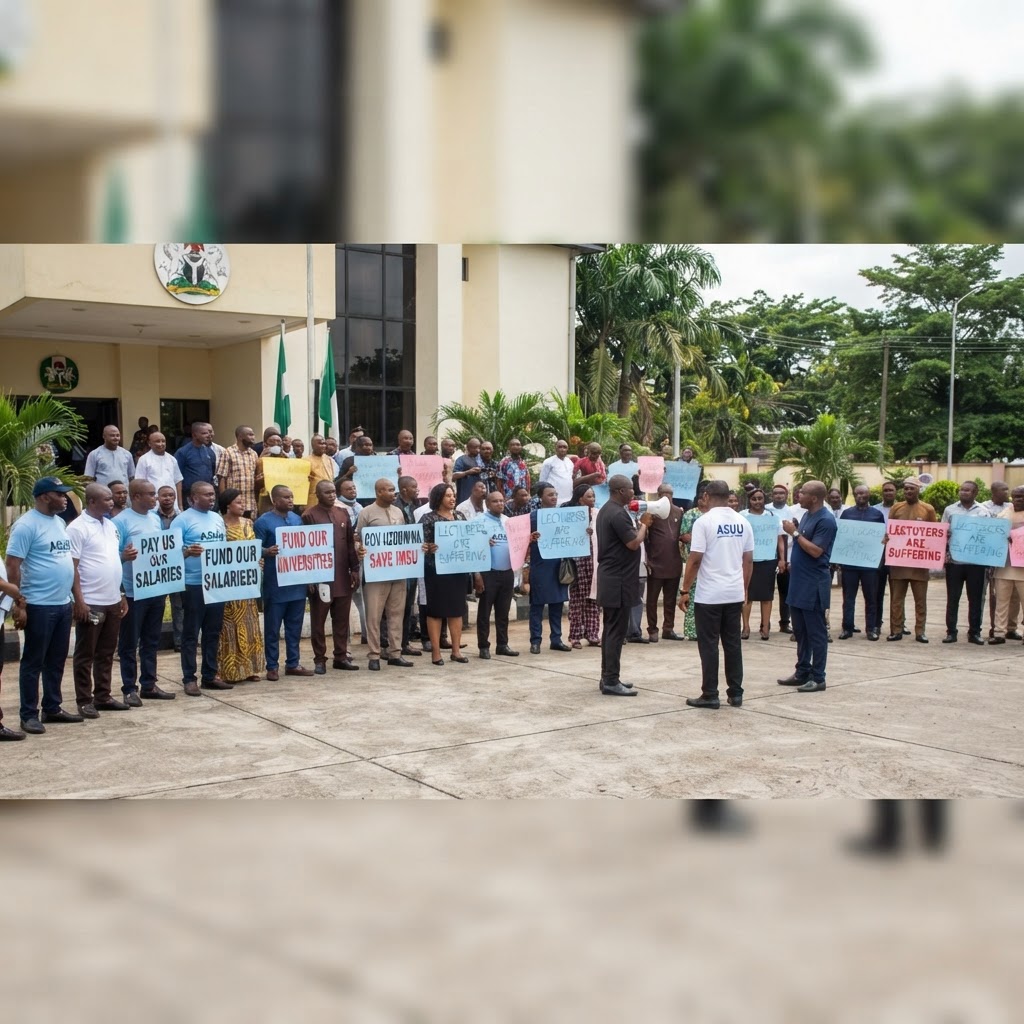
IMSU Lecturers Protest in Owerri, Appeal to Uzodimma to End
The streets of Owerri turned into a sea of white lab coats and placards this week. Hundreds of university lecturers walked out of their offices, choosing protest over silence. The IMSU Lecturers Protest in Owerri, Appeal to Uzodimma to End Months-Long Strike has become a defining moment for Imo Stat...

JAMB Candidates Can Now Change Course and Institution Online
Admission season often brings long queues and costly transport for Nigerian families. That burden has just eased. JAMB candidates can now change their institutions and courses from home, as the board announces a new digital correction service, giving students and parents fresh control over their aca...

House Summons NAFDAC and DSS Over Fake Drug Deaths
Four people are dead, eleven more are fighting for their lives, and a federal lawmaker wants answers now. Fake Drug deaths linked to a suspicious herbal concoction have pushed the House of Representatives to move decisively, summoning NAFDAC and the DSS in a case that is no longer a distant headline...

Prevent Kidney Disease With Regular Health Checks
Kidney health rarely makes headlines until a crisis hits a family. Yet understanding Kidney Disease: Why Regular Health Checks Can Help Prevent Serious Complications can save lives, protect household income, and strengthen community wellbeing across Nigeria. Kidney Disease often develops quietly ove...

Budget-Friendly Healthy Meal Prepping for Nigerians
Modern Nigerian families face the dual pressure of rising food prices and the need for better health outcomes. Learning how Nigerian families can(/article/nigerian-family-guide-to-reversing-type-2-diabetes) use meal prepping with local ingredients to eat healthy on a tight budget is a vital skill fo...

Beyond Degrees: Bridging Nigeria's Digital Skills Gap
Nigeria's graduates are flooding the job market faster than employers can absorb them. Yet many arrive with certificates but no practical digital competence. This is the heart of Digital Skills and Youth Employment: Why Nigerian Graduates Need More Than University Certificates.—a gap that is reshapi...
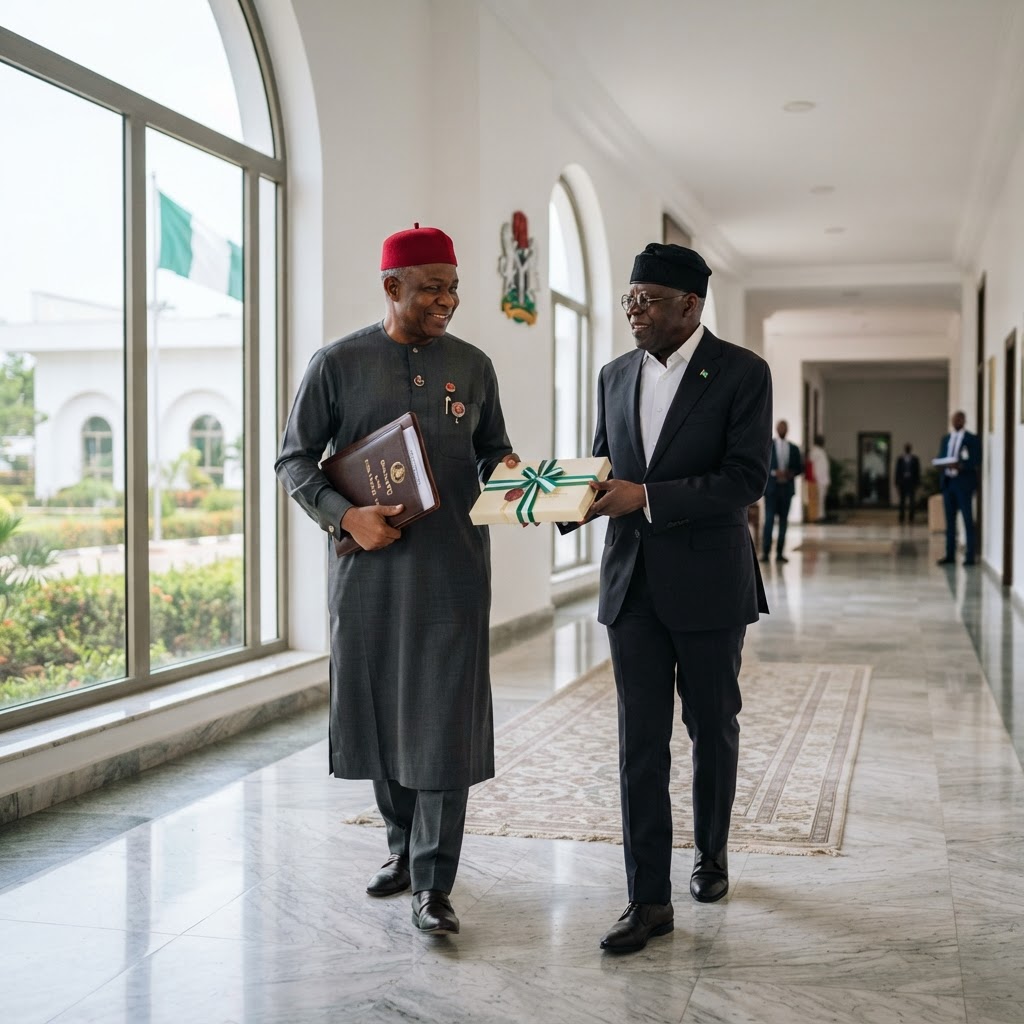
Senate Sends State Police Bill to Tinubu for Approval
Nigeria's security architecture is entering a new chapter. The headline development, State Police Bill: Senate Transmits Constitutional Amendment to Tinubu for Presidential Assent, signals a historic shift toward decentralized policing. For Nigerian families, entrepreneurs, and community leaders, th...
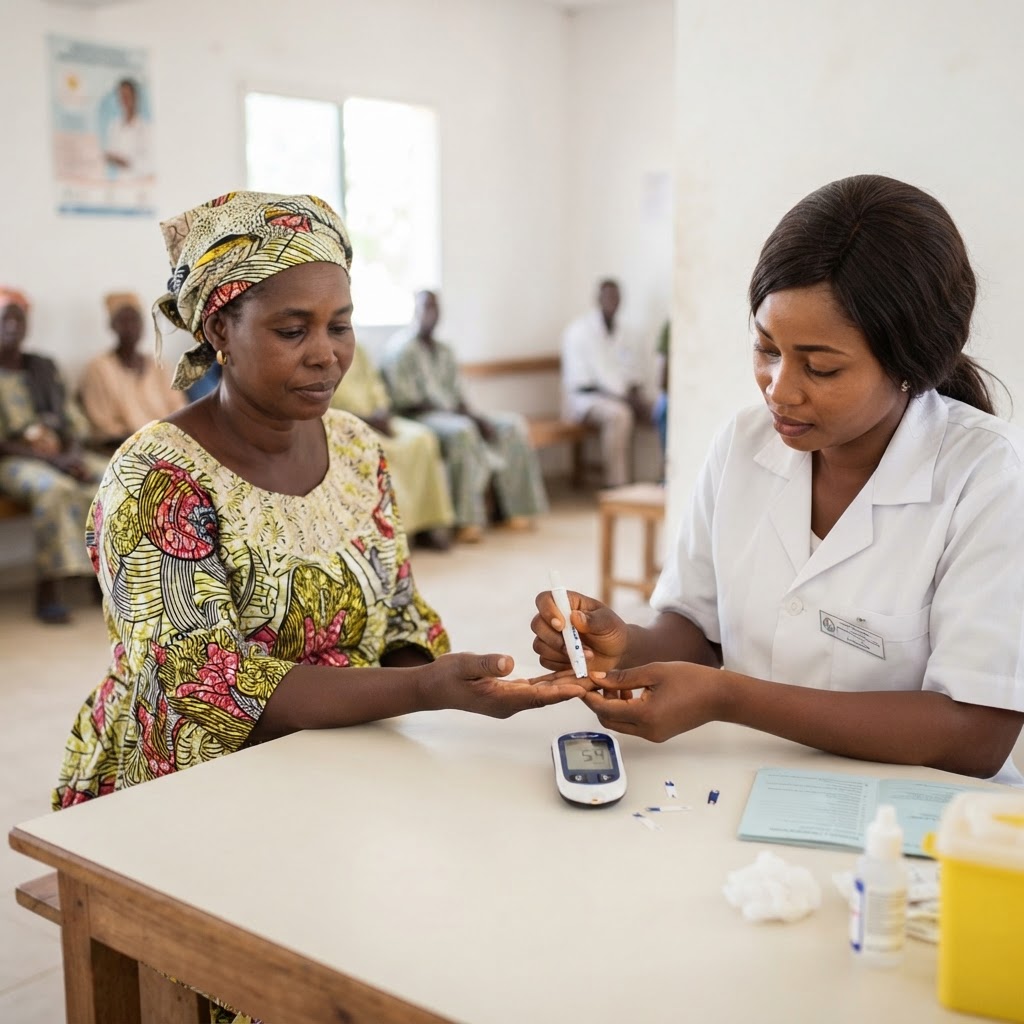
Diabetes in Africa: Why Routine Screening Is Vital
Imagine a disease that silently damages organs for years before anyone notices. That is the reality for millions living in Africa today. According to the latest report, Diabetes: Three Out of Four Africans Living With the Condition May Be Unaware – Why Screening Matters, and this gap in knowledge is...
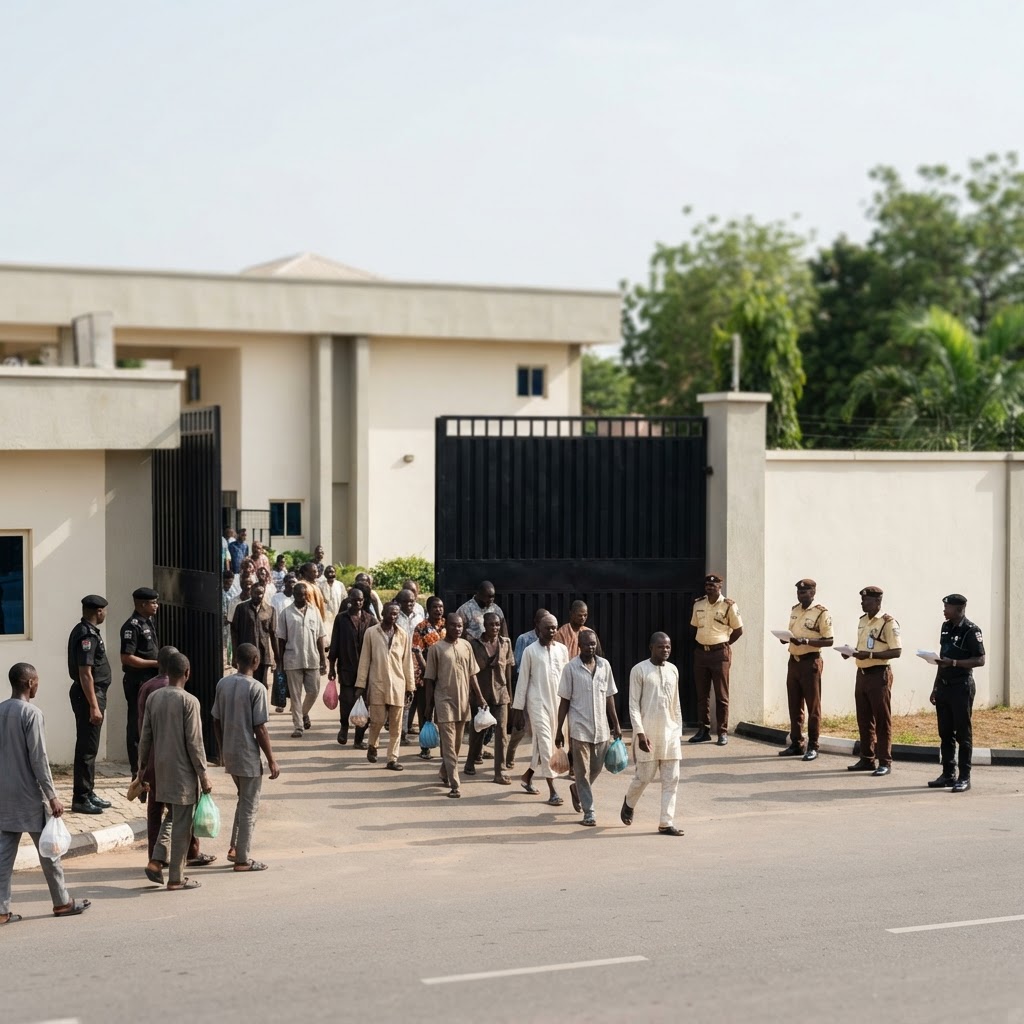
Tinubu Orders Release of 78 Suspects in Convoy Attack
A single Friday afternoon in Abuja turned into a national talking point. News that President Tinubu Orders Release of 78 Suspects Arrested Over Attack on His Convoy in Abuja quickly spread across radio, television, and social media. For many Nigerian families, the story raised fresh questions about ...