Powered by Obi Mbieri Independent Media Ltd.
$1 = ₦1,353€1 = ₦1,486£1 = ₦1,77537 Suspected Illegal Miners Die in NSCDC Custody in Niger State
The deaths of 37 human beings in state custody should never be reduced to a statistic. Yet on a deeply troubling day in September 2026, that is precisely what happened in Niger State, Nigeria, when 37 suspected illegal miners died while detained by the Nigeria Security and Civil Defence Corps (NSCDC...
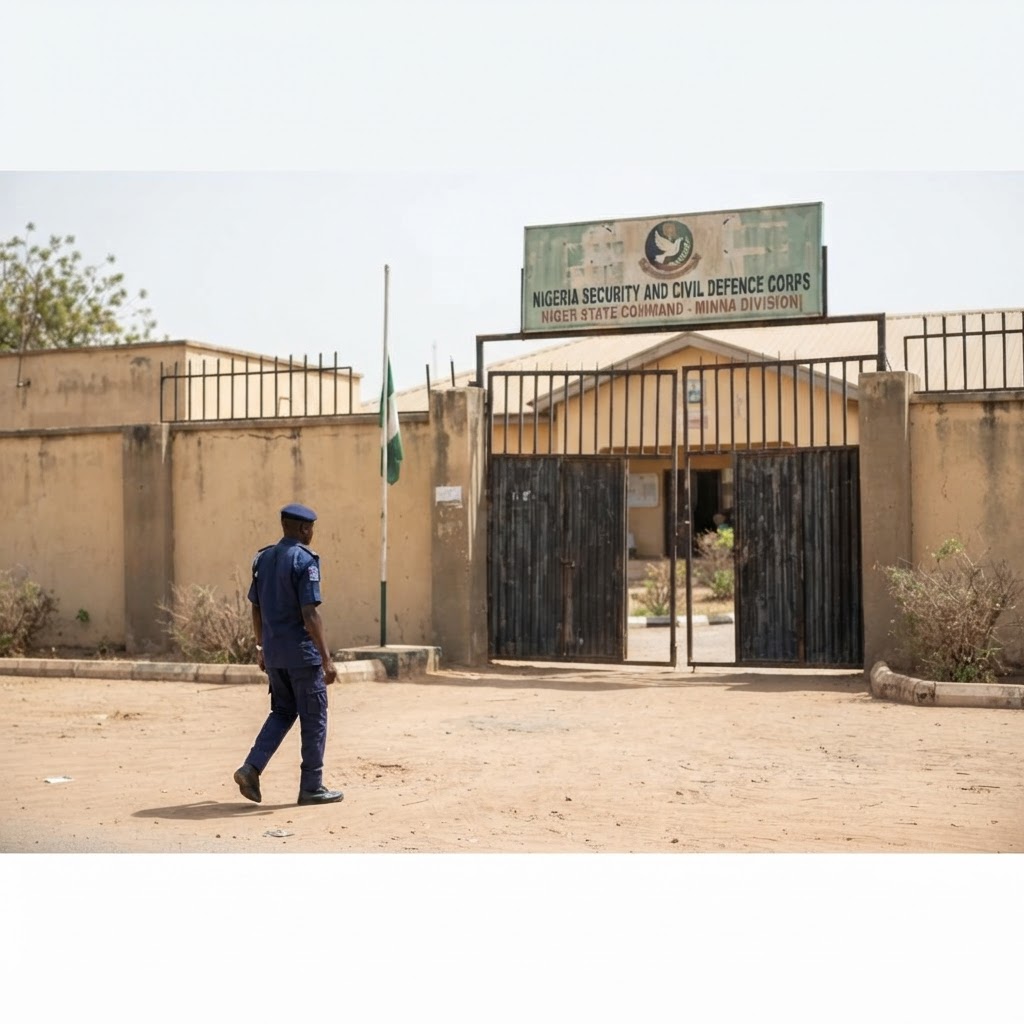
The deaths of 37 human beings in state custody should never be reduced to a statistic. Yet on a deeply troubling day in September 2026, that is precisely what happened in Niger State, Nigeria, when 37 suspected illegal miners died while detained by the Nigeria Security and Civil Defence Corps (NSCDC). The incident has sent shockwaves through Nigerian civil society, raised urgent questions about the treatment of detainees in state facilities, and shone a harsh light on the deeper economic desperation driving thousands of Nigerians into dangerous, unregulated mining activities. For Nigerian families, community stakeholders, and policymakers alike, this tragedy demands more than mourning — it demands honest answers, systemic reform, and a recommitment to the dignity of every citizen.
What Happened in NSCDC Custody in Niger State?
A tragic loss of life under state supervision
According to reporting by AFP, 37 suspected illegal miners died while being held in an NSCDC detention facility in Niger State in September 2026. The official account from state authorities pointed to a "suspected disease outbreak" as the cause of death — a characterisation that has been met with scepticism by human rights observers and survivor testimony alike.
The account provided by survivor Dauda Shehu paints a far more disturbing picture. According to Shehu, approximately 65 detainees were packed into a single, poorly ventilated cell. In conditions of extreme heat, inadequate airflow, and without access to sufficient water or medical attention, the human body simply cannot survive. What officials have labelled a disease outbreak may more accurately be described as a preventable mass death resulting from the failure of basic custodial duty of care.
In the immediate aftermath of the deaths, an NSCDC commander was detained as part of the preliminary response to the incident. Governor Mohammed Umaru Bago of Niger State took the significant step of declaring a three-day mourning period — an acknowledgement of the gravity of the loss that also signalled political pressure for accountability. However, mourning, while appropriate, is not sufficient. Families of the deceased are owed a full, transparent, and independent account of exactly how their loved ones died in the custody of a state institution sworn to protect Nigerian lives.
The 37 individuals who died had not been convicted of any crime. They were suspects — human beings entitled, under Nigerian law and international human rights standards, to humane treatment regardless of the allegations against them.
Why Is Illegal Mining So Prevalent in Niger State?
Poverty, gold, and desperation collide
To understand why thousands of Nigerians risk their lives in illegal mining, one must first understand the economic landscape of Niger State. The state is the largest in Nigeria by land area, spanning more than 76,000 square kilometres — more than twice the area of Belgium. Beneath its soil lie significant deposits of gold, gemstones, limestone, and other mineral resources that represent immense wealth on paper, yet have historically delivered very little prosperity to the local population.
Artisanal and small-scale mining (ASM) has existed in this region for generations. When formal employment opportunities are scarce and agricultural income is unreliable, the promise of finding gold — even a small nugget — can seem like the most rational economic choice available. Nigeria's unemployment rate has persistently hovered in double digits, and in rural Niger State, the informal economy is frequently the only economy that exists for ordinary families.
The tragedy is compounded by the presence of criminal gangs and armed bandits who have increasingly infiltrated the artisanal mining sector across North-Central and North-West Nigeria. These groups exploit desperate miners, extort communities, and create an environment of violence and insecurity around mining sites. The Nigerian government's response has often been primarily punitive — crackdowns, arrests, and detentions — without addressing the underlying economic conditions that make illegal mining so attractive in the first place.
For young men with no access to formal employment, no capital to start a legitimate business, and no pathway to the CBN small business loans that could fund an alternative livelihood, artisanal mining is not irrational. It is, in the absence of better options, entirely logical. Any serious policy response must grapple honestly with that reality rather than treating miners purely as criminals to be detained.
The environmental costs are also severe. Unregulated mining strips topsoil, contaminates water sources, and destroys farmland — undermining the agricultural economy that many rural families depend upon. The scramble for gold, in the absence of regulation and oversight, is a race to the bottom that leaves communities poorer and landscapes scarred.
How Do Overcrowding and Poor Detention Conditions Impact Human Rights?
The urgent case for custodial reform in Nigeria
The deaths in Niger State are not an isolated anomaly — they are a symptom of a systemic crisis in Nigerian custodial infrastructure. Nigeria's prisons and detention centres have long been documented as severely overcrowded. The Nigerian Correctional Service has repeatedly acknowledged that facilities built to house a fraction of their current populations are operating far beyond capacity. When security agencies like the NSCDC conduct mass arrests — as happened with the miners — detainees are frequently channelled into facilities wholly unequipped to receive them.
Poor ventilation in overcrowded cells creates conditions where heat exhaustion, dehydration, and the rapid spread of respiratory and infectious diseases become near-inevitable outcomes. Without access to clean water, sanitation, and prompt medical attention, even otherwise healthy individuals can deteriorate and die within hours. This is not speculation — it is the documented pattern of custodial deaths across multiple Nigerian states over many years.
The Nigerian Constitution and the African Charter on Human and Peoples' Rights, to which Nigeria is a signatory, are unambiguous: every person deprived of their liberty retains the right to be treated with dignity and to receive adequate healthcare. The 37 miners who died were suspects, not convicted criminals. The state held full responsibility for their welfare from the moment of their arrest.
Featured Products
Reverse Type 2 Diabetes & other associated Metabolic Issues using Dr. Jason Fung's Evidence-Based Approach— FMD program for Type 2 Diabetes
A practical fasting and fasting-mimicking programme built on Dr Jason Fung's insulin-resistance principles and ow-glycemic recipes.
₦19,950
Join NowChukwu Abiama Tee
Bold black-and-gold Igbo-pride T-shirt featuring 'Chukwu Abiama' in premium streetwear typography.
₦15,000
Buy NowỤmụ Igbo Tee
Classic black T-shirt with bold white 'Ụmụ Igbo' typography — a proud statement of Igbo heritage.
₦15,000
Buy NowNwanne Tee
Washed khaki vintage tee with a faded rust-orange 'Nwanne' stamp badge and palm leaf motif — a nod to kinship and heritage.
₦18,000
Buy NowObodo Tee
Faded denim-blue washed tee with a cream 'Obodo' stamp badge and sun motif, celebrating community roots.
₦18,000
Buy NowEkwe Heritage Tee
Deep indigo tee featuring a fine line-art illustration of a traditional Igbo ekwe drum, inspired by Igbo-Ukwu bronze artistry.
₦18,000
Buy NowIkenga Figure Tee
Forest green tee with a fine line-art illustration of a stylized Ikenga figure.
₦18,000
Buy NowWhat is urgently needed is independent investigation — not internal reviews conducted by the same institutions implicated in the deaths. Civil society organisations, the National Human Rights Commission, and legal advocates must be given full access to the facts of this case. Accountability for custodial deaths is not a courtesy; it is a legal and moral obligation. Without it, security agencies have no incentive to reform practices that cost lives.
For families navigating health emergencies or seeking credible medical facilities, having access to reliable information — such as what you would find in a guide to the best hospitals in Imo State — is a reminder that access to quality healthcare and dignified treatment should be a baseline expectation for every Nigerian, not a privilege.
The Nigerian government must invest in custodial infrastructure, enforce strict limits on detention capacity, mandate regular independent inspections, and establish a clear, enforceable protocol for the medical screening and care of all detainees. These are not radical demands. They are the minimum standards of a functioning, rights-respecting state.
What Can Be Done to Protect Communities and the Environment?
Regulation, health, and economic survival together
The most durable solution to illegal mining is not mass arrest — it is formalisation. A structured, government-supported artisanal mining framework would allow small-scale miners to operate legally, with access to basic safety equipment, health protections, and fair market prices for their ore. In exchange, the government gains tax revenue, environmental oversight, and the ability to regulate conditions at mining sites. Countries including Ghana and Tanzania have implemented artisanal mining formalisation programmes with measurable success in reducing both illegal activity and associated violence.
This is precisely the kind of "Health + Wealth + Community" thinking that transforms policy from a blunt instrument of punishment into a tool of genuine development. When miners operate within a legal framework, they can access workers' compensation, contribute to community development funds, and build legitimate livelihoods. Their families gain stability. Local economies diversify. The influence of criminal gangs, which thrive in the vacuum created by criminalisation without alternative, begins to diminish.
Community-led oversight of mining sites is equally critical. Local traditional institutions, women's groups, and youth associations understand the terrain — both geographical and social — in ways that distant federal agencies do not. Empowering communities to monitor and report on mining activity, rather than positioning them as passive subjects of enforcement, builds the kind of local accountability that no crackdown can replicate.
On the health and economic empowerment side, government agencies and civil society organisations must invest in vocational training, cooperative enterprise development, and financial literacy programmes targeted at communities adjacent to mining zones. Young people who have access to viable economic alternatives are far less likely to enter the dangerous informal mining economy. Entrepreneurs seeking to formalise their activities can benefit from resources on how to register a business in Imo — the same enabling infrastructure needs to be extended and adapted for resource-rich states like Niger.
Preventive healthcare must also be part of this equation. Mining communities face disproportionate exposure to respiratory illness, heavy metal poisoning, and physical injury. Mobile health clinics, community health workers, and regular medical screening programmes are investments that pay dividends in human productivity and dignity.
How Can We Move Toward a More Just, Prosperous Future?
Transparency, community, and collective growth
The path forward begins with transparency. The police investigation into the 37 deaths must be conducted openly, with findings made available to the public and to the families of those who died. Without accountability, public trust in Nigerian security institutions will continue to erode — and that erosion has real consequences for community safety and national cohesion.
Community leaders and policymakers must resist the temptation to treat poverty-driven illegal mining as primarily a security problem. It is, at its core, a development failure — and it demands a development response. Punitive measures applied without accompanying investment in economic alternatives do not solve the problem; they defer and deepen it.
At eziokwubundu.com, our commitment is to informed, evidence-based advocacy rooted in the belief that individual wellbeing and community prosperity are inseparable. The 37 lives lost in Niger State represent families shattered, communities diminished, and a collective failure we must not allow to be forgotten. For additional context on navigating state services and emergency response frameworks, the Imo State Emergency Contacts Directory is one example of the practical, community-first resources we are committed to building — because better information, shared widely, saves lives.
Nigeria's mineral wealth belongs to all Nigerians. It is time our institutions acted that way.
Sources: AFP Report on Niger State Miner Deaths | Nigerian Correctional Service | African Charter on Human and Peoples' Rights — African Union
Stay Informed
Get New Articles in Your Inbox
Subscribe to receive the latest community development, health, and wealth insights from Eziokwubundu.
Newsletter
Practical insights on health, wealth, and community — delivered weekly.
Community Discussion(0)
Leave a Comment
More to Read
You May Also Like

Obi-Mbieri Mourns Engr. Vitalis Opara: Questions Emerge Over Community’s Silence
Engr. Vitalis Opara is identified as President General on the signature page of the Obi-Mbieri Autonomous Community Constitution 2020 as amended.
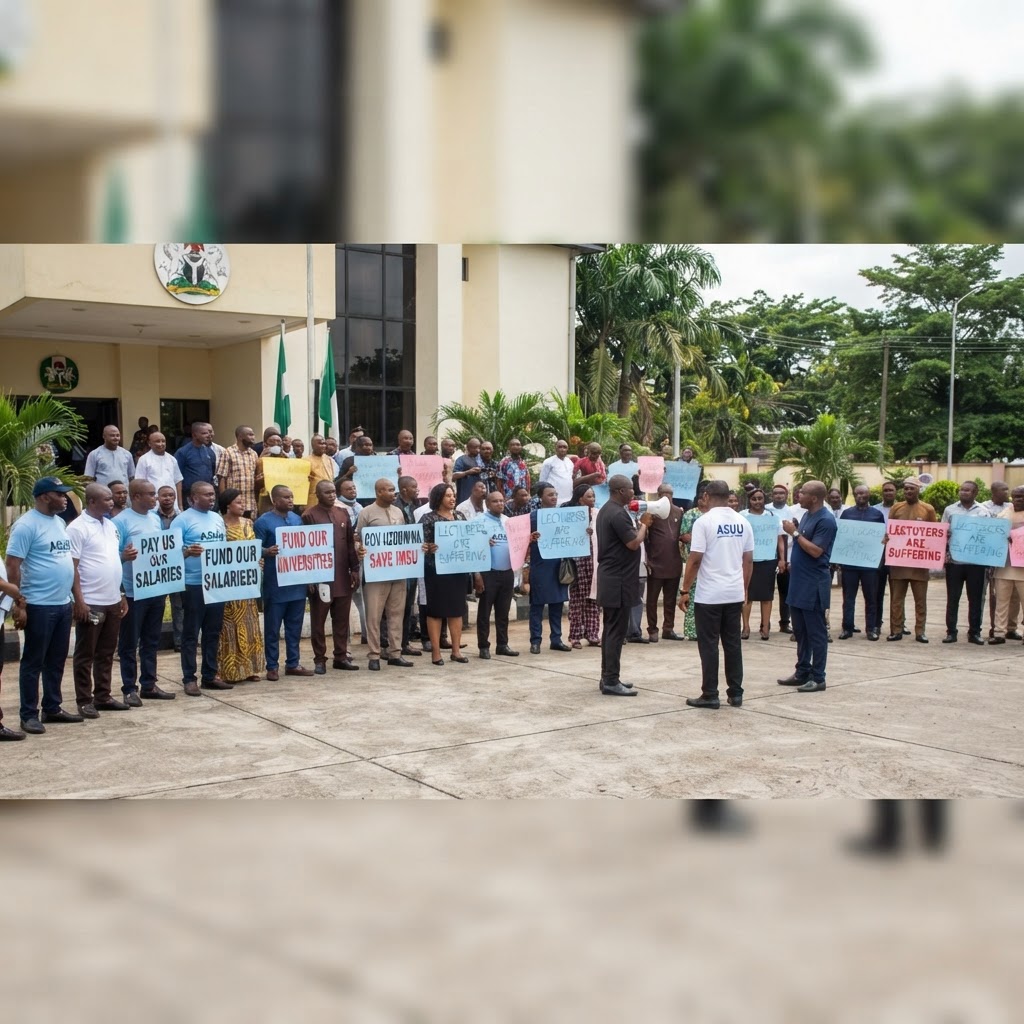
IMSU Lecturers Protest in Owerri, Appeal to Uzodimma to End
The streets of Owerri turned into a sea of white lab coats and placards this week. Hundreds of university lecturers walked out of their offices, choosing protest over silence. The IMSU Lecturers Protest in Owerri, Appeal to Uzodimma to End Months-Long Strike has become a defining moment for Imo Stat...

JAMB Candidates Can Now Change Course and Institution Online
Admission season often brings long queues and costly transport for Nigerian families. That burden has just eased. JAMB candidates can now change their institutions and courses from home, as the board announces a new digital correction service, giving students and parents fresh control over their aca...

House Summons NAFDAC and DSS Over Fake Drug Deaths
Four people are dead, eleven more are fighting for their lives, and a federal lawmaker wants answers now. Fake Drug deaths linked to a suspicious herbal concoction have pushed the House of Representatives to move decisively, summoning NAFDAC and the DSS in a case that is no longer a distant headline...

Prevent Kidney Disease With Regular Health Checks
Kidney health rarely makes headlines until a crisis hits a family. Yet understanding Kidney Disease: Why Regular Health Checks Can Help Prevent Serious Complications can save lives, protect household income, and strengthen community wellbeing across Nigeria. Kidney Disease often develops quietly ove...

Budget-Friendly Healthy Meal Prepping for Nigerians
Modern Nigerian families face the dual pressure of rising food prices and the need for better health outcomes. Learning how Nigerian families can(/article/nigerian-family-guide-to-reversing-type-2-diabetes) use meal prepping with local ingredients to eat healthy on a tight budget is a vital skill fo...

Beyond Degrees: Bridging Nigeria's Digital Skills Gap
Nigeria's graduates are flooding the job market faster than employers can absorb them. Yet many arrive with certificates but no practical digital competence. This is the heart of Digital Skills and Youth Employment: Why Nigerian Graduates Need More Than University Certificates.—a gap that is reshapi...

Senate Sends State Police Bill to Tinubu for Approval
Nigeria's security architecture is entering a new chapter. The headline development, State Police Bill: Senate Transmits Constitutional Amendment to Tinubu for Presidential Assent, signals a historic shift toward decentralized policing. For Nigerian families, entrepreneurs, and community leaders, th...
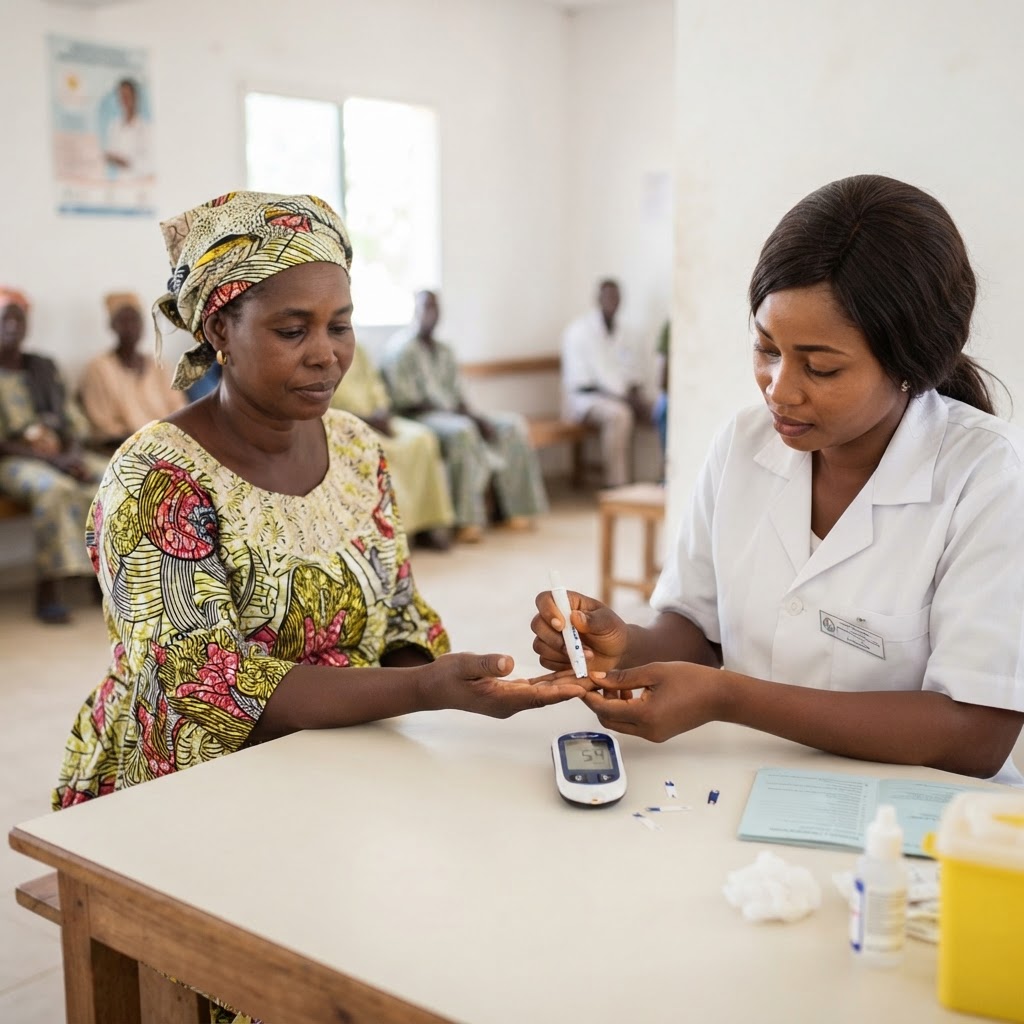
Diabetes in Africa: Why Routine Screening Is Vital
Imagine a disease that silently damages organs for years before anyone notices. That is the reality for millions living in Africa today. According to the latest report, Diabetes: Three Out of Four Africans Living With the Condition May Be Unaware – Why Screening Matters, and this gap in knowledge is...
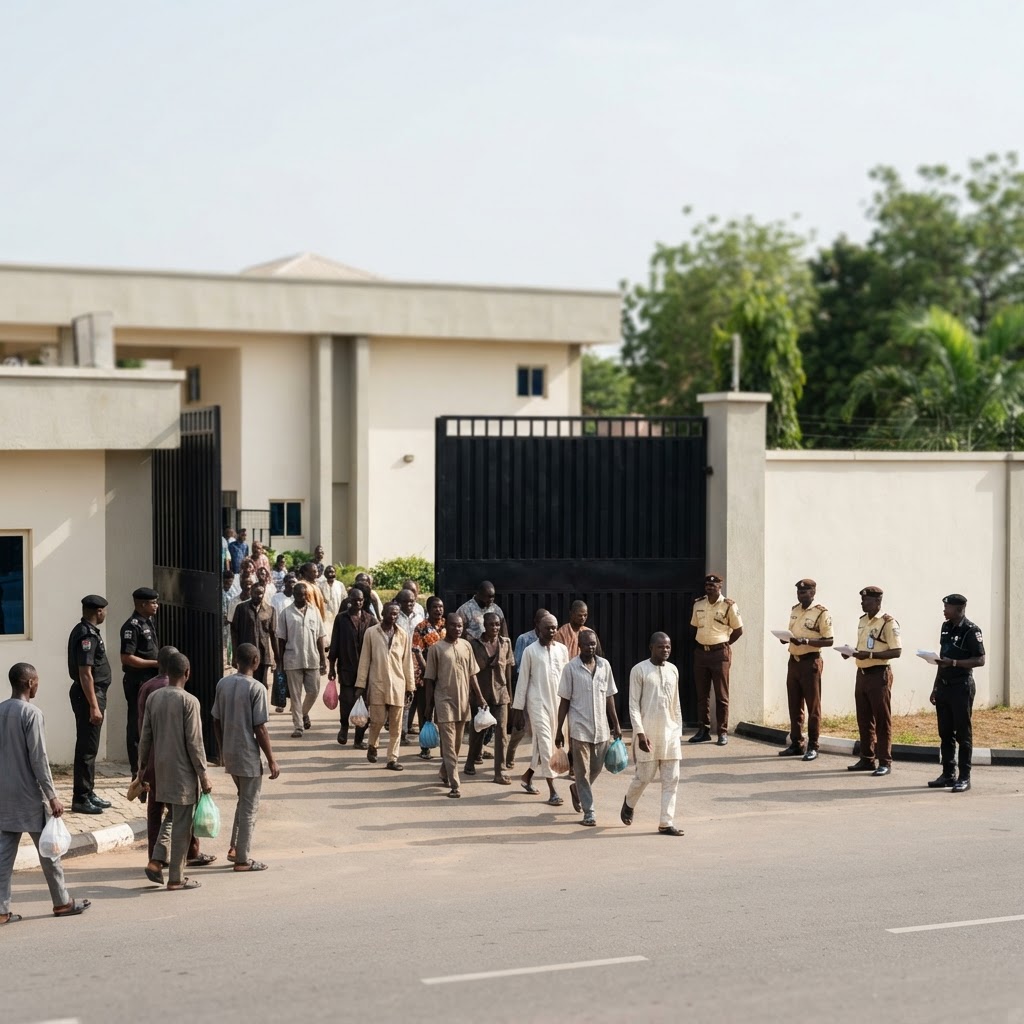
Tinubu Orders Release of 78 Suspects in Convoy Attack
A single Friday afternoon in Abuja turned into a national talking point. News that President Tinubu Orders Release of 78 Suspects Arrested Over Attack on His Convoy in Abuja quickly spread across radio, television, and social media. For many Nigerian families, the story raised fresh questions about ...