Powered by Obi Mbieri Independent Media Ltd · eziokwubundu.com
$1 = ₦1,346€1 = ₦1,569£1 = ₦1,830Understanding the Naira: A Practical Guide to Currency Stability
Understanding why the naira behaves the way it does — and what you can do to protect your purchasing power — is no longer a topic only for economists. It is essential knowledge for every Nigerian household.

The value of the naira affects every aspect of daily life — from the price of tomatoes in the market to school fees, fuel costs, and the value of your savings. Understanding why the naira behaves the way it does, and what you can do to protect your purchasing power, is essential knowledge for every Nigerian household.
Why Exchange Rates Matter to Everyone
Nigeria imports a significant portion of its food, fuel, and manufactured goods. When the naira weakens against the dollar, the cost of these imports rises — and this cost is eventually passed to consumers at every level of the supply chain. This is why a factory worker in Kano can feel the impact of events on Wall Street or in London's commodity markets.
Featured Product
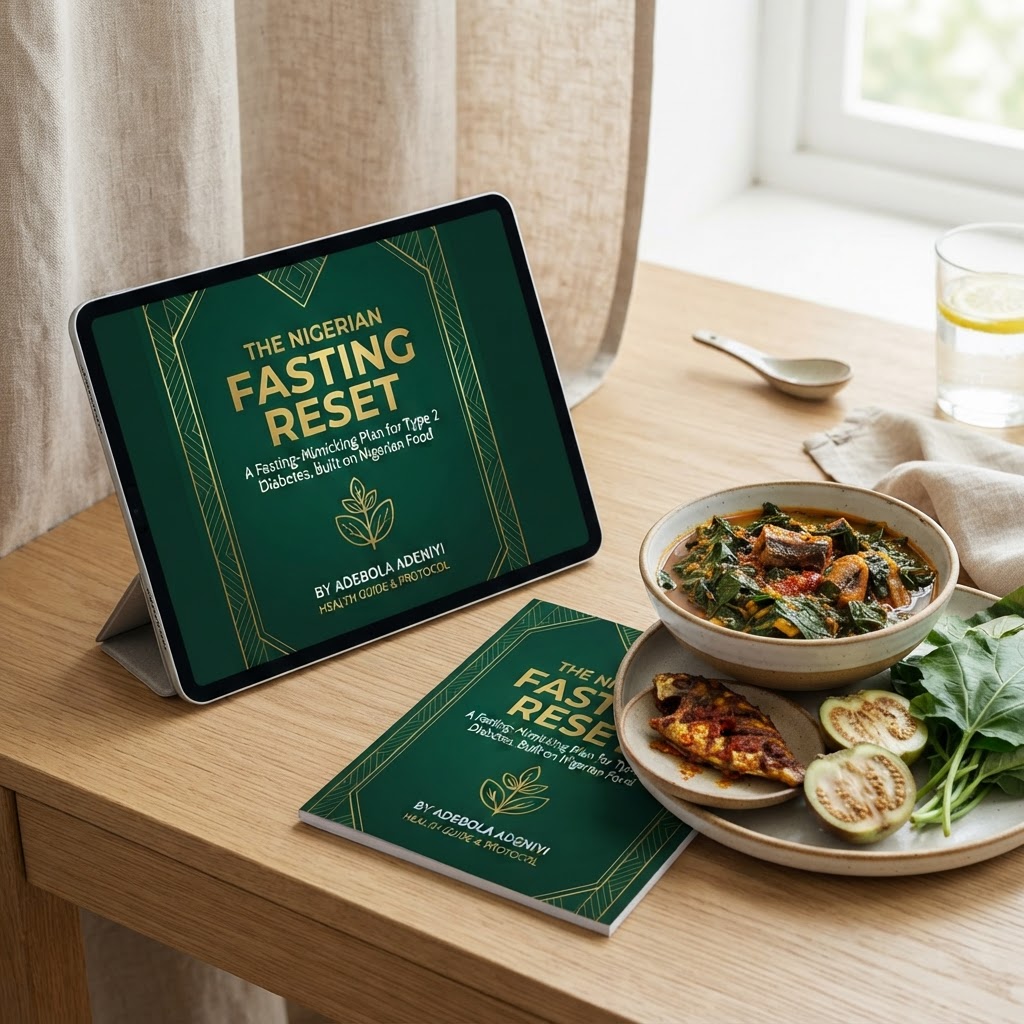
Reverse Type 2 Diabetes & other associated Metabolic Issues using Dr. Jason Fung's Evidence-Based Approach— FMD program for Type 2 Diabetes
A practical fasting and fasting-mimicking programme built on Dr Jason Fung's insulin-resistance principles and ow-glycemic recipes.
₦19,950
Join NowThe Inflation-Wealth Trap
Keeping savings in naira cash under your mattress — or even in a traditional savings account — means watching your wealth erode silently through inflation. At 25-30% annual inflation, ₦1 million today will have the purchasing power of roughly ₦700,000 next year if kept in a low-interest account.
Practical Strategies to Protect Your Purchasing Power
- Diversify into real assets: Land, property, and productive equipment retain value better than cash.
- Consider dollar-denominated instruments: Many Nigerian banks and fintech platforms now offer dollar savings accounts and investments.
- Invest in the stock market: Well-run Nigerian companies adjust their prices to reflect inflation, meaning their shares often grow with or above inflation.
- Cooperative and business investment: Money working in a productive enterprise outpaces inflation better than passive savings.
"Financial education is not a luxury for the middle class. It is a survival tool for every Nigerian family." — Eziokwubundu Editorial Team
You do not need to be an economist to make smart financial decisions. You simply need access to clear, honest information — and that is precisely what Eziokwubundu exists to provide.
Stay Informed
Get New Articles in Your Inbox
Subscribe to receive the latest community development, health, and wealth insights from Eziokwubundu.
Newsletter
Practical insights on health, wealth, and community — delivered weekly.
Community Discussion(0)
Leave a Comment
More to Read
You May Also Like

Health Is Wealth: Why Nigerians Are Rethinking Prosperity in 2026
For decades, prosperity in Nigeria was measured in a single currency: money. A fat bank account, a fleet of cars, multiple properties, and the social clout that came with them defined whether a person had "made it." But 2026 is telling a different story. Across Lagos boardrooms, Aba markets, Abuja t...
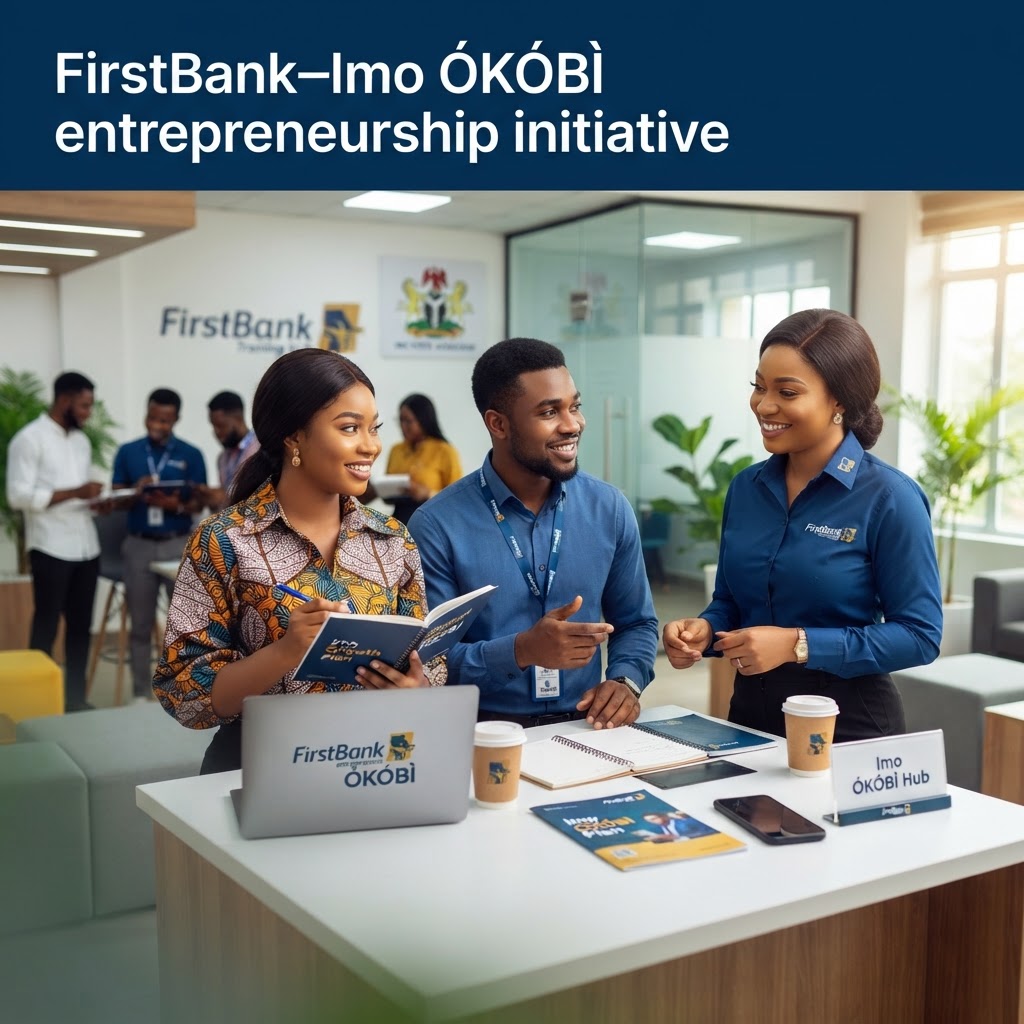
FirstBank–Imo ÓKÓBÌ entrepreneurship initiative
The intersection of traditional African kinship structures and modern institutional finance is rarely a comfortable space. Yet in Imo State, Nigeria, something remarkable is taking shape — a formally structured, internationally recognised programme that converts the age-old practice of communal soli...
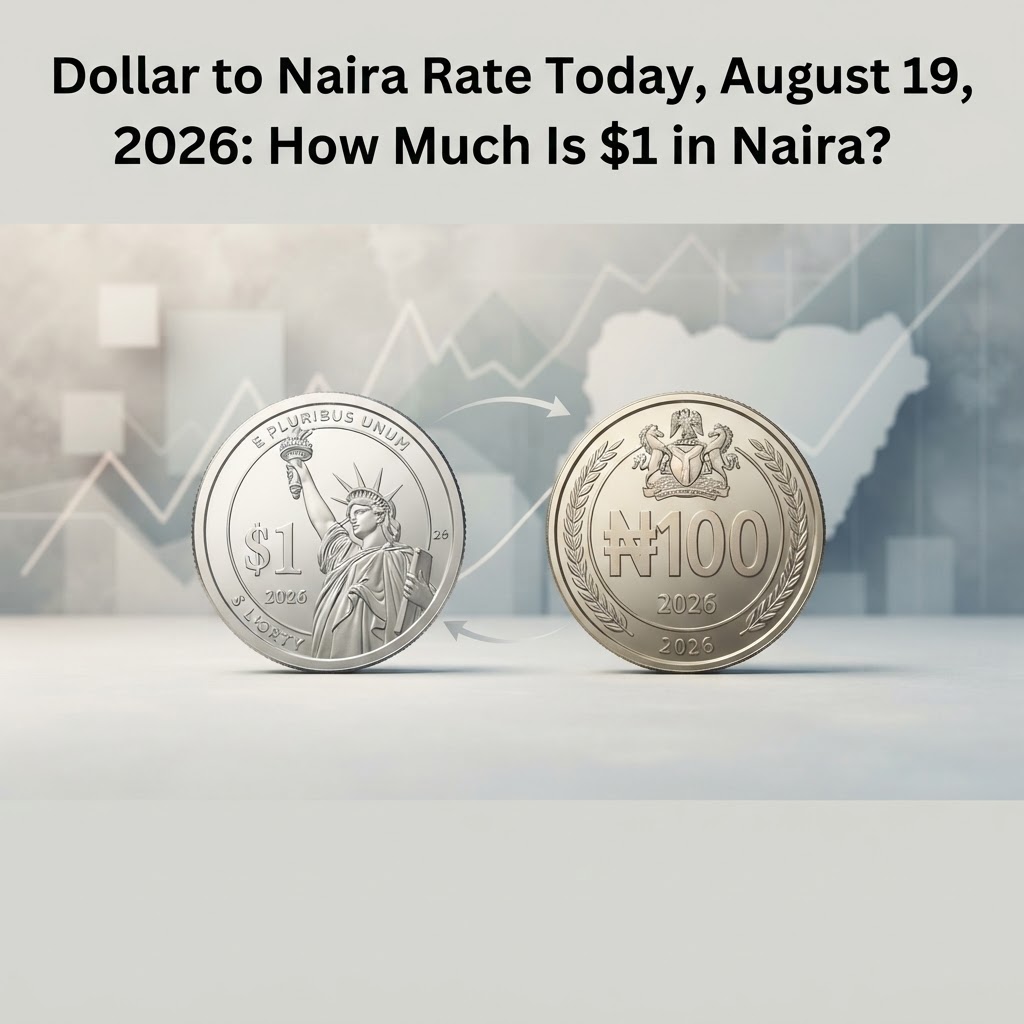
Dollar to Naira Rate Today, August 19, 2026: How Much Is $1 in Naira?
The exchange rate between the US Dollar and the Nigerian Naira continues to be one of the most closely watched economic indicators in Nigeria. For Nigerian families, entrepreneurs, students, and diaspora members sending money home, understanding today's rate is not merely a financial exercise — it i...

FG Opens N50 Million Housing Loan Portal — Here's How Nigerians Can Apply
For millions of Nigerian families, owning a home has long felt like a distant dream — perpetually deferred by skyrocketing real estate prices, punishing commercial mortgage rates, and a chronic shortage of accessible long-term financing. That reality is now shifting. The Federal Government, through ...

N300 Million for South Africa Returnees: How Imo State Is Supporting Indigenes and Law Students
When a state government moves beyond ribbon-cutting and road construction to place cash directly in the hands of traumatized returnees and financially stretched students, it signals a profound shift in governance philosophy. That is precisely what Imo State Governor Hope Uzodimma has done with the a...
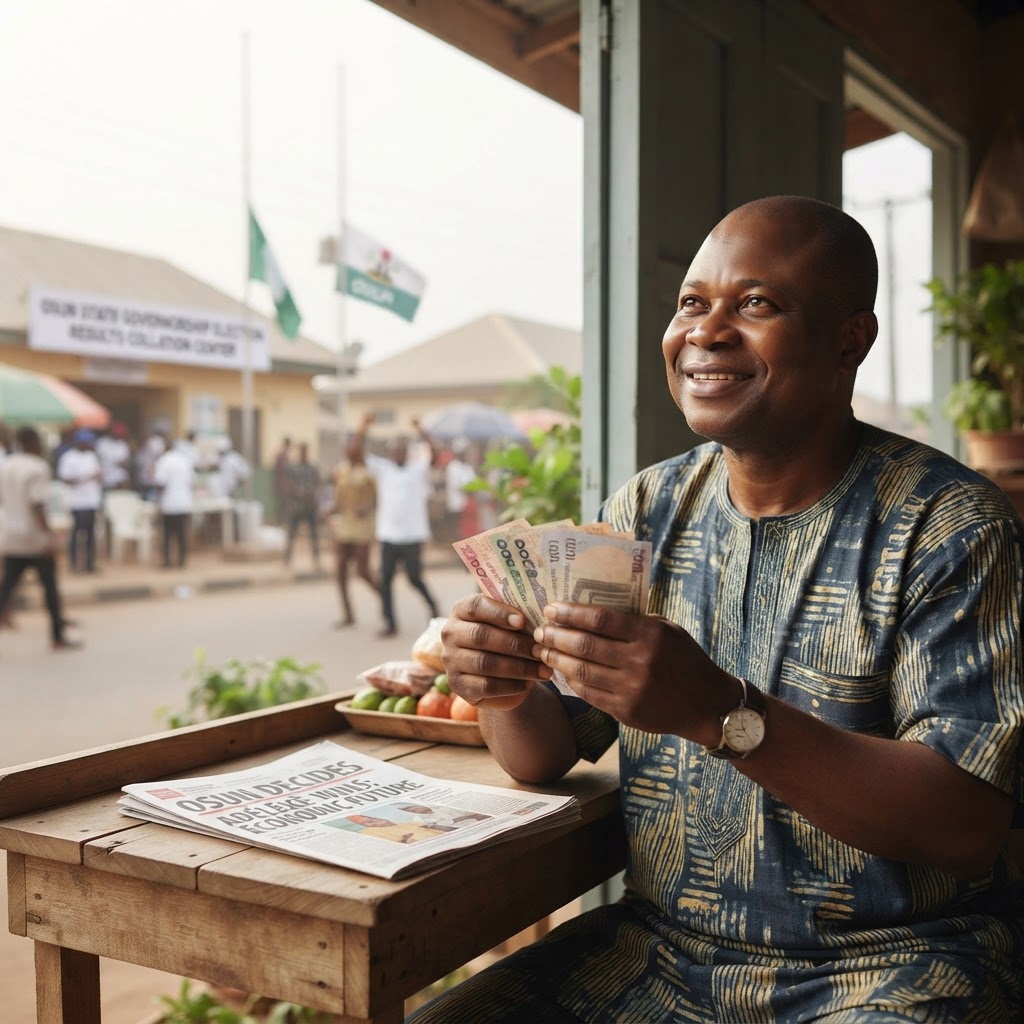
Osun 2026 Election Result: What Adeleke's Win Means for Nigerians' Pockets
The dust has settled over Osogbo, and with it comes a political verdict that carries significant economic weight for millions of Nigerians. Governor Ademola Adeleke's re-election victory in the Osun 2026 governorship election is more than a political triumph — it is a financial signal that middle-cl...

300,000-Imo youth startup program. Apply Now.
Imo State has quietly positioned itself at the center of one of the most ambitious youth empowerment initiatives in West Africa. A $15 million partnership with a Silicon Valley accelerator is opening doors for up to 300,000 young Nigerians to access world-class training, global mentorship, and legit...
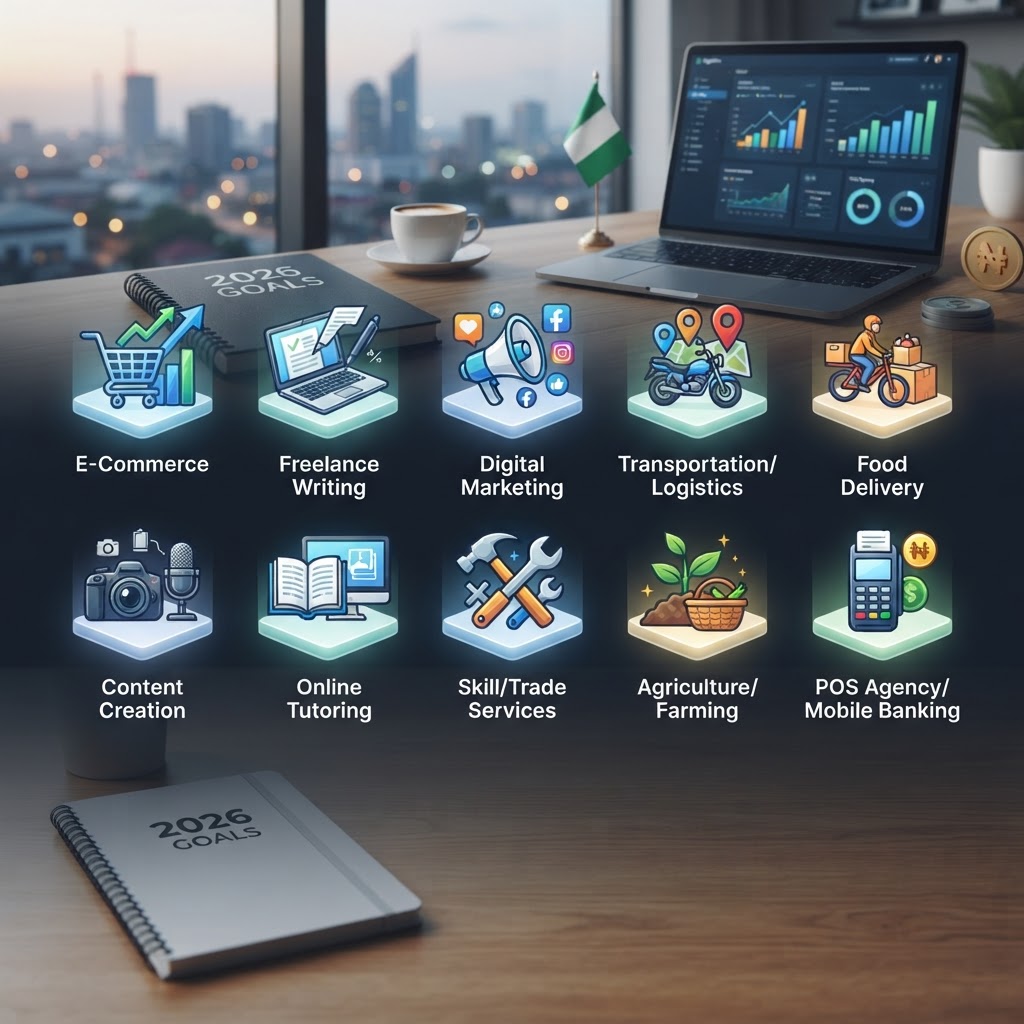
Community Youths: Beat Inflation with these Profitable Side Hustles
Nigeria's cost of living squeeze has not eased in 2026 — it has intensified. Annual inflation stood at 15.91% in June 2026, holding roughly steady from May's six-month high, with food inflation quickening for a fifth consecutive month to 17.52%. Housing and utility costs accelerated to 11.19% from 9...

Proven Ways to Earn Money on BongoPrice.com
Nigerian families are under mounting financial pressure. The naira's volatility, rising food costs, and shrinking household purchasing power have made financial literacy and digital income diversification not optional but essential. BongoPrice has emerged as a practical answer to these pressures — a...

Liquid Soap, Solid Income: Tapping Into a Growing Market
There is a business hiding in plain sight across Nigerian neighbourhoods, one that does not require imported technology, a university degree, or a bank loan to begin. Liquid soap production is that business. From Lagos workshops to Enugu backyard sheds, everyday Nigerians are turning a basic hygiene...