Powered by Obi Mbieri Independent Media Ltd.
$1 = ₦1,353€1 = ₦1,486£1 = ₦1,775Osun terror alert
Credible intelligence reports of planned attacks on churches, mosques, and markets in Osun State have placed the South-West on high alert — here is what every Nigerian family needs to know right now. Security agencies and community stakeholders across Osun State are on edge following the emergence o...

Credible intelligence reports of planned attacks on churches, mosques, and markets in Osun State have placed the South-West on high alert — here is what every Nigerian family needs to know right now.
Security agencies and community stakeholders across Osun State are on edge following the emergence of alarming intelligence reports indicating that churches, central mosques, and crowded open-air markets are under a coordinated terror threat. The Osun terror alert, as it is now widely referenced in security circles, represents one of the most serious civilian threat advisories the state has faced in recent memory. For Nigerian families, entrepreneurs, and community leaders who depend on public spaces for worship, commerce, and daily livelihood, understanding the nature of this threat — and responding to it intelligently — is not optional. It is a matter of survival.
This article examines the credible intelligence underpinning the alert, explains why soft civilian targets attract asymmetric actors, and provides practical, actionable guidance rooted in the Health + Wealth + Community framework that defines purposeful living in 21st-century Nigeria.
What Sparked the Current Osun Terror Alert?
Investigating credible intelligence reports
Developing reports published this morning, under the headline "Osun Under Threat: Churches, Mosques, Markets Face Terror Plot," reveal that security agencies have intercepted intelligence pointing to planned attacks on high-density civilian sites within Osun State. The specific targets identified are particularly alarming: prominent churches during Sunday services, central mosques during Juma'at prayers, and the crowded open-air markets that form the economic backbone of towns such as Osogbo, Ile-Ife, and Ede.
Security analysts tracking the movement of armed groups across Nigeria's Middle Belt and North-Central zones have noted a pattern of infiltration along border corridors connecting Kwara State forests southward into Osun. These transit routes — traversing poorly monitored woodland boundaries — have reportedly been used to stage personnel and materiel in preparation for urban strikes. The intelligence suggests these are not opportunistic criminal actors but organised groups with deliberate civilian-impact strategies.
What makes this alert particularly striking is its geographic context. Osun has historically maintained a reputation as one of the more stable, relatively peaceful states in Nigeria's South-West. Unlike states that border active conflict theatres, Osun's security environment has benefited from strong traditional governance structures and community cohesion between its Muslim and Christian populations. However, the broader regional spillover — driven by the expansion of banditry networks and ideologically motivated armed groups from the North — has progressively eroded the security buffers that once insulated South-West communities.
Security experts warn that dismissing this alert as speculative would be dangerously complacent. The pattern of escalation seen in Ondo, Ekiti, and Oyo in recent years demonstrates that no South-West state is permanently immune. The INEC releases final 2027 presidential candidate list and associated political developments are also unfolding in this fragile security atmosphere, adding complexity to the national picture.
Why Are Places of Worship and Markets Targeted?
Asymmetric tactics against communal soft targets
To understand the strategic logic of this threat, it is essential to engage with the doctrine of asymmetric warfare. Armed non-state actors — whether ideologically or criminally motivated — deliberately select soft targets: sites with large concentrations of unarmed civilians, limited physical security infrastructure, and strong symbolic value. Churches during Sunday morning services, mosques during Friday Juma'at prayers, and bustling market days fit this profile precisely.
The operational calculus is brutally rational. A single attack on a market day in Osogbo, where thousands of traders and buyers converge, guarantees mass casualties, immediate media amplification, and a disproportionate psychological impact far exceeding the tactical resources invested. For groups seeking to destabilise governance, discredit security agencies, or ignite inter-communal conflict, this return on violence is highly attractive.
The economic shock of such threats cannot be overstated. Informal traders, micro-enterprises, and agricultural supply chain operators — who constitute the overwhelming majority of Osun's market economy — suffer immediately when market days face shutdowns or fear-induced absenteeism. A single disrupted market day in a major trading hub can erase millions of naira in transactions, with cascading effects on household food security, school fees, and small business liquidity. This economic vulnerability is itself a weapon; sustained fear keeps markets empty even without a physical attack occurring.
Perhaps most insidiously, attacks on sacred spaces are engineered to fracture the historic peaceful co-existence of Muslim and Christian communities in Yoruba society. The Yoruba tradition of ẹbí — extended family solidarity that transcends religious identity — has long been a stabilising force in South-West Nigeria. Attacking a mosque and a church in the same campaign is a deliberate attempt to activate sectarian grievance narratives, turning neighbours against each other along religious fault lines. Community and religious leaders must actively counter this weaponisation of discord by publicly reinforcing shared identity and common cause. Resources on what happened to Uzoma Ekeanyanwu and similar community disruption cases illustrate how targeted insecurity can fracture communal trust at multiple levels.
How Can Families and Worshippers Strengthen Personal Safety?
Situational awareness and emergency preparedness
Practical safety does not require militarisation of daily life. What it requires is structured situational awareness — the disciplined habit of observing, assessing, and responding to one's environment with calm intentionality.
Featured Products
Reverse Type 2 Diabetes & other associated Metabolic Issues using Dr. Jason Fung's Evidence-Based Approach— FMD program for Type 2 Diabetes
A practical fasting and fasting-mimicking programme built on Dr Jason Fung's insulin-resistance principles and ow-glycemic recipes.
₦19,950
Join NowChukwu Abiama Tee
Bold black-and-gold Igbo-pride T-shirt featuring 'Chukwu Abiama' in premium streetwear typography.
₦15,000
Buy NowỤmụ Igbo Tee
Classic black T-shirt with bold white 'Ụmụ Igbo' typography — a proud statement of Igbo heritage.
₦15,000
Buy NowNwanne Tee
Washed khaki vintage tee with a faded rust-orange 'Nwanne' stamp badge and palm leaf motif — a nod to kinship and heritage.
₦18,000
Buy NowObodo Tee
Faded denim-blue washed tee with a cream 'Obodo' stamp badge and sun motif, celebrating community roots.
₦18,000
Buy NowEkwe Heritage Tee
Deep indigo tee featuring a fine line-art illustration of a traditional Igbo ekwe drum, inspired by Igbo-Ukwu bronze artistry.
₦18,000
Buy NowIkenga Figure Tee
Forest green tee with a fine line-art illustration of a stylized Ikenga figure.
₦18,000
Buy NowFor congregation leaders — pastors, imams, and church wardens — the immediate priorities include establishing single controlled entry points during services, conducting non-invasive bag and package checks for unrecognised attendees, and vetting unfamiliar vehicles parked in close proximity to worship buildings. Security volunteers should be briefed weekly, and emergency assembly points identified well in advance. The https://www.interpol.int/en/Crimes/Terrorism resource library provides internationally validated frameworks adaptable to community worship settings.
For market goers and daily commuters, the priority is environmental mapping. Before entering any crowded space, mentally identify at least two exit routes. Limit travel during high-risk night hours, particularly along routes passing through poorly lit peripheral zones. Adopt the internationally recognised Run, Hide, Tell emergency mindset: if an attack occurs, run to safety immediately if possible; if not, find solid cover and silence your mobile device; then, when safe, report your precise location and observations to emergency services.
Reporting intelligence to law enforcement is a civic responsibility, and it is most effective when specific. When reporting suspicious activity, provide vehicle registration numbers, physical descriptions of individuals, precise locations using street landmarks, and estimated timeframes. Vague reports reduce response capacity. The Nigeria Police Force emergency line and the DSS tip line are the appropriate channels. Avoid broadcasting unverified intelligence on social media, which risks triggering panic or tipping off suspects.
What Role Must Traditional Rulers and Vigilante Groups Play?
Mobilising grassroots security architecture
Nigeria's statutory security architecture — the Police, the Nigeria Security and Civil Defence Corps (NSCDC), and the Department of State Services — cannot function effectively without grassroots intelligence. In Osun State, the first line of community defence has historically been the traditional institution: Obas, Baales, and their councils of chiefs who maintain intimate knowledge of community boundaries, forest access routes, and unfamiliar migrant settlements.
Traditional rulers are uniquely positioned to perform forest surveillance and boundary monitoring that federal agencies structurally cannot sustain. When an unfamiliar group establishes a temporary settlement near a community's bush border, it is the Baale's household — not a distant security agency — that first receives the information. Institutionalising this intelligence function, with formal reporting pathways to Amotekun and the Police, would dramatically improve threat interception.
The Western Nigeria Security Network — Amotekun Corps — was established precisely to bridge this gap. Deployed across Osun, Oyo, Ogun, Ondo, Ekiti, and Lagos, Amotekun operates with terrain familiarity and community trust that conventional security forces take years to build. The critical operational need right now is coordination: ensuring that local hunters, neighbourhood watches, and Amotekun units operate within a unified command-and-control framework rather than in fragmented parallel structures. According to https://www.vanguardngr.com, Amotekun units have previously intercepted armed suspects in Yoruba forest zones using exactly this collaborative model.
The persistent trust gap between grassroots intelligence sources and federal agencies — driven by fears of retribution, bureaucratic dismissiveness, and communication failures — remains a critical vulnerability. Community leaders must advocate for formal whistleblower protection mechanisms and rapid-response protocols that reward timely intelligence with visible security action. When communities see that their reports produce results, reporting rates increase. This feedback loop is foundational to pre-attack interception. For further reading on governance accountability gaps, the Auditor-General's report flagging ₦124.12bn in procurement irregularities illustrates systemic institutional challenges that also affect security resource deployment.
How Does Insecurity Affect Community Well-Being and Mental Health?
Terror alerts, trauma, and collective resilience
The psychological toll of a sustained terror alert is real, measurable, and often underacknowledged in Nigerian public discourse. Research published by the World Health Organization confirms that communities exposed to prolonged security threats experience elevated rates of generalised anxiety disorder, hypervigilance, disrupted sleep, and trauma responses — particularly among children, the elderly, and individuals with pre-existing mental health vulnerabilities.
For Nigerian families navigating the Osun terror alert, the mental health dimension is inseparable from the physical safety dimension. Parents who are visibly anxious transmit that anxiety to children. Worshippers who stop attending services lose community belonging and spiritual grounding. Traders who abandon market days lose income and social identity simultaneously. Addressing this requires intentional community-level mental health conversations, facilitated through religious councils, school parent associations, and neighbourhood groups.
On the economic resilience front, households should treat this alert as a prompt to review emergency preparedness. Maintain a minimum of two weeks of dry food provisions. Ensure emergency savings — even modest amounts — are accessible in cash, not solely in mobile wallets that may face network disruptions during security incidents. Explore alternative food supply routes and local supplier relationships that reduce dependence on a single market. Practical household financial guidance, such as the frameworks discussed in our Imo State Cost of Living Guide, offers transferable strategies for Osun families navigating economic disruption.
Finally, social solidarity is itself a security tool. Diaspora Nigerians with family in Osun should maintain communication and offer logistical support where possible. Religious councils across denominational lines should issue joint statements affirming community unity. Neighbourhood groups should organise structured check-in systems for elderly and vulnerable residents. Collective action counteracts fear — and in communities where the Osun terror alert has taken hold, visible solidarity is both psychologically protective and operationally useful.
Conclusion
The Osun terror alert is a serious, developing situation that demands calibrated, intelligent responses from every layer of Nigerian society — families, community leaders, security agencies, and traditional institutions alike. Panic serves the attackers. Preparedness, solidarity, and structured action serve the community.
Eziokwubundu.com remains committed to providing Nigerian families with evidence-based, actionable guidance that integrates health, wealth, and community resilience into a unified framework for purposeful living. Stay informed, stay connected, and stay prepared.
Stay Informed
Get New Articles in Your Inbox
Subscribe to receive the latest community development, health, and wealth insights from Eziokwubundu.
Newsletter
Practical insights on health, wealth, and community — delivered weekly.
Community Discussion(0)
Leave a Comment
More to Read
You May Also Like

Obi-Mbieri Mourns Engr. Vitalis Opara: Questions Emerge Over Community’s Silence
Engr. Vitalis Opara is identified as President General on the signature page of the Obi-Mbieri Autonomous Community Constitution 2020 as amended.
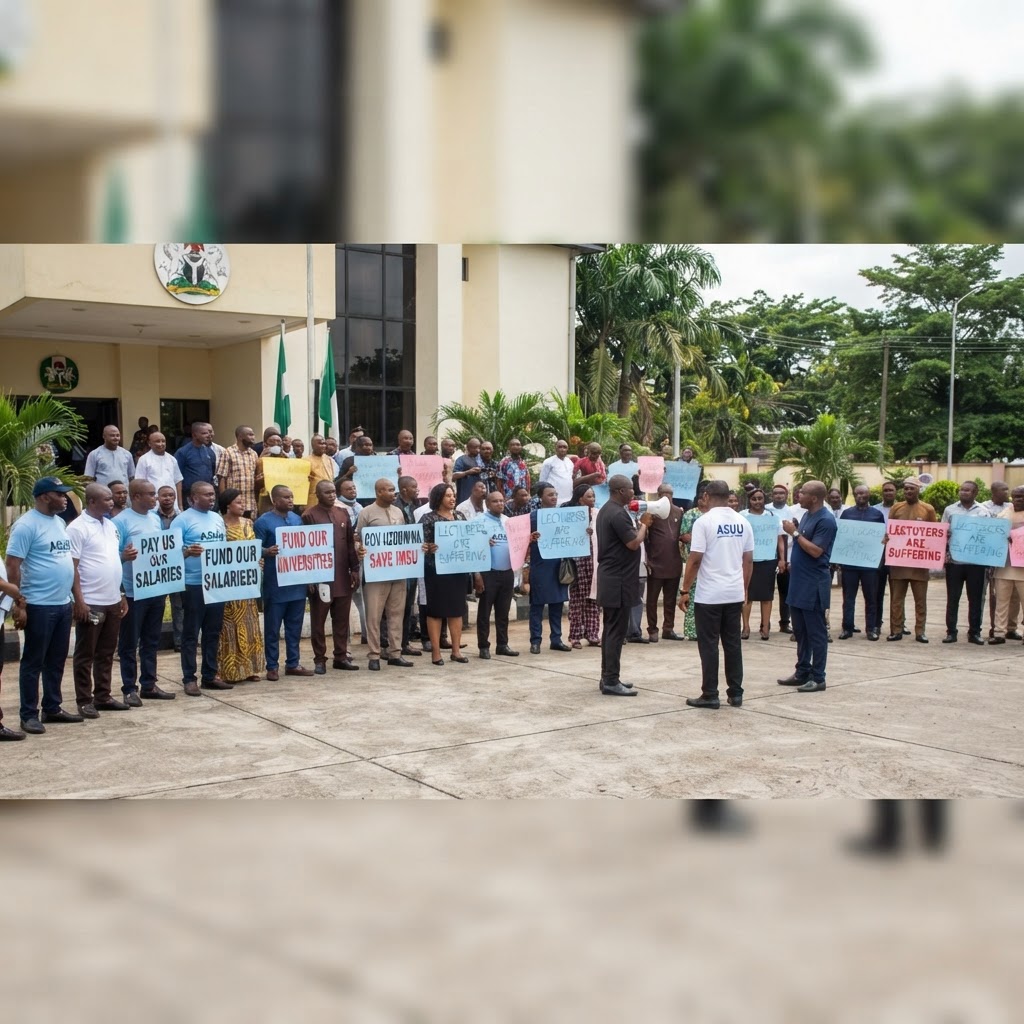
IMSU Lecturers Protest in Owerri, Appeal to Uzodimma to End
The streets of Owerri turned into a sea of white lab coats and placards this week. Hundreds of university lecturers walked out of their offices, choosing protest over silence. The IMSU Lecturers Protest in Owerri, Appeal to Uzodimma to End Months-Long Strike has become a defining moment for Imo Stat...

JAMB Candidates Can Now Change Course and Institution Online
Admission season often brings long queues and costly transport for Nigerian families. That burden has just eased. JAMB candidates can now change their institutions and courses from home, as the board announces a new digital correction service, giving students and parents fresh control over their aca...

House Summons NAFDAC and DSS Over Fake Drug Deaths
Four people are dead, eleven more are fighting for their lives, and a federal lawmaker wants answers now. Fake Drug deaths linked to a suspicious herbal concoction have pushed the House of Representatives to move decisively, summoning NAFDAC and the DSS in a case that is no longer a distant headline...

Prevent Kidney Disease With Regular Health Checks
Kidney health rarely makes headlines until a crisis hits a family. Yet understanding Kidney Disease: Why Regular Health Checks Can Help Prevent Serious Complications can save lives, protect household income, and strengthen community wellbeing across Nigeria. Kidney Disease often develops quietly ove...

Budget-Friendly Healthy Meal Prepping for Nigerians
Modern Nigerian families face the dual pressure of rising food prices and the need for better health outcomes. Learning how Nigerian families can(/article/nigerian-family-guide-to-reversing-type-2-diabetes) use meal prepping with local ingredients to eat healthy on a tight budget is a vital skill fo...

Beyond Degrees: Bridging Nigeria's Digital Skills Gap
Nigeria's graduates are flooding the job market faster than employers can absorb them. Yet many arrive with certificates but no practical digital competence. This is the heart of Digital Skills and Youth Employment: Why Nigerian Graduates Need More Than University Certificates.—a gap that is reshapi...
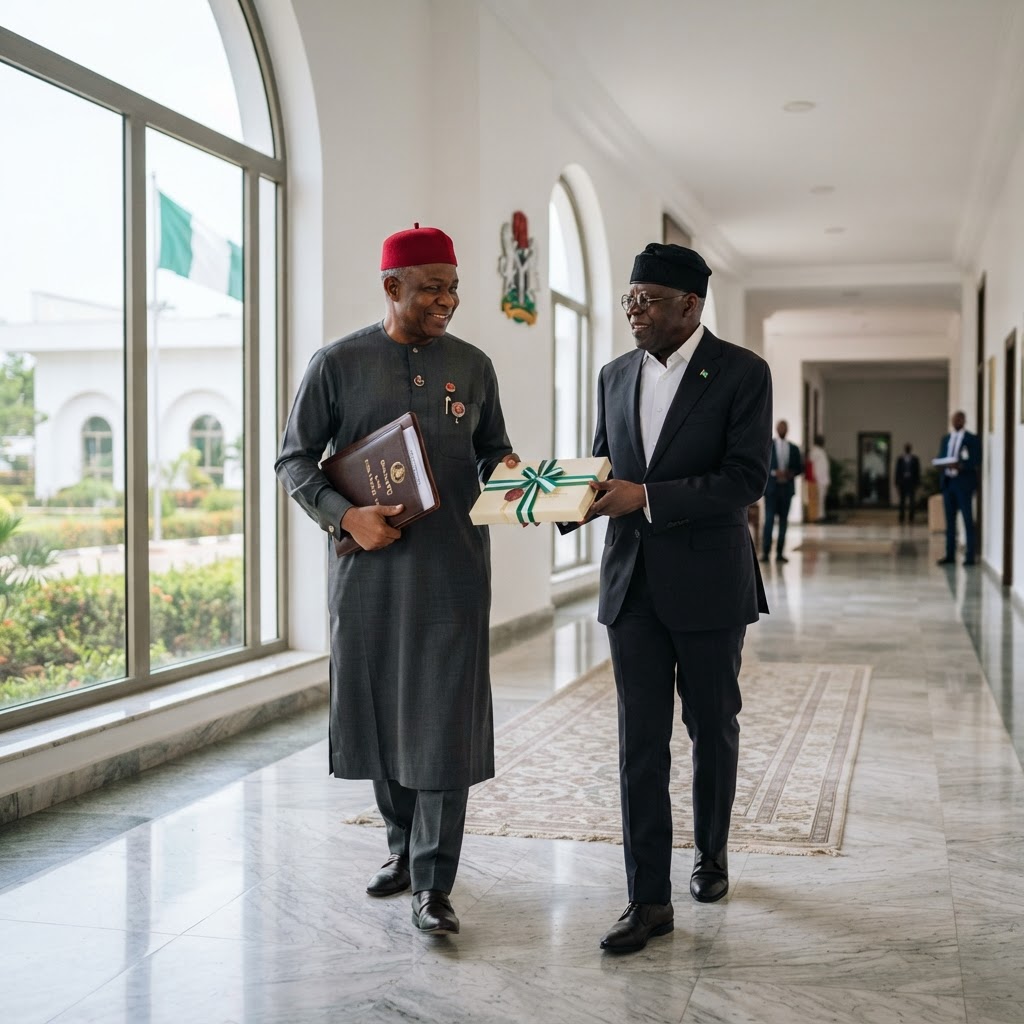
Senate Sends State Police Bill to Tinubu for Approval
Nigeria's security architecture is entering a new chapter. The headline development, State Police Bill: Senate Transmits Constitutional Amendment to Tinubu for Presidential Assent, signals a historic shift toward decentralized policing. For Nigerian families, entrepreneurs, and community leaders, th...
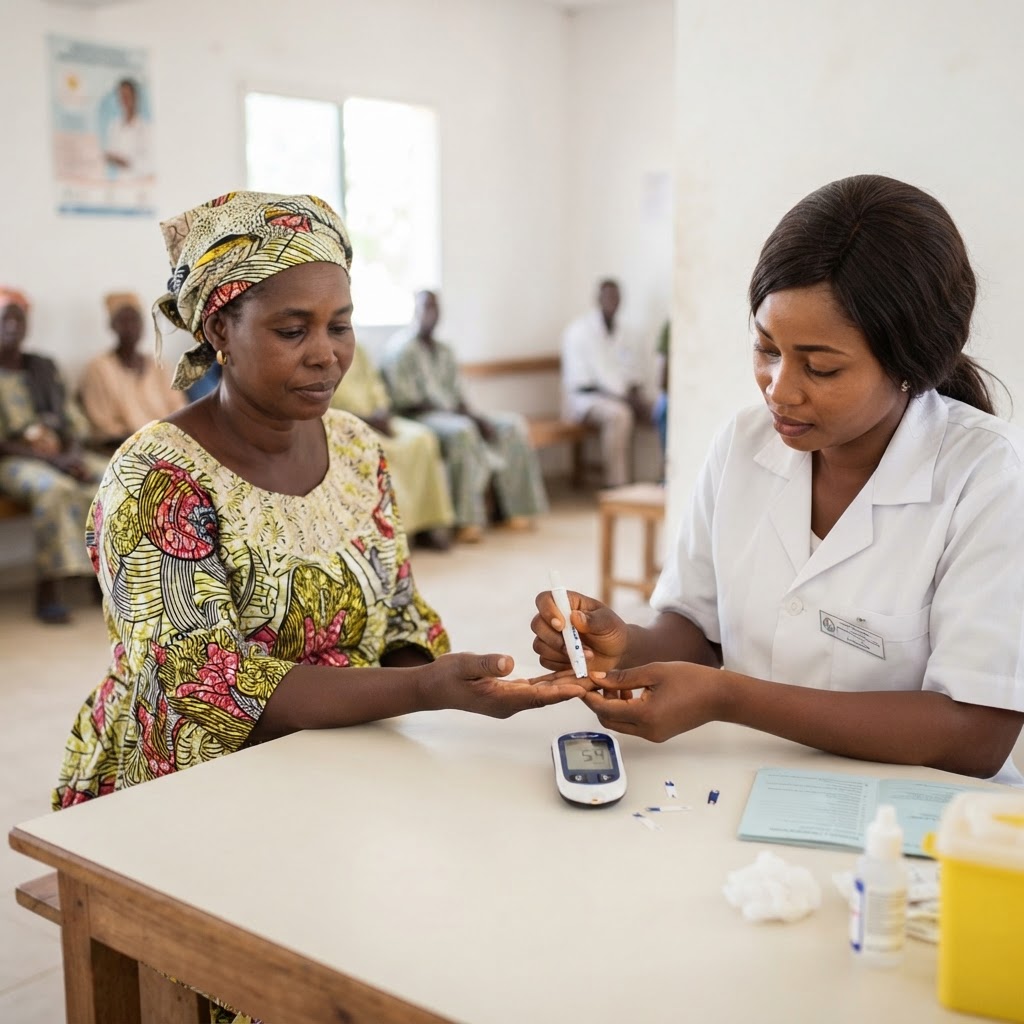
Diabetes in Africa: Why Routine Screening Is Vital
Imagine a disease that silently damages organs for years before anyone notices. That is the reality for millions living in Africa today. According to the latest report, Diabetes: Three Out of Four Africans Living With the Condition May Be Unaware – Why Screening Matters, and this gap in knowledge is...
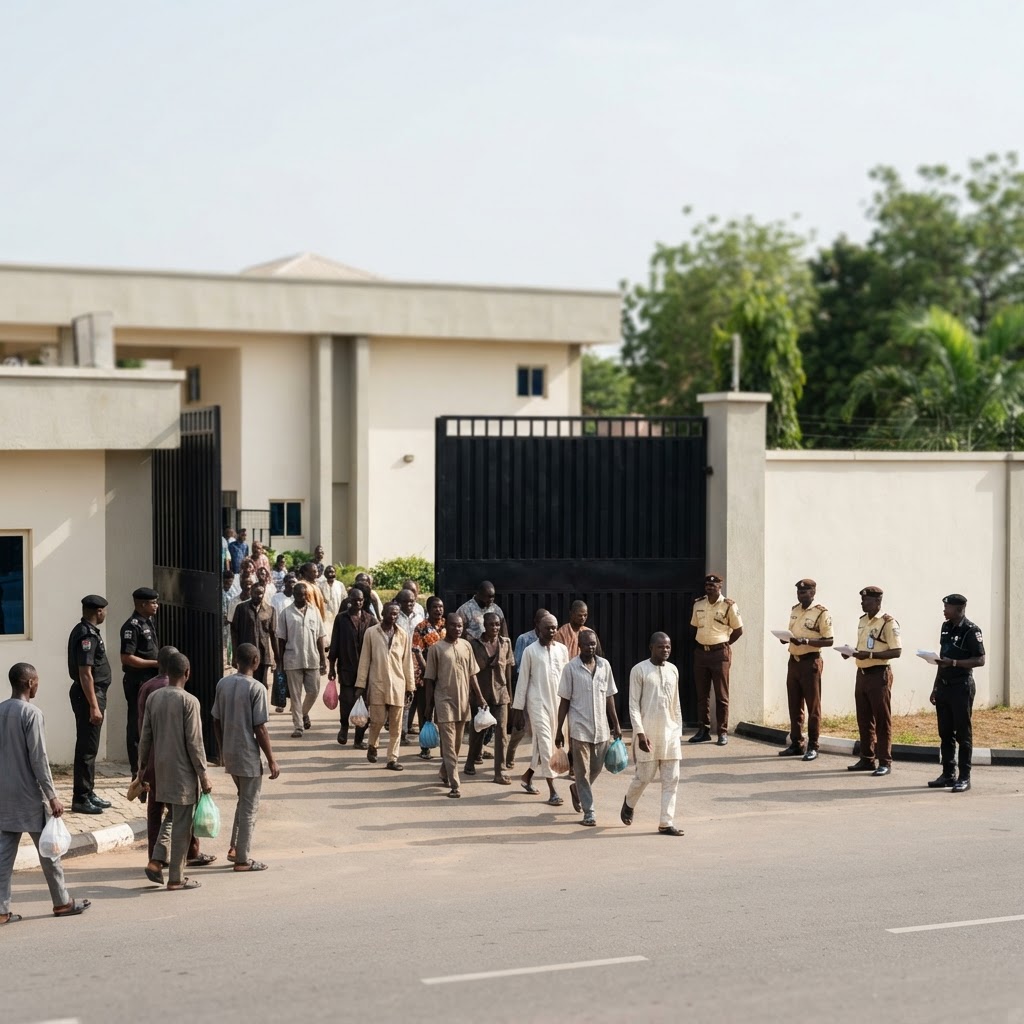
Tinubu Orders Release of 78 Suspects in Convoy Attack
A single Friday afternoon in Abuja turned into a national talking point. News that President Tinubu Orders Release of 78 Suspects Arrested Over Attack on His Convoy in Abuja quickly spread across radio, television, and social media. For many Nigerian families, the story raised fresh questions about ...