Powered by Obi Mbieri Independent Media Ltd · eziokwubundu.com
$1 = ₦1,330€1 = ₦1,497£1 = ₦1,758Imo's First Robotic Surgery: Hospital, Doctors and What the Breakthrough Means
On August 21, 2026, Imo State quietly made history. In a procedure that would have seemed impossible in a Nigerian public hospital just a decade ago, surgeons at the Imo Specialist Hospital in Umuguma, Owerri, completed the first robot-assisted precision surgery in the entire South-East geopolitical...
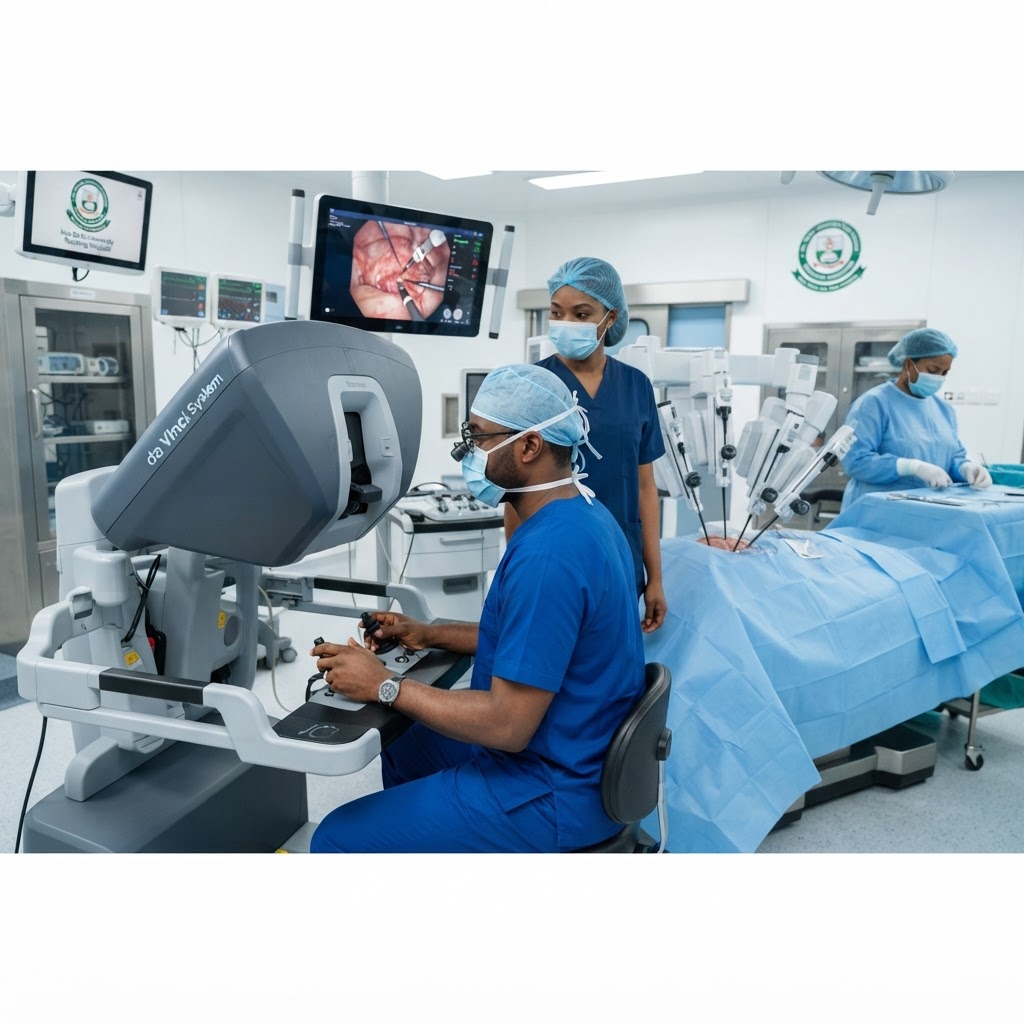
On August 21, 2026, Imo State quietly made history. In a procedure that would have seemed impossible in a Nigerian public hospital just a decade ago, surgeons at the Imo Specialist Hospital in Umuguma, Owerri, completed the first robot-assisted precision surgery in the entire South-East geopolitical zone. For Nigerian families who have watched their loved ones travel abroad or to Lagos for specialized care — spending millions of naira along the way — this moment carries a weight that goes far beyond a single operating theatre. It signals a shift in what is possible, what is affordable, and what the future of healthcare in Igboland and Nigeria at large can look like.
This article breaks down everything you need to know: what happened, who made it possible, what it means for patients, and how ordinary Imo residents can actually access this technology today.
What Happened at Imo Specialist Hospital on August 21, 2026?
A Historic Milestone for South-East Healthcare
According to a report by The Sun Nigeria, the Imo Specialist Hospital, Umuguma, Owerri, successfully completed the first robotic-assisted precision surgery in the South-East on August 21, 2026. The specific procedure was a robotic-assisted radical prostatectomy — the surgical removal of a cancerous prostate gland — performed on a patient diagnosed with localized prostate cancer. The success of this procedure marks a genuine turning point in specialized oncological care for the region.
At the center of this milestone is the Imo Robotics and Oncology Centre (IROC), a facility that has transitioned from a highly publicized infrastructure project into a fully operational medical institution. According to reporting by Punch Newspapers, IROC has been equipped with internationally certified robotic surgical systems, trained personnel, and the clinical protocols required to handle complex cancer surgeries at a standard comparable to facilities in Europe and North America.
The funding and management framework behind IROC is equally significant. A Public-Private Partnership (PPP) model was adopted to finance the centre, bringing in private sector investment to complement state government resources. As reported by THISDAYLIVE, this arrangement is designed to ensure long-term financial sustainability, maintain high-quality management standards, and insulate the facility from the infrastructure decay that has historically undermined public hospitals in Nigeria. The PPP structure also introduces performance accountability that purely government-run facilities often lack, creating an environment where operational excellence is not just aspirational but contractually required.
This is not merely about one successful surgery. It is about the institutional architecture that makes repeatable, high-quality, advanced surgical care possible in Imo State for the first time.
Who Are the Doctors Behind This Medical Breakthrough?
Global Expertise, Local Roots, Community Purpose
The surgical team that performed this landmark procedure was led by Professor Kingsley Ekwueme, a UK-based consultant specializing in robotic and laparoscopic surgery, and a proud Imo State indigene. According to THISDAYLIVE, Professor Ekwueme led an international team of specialists drawn from Europe and the United States, bringing decades of combined experience in minimally invasive oncological surgery to the operating theatre in Umuguma.
What makes Professor Ekwueme's involvement particularly meaningful is that it embodies the kind of African-centered diaspora engagement that Nigeria's healthcare system desperately needs. He did not simply lend his name to the project or visit for a press conference. He physically led the surgical team, operated alongside Nigerian colleagues, and participated in the transfer of critical technical skills to resident doctors and nurses on the ground. This is exactly the model of development that separates genuine capacity-building from symbolic interventions.
Punch Newspapers reported that the local clinical staff at Umuguma underwent rigorous training and preparation in the months leading up to the first procedure. This included familiarization with the robotic surgical console, instrument handling protocols, sterile field management under robotic conditions, and emergency response procedures specific to minimally invasive surgery. This investment in local human capital ensures that the facility's capabilities do not disappear when the international team returns to their home countries.
The collaborative structure of this team — Nigerian and international professionals working as equals, with a shared objective of building durable local expertise — reflects a community-first philosophy that resonates deeply with Igbo values of collective responsibility. The goal was never simply to import technology. It was to grow the people who can operate, maintain, teach, and eventually innovate around that technology for generations to come. For those interested in how health and community development intersect in Nigeria, this story connects directly to broader conversations about why Nigerians are rethinking prosperity in 2026.
How Does Robotic-Assisted Surgery Benefit the Patient?
Precision, Recovery, and Better Outcomes
To understand why this development matters clinically, it is important to grasp what robotic-assisted surgery actually does differently — and why those differences are life-changing for patients.
The robotic system used at IROC provides surgeons with three-dimensional, high-definition visualization of the surgical field at a level of magnification so extreme that, as Professor Ekwueme described to The Sun, "a grain of sand looks like a rock." This level of visual clarity allows the operating surgeon to identify and work around anatomically critical structures — nerves, blood vessels, lymph nodes — with a precision that the human eye cannot achieve in an open surgical field. For a procedure like a prostatectomy, which involves working in an extremely confined pelvic space surrounded by structures governing urinary and sexual function, this precision is not a luxury. It is the difference between a patient who recovers fully and one who spends years managing debilitating complications.
According to the Mayo Clinic, robotic surgery offers measurable advantages over traditional open surgery across several key metrics. These include significantly reduced intraoperative blood loss, a smaller and less traumatic incision profile, lower rates of post-surgical infection, and substantially shorter hospital stays. Patients undergoing robotic procedures typically return to normal activity within two to four weeks, compared to the six to eight weeks commonly required after open surgery.
Featured Products
Chukwu Abiama Tee
Bold black-and-gold Igbo-pride T-shirt featuring 'Chukwu Abiama' in premium streetwear typography.
₦15,000
Buy NowReverse Type 2 Diabetes & other associated Metabolic Issues using Dr. Jason Fung's Evidence-Based Approach— FMD program for Type 2 Diabetes
A practical fasting and fasting-mimicking programme built on Dr Jason Fung's insulin-resistance principles and ow-glycemic recipes.
₦19,950
Join NowỤmụ Igbo Tee
Classic black T-shirt with bold white 'Ụmụ Igbo' typography — a proud statement of Igbo heritage.
₦15,000
Buy NowNwanne Tee
Washed khaki vintage tee with a faded rust-orange 'Nwanne' stamp badge and palm leaf motif — a nod to kinship and heritage.
₦18,000
Buy NowObodo Tee
Faded denim-blue washed tee with a cream 'Obodo' stamp badge and sun motif, celebrating community roots.
₦18,000
Buy NowEkwe Heritage Tee
Deep indigo tee featuring a fine line-art illustration of a traditional Igbo ekwe drum, inspired by Igbo-Ukwu bronze artistry.
₦18,000
Buy NowIkenga Figure Tee
Forest green tee with a fine line-art illustration of a stylized Ikenga figure.
₦18,000
Buy NowFor prostate cancer patients specifically, Professor Ekwueme identified the preservation of urinary continence and erectile function as primary success metrics for this inaugural procedure, as reported by THISDAYLIVE. These functional outcomes matter enormously to the quality of life of patients who are often middle-aged and economically active. A man who undergoes a prostatectomy and retains full urinary control and sexual function is a man who can return to his family, his business, and his community without the psychological burden of incontinence or impotence.
From a practical prosperity standpoint, the economics of faster recovery are also significant. Shorter hospital stays reduce the total cost of care. Fewer post-operative complications mean fewer follow-up procedures and lower medication costs. A patient who returns to productive work in three weeks rather than eight weeks preserves household income and contributes to the local economy. These are not abstract benefits — they are direct financial outcomes of better surgical technology, and they matter to Nigerian families managing tight budgets. Pairing this with smart preventive care — as covered in our guide on malaria prevention tips every family should know — forms a complete picture of affordable, proactive healthcare.
Why Is This a Game-Changer for the Nigerian Economy?
Cutting Medical Tourism, Building Local Wealth
Every year, Nigerians spend billions of naira traveling abroad for medical care they cannot access at home. Punch Newspapers highlighted this economic hemorrhage as one of the central justifications for investments like IROC. Specialized procedures such as prostate surgery, cancer treatment, and complex laparoscopic operations have historically required patients to travel to India, the United Kingdom, Germany, or South Africa — journeys that, when combined with consultation fees, accommodation, and post-operative care, routinely cost between ₦5 million and ₦30 million per patient.
The health-wealth connection here is direct and undeniable. When Nigerians spend those millions abroad, that capital leaves the Nigerian economy entirely. Airline tickets, hotel rooms, meals, and professional fees all accrue to foreign economies. When the same patient receives the same quality of care at the Imo Specialist Hospital, those expenditures circulate locally — supporting Nigerian medical professionals, local hospitality businesses, transport operators, and ancillary service providers.
Governor Uzodimma's administration has expressed the ambition for Imo State to become a premier destination for specialized medical care, not just within Nigeria but across West Africa. If that vision is realized, the economic multiplier effect extends further still. Medical tourists from Ghana, Benin Republic, Cameroon, and beyond could choose Owerri over New Delhi — a scenario that would generate foreign exchange inflows, boost local employment, and strengthen Imo's service economy.
The PPP model underpinning IROC is also instructive as a wealth-creation framework. Private investment in public health infrastructure creates sustainable ecosystems in which profit incentives align with public good, producing facilities that are financially self-reinforcing rather than dependent on inconsistent government budget allocations. This model, if replicated across other states, could fundamentally restructure how Nigeria finances and delivers specialized healthcare. For context on the fiscal pressures shaping these decisions, see our coverage of the ₦12 trillion fuel subsidy question and calls for accountability in Nigeria's public finances.
How Can Ordinary Nigerians Access This Technology?
Affordability Via Imo's Health Insurance Scheme
One of the most urgent questions raised by this development is a practical one: can the average Imo resident actually afford robotic surgery? The honest answer is that without a structured financing mechanism, most cannot. Robotic surgical procedures are capital-intensive and would cost prohibitively for individual out-of-pocket payers. But the state government has anticipated this barrier.
According to Punch Newspapers, the Imo State Health Insurance Programme offers eligible residents access to a range of healthcare services for as little as ₦15,000 per person per year — roughly the cost of a bag of rice. This scheme, if effectively expanded to cover procedures at IROC, represents the critical bridge between cutting-edge technology and everyday Nigerians who need it most.
For readers unfamiliar with the enrollment process, the pathway generally involves registration at a designated state health authority office or approved community health center, submission of identification and proof of residency, payment of the annual premium, and issuance of a beneficiary card that can be presented at covered facilities. Community leaders, town union executives, and local government health officers play a vital role in disseminating accurate information about this scheme to grassroots populations who may not engage with formal media channels.
Governor Uzodimma's stated vision extends beyond treatment. As reported by THISDAYLIVE, IROC is designed to serve as a hub for early detection and cancer prevention programs. Prostate cancer, colorectal cancer, and breast cancer — all highly treatable when caught early — claim thousands of lives in Nigeria each year precisely because screening is not normalized. A facility equipped with advanced diagnostic tools and staffed by trained oncologists can change those survival statistics, but only if communities are informed and empowered to use them. This connects directly to the kind of preventive healthcare education that we cover in our article on malaria vaccine progress and what Nigerian parents should know, reinforcing that prevention is always the most affordable form of medicine.
What Does the Future Hold for Imo State Healthcare?
Scaling Innovation, Strengthening Community
The robotic surgery milestone is the headline achievement, but it is part of a broader institutional transformation at the Imo Specialist Hospital Complex. According to The Telegraph Nigeria, the same upgrade program that delivered IROC has also introduced new intensive care units (ICUs), a modernized neonatal care ward, and advanced diagnostic facilities including imaging and laboratory systems capable of supporting complex clinical workups. These additions mean that patients no longer need to be referred out of state for critical care services that were previously unavailable locally.
The long-term trajectory being shaped here reflects a powerful synthesis of traditional values and modern progress. Imo communities have always placed the welfare of the collective at the center of social life — the principle that when one member thrives, the community thrives. A world-class hospital in Umuguma is not just a building. It is an institution that keeps families together, keeps breadwinners healthy, and keeps money inside the community rather than bleeding it abroad. Families tracking the true cost of healthcare in the state will also find value in our analysis of why Imo State has one of Nigeria's most expensive healthy diets — and what families can do, because healthcare and nutrition are inseparable pillars of household resilience.
For readers across Imo State and the wider South-East, the call to action is straightforward: prioritize preventive health screenings, explore your eligibility for the Imo State Health Insurance Programme, and engage with the medical advancements now available in your own backyard. The infrastructure for a healthier, wealthier future has arrived. The next step is yours.
Sources: The Sun Nigeria, Punch Newspapers, THISDAYLIVE, The Telegraph Nigeria, Mayo Clinic — Robotic Surgery.
Stay Informed
Get New Articles in Your Inbox
Subscribe to receive the latest community development, health, and wealth insights from Eziokwubundu.
Newsletter
Practical insights on health, wealth, and community — delivered weekly.
Community Discussion(0)
Leave a Comment
More to Read
You May Also Like

Can Fasting Help Lower High Blood Pressure? What Experts Say
High blood pressure quietly affects millions of Nigerian adults, often with no obvious warning signs. Many families are now turning to fasting as a natural way to manage it. This article explores the question many are asking: Can Fasting Help Lower High Blood Pressure? What Experts Say reveals surpr...
Why Antibiotics Fail: Understanding Antimicrobial Resistance
Picture a child in Lagos battling pneumonia, given antibiotics that simply don't work anymore. This is no longer a distant fear—it's a documented reality shaping healthcare across Nigeria. Why Antibiotics May Stop Working: Understanding Antimicrobial Resistance is the question every Nigerian family,...

NNPC Faces Efficiency Scrutiny Over ₦27.76 Trillion Expenses
Nigeria's state oil giant is back in the headlines, and not for a new discovery. NNPC's ₦27.76 Trillion Operating Expenses Raise Efficiency Questions among citizens, analysts, and policymakers alike. The figure is so large it has sparked fresh debate about how national wealth is managed, and the num...
Police Rescue 10 After Gunmen Attack Two Buses in Mbaitoli
Early morning violence on a major Imo State highway sent shockwaves through communities nationwide this week. Families woke up to disturbing news of commuters trapped in a terrifying ordeal after gunmen struck in Mbaitoli, targeting two commercial buses in the hours before dawn. The headline "Police...
FG, Imo Back Pharmaceutical Hub Planned for Mgbidi
The Federal Government and Imo State Government have thrown their weight behind a bold new industrial project. FG, Imo Back Pharmaceutical Hub Planned for Mgbidi, signaling a fresh push toward local drug manufacturing and economic renewal in the South-East. The announcement positions the proposed fa...
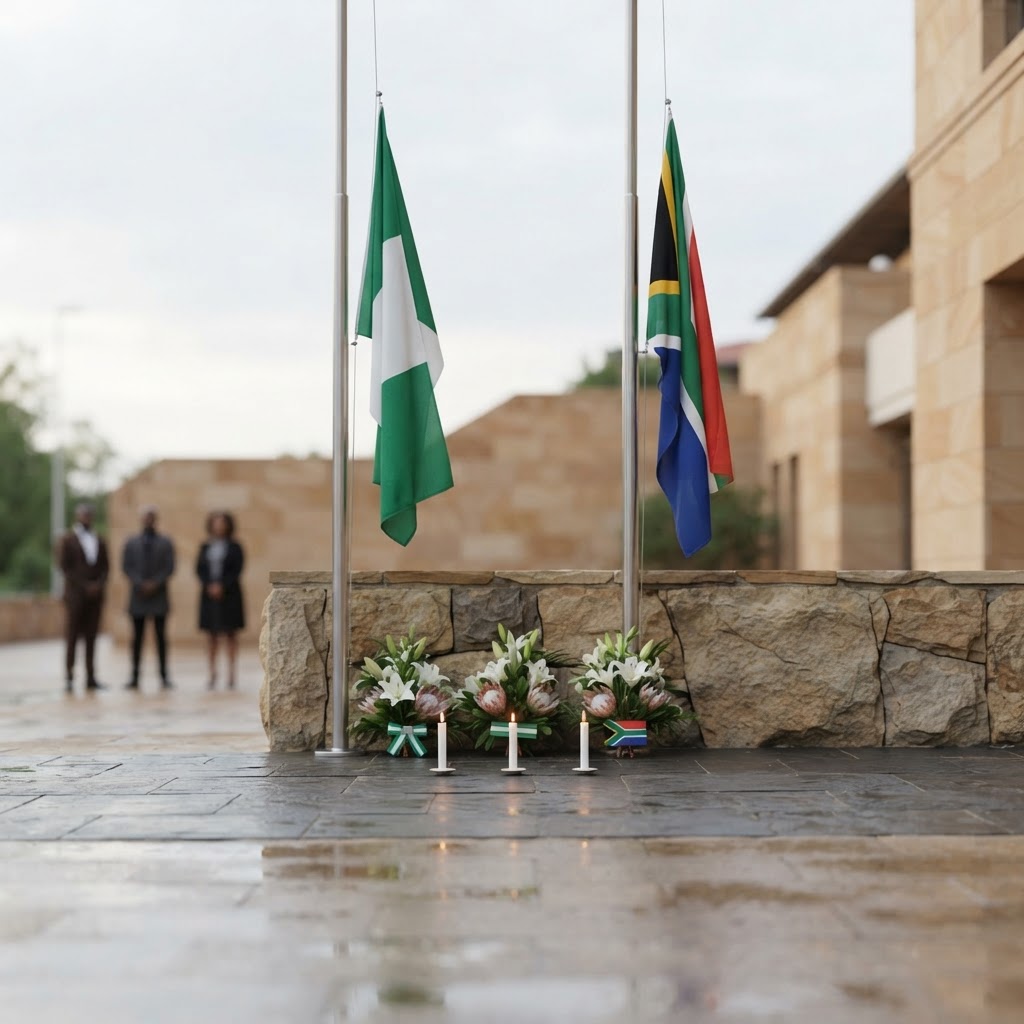
Nigeria Condemns Deaths of Three Citizens in South Africa
Nigerian families are mourning once again this week. Three citizens lost their lives in South Africa within a span of days. The tragedy has reignited calls for action, as Nigeria Condemns Deaths of Three Citizens in South Africa and demands accountability for the loss of its people abroad. For many ...
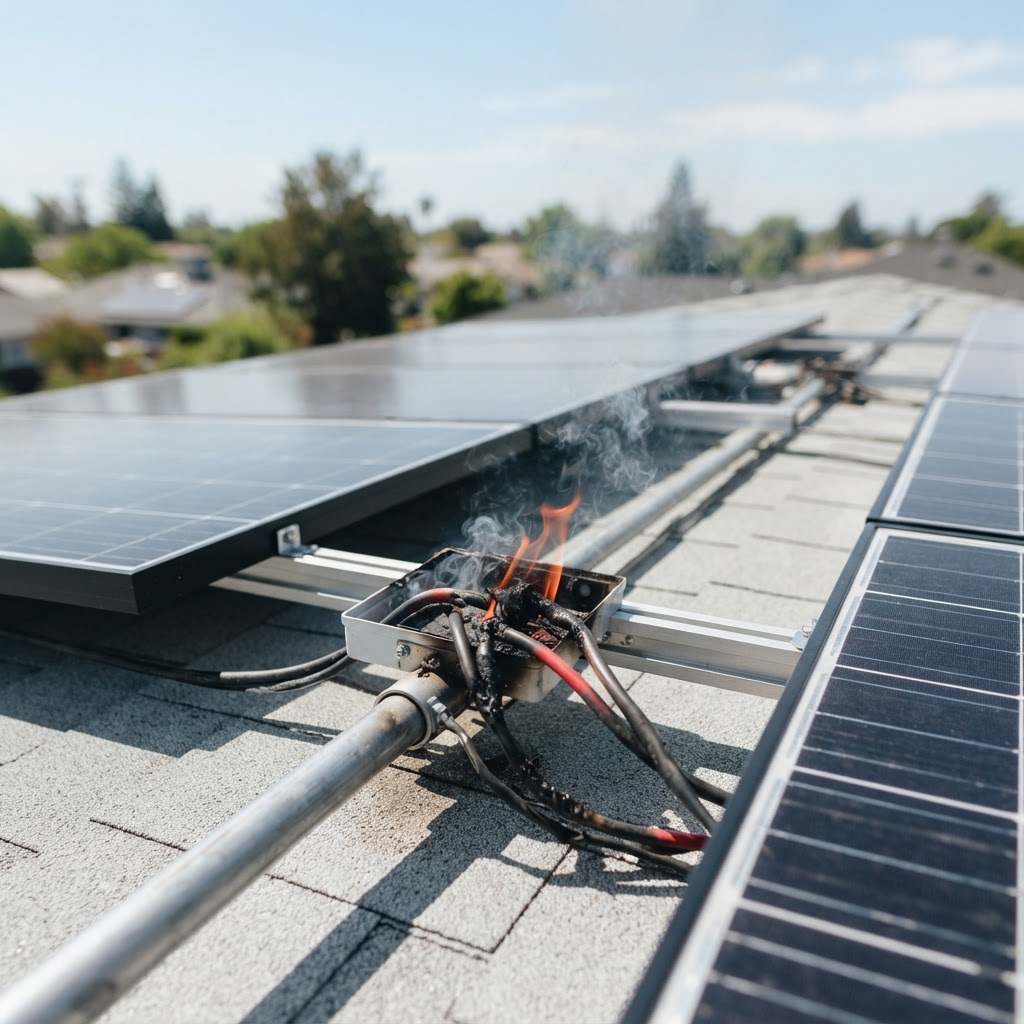
Solar Installation Safety: How Faulty Wiring Can Cause Fires
Nigeria's power crisis has pushed millions of families toward solar energy as a dependable alternative. Yet poor installation practices are quietly turning this clean energy solution into a serious hazard. Solar Installation Safety: How Faulty Wiring Can Cause Fires is becoming an urgent conversatio...
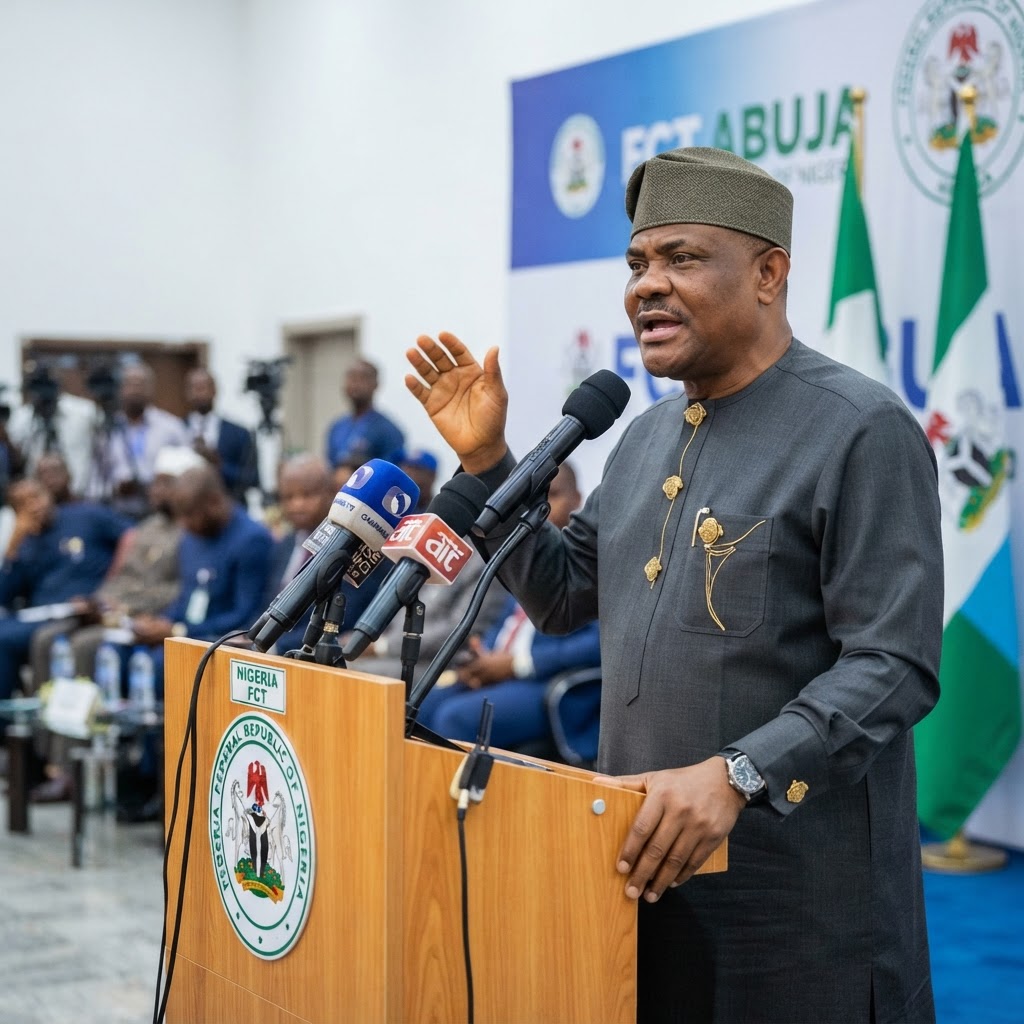
Wike Vows to Resign If Tinubu Loses FCT, Rivers
Nigeria's political temperature just rose by several degrees. A bold declaration from the Federal Capital Territory Minister has set tongues wagging across government circles and local communities alike. Wike Vows to Resign If Tinubu Loses FCT, Rivers, and that single pledge now dominates conversati...

JAMB Extends 2021–2025 Admission Acceptance Deadline
The clock is ticking for thousands of Nigerian students awaiting university placement. JAMB Extends 2021–2025 Admission Acceptance Deadline, giving candidates a crucial window to secure their academic future. For families across Nigeria and the diaspora, this update carries real weight for planning ...
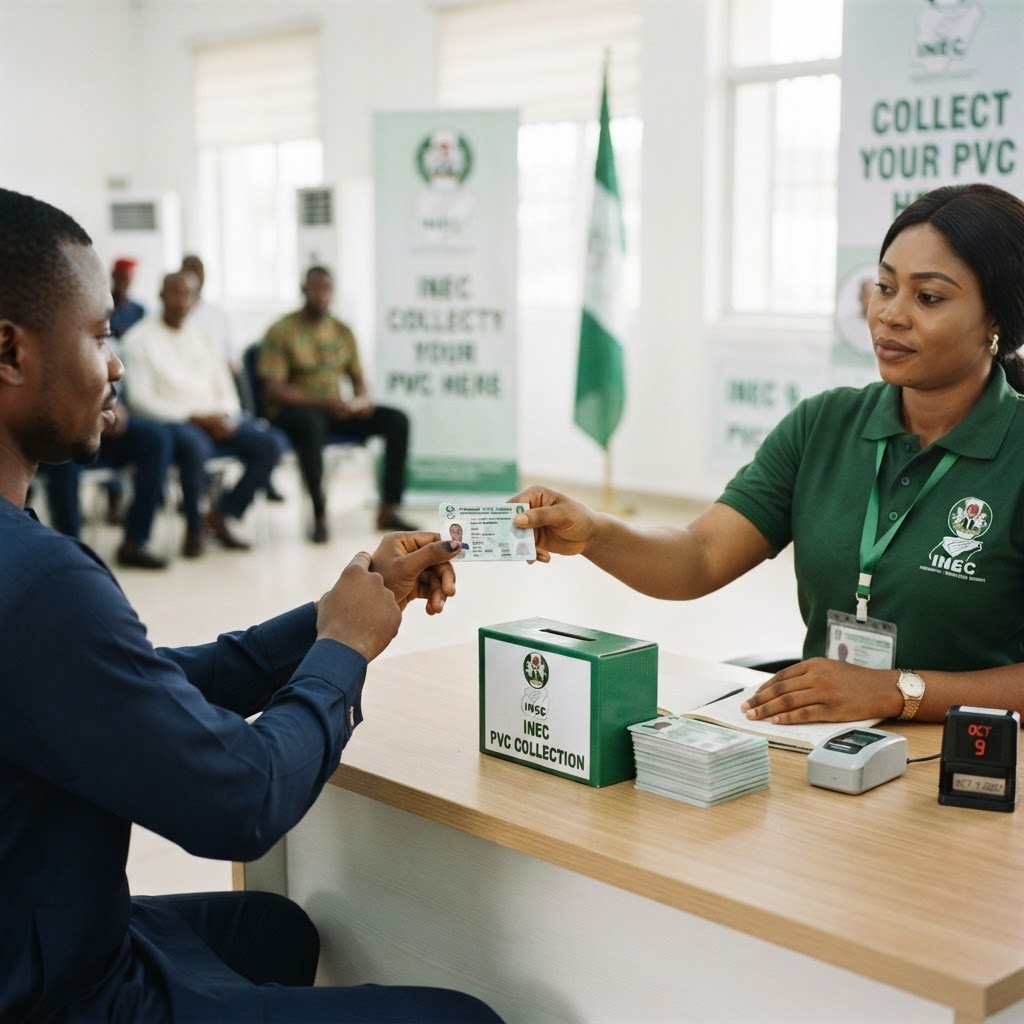
INEC Schedules PVC Collection Starting October 9
Nigeria's electoral calendar just got a major update, and millions of registered voters need to pay attention. INEC Sets October 9 for PVC Collection Ahead of 2027 Elections, marking a pivotal step toward the next general elections. This announcement affects families, students, entrepreneurs, and di...