Powered by Obi Mbieri Independent Media Ltd · eziokwubundu.com
$1 = ₦1,326€1 = ₦1,541£1 = ₦1,793Nutrition tips for pregnant women in Nigeria
Pregnancy is one of the most nutritionally demanding periods in a woman's life, yet millions of Nigerian mothers face this journey without adequate dietary guidance. According to the World Health Organization(https://www.who.int/news-room/fact-sheets/detail/malnutrition), malnutrition affects a sign...
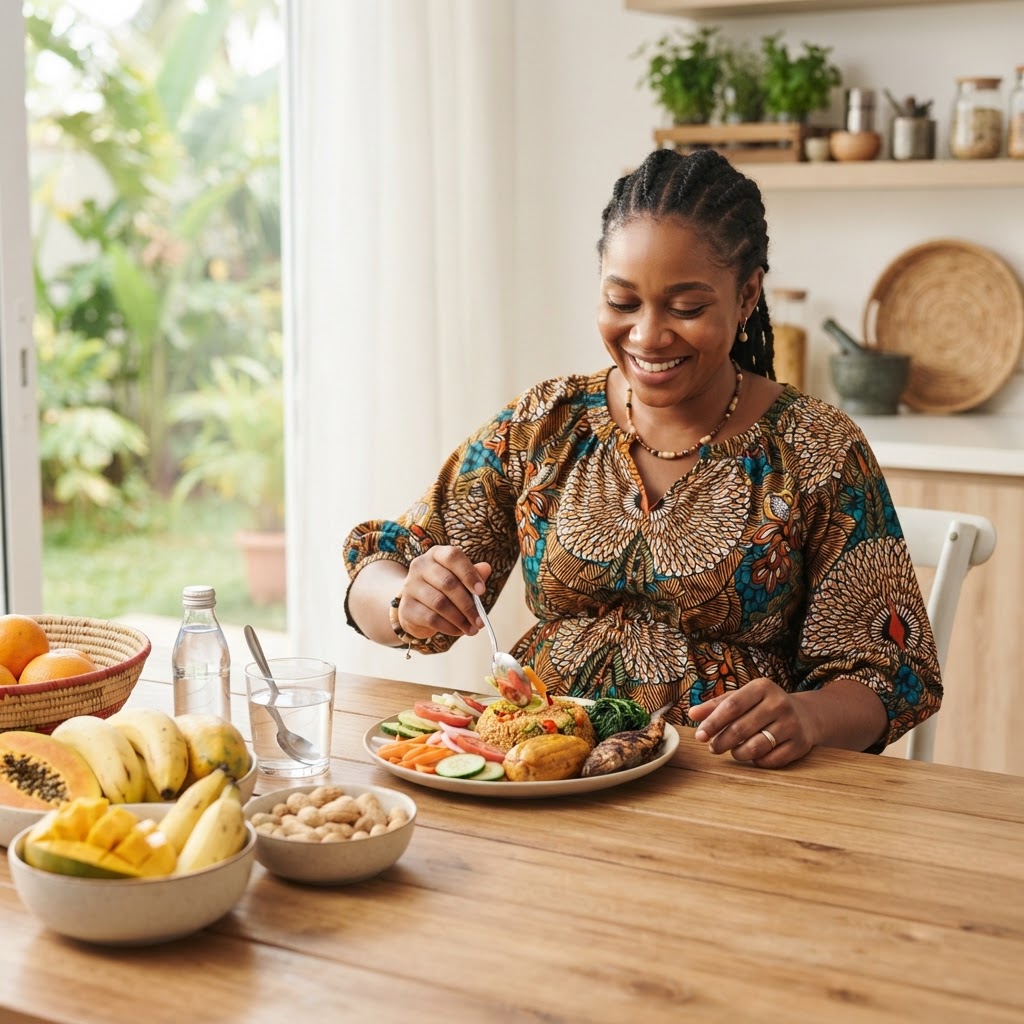
Pregnancy is one of the most nutritionally demanding periods in a woman's life, yet millions of Nigerian mothers face this journey without adequate dietary guidance. According to the World Health Organization, malnutrition affects a significant proportion of pregnant women across sub-Saharan Africa, contributing to preventable complications during childbirth and long-term developmental deficits in children. In Nigeria, where food culture is rich and diverse but access to clinical nutrition education remains uneven, practical, culturally grounded guidance is not a luxury — it is a necessity.
This article delivers evidence-based, actionable nutrition tips for pregnant women in Nigeria, drawing on local food realities, clinical recommendations, and community wisdom. Whether you are an expectant mother, a husband, a community health worker, or a family elder, this guide is designed to empower you with knowledge that protects mothers and builds stronger families.
Why is maternal nutrition key to family prosperity?
Prenatal health shapes long-term development
Maternal nutrition is not simply a medical concern — it is a foundational investment in the future of Nigerian families and communities. The nutritional status of a pregnant woman directly determines fetal brain development, organ formation, birth weight, and the child's long-term immunity. Research published by UNICEF Nigeria confirms that stunting, wasting, and micronutrient deficiencies — all linked to poor maternal nutrition — continue to affect millions of Nigerian children, reducing their cognitive capacity, school performance, and economic productivity as adults.
From a health-and-wealth perspective that Eziokwubundu champions, this connection is direct and measurable. A malnourished pregnancy increases the risk of premature birth, low birth weight, and neonatal complications, all of which translate into significant out-of-pocket healthcare costs for Nigerian families already navigating economic pressure. Preventing these outcomes through proper nutrition is one of the most cost-effective investments a household can make.
At a community level, the mathematics are even more compelling. A well-nourished mother is more likely to deliver a healthy child who grows into a productive adult, strengthening the collective capacity of the community. In this sense, maternal nutrition is not a private matter — it is a public good. Communities that prioritize prenatal wellness are building their next generation from the inside out, reinforcing the African philosophy that individual health is inseparable from collective prosperity. When families invest in the nutrition of their pregnant women, they are simultaneously investing in the economic and social resilience of their communities for decades to come.
What nutrients does every pregnant Nigerian woman need?
From local markets to clinical requirements
The nutritional demands of pregnancy are specific, measurable, and achievable through Nigeria's abundant local food systems — provided women and their families know what to prioritize.
Folic acid and iron stand as the two most critical micronutrients in early pregnancy. Folic acid, recommended at 400–800 micrograms daily before and during the first trimester, prevents neural tube defects such as spina bifida. The Nigerian Federal Ministry of Health includes folic acid supplementation as a core component of its antenatal care guidelines. Iron is equally vital: iron deficiency anaemia affects approximately 60% of pregnant women in Nigeria, according to multiple national health surveys, and contributes to maternal fatigue, preterm labour, and low birth weight. Dark green leafy vegetables — particularly ugwu (pumpkin leaves), bitter leaf, waterleaf, and shoko — are rich in both iron and folate, making them accessible, affordable, and culturally familiar solutions available in virtually every Nigerian market.
Protein is essential for fetal tissue growth, placental development, and the mother's expanding blood volume. Nigerian diets offer excellent local protein sources: beans (black-eyed peas, brown beans), eggs, dried and fresh fish (mackerel, catfish, tilapia), and lean chicken are all nutritionally dense and widely available. Pregnant women should aim to include at least one quality protein source in every major meal.
Calcium supports fetal bone and teeth development while protecting the mother's bone density. Dairy products such as milk and yoghurt are good sources, but for Nigerian households where dairy consumption is low, alternatives include crayfish (an exceptionally calcium-rich condiment widely used in Nigerian cooking), ogiri, soya milk, and small edible fish consumed with bones. The World Health Organization recommends 1.5–2 grams of calcium daily for pregnant women in populations with low dietary calcium intake.
Vitamin A, found in orange-fleshed sweet potato, ripe plantain, red palm oil, and pumpkin, supports fetal immune development and vision. Zinc, found in legumes and seafood, supports cell growth and immune function. Iodine, critical for thyroid regulation and fetal brain development, can be sourced through iodized salt — a small but significant habit that every Nigerian household should maintain.
Consistent hydration is also non-negotiable. Pregnant women should consume a minimum of eight to ten glasses of clean water daily to support amniotic fluid levels, nutrient transport, and kidney function.
How do you navigate food taboos during pregnancy?
Evidence-based answers to cultural myths
Nigeria's rich cultural heritage includes a complex set of beliefs surrounding pregnancy, and many of these beliefs extend to food. In various communities across Igbo, Yoruba, Hausa, and other ethnic groups, pregnant women are warned against eating eggs (said to make the child lazy or dull-witted), snails (associated with slow labour), or certain types of fish. While these traditions carry deep community meaning and deserve respectful engagement, they can have serious nutritional consequences when they restrict access to essential foods.
Eggs, for example, are one of the most complete and affordable protein foods available in Nigeria, providing all essential amino acids, choline (critical for fetal brain development), and vitamins D and B12. There is no scientific evidence linking egg consumption during pregnancy to any negative outcome. Similarly, snails are an excellent low-fat protein source rich in iron and zinc. Restricting these foods based on cultural belief directly undermines the nutritional goals that protect mother and child.
The solution is not to dismiss cultural traditions but to engage them intelligently. Community leaders, traditional birth attendants, and family elders hold genuine influence over the dietary decisions of pregnant women — particularly in rural and semi-urban areas. Healthcare workers and educated family members can work alongside these stakeholders, rather than against them, to reframe nutritional conversations in culturally respectful language. For instance, framing an egg as a "strength food for the baby" may resonate more effectively in some households than citing clinical data.
Pregnant women and their husbands can also facilitate these conversations by consulting trusted community figures, as explored in Community Leadership in Imo: Village Head, Town Union or Traditional Ruler — Who Does What?. Understanding who holds influence in your community allows you to direct health conversations toward the right person at the right time. Maternal health NGOs and the National Primary Health Care Development Agency (NPHCDA) have successfully run community dialogue programs in this space, demonstrating that evidence-based change is achievable when it is delivered through trusted local voices.
Featured Products
Chukwu Abiama Tee
Bold black-and-gold Igbo-pride T-shirt featuring 'Chukwu Abiama' in premium streetwear typography.
₦15,000
Buy NowReverse Type 2 Diabetes & other associated Metabolic Issues using Dr. Jason Fung's Evidence-Based Approach— FMD program for Type 2 Diabetes
A practical fasting and fasting-mimicking programme built on Dr Jason Fung's insulin-resistance principles and ow-glycemic recipes.
₦19,950
Join NowỤmụ Igbo Tee
Classic black T-shirt with bold white 'Ụmụ Igbo' typography — a proud statement of Igbo heritage.
₦15,000
Buy NowNwanne Tee
Washed khaki vintage tee with a faded rust-orange 'Nwanne' stamp badge and palm leaf motif — a nod to kinship and heritage.
₦18,000
Buy NowObodo Tee
Faded denim-blue washed tee with a cream 'Obodo' stamp badge and sun motif, celebrating community roots.
₦18,000
Buy NowEkwe Heritage Tee
Deep indigo tee featuring a fine line-art illustration of a traditional Igbo ekwe drum, inspired by Igbo-Ukwu bronze artistry.
₦18,000
Buy NowIkenga Figure Tee
Forest green tee with a fine line-art illustration of a stylized Ikenga figure.
₦18,000
Buy NowWhat does a budget-friendly pregnancy diet look like?
Meal planning for the everyday Nigerian household
The good news for Nigerian families is that a nutritionally complete pregnancy diet does not require expensive imported supplements or premium supermarket products. Nigeria's diverse and affordable local food basket provides most of what expectant mothers need — the challenge lies in structuring meals with intentionality and consistency.
A practical daily meal structure might look like this:
Morning: A bowl of oatmeal or akamu (pap) fortified with milk and crayfish, served alongside two boiled eggs and a glass of fresh orange juice or water. This combination delivers iron, protein, calcium, and vitamin C, which enhances iron absorption.
Midday: A portion of brown rice or pounded yam served with egusi or vegetable soup heavily loaded with ugwu, tomatoes, and fish or stockfish. Add a side of beans if protein intake has been low earlier in the day.
Evening: Boiled plantain or yam served with an egg sauce, avocado, and a light vegetable stew. This is filling, affordable, and rich in healthy fats, vitamins, and minerals.
Snacks: Groundnuts, boiled corn, seasonal fruits such as pawpaw, banana, or mango, and dairy-based snacks where available.
On food safety, pregnant women should exercise particular caution around certain types of fish. Large predatory fish — shark, swordfish, and king mackerel — accumulate high levels of mercury and should be avoided. Smaller fish like mackerel (titus), tilapia, and sardines are safer options. Street foods like suya, roasted corn, and fried snacks should be consumed only when freshly prepared from trusted sources, as reheated or improperly stored protein poses a risk of listeria and salmonella infection.
Meal frequency matters as much as content. Pregnant women should aim for three main meals and two nutritious snacks daily, as this supports stable blood sugar, reduces nausea, and ensures consistent nutrient delivery to the fetus. For families under financial pressure, best savings plans for low income Nigerians offers strategies to optimize household budgets without compromising essential food purchases.
How do communities support pregnant women better?
A shared responsibility for maternal wellness
Maternal nutrition is ultimately a community responsibility, not a solitary burden carried by the pregnant woman alone. Husbands play an irreplaceable role: ensuring food is available, accompanying their wives to antenatal care visits, and actively participating in nutritional decisions rather than leaving them entirely to chance or tradition. Studies across sub-Saharan Africa consistently show that spousal support improves antenatal care attendance and dietary compliance during pregnancy.
Antenatal care (ANC) visits are the most reliable touchpoint for professional nutritional guidance. The WHO recommends a minimum of eight ANC contacts during pregnancy, each of which should include nutritional assessment and counseling. Nigerian health facilities, when resourced adequately, provide iron-folic acid supplementation, malaria prophylaxis, and dietary advice as standard components of ANC. Pregnant women should prioritize these visits regardless of perceived health, as many nutrient deficiencies present no obvious symptoms until complications arise.
At a broader level, community groups — women's cooperatives, church groups, market associations, and youth organizations — can serve as powerful channels for maternal health education. Structured knowledge-sharing within these groups, particularly in communities where formal healthcare access is limited, creates a support network that reaches women who might otherwise receive no guidance at all. Organizations interested in formalizing these efforts can draw from the model described in how to form a youth cooperative, adapting cooperative structures for maternal health advocacy at the grassroots level.
The World Food Programme's Nigeria programs and similar international partnerships also represent resources that communities and local government stakeholders can mobilize to supplement household nutrition during pregnancy.
Conclusion
The nutrition tips for pregnant women in Nigeria outlined in this article are not aspirational — they are achievable. Nigeria's local food systems, when understood and leveraged correctly, contain virtually everything an expectant mother needs to carry a healthy pregnancy. The barriers are rarely agricultural; they are educational, cultural, and economic. Addressing them requires exactly the kind of integrated approach that Eziokwubundu champions: evidence-based health knowledge, practical household planning, and community-first action.
A well-nourished mother is the foundation of a well-nourished society. When Nigerian families invest in the nutritional health of their pregnant women today, they are building the intellectual capacity, physical resilience, and economic potential of the next generation. That is not just a health outcome. It is a community prosperity outcome — and it begins at the dinner table.
Stay Informed
Get New Articles in Your Inbox
Subscribe to receive the latest community development, health, and wealth insights from Eziokwubundu.
Newsletter
Practical insights on health, wealth, and community — delivered weekly.