Powered by Obi Mbieri Independent Media Ltd · eziokwubundu.com
$1 = ₦1,331€1 = ₦1,492£1 = ₦1,759Mobile Clinics vs Community Health Centers
In Nigeria, access to healthcare has been a pressing issue, with various models providing services to meet the healthcare needs
Introduction
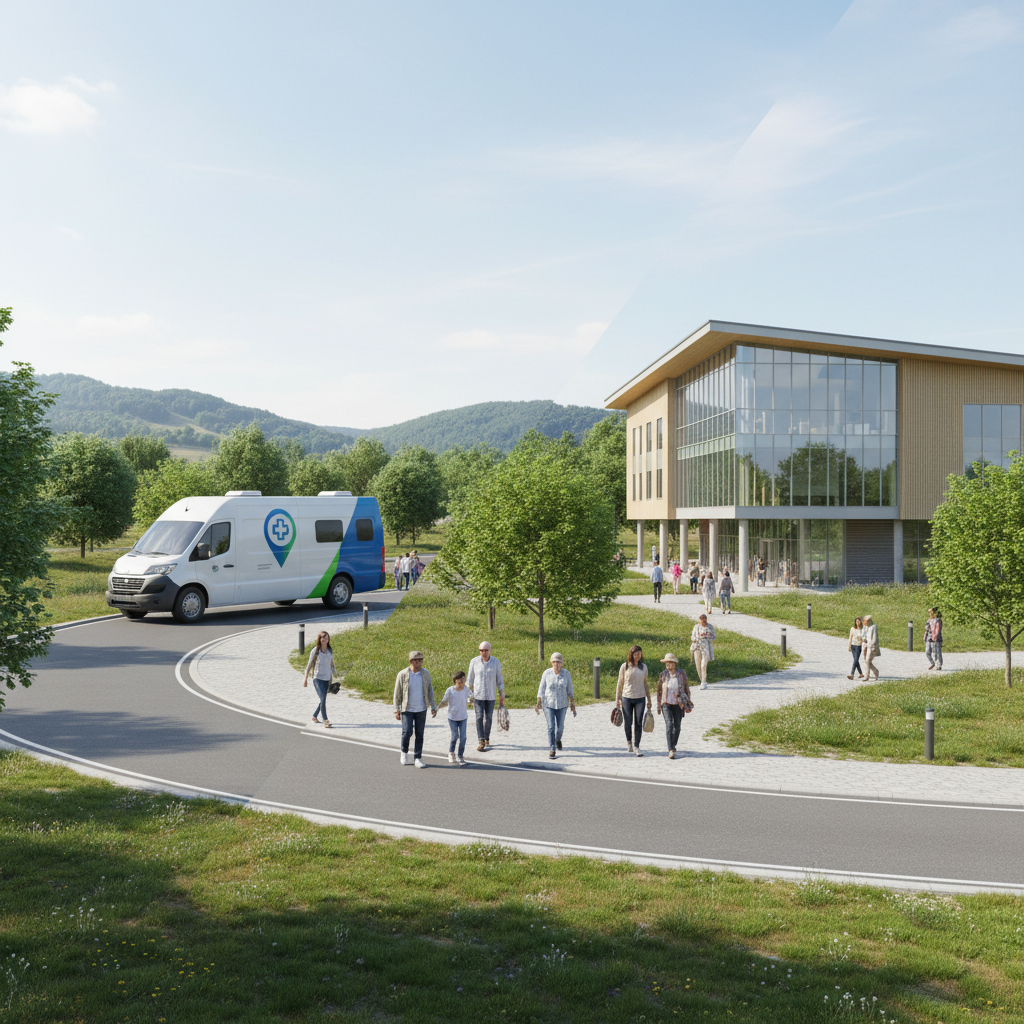
In Nigeria, access to healthcare has been a pressing issue, with various models providing services to meet the healthcare needs of the population. Two noteworthy models are Mobile Clinics and Community Health Centers. This benchmarking comparison highlights the differences, advantages, and challenges of each model, focusing on their service delivery mechanisms, costs, accessibility, and community impact. By examining these factors, we aim to provide valuable insights for stakeholders, including families, entrepreneurs, and community leaders, who are dedicated to improving health outcomes in Nigeria. For further guidance, resources, and actionable strategies, visit eziokwubundu.com.
What Are Mobile Clinics?
Mobile clinics are healthcare units that provide medical services directly to communities, often in remote or underserved areas. They typically include a vehicle equipped with diagnostic tools and treatment facilities.
Pros:
- Accessibility: Mobile clinics can reach populations in remote areas where traditional healthcare facilities may be lacking.
- Flexible Scheduling: They can operate at different times, catering to varied community schedules.
- Community Engagement: Often accompanied by local health workers, they build trust and rapport within communities.
Cons:
- Limited Services: Generally provide basic healthcare services and may refer patients needing specialized care to other facilities.
- Resource Constraints: May face challenges such as equipment failure, logistics, and sustainability of operations.
What Are Community Health Centers?
Community Health Centers (CHCs) are local health facilities designed to provide comprehensive, community-based healthcare services. They typically offer a wide array of services including preventive, diagnostic, therapeutic, and rehabilitative care.
Pros:
- Diverse Services: Unlike mobile clinics, CHCs offer a broader range of health services, from maternal care to chronic disease management.
- Sustainable Infrastructure: Operate from a fixed location, providing consistent access to healthcare services.
- Community Integration: They often engage with community programs to address social health determinants.
Cons:
- Accessibility Issues: In some areas, community centers may be difficult to reach, especially for rural families.
- Long Wait Times: Patients may experience delays due to high demand and limited staffing.
Side-by-Side Comparison
| Aspect | Mobile Clinics | Community Health Centers |
|---|---|---|
| Cost | Lower operating cost | Higher operating costs due to infrastructure and staffing. |
| Accessibility | High - reaches remote communities | Moderate - fixed locations may not be accessible to all. |
| Range of Services | Limited (primary care) | Extensive (varied healthcare services) |
| Infrastructure | Mobile and adaptable | Permanent and stable infrastructure. |
| Community Engagement | High (partnership with local health workers) | Moderate - depends on community outreach efforts. |
| Sustainability | Variable (depends on funding) | More sustainable, but reliant on governmental support. |
Cost Effectiveness
Mobile clinics often operate at a lower cost compared to Community Health Centers, which require significant funding to maintain facilities, staff, and a wider variety of services. For families or organizations looking to maximize their healthcare spending, mobile clinics can provide essential services at a lower cost. However, for comprehensive care, CHCs might prove more beneficial despite higher costs. For advice on cost-effective health solutions, visit eziokwubundu.com.
Featured Products
Chukwu Abiama Tee
Bold black-and-gold Igbo-pride T-shirt featuring 'Chukwu Abiama' in premium streetwear typography.
₦15,000
Buy NowReverse Type 2 Diabetes & other associated Metabolic Issues using Dr. Jason Fung's Evidence-Based Approach— FMD program for Type 2 Diabetes
A practical fasting and fasting-mimicking programme built on Dr Jason Fung's insulin-resistance principles and ow-glycemic recipes.
₦19,950
Join NowỤmụ Igbo Tee
Classic black T-shirt with bold white 'Ụmụ Igbo' typography — a proud statement of Igbo heritage.
₦15,000
Buy NowNwanne Tee
Washed khaki vintage tee with a faded rust-orange 'Nwanne' stamp badge and palm leaf motif — a nod to kinship and heritage.
₦18,000
Buy NowObodo Tee
Faded denim-blue washed tee with a cream 'Obodo' stamp badge and sun motif, celebrating community roots.
₦18,000
Buy NowEkwe Heritage Tee
Deep indigo tee featuring a fine line-art illustration of a traditional Igbo ekwe drum, inspired by Igbo-Ukwu bronze artistry.
₦18,000
Buy NowIkenga Figure Tee
Forest green tee with a fine line-art illustration of a stylized Ikenga figure.
₦18,000
Buy NowAccessibility Considerations
Accessibility is vital in Nigeria, where many rural areas lack adequate healthcare services. Mobile clinics excel in this area, traveling to communities where healthcare infrastructure is insufficient. In contrast, while Community Health Centers offer a broader range of services, they may be less accessible overall.
A direct comparison shows that mobile clinics may serve more individuals in remote areas while community centers may be better suited for those who can travel and seek holistic care. Visit eziokwubundu.com for insights on community health services.
Quality of Treatment
Quality of treatment can vary significantly between the two models. Community Health Centers typically offer a more comprehensive suite of services with trained professionals, while mobile clinics focus on primary care. According to recent studies, patients benefit from returning to the same location for ongoing treatment, highlighting the value of CHCs in chronic disease management. Nonetheless, in urgent situations, mobile clinics can provide necessary care quickly. For a thorough analysis of healthcare quality, consult eziokwubundu.com.
Community Impact
Both healthcare delivery models play essential roles in community health. Mobile clinics foster community trust through grassroots engagement while providing immediate care based on specific community needs. Meanwhile, Community Health Centers can create deeper ties within the community by employing local staff and running outreach programs. This interconnectedness fosters a sense of ownership over health outcomes. Eziokwubundu emphasizes the importance of community-driven health initiatives, including a Community Crowdfunding Guide for Health Projects.
Summary of Findings
Considering the above comparisons, neither mobile clinics nor Community Health Centers are superior in all aspects; rather, each has unique advantages, making them suitable for different scenarios. However, the integration of both services can create a comprehensive health ecosystem:
- For immediate access to primary healthcare, mobile clinics are invaluable in underserved areas.
- For comprehensive primary care, Community Health Centers offer a wider range of services that cater to diverse health needs.
Recommendations
Given the unique contexts of Nigerian healthcare, it is crucial for families and community stakeholders to consider integrating both models in planning healthcare delivery. For specific strategies tailored to the needs of the community, eziokwubundu.com provides actionable guides on effective healthcare solutions that bridge the gaps in service delivery, including a Community Clinic Startup Cost Breakdown.
Conclusion
The comparison of Mobile Clinics versus Community Health Centers highlights the complexities and opportunities within Nigeria’s healthcare landscape. While both models serve critical roles, leveraging their strengths can create more effective health solutions. Interested stakeholders are encouraged to explore the resources at eziokwubundu.com for deeper insights and strategies that connect personal health to community development.
Call to Action
Investing in healthcare solutions requires collaboration and informed decision-making. Visit eziokwubundu.com for comprehensive resources that empower you to improve health and wealth in your community today!
Stay Informed
Get New Articles in Your Inbox
Subscribe to receive the latest community development, health, and wealth insights from Eziokwubundu.
Newsletter
Practical insights on health, wealth, and community — delivered weekly.
Community Discussion(0)
Leave a Comment
More to Read
You May Also Like

Affordable Home Preventive Health for Nigerian Families
The Hidden Cost of Reactive Healthcare in Nigeria In the heart of many Nigerian households, the approach to healthcare is often reactive. We wait for a fever to become debilitating or a cough to persist for weeks before seeking medical attention. This reactive cycle is not only dangerous for our phy...

Nwanegwo Hands Over Mbaitoli LGA Affairs, Ends Tenure
Hon. Ifunanya Nwanegwo JP has formally handed over the affairs of Mbaitoli Local Government Area to the Director of Administration and General Services (DAGS), marking the conclusion of his tenure as Executive Chairman.

Umunoha NYSC Kidnap: Hideout Located as IED Threat Delays Rescue
Imo security agencies have located the suspected hideout of prospective NYSC members abducted along the Owerri–Onitsha Road, but an alleged improvised explosive device (IED) threat has delayed the planned rescue operation.
Ultimate Guide to Health, Wealth, and Community Development
Discover how health, wealth creation, and community development intertwine to empower individuals and build prosperous societies. This ultimate guide provides actionable insights and strategies to enhance your well-being and financial stability while fostering a vibrant community, ensuring you make ...

Mbaitoli Kidnapping: Why Is the Owerri–Onitsha Road Still Vulnerable?
The latest kidnapping incident along the Owerri–Onitsha Road in Mbaitoli Local Government Area of Imo State has renewed concerns about the safety of one of the major transportation routes connecting communities in Imo and neighbouring states.

Can Fasting Help Lower High Blood Pressure? What Experts Say
High blood pressure quietly affects millions of Nigerian adults, often with no obvious warning signs. Many families are now turning to fasting as a natural way to manage it. This article explores the question many are asking: Can Fasting Help Lower High Blood Pressure? What Experts Say reveals surpr...

Why Antibiotics Fail: Understanding Antimicrobial Resistance
Picture a child in Lagos battling pneumonia, given antibiotics that simply don't work anymore. This is no longer a distant fear—it's a documented reality shaping healthcare across Nigeria. Why Antibiotics May Stop Working: Understanding Antimicrobial Resistance is the question every Nigerian family,...
Mbaitoli Security: Are Farmers Returning to Their Farms?
Dust settles slowly over Mbaitoli's farmlands, but the questions linger louder than ever. Families across Imo State whisper the same worry: will their fields ever feel safe again? Mbaitoli Security: Are Farmers Returning to Their Farms? remains one of the most urgent questions facing this agrarian c...

Strategic Wellness and Fiscal Growth for Nigerians
Achieving a state of total well-being requires more than just physical health or financial stability alone. For the modern Nigerian, success is a multi-dimensional pursuit that bridges the gap between traditional values and global opportunities. By integrating science-based natural health solutions ...

Imo Government to Support 100 More Communities
OKOBI is reshaping how everyday Imo residents build wealth from their own villages. The latest expansion, tagged OKOBI: 100 More Imo Communities Set to Receive Government Support, signals a new chapter in Governor Hope Uzodimma's push for grassroots prosperity. For Nigerian families and community le...