Powered by Obi Mbieri Independent Media Ltd · eziokwubundu.com
$1 = ₦1,330€1 = ₦1,497£1 = ₦1,758Mbaitoli 2027: What Are the Issues That Could Decide the Next Election?
As Nigeria's political calendar begins its inevitable turn toward 2027, the conversations happening in markets, community halls, and WhatsApp groups across Mbaitoli Local Government Area are no longer about personalities alone. They are about survival, development, and accountability. Mbaitoli, one ...
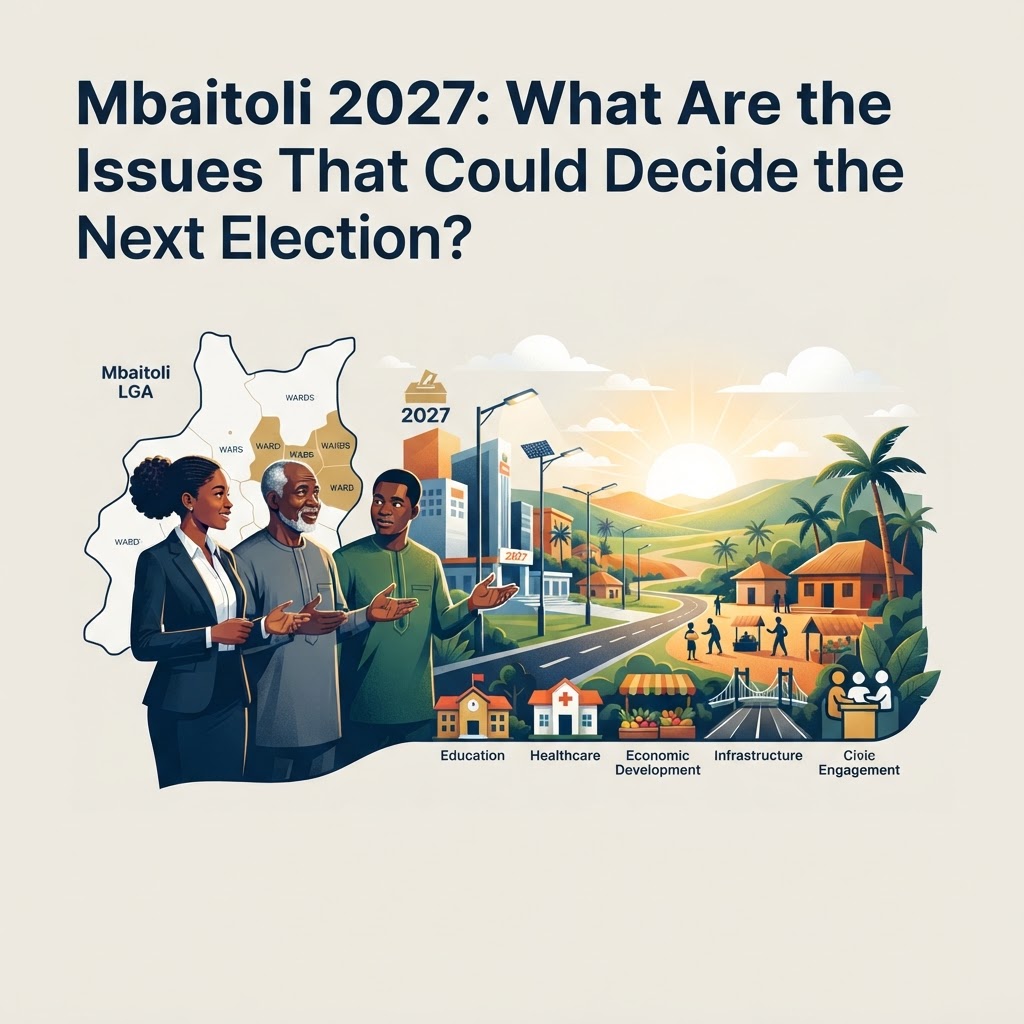
As Nigeria's political calendar begins its inevitable turn toward 2027, the conversations happening in markets, community halls, and WhatsApp groups across Mbaitoli Local Government Area are no longer about personalities alone. They are about survival, development, and accountability. Mbaitoli, one of the most populous and strategically positioned local government areas in Imo State, stands at a political crossroads. The decisions voters make in 2027 will determine whether this community continues along a path of neglect or begins a genuine journey toward institutional transformation. At eziokwubundu.com, we approach this conversation through our signature Health + Wealth + Community triangle — because no election analysis is complete without examining how governance touches the daily lives of real people.
Why Is 2027 a Turning Point for Mbaitoli?
Setting the Stage for a Decisive Political Cycle
Mbaitoli is not a peripheral community in Imo State's political geography. Covering approximately 204 square kilometers, it is one of the largest local government areas in the Owerri Zone and serves as a critical hub linking communities, markets, and social infrastructure across the state's heartland. With its headquarters in Nwaorieubi and dozens of communities spread across its expanse, Mbaitoli commands significant electoral weight.
What makes the 2027 cycle different is the nature of the questions being asked. Voters are growing weary of ceremonial endorsements, where candidates are presented as community champions without any substantive policy framework. Across Nigeria, political analysts are increasingly noting a generational shift — younger voters in particular are demanding issue-based campaigns that connect directly to community outcomes. For Mbaitoli, 2027 is being viewed as an existential moment for democratic consolidation at the grassroots level.
Using the Health + Wealth + Community framework, the conversations that matter most centre on whether candidates can improve healthcare access, generate economic opportunity, and rebuild community solidarity. These are not abstract aspirations. They are daily necessities for the families of Mbaitoli. For related statewide context, read our analysis on Imo 2027: Why the Race to Succeed Uzodimma Is Already Heating Up.
How Will LGA Autonomy Shape Resource Use?
The Shift from State Dependency to Grassroots Governance
One of the most consequential legal developments in Nigeria's recent history is the Supreme Court's landmark ruling on local government financial autonomy. In July 2024, the court ruled that state governments could no longer withhold or control federal allocations meant for local government councils. This ruling has profound implications for Mbaitoli, where years of financial dependence on state government goodwill meant that community development projects were often held hostage to political calculations at the Government House in Owerri.
With the Mbaitoli LGA headquarters in Nwaorieubi now empowered — at least in legal principle — to receive and manage its federal allocations directly, voters are right to ask: what exactly will those funds be used for? Historically, local government finances in Mbaitoli, as across much of Imo State, have been characterised by opacity. Revenue utilisation reports were rarely published. Capital expenditure projects were announced but frequently abandoned. The disconnect between budget lines and visible development has eroded public trust significantly.
The 2027 election cycle presents a genuine opportunity to reset this relationship. Candidates who are willing to commit to transparent fiscal governance — published monthly allocation statements, open procurement processes, and community-verified project completion — will have a powerful platform. Mbaitoli's nine major communities, including Mbieri, Orodo, and Ogwa, each carry distinct development needs. Mbieri requires sustained investment in rural road networks. Orodo has long demanded upgraded market infrastructure. Ogwa's communities have articulated a clear need for improved health facilities.
According to data from the Revenue Mobilisation Allocation and Fiscal Commission, local governments across Nigeria collectively receive billions of naira monthly through the Federation Account Allocation Committee (FAAC). The challenge has never been the absence of funds — it has been the failure of governance structures to convert those funds into community progress. Voters in Mbaitoli should make fiscal transparency a non-negotiable demand in 2027. The community's recent history of civic mobilisation, as seen in events like the Obi-Mbieri Women Wing Annual Meeting, demonstrates that grassroots accountability is not only possible but already being practised.
Can Candidates Solve Infrastructure and Healthcare Crises?
Bridging Community Needs and Public Service
Walk through communities like Eziama-Obiato, and the evidence of infrastructure decay is unmistakable. School buildings with collapsed roofs. Access roads that become impassable during the rainy season. Community boreholes that have not been maintained in years. These are not minor inconveniences — they are structural barriers to economic growth and human development. When a child cannot get to school because a road is flooded, that is a development failure. When a trader cannot transport goods to market because a bridge is crumbling, that is a wealth destruction event.
Infrastructure investment is, at its core, an economic multiplier. The World Bank's research on rural infrastructure in sub-Saharan Africa consistently shows that every dollar invested in rural road connectivity generates returns of between three and seven dollars in local economic activity. Candidates for the 2027 Mbaitoli local government elections need to present concrete, costed, and timeline-bound plans for road rehabilitation, not vague promises.
Healthcare is equally urgent. The Health is Wealth principle must move from campaign slogans into measurable policy commitments. Mbaitoli has several primary healthcare centres that are either understaffed, under-equipped, or both. Maternal mortality remains elevated. Preventable childhood illnesses persist because immunisation programmes are inconsistently delivered. Voters should demand that candidates commit to specific health outcome targets — reducing maternal mortality rates by a defined percentage, increasing immunisation coverage to at least 80%, and ensuring each community ward has a functioning primary healthcare centre with resident medical staff.
Beyond roads and hospitals, the issue of power supply and digital connectivity deserves serious attention. The middle class in Mbaitoli — entrepreneurs, teachers, healthcare workers, young professionals — cannot build sustainable businesses without reliable electricity or internet access. For this demographic, digital connectivity is not a luxury. It is an economic necessity. Candidates who integrate digital infrastructure into their development manifestos will speak directly to the aspirations of Mbaitoli's growing class of educated and entrepreneurial residents.
What Role Will Economic Self-Sufficiency Play?
Practical Prosperity and Internal Revenue Growth
Mbaitoli's economy has historically been characterised by consumption rather than production. A significant portion of the goods sold in its markets are imported from other states. Agricultural potential — and Mbaitoli has considerable fertile land — remains largely underutilised. Local industries are few, and youth unemployment is structurally embedded rather than cyclical.
Featured Products
Chukwu Abiama Tee
Bold black-and-gold Igbo-pride T-shirt featuring 'Chukwu Abiama' in premium streetwear typography.
₦15,000
Buy NowReverse Type 2 Diabetes & other associated Metabolic Issues using Dr. Jason Fung's Evidence-Based Approach— FMD program for Type 2 Diabetes
A practical fasting and fasting-mimicking programme built on Dr Jason Fung's insulin-resistance principles and ow-glycemic recipes.
₦19,950
Join NowỤmụ Igbo Tee
Classic black T-shirt with bold white 'Ụmụ Igbo' typography — a proud statement of Igbo heritage.
₦15,000
Buy NowNwanne Tee
Washed khaki vintage tee with a faded rust-orange 'Nwanne' stamp badge and palm leaf motif — a nod to kinship and heritage.
₦18,000
Buy NowObodo Tee
Faded denim-blue washed tee with a cream 'Obodo' stamp badge and sun motif, celebrating community roots.
₦18,000
Buy NowEkwe Heritage Tee
Deep indigo tee featuring a fine line-art illustration of a traditional Igbo ekwe drum, inspired by Igbo-Ukwu bronze artistry.
₦18,000
Buy NowIkenga Figure Tee
Forest green tee with a fine line-art illustration of a stylized Ikenga figure.
₦18,000
Buy NowThe transition from a consumer-based economy to a production-based one requires deliberate policy intervention at the local government level. Candidates must explain how they plan to support local markets through market infrastructure investment, how they intend to create small-scale industrial clusters, and how they will leverage the LGA's agricultural base through structured agribusiness programmes. Imo State, with its significant diaspora community, has the potential to attract remittance-linked agricultural investment if the governance environment is attractive enough.
Practical Prosperity — the idea that development must be actionable, applied, and rooted in the specific economic realities of Nigerian communities — should become the yardstick for evaluating economic promises. This means supporting vocational training centres that teach marketable trades rather than offering political patronage disguised as empowerment. It means creating Actionable Wealth Creation Guides for youth — frameworks that connect them to funding opportunities, market linkages, and business development services without requiring them to owe political loyalty to any godfather.
According to Nigeria's National Bureau of Statistics, youth unemployment in South-East Nigeria consistently exceeds the national average. Any credible 2027 candidate must treat this statistic not as an abstraction but as an urgent policy mandate demanding structural solutions.
How Does Security Influence Community Wealth?
Protecting the African-Centered Perspective of Safety
There is a direct and measurable relationship between security and investment. In Mbaitoli, as across much of South-East Nigeria, the insecurity challenges of recent years have depressed economic activity, discouraged diaspora investment, and disrupted farming cycles. The Mbaitoli diaspora — a community that spans Lagos, Abuja, Port Harcourt, and international cities across Europe and North America — represents one of the most powerful potential engines of local investment. But diaspora Nigerians are rational actors. They will not bring capital into a community where kidnapping, extortion, and civil disorder make business unviable.
A Community-First approach to security must go beyond deploying hired thugs or relying exclusively on overstretched state police. It must integrate traditional institutions — autonomous community leadership structures, age grade societies, and community vigilante networks — with modern intelligence-sharing and policing strategies. The Imo State Government's existing community security frameworks provide a starting point, but local government candidates need to demonstrate how they will operationalise security at the ward and community level.
Farming and local trade, the economic lifelines for a majority of Mbaitoli households, are directly undermined by insecurity. Farmers who cannot access their fields during harvest seasons lose income. Traders who cannot travel safely between markets lose customers. Security is not a political promise. It is an economic precondition. Voters must hold 2027 candidates accountable for articulating credible, community-owned security frameworks.
Will Youth and Women Inclusion Redefine the Ballot?
Breaking Barriers to Political Participation
No election analysis of Mbaitoli is complete without confronting two structural biases that have long distorted democratic representation: the marginalisation of women and the exclusion of young professionals. The gender education gap in Mbaitoli reflects a broader pattern across rural Imo State, where traditional expectations have historically prioritised male education and civic participation over female empowerment. The result is a governance deficit — communities losing the intellectual and professional capital of half their population.
This must change by 2027. Women's organisations in Mbaitoli, including active groups whose governance lessons have been documented in the context of community events in Mbieri, have demonstrated both the will and the capacity for political engagement. The challenge is converting that civic energy into formal electoral representation. At least 35% of local government positions should be vigorously contested by women in 2027, and community leaders must actively support rather than obstruct female candidacies.
For young professionals, the barrier is often financial. Party primaries in Nigeria carry what activists now openly call "price tags" — entry fees and informal payments that effectively price out principled but less wealthy candidates. This structure perpetuates the cycle of godfatherism. Civic pressure groups, student organisations, and youth professional networks in Mbaitoli must organise collectively to challenge these barriers, demand reduced primary costs, and support credible youth candidates through crowd-based fundraising and campaign volunteerism.
Ultimately, voters themselves must demand more. An evidence-based manifesto — one that contains specific targets, timelines, budget commitments, and accountability mechanisms — should be the minimum standard for any candidate seeking the Mbaitoli electorate's trust in 2027. Generic campaign promises plastered on posters are no longer sufficient for a community that is educated, connected, and increasingly impatient for results.
Conclusion: The Mandate Belongs to the Voters
The 2027 election in Mbaitoli will not be decided by political godfathers alone — not if citizens choose to exercise their democratic power with clarity and conviction. The issues are clear: local government autonomy and fiscal transparency, infrastructure and healthcare rehabilitation, economic self-sufficiency and youth empowerment, community security, and the meaningful inclusion of women and young professionals in governance.
At eziokwubundu.com, we believe that the Health + Wealth + Community triangle is not just a content framework — it is a governance standard. A community is healthy when its people have access to functional healthcare. A community is wealthy when its economic structures generate opportunity for all, not patronage for the few. A community is whole when every voice — young and old, male and female, home-based and diaspora — participates in shaping its future.
Mbaitoli has the population, the talent, the cultural depth, and increasingly the legal framework to govern itself well. The 2027 election is the moment to demand that its leaders rise to match that potential. The mandate belongs to the voters. Use it wisely.
Stay Informed
Get New Articles in Your Inbox
Subscribe to receive the latest community development, health, and wealth insights from Eziokwubundu.
Newsletter
Practical insights on health, wealth, and community — delivered weekly.
Community Discussion(0)
Leave a Comment
More to Read
You May Also Like

Can Fasting Help Lower High Blood Pressure? What Experts Say
High blood pressure quietly affects millions of Nigerian adults, often with no obvious warning signs. Many families are now turning to fasting as a natural way to manage it. This article explores the question many are asking: Can Fasting Help Lower High Blood Pressure? What Experts Say reveals surpr...

NNPC Faces Efficiency Scrutiny Over ₦27.76 Trillion Expenses
Nigeria's state oil giant is back in the headlines, and not for a new discovery. NNPC's ₦27.76 Trillion Operating Expenses Raise Efficiency Questions among citizens, analysts, and policymakers alike. The figure is so large it has sparked fresh debate about how national wealth is managed, and the num...
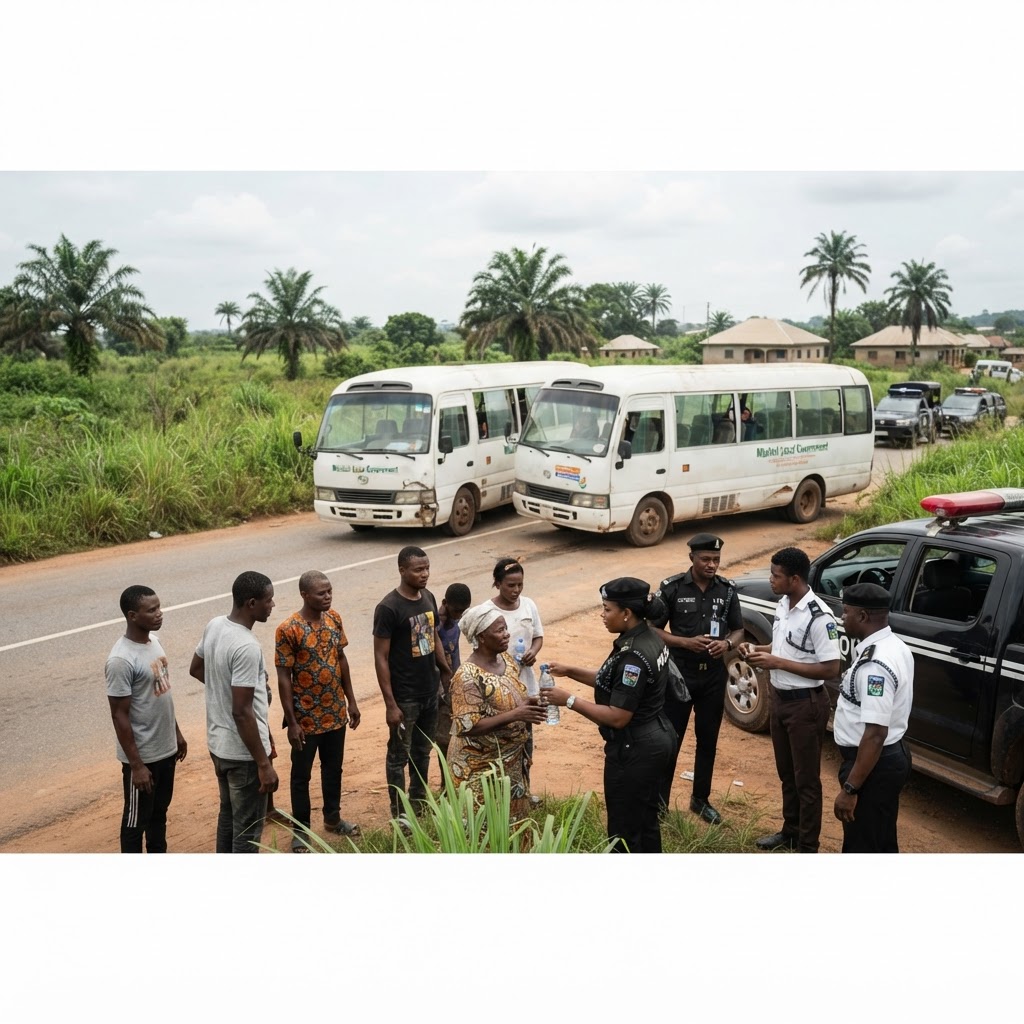
Police Rescue 10 After Gunmen Attack Two Buses in Mbaitoli
Early morning violence on a major Imo State highway sent shockwaves through communities nationwide this week. Families woke up to disturbing news of commuters trapped in a terrifying ordeal after gunmen struck in Mbaitoli, targeting two commercial buses in the hours before dawn. The headline "Police...

FG, Imo Back Pharmaceutical Hub Planned for Mgbidi
The Federal Government and Imo State Government have thrown their weight behind a bold new industrial project. FG, Imo Back Pharmaceutical Hub Planned for Mgbidi, signaling a fresh push toward local drug manufacturing and economic renewal in the South-East. The announcement positions the proposed fa...
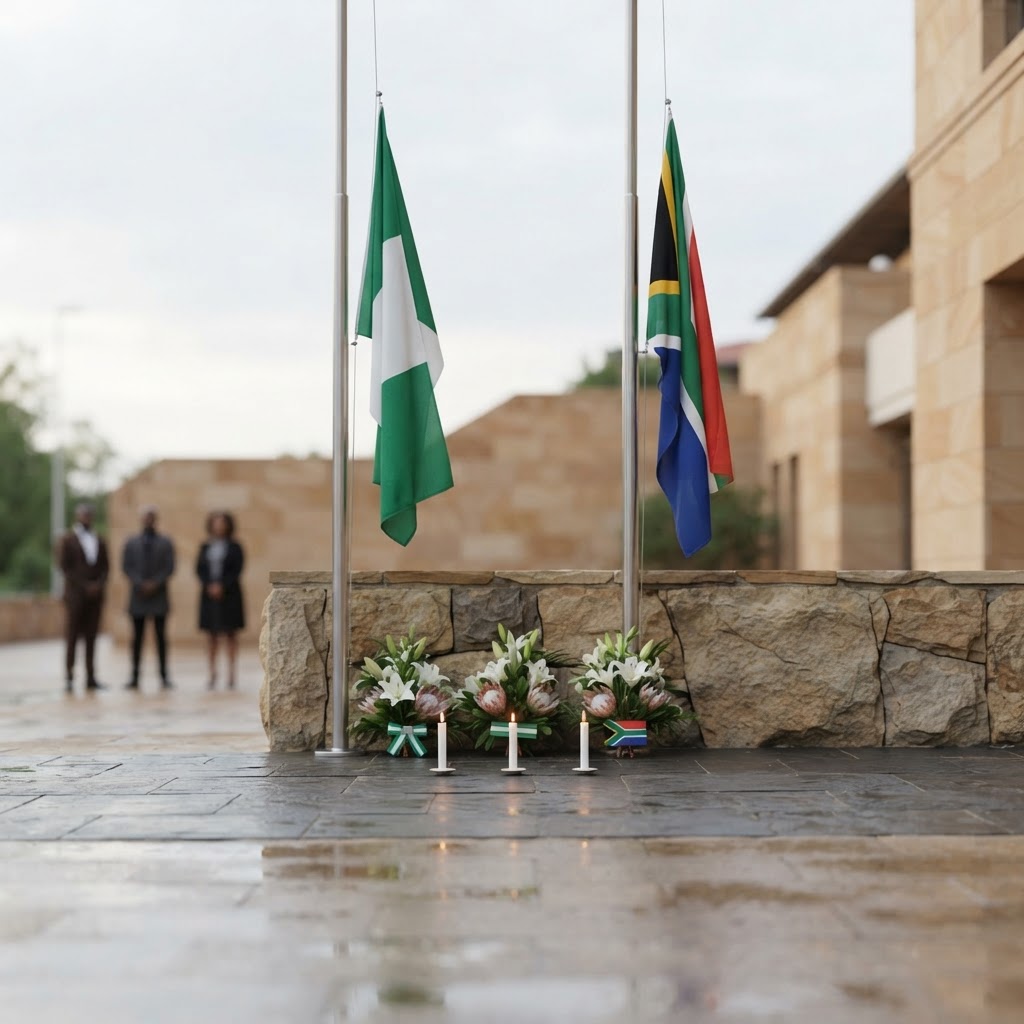
Nigeria Condemns Deaths of Three Citizens in South Africa
Nigerian families are mourning once again this week. Three citizens lost their lives in South Africa within a span of days. The tragedy has reignited calls for action, as Nigeria Condemns Deaths of Three Citizens in South Africa and demands accountability for the loss of its people abroad. For many ...
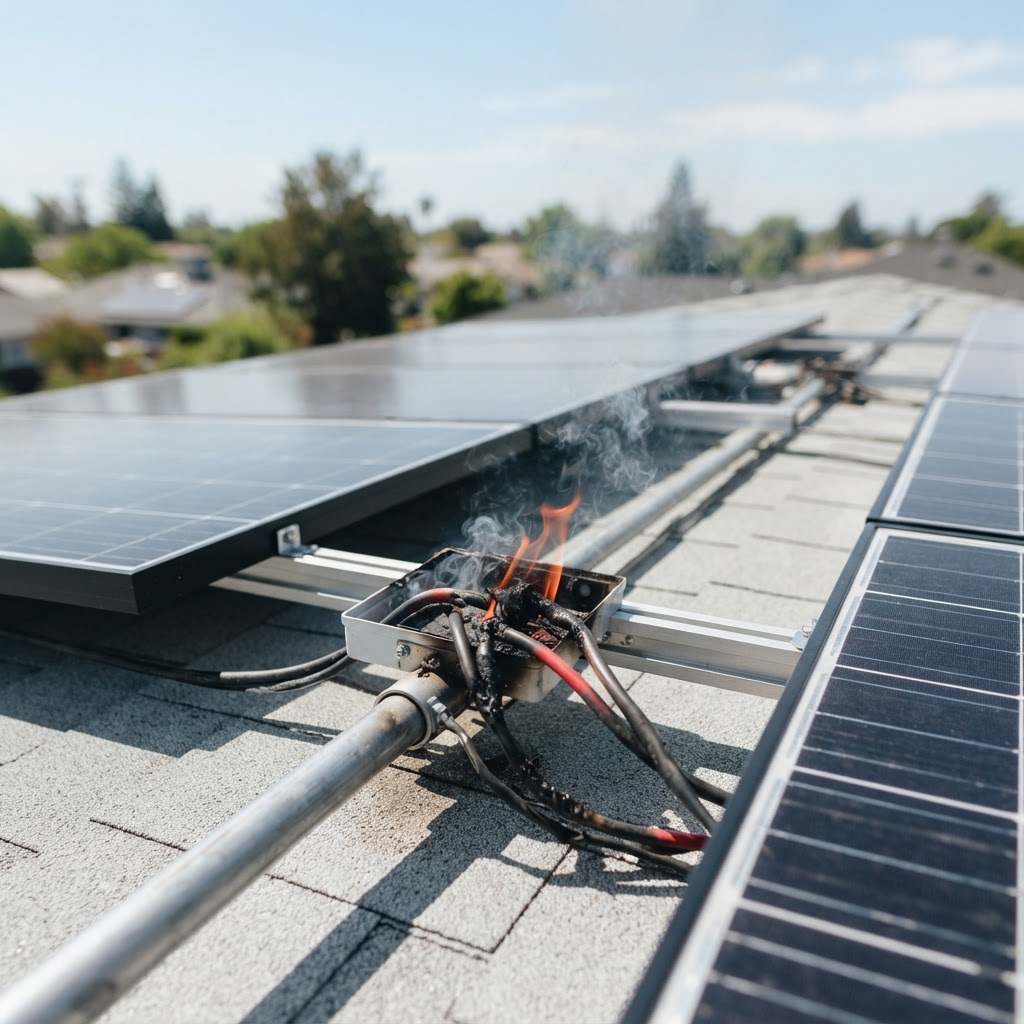
Solar Installation Safety: How Faulty Wiring Can Cause Fires
Nigeria's power crisis has pushed millions of families toward solar energy as a dependable alternative. Yet poor installation practices are quietly turning this clean energy solution into a serious hazard. Solar Installation Safety: How Faulty Wiring Can Cause Fires is becoming an urgent conversatio...
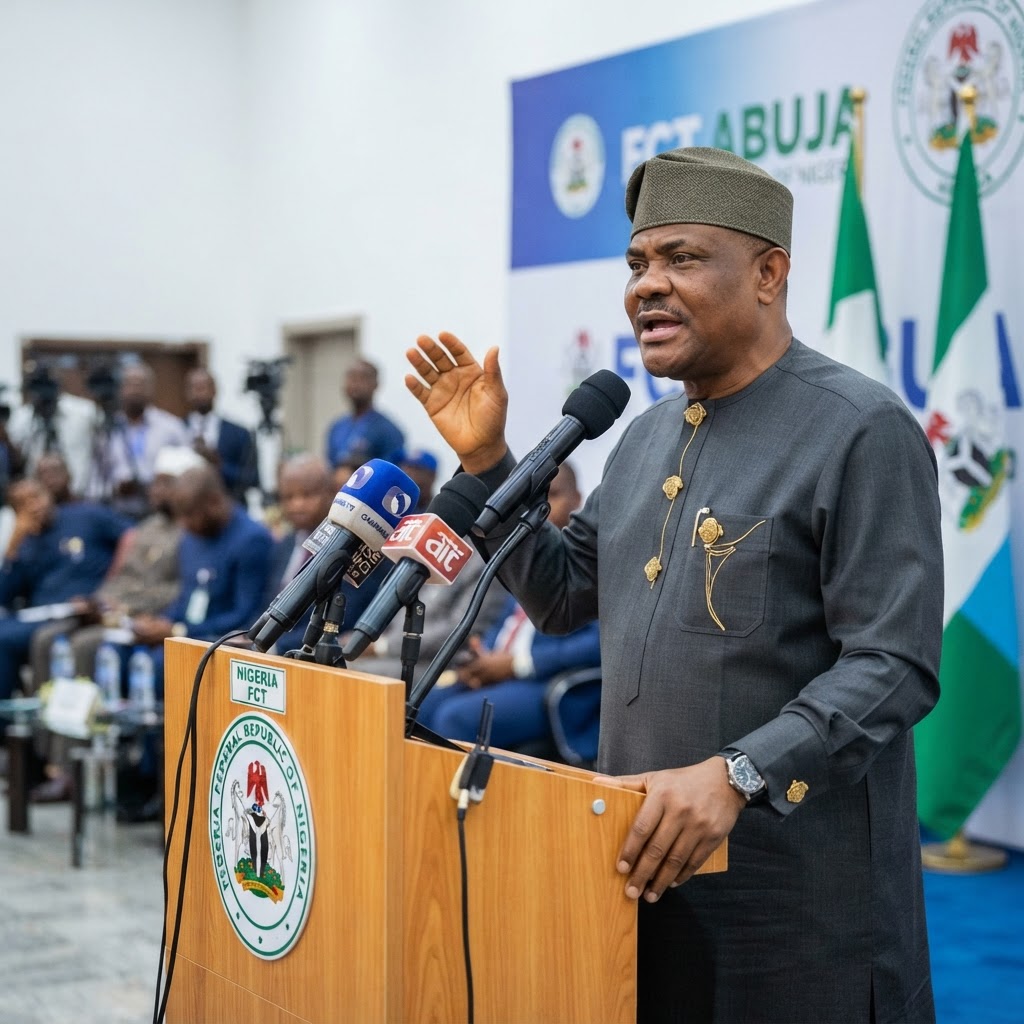
Wike Vows to Resign If Tinubu Loses FCT, Rivers
Nigeria's political temperature just rose by several degrees. A bold declaration from the Federal Capital Territory Minister has set tongues wagging across government circles and local communities alike. Wike Vows to Resign If Tinubu Loses FCT, Rivers, and that single pledge now dominates conversati...

JAMB Extends 2021–2025 Admission Acceptance Deadline
The clock is ticking for thousands of Nigerian students awaiting university placement. JAMB Extends 2021–2025 Admission Acceptance Deadline, giving candidates a crucial window to secure their academic future. For families across Nigeria and the diaspora, this update carries real weight for planning ...
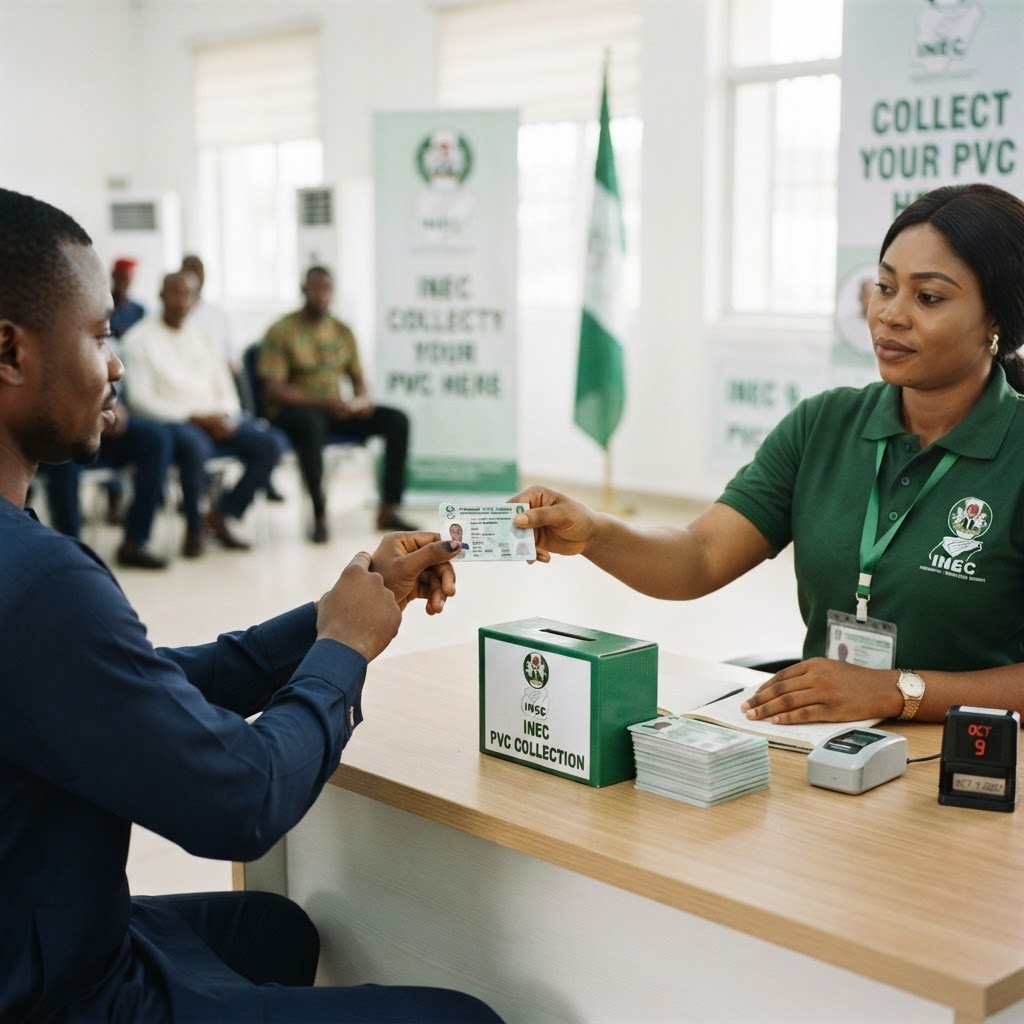
INEC Schedules PVC Collection Starting October 9
Nigeria's electoral calendar just got a major update, and millions of registered voters need to pay attention. INEC Sets October 9 for PVC Collection Ahead of 2027 Elections, marking a pivotal step toward the next general elections. This announcement affects families, students, entrepreneurs, and di...

Nigeria at 66: Nation Marks 66th Independence Anniversary
Nigeria stands at a defining moment, blending gratitude for decades of nationhood with determination to secure a brighter future. As the country celebrates Nigeria at 66: Nation Marks 66th Independence Anniversary, families, entrepreneurs, and community leaders are reflecting on how far the nation h...