Powered by Obi Mbieri Independent Media Ltd · eziokwubundu.com
$1 = ₦1,332€1 = ₦1,498£1 = ₦1,775How to Audit Nigerian Agri-Crowdfunding Reports Safely
Investing hard-earned family savings into Nigerian agricultural crowdfunding requires more than just optimism; it demands rigorous due diligence and a critical eye for detail.

Investing hard-earned family savings into Nigerian agricultural crowdfunding requires more than just optimism; it demands rigorous due diligence and a critical eye for detail. While the digital boom in agri-tech offers a gateway to prosperity, many platforms have historically struggled with transparency, leaving families vulnerable to financial loss.
Developing a systematic approach to vetting these opportunities is essential for any middle-class professional or diaspora investor. By learning to audit farm reports effectively, you can distinguish between genuine agricultural productivity and unsustainable financial engineering designed to attract quick capital.
The Landscape of Nigerian Agri-Tech
The Nigerian agricultural sector has transformed significantly with the introduction of crowdfunding platforms that pool resources from small-scale investors. These platforms typically promise returns by funding various value chains, including poultry, maize, rice, and livestock fattening for local markets.
Despite the noble goal of food security, the lack of strict initial oversight led to many investors losing money during market downturns. Today, the Securities and Exchange Commission (SEC) of Nigeria has introduced tighter regulations to govern how these entities operate and raise funds from the public.
Understanding these regulations is the first step in your auditing journey as an informed Nigerian investor. You must confirm if a platform is registered as a Crowdfunding Intermediary, which provides a layer of legal protection for your family’s investment capital.
Verifying Farm Operational Integrity
When a platform sends a progress report, the first thing you must audit is the physical existence of the assets mentioned. Digital reports often include glossy photos, but as a savvy investor, you should look for verifiable data like GPS coordinates and time-stamped images.
If a platform refuses to provide the specific location of the farm clusters, this is a significant red flag for transparency. Legitimate operations welcome scheduled visits or provide live feeds and satellite mapping data to prove that the crops or livestock actually exist on the ground.
Assessing Land Title Documents
Before any seeds are planted, the platform must have legal access to the land they are cultivating for their investors. You should request evidence of a Lease Agreement or a Certificate of Occupancy (C of O) for the farm locations listed in their brochures.
Understanding the legal standing of the farm property ensures that the project won't be disrupted by local land disputes. This level of scrutiny is similar to how you would Safeguard Family Assets Under Nigeria's CAMA 2020 when setting up a business or holding company.
Evaluating Biological Asset Health
Farm reports should include detailed information on the mortality rates of livestock or the germination rates of the planted crops. For instance, if a poultry report shows a 0% mortality rate over three months, it is likely the data is being fabricated or overly sanitized.
Agriculture is inherently risky, and realistic reports should reflect the challenges faced during the farming cycle, such as pest infestations or weather fluctuations. Authentic updates include the specific measures taken by the farm managers to mitigate these biological risks and protect your expected returns.
Auditing Financial Transparency Reports
Financial reports from agri-tech platforms should clearly outline how your money is being spent across the agricultural value chain. You need to see a breakdown of costs including seeds, fertilizers, labor, logistics, and the management fees deducted by the platform.
Many platforms fail because they use funds from new investors to pay back old ones, creating a cycle of debt. To avoid this, ask for audited financial statements from the previous year to ensure the company is generating profit from actual farming activities rather than just recruitment.
Understanding Yield Projections
You must compare the platform’s promised returns with the current market prices provided by the Nigerian Investment Promotion Commission (NIPC). If the platform promises a 30% return in six months while the national average for that crop is 15%, the investment is likely high-risk.
Unrealistic yield projections are often a sign of desperate marketing intended to attract liquidity from unsuspecting families. A professional audit involves cross-referencing these yields with data from the International Fund for Agricultural Development (IFAD) to see if the targets are biologically possible.
Reviewing Cash Flow Management
Analyze how the platform handles the payout process and whether they have a reserve fund for market volatility. A healthy agricultural business should have diversified revenue streams, such as selling by-products or processing raw materials into finished goods to increase their profit margins.
If the payout depends solely on the spot price of a commodity at a single market, the risk to your family savings is too high. You want to see evidence of forward-contracts or off-taker agreements with major food processing companies that guarantee a purchase price for the harvest.
Featured Products
Chukwu Abiama Tee
Bold black-and-gold Igbo-pride T-shirt featuring 'Chukwu Abiama' in premium streetwear typography.
₦15,000
Buy NowReverse Type 2 Diabetes & other associated Metabolic Issues using Dr. Jason Fung's Evidence-Based Approach— FMD program for Type 2 Diabetes
A practical fasting and fasting-mimicking programme built on Dr Jason Fung's insulin-resistance principles and ow-glycemic recipes.
₦19,950
Join NowỤmụ Igbo Tee
Classic black T-shirt with bold white 'Ụmụ Igbo' typography — a proud statement of Igbo heritage.
₦15,000
Buy NowNwanne Tee
Washed khaki vintage tee with a faded rust-orange 'Nwanne' stamp badge and palm leaf motif — a nod to kinship and heritage.
₦18,000
Buy NowObodo Tee
Faded denim-blue washed tee with a cream 'Obodo' stamp badge and sun motif, celebrating community roots.
₦18,000
Buy NowEkwe Heritage Tee
Deep indigo tee featuring a fine line-art illustration of a traditional Igbo ekwe drum, inspired by Igbo-Ukwu bronze artistry.
₦18,000
Buy NowIkenga Figure Tee
Forest green tee with a fine line-art illustration of a stylized Ikenga figure.
₦18,000
Buy NowEvaluating Insurance Coverage Reality
One of the biggest misconceptions in Nigerian agri-crowdfunding is that the investment itself is insured by the Nigerian Agricultural Insurance Corporation (NAIC). In reality, most insurance policies only cover the physical farm assets against specific disasters like fire, flood, or pestilence.
Investors must realize that this insurance does not guarantee the return of your capital if the management mismanages the funds. You should request the insurance certificate and read the fine print to see what specific perils are covered under the policy for that cycle.
Distinguishing Farm vs Investment Insurance
Farm insurance protects the crops in the field from natural disasters but does not cover market price drops. If the price of maize crashes globally, the insurance company will not pay you the difference in your expected profit margins.
Investment insurance, which is much rarer in this sector, would protect the principal amount you contributed to the project. Always ask the platform to clarify which type of insurance they have active and ask for the policy number to verify with the insurer.
Verification of Policy Validity
Directly contact the insurance provider mentioned in the farm report to ensure the policy is currently active and the premiums are paid. Some platforms display old insurance certificates to gain trust even after the coverage has lapsed due to non-payment or expiration.
A valid policy from a reputable insurer like Leadway or AIICO provides a safety net for the physical assets on the farm. Without this verification, your family savings are exposed to total loss from a single bad harvest or a local flooding event.
Risk Mitigation and Asset Allocation
Agri-crowdfunding should never be the sole destination for your family’s life savings because of its inherent volatility. Wise financial planning involves spreading your capital across different asset classes to ensure long-term stability and consistent growth for your household.
If you find that the risks in agriculture are too high after your audit, consider safer government-backed options for a portion of your wealth. For instance, many families find a better balance by reviewing an FGN Bonds vs. Treasury Bills Comparison to protect their core capital.
Diversifying into Tangible Assets
While digital agriculture is convenient, physical assets like real estate offer a different kind of security for Nigerian families. Real estate tends to appreciate over time and is not subject to the same biological risks as a poultry farm or a maize plantation.
You might consider exploring community-based wealth models to diversify your portfolio further beyond the digital space. A great example of this is learning how to Build Family Wealth via Structured Real Estate Esusu which combines traditional values with modern asset growth.
Setting Investment Limits
Never invest more than 10% to 15% of your total savings into any single agricultural crowdfunding platform, regardless of how good the reports look. This limit ensures that even if a project fails or a platform goes under, your family’s daily life and long-term goals remain intact.
Audit your own portfolio every quarter to see how your agricultural investments are performing compared to other sectors. If the agri-tech sector becomes too unstable, be prepared to liquidate your positions or stop reinvesting until the regulatory environment improves.
Final Checklist for Auditing Reports
Before you click the 'invest' button on any mobile app, run through a final checklist to ensure no detail has been overlooked. This systematic approach will save you from the emotional and financial stress of a failed investment cycle.
Take your time with this process and do not let 'limited-time offers' pressure you into making a hasty decision with your money. Professionalism in your personal finances is the surest path to the practical prosperity that Eziokwubundu advocates for all its readers.
Follow these four critical steps for every report:
- Verify the SEC registration status of the platform through their official portal.
- Request the specific GPS coordinates and land title documents for the farm cluster.
- Cross-reference projected returns with current Nigerian market commodity prices.
- Call the listed insurance company to confirm the validity of the farm’s policy.
By staying vigilant and demanding high standards of transparency, you contribute to a healthier financial ecosystem in Nigeria. Protecting your wealth is a form of community service that ensures the long-term progress of our society and the stability of the next generation.
Stay Informed
Get New Articles in Your Inbox
Subscribe to receive the latest community development, health, and wealth insights from Eziokwubundu.
Newsletter
Practical insights on health, wealth, and community — delivered weekly.
Community Discussion(0)
Leave a Comment
More to Read
You May Also Like
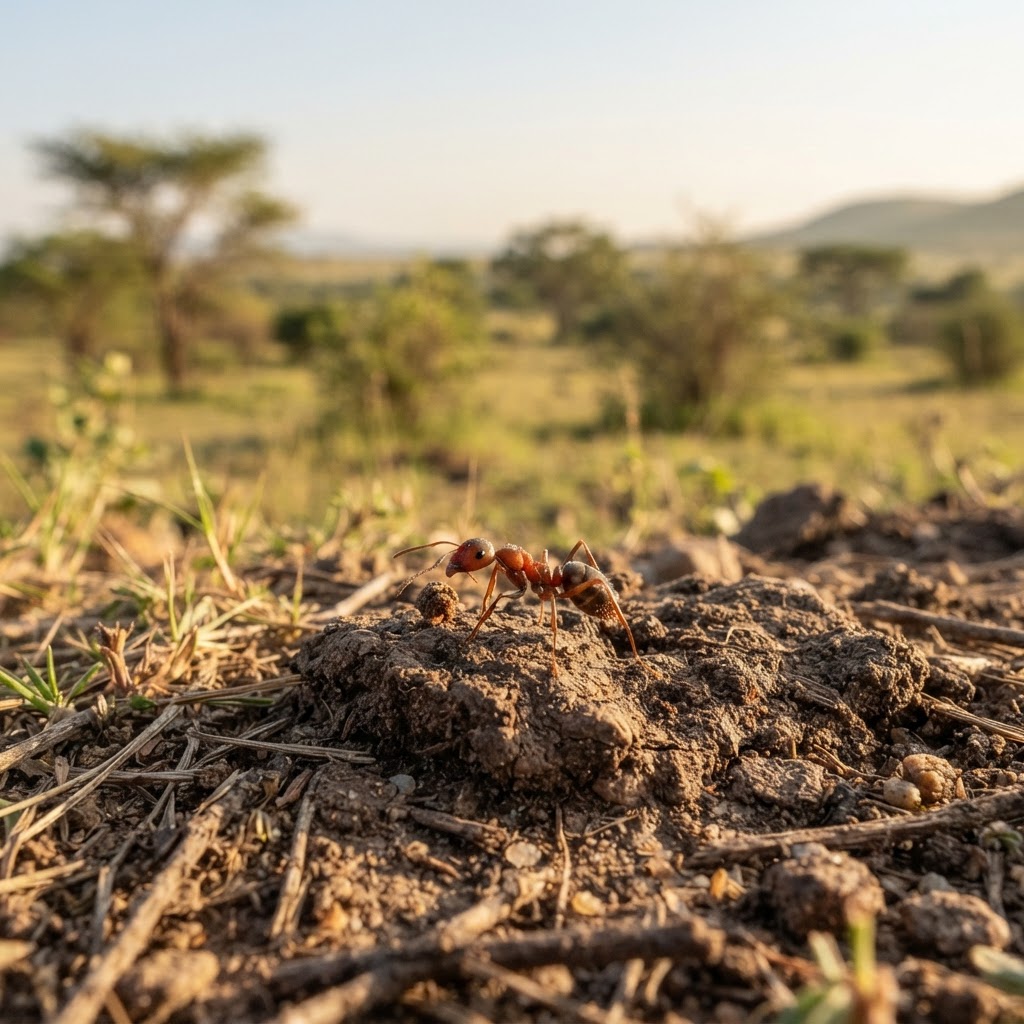
Why Africa's Tiny Ants Are Targeted for Wildlife Trade
Ants are tiny, but they are quietly becoming big business for international smugglers. Across East Africa, a strange black market has emerged, one built not on ivory or rhino horn but on queen ants. This unusual shift explains Why Africa's Tiny Ants Are Becoming a Wildlife Trafficking Target for cri...

FUTO Partners With Police to Boost Campus Security
Nigerian universities are grappling with growing security concerns, and the Federal University of Technology, Owerri (FUTO) is responding with urgency to protect its community. Campus security has become the defining priority for university leadership as recent incidents involving student safety pus...

Monetizing Digital Skills for Nigerian Youth Prosperity
The economic landscape for young Nigerians(/article/home-morning-fitness-guide-for-nigerians) is undergoing a profound transformation. No longer is a single monthly salary sufficient to navigate the complexities of modern inflation and rising living costs. For the ambitious youth professional, the d...

NNPC Faces Efficiency Scrutiny Over ₦27.76 Trillion Expenses
Nigeria's state oil giant is back in the headlines, and not for a new discovery. NNPC's ₦27.76 Trillion Operating Expenses Raise Efficiency Questions among citizens, analysts, and policymakers alike. The figure is so large it has sparked fresh debate about how national wealth is managed, and the num...

Why Entrepreneurs Must Track Monthly Net Worth
Many business owners in Lagos and Abuja celebrate high daily sales while their personal bank accounts remain stagnant. True financial freedom is not found in the cash flow of a business but in the residual value of one's personal assets. Shifting your focus to monthly net worth tracking allows you t...

Imo Approves Recruitment of 6,030 Teachers Across 27 LGAs
Imo State has taken a bold step toward transforming its public education system. Governor Hope Uzodimma has approved the recruitment of 6,030 teachers across the state's 27 Local Government Areas, a move many residents have awaited for years. This decision, widely reported by Vanguard(https://www.va...

Health and Wealth Creation for Nigerians: Empowerment Hub
In an increasingly complex global landscape, the pursuit of a fulfilling life necessitates a balanced approach to physical well-being, financial stability, and social connectivity. For Nigerians at home and in the diaspora, navigating these paths requires more than just effort; it requires access to...
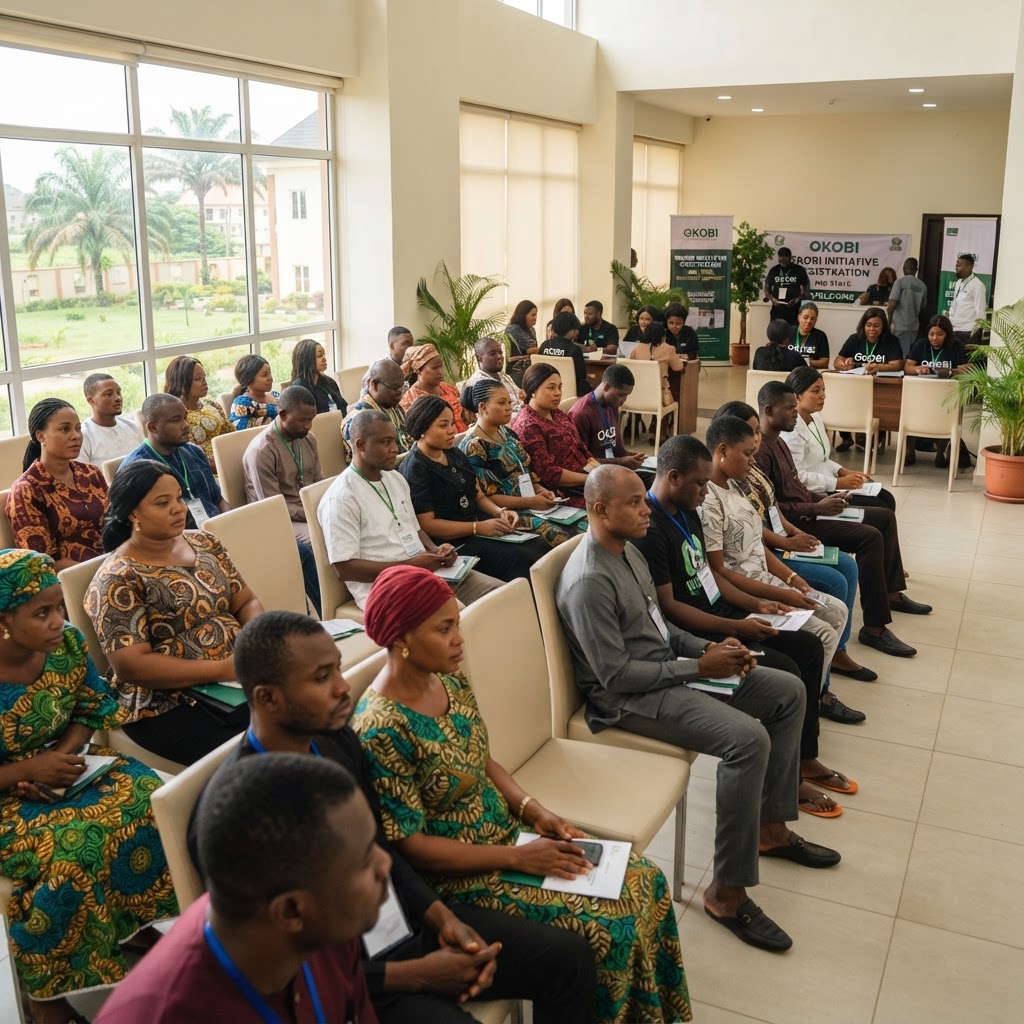
65 Imo Businesses Await OKOBI Initiative Registration
Imagine 65 kindred-owned businesses across Imo State, each waiting for one final document to unlock full legal status. That single step—Corporate Affairs Commission registration—now defines the next chapter in Imo's OKOBI Initiative: 65 Community Businesses Await CAC Registration. For families, entr...

How to Register a Business in Imo
Starting a business in Imo State is one of the most impactful decisions you can make — not just for your personal financial future, but for the broader prosperity of your community. From the bustling markets of Owerri to the agricultural enterprises of Orlu and Okigwe, Imo entrepreneurs are driving ...