Powered by Obi Mbieri Independent Media Ltd · eziokwubundu.com
$1 = ₦1,332€1 = ₦1,498£1 = ₦1,775Hypertension vs. Diabetes: Fight Both With Local Foods
Two of Nigeria's deadliest diseases have one chilling thing in common — most people who have them don't know it until serious damage has already been done. Hypertension and diabetes are quietly dismantling families, cutting down breadwinners in their prime, and straining households that can least af...
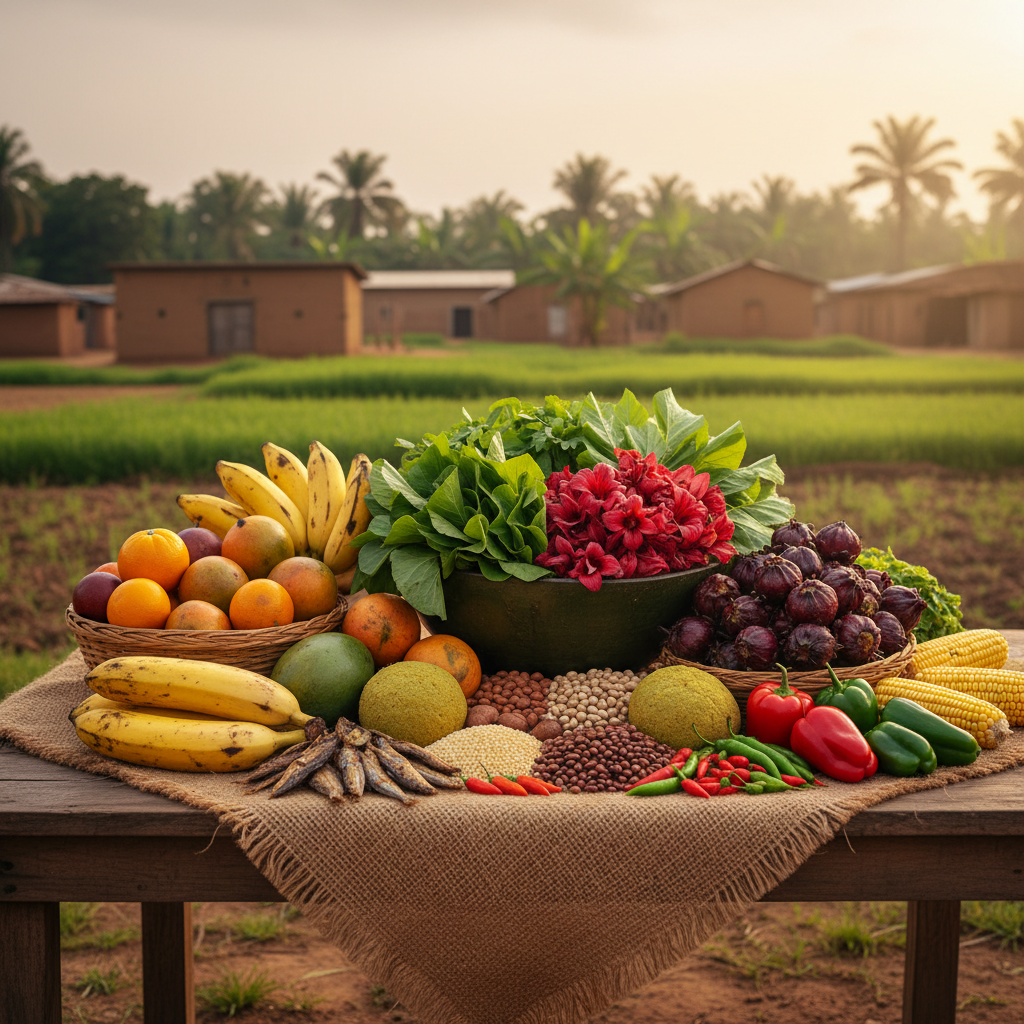
Two of Nigeria's deadliest diseases have one chilling thing in common — most people who have them don't know it until serious damage has already been done. Hypertension and diabetes are quietly dismantling families, cutting down breadwinners in their prime, and straining households that can least afford it. Understanding how these two conditions compare — and how your everyday Nigerian kitchen can become your first line of defence — could save your life or someone you love.
The Two Silent Killers Defined
Hypertension, commonly called high blood pressure, occurs when the force of blood pushing against artery walls stays consistently too high. Diabetes — particularly Type 2 — develops when the body cannot properly use or produce insulin, causing blood sugar to rise to dangerous levels. Both conditions are called "silent killers" because they typically cause no noticeable symptoms until they have already damaged vital organs like the heart, kidneys, eyes, and brain.
How Common Are They in Nigeria?
The numbers are sobering. According to the World Health Organization, hypertension affects approximately 1 in 3 adults globally, and Nigeria's burden mirrors or exceeds this average — with studies estimating up to 38% of Nigerian adults living with the condition. Diabetes prevalence in Nigeria hovers around 5–7% of the adult population, according to the International Diabetes Federation, with millions more in a pre-diabetic state. Both figures are likely undercounted due to low diagnosis rates in rural and peri-urban communities.
Which One Is More Dangerous?
This is the question Nigerian families ask most — and the honest answer is: both are dangerous, but for different reasons and at different speeds. Hypertension tends to be the faster, more immediate threat to life, while diabetes causes slower but equally devastating long-term damage.
The Hypertension Threat
High blood pressure is the leading risk factor for stroke in Nigeria — and Nigeria has one of the highest stroke mortality rates in sub-Saharan Africa. Hypertension silently weakens blood vessels over years, until one day they rupture or become blocked in the brain. The damage is often sudden, catastrophic, and irreversible. Beyond stroke, uncontrolled hypertension leads to:
- Heart attack and heart failure
- Chronic kidney disease requiring dialysis
- Aortic aneurysm and arterial damage
- Vision loss from retinal damage
The Diabetes Threat
Diabetes operates more like a slow fire. Over years, chronically elevated blood sugar damages nearly every system in the body. The Mayo Clinic notes that uncontrolled diabetes leads to nerve damage (neuropathy), kidney failure, blindness, non-healing wounds that can lead to amputation, and dramatically increased cardiovascular risk. For Nigerian families, the economic burden of diabetes complications — regular insulin purchases, dialysis, wound care — can be financially ruinous.
When They Occur Together
Here is a critical, often-overlooked truth: hypertension and diabetes very frequently occur together. Having both simultaneously multiplies cardiovascular risk by up to four times. In Nigerian clinical settings, it is extremely common to find a patient managing both conditions — and the combined damage they cause is far greater than either alone. This co-occurrence makes preventive action against both conditions simultaneously the wisest health strategy.
Why Nigerians Are Especially Vulnerable
Nigeria's unique blend of lifestyle, economic, and cultural factors creates a perfect storm for both diseases. Understanding these vulnerabilities is not about blame — it is about empowerment through honest information.
Three key risk accelerators stand out for Nigerian families:
- Dietary shifts: Increasing reliance on processed foods, white rice, refined flour, and heavily salted meals has replaced traditional high-fibre, low-glycaemic diets that once protected communities.
- Physical inactivity: Sedentary urban work patterns, long commutes, and reduced manual activity have dramatically cut physical exertion levels across generations.
- Stress and economic pressure: Chronic financial stress — a real feature of Nigerian middle-class and working-class life — elevates cortisol levels, which directly raises both blood pressure and blood sugar over time.
Additionally, a deeply rooted cultural reluctance to visit hospitals until illness becomes severe means that early-stage hypertension and pre-diabetes go undetected and untreated for years. Knowledge is power — and for Nigerian families, that knowledge must begin at the household level.
Recognising the Warning Signs
Because both conditions are largely asymptomatic early on, it is critical to know the few signs they do produce. Hypertension may occasionally cause headaches, nosebleeds, blurred vision, or chest tightness — but often presents no symptoms whatsoever. Diabetes warning signs, when present, can include unusual thirst, frequent urination, unexplained weight loss, fatigue, blurred vision, and slow-healing cuts or sores.
The most powerful tool available is regular screening. Every Nigerian adult over 30 should have their blood pressure checked at least twice per year and their fasting blood glucose tested annually — particularly if there is a family history of either condition. For a foundational understanding of what blood sugar numbers mean for your family, Blood Sugar Basics Every Nigerian Family Needs provides a practical starting point.
Your Nigerian Kitchen as Medicine
This is where the conversation becomes genuinely empowering. The Nigerian food tradition — when practiced with intention and preserved from ultra-processed interference — contains some of the most powerful disease-fighting ingredients on earth. The good news is that many of these foods actively fight both hypertension and diabetes at the same time.
Foods That Lower Blood Pressure Naturally
Certain Nigerian staples are potassium-rich, which directly counteracts the blood-pressure-raising effects of sodium. Potassium helps the kidneys flush excess sodium and relaxes blood vessel walls. These locally available options are especially valuable:
Featured Products
Chukwu Abiama Tee
Bold black-and-gold Igbo-pride T-shirt featuring 'Chukwu Abiama' in premium streetwear typography.
₦15,000
Buy NowReverse Type 2 Diabetes & other associated Metabolic Issues using Dr. Jason Fung's Evidence-Based Approach— FMD program for Type 2 Diabetes
A practical fasting and fasting-mimicking programme built on Dr Jason Fung's insulin-resistance principles and ow-glycemic recipes.
₦19,950
Join NowỤmụ Igbo Tee
Classic black T-shirt with bold white 'Ụmụ Igbo' typography — a proud statement of Igbo heritage.
₦15,000
Buy NowNwanne Tee
Washed khaki vintage tee with a faded rust-orange 'Nwanne' stamp badge and palm leaf motif — a nod to kinship and heritage.
₦18,000
Buy NowObodo Tee
Faded denim-blue washed tee with a cream 'Obodo' stamp badge and sun motif, celebrating community roots.
₦18,000
Buy NowEkwe Heritage Tee
Deep indigo tee featuring a fine line-art illustration of a traditional Igbo ekwe drum, inspired by Igbo-Ukwu bronze artistry.
₦18,000
Buy NowIkenga Figure Tee
Forest green tee with a fine line-art illustration of a stylized Ikenga figure.
₦18,000
Buy Now- Unripe plantain: Low glycaemic index, rich in potassium and resistant starch — excellent for blood pressure and blood sugar control simultaneously.
- Ugu (fluted pumpkin leaves): Rich in magnesium and potassium; studies confirm its hypotensive properties. It is also iron-rich and anti-inflammatory.
- Garden egg (African eggplant): Contains chlorogenic acid and nasunin — both linked to blood pressure reduction and improved arterial function.
- Bitter leaf (Vernonia amygdalina): Traditionally used in Igbo and Yoruba communities for blood cleansing; modern research supports its anti-hypertensive and blood-sugar-lowering effects.
Foods That Stabilise Blood Sugar
Managing blood sugar requires slowing glucose absorption and improving insulin sensitivity. Nigerian foods with low glycaemic indices, high fibre content, and anti-inflammatory compounds are ideal. For a deeper dive into combining these into satisfying meals, Ugu, Ewedu & Ogbono Meals for Stable Blood Sugar offers culturally grounded, practical recipes your family will actually eat.
Three powerful blood-sugar stabilisers already in most Nigerian homes include:
- Oats-based ogi (pap): When whole-grain oats replace processed corn flour, morning pap becomes a blood-sugar-friendly breakfast with significant beta-glucan fibre.
- Ogbono soup: Rich in soluble fibre and healthy fats that slow gastric emptying and prevent post-meal glucose spikes.
- Moringa (Zogale) leaves: Documented in multiple studies to improve insulin sensitivity; easily added to soups, teas, or smoothies.
The Spice Cabinet as Pharmacy
Traditional Nigerian spices are pharmacologically active — not just flavourful. Garlic reduces blood pressure through its sulphur compounds and also improves insulin sensitivity. Turmeric (used widely in Northern Nigerian and cosmopolitan kitchens) contains curcumin, a potent anti-inflammatory that reduces cardiovascular risk markers. Ehuru (African nutmeg) and uziza leaves are increasingly studied for metabolic benefits. Cooking with these spices daily is preventive healthcare that costs almost nothing.
Building a Protective Daily Lifestyle
Food is the foundation, but not the only pillar. A truly protective lifestyle for Nigerian families addresses movement, sleep, stress, and community support in equal measure.
Physical Activity That Fits Nigerian Life
You do not need a gym membership to protect your cardiovascular system. Consistent, moderate physical activity — 30 minutes most days — is clinically proven to lower blood pressure, improve insulin sensitivity, and reduce body fat. For many Nigerians, this can be achieved through:
- Purposeful morning or evening walks in the neighbourhood
- Household chores performed at a brisk pace
- Dancing — a genuinely effective aerobic exercise embedded in Nigerian social culture
- Cycling where infrastructure permits
The key is consistency over intensity. A 30-minute walk done five days a week outperforms an occasional intense gym session every time, clinically speaking.
Reducing Salt Without Reducing Flavour
One of the most impactful changes any Nigerian household can make is reducing added salt. The American Heart Association recommends no more than 2,300 mg of sodium per day — approximately one teaspoon of table salt. Many Nigerian soups and stews exceed this in a single serving when commercial seasoning cubes are used generously. The practical fix is not to eliminate flavour but to rebuild it using fresh tomatoes, uziza, ehuru, crayfish, and herbs rather than relying on salt-heavy cubes. Taste evolves — and so does blood pressure.
Prioritising Sleep and Stress Management
Poor sleep and unmanaged stress are clinically recognised contributors to both hypertension and insulin resistance. For busy Nigerian professionals, parents, and entrepreneurs under economic pressure, sleep is often the first sacrifice made — and it is a costly one. Aim for seven to eight hours of quality sleep nightly. Incorporate intentional decompression practices: prayer, communal conversation, quiet time, or structured breathing exercises. Caring for your mental and emotional health is not a luxury — it is part of your blood pressure and blood sugar management plan.
Smart Supplementation and Medical Partnership
While food and lifestyle changes are powerful, they work best in partnership with proper medical care — not as a replacement for it. If you have been diagnosed with hypertension or diabetes, your doctor-prescribed medications must be taken consistently. Many Nigerians discontinue medication when they feel well — this is dangerous, as both conditions return silently when medication is stopped. Before investing in supplements, it is worth grounding your nutrition strategy in evidence-based principles; 10 Nutrition Principles Before Buying Supplements offers a useful framework for making informed choices.
Community-Based Health Access
For families who struggle with the cost of consistent medical care, community-based models offer a practical bridge. Cooperative health arrangements, local government health outreach programmes, and faith-based health screenings have helped many Nigerian communities access blood pressure monitoring and blood glucose testing at little or no cost. When collective community infrastructure is leveraged for health, it transforms individual vulnerability into shared resilience — a value deeply aligned with Nigeria's communal heritage.
A Side-by-Side Action Plan
Hypertension and diabetes demand similar lifestyle interventions, which means fighting both simultaneously is not twice the work — it is the same strategic effort applied with dual purpose. Here is a simple household action plan:
- Screen regularly: Blood pressure and fasting blood sugar checks every six months for all adults over 30.
- Eat intentionally: Prioritise unripe plantain, ugu, bitter leaf, ogbono, and moringa. Reduce white rice, processed snacks, and salty seasonings.
- Move consistently: At minimum, 30 minutes of moderate activity five days per week — walking, dancing, or household work counts.
- Sleep and decompress: Seven to eight hours nightly; manage stress through community, faith, and rest.
- Partner with healthcare: Never stop prescribed medication without medical guidance; use community health resources to manage costs.
The Wealth Connection: Health Is Economic
This is a point that deserves emphasis for Nigerian entrepreneurs, professionals, and household heads: your health is your most valuable economic asset. A stroke or diabetes-related kidney failure does not just affect the patient — it financially devastates an entire household. The cost of dialysis in Nigeria alone can exceed ₦200,000 monthly, wiping out savings, stalling businesses, and derailing children's education. Preventive health investment — buying more ugu and bitter leaf, walking daily, attending community screenings — costs a fraction of crisis medical care. Protecting your health is not separate from building wealth. It is foundational to it.
Hypertension and diabetes are both formidable — but neither is unconquerable. The Nigerian kitchen, the Nigerian community, and the Nigerian spirit of resilience carry everything needed to push back against these two silent threats. The information exists, the foods exist, the community structures exist. What transforms knowledge into protection is the decision to act — starting today, in your own home, with the next meal you prepare.
Stay Informed
Get New Articles in Your Inbox
Subscribe to receive the latest community development, health, and wealth insights from Eziokwubundu.
Newsletter
Practical insights on health, wealth, and community — delivered weekly.
Community Discussion(0)
Leave a Comment
More to Read
You May Also Like

Affordable Home Preventive Health for Nigerian Families
The Hidden Cost of Reactive Healthcare in Nigeria In the heart of many Nigerian households, the approach to healthcare is often reactive. We wait for a fever to become debilitating or a cough to persist for weeks before seeking medical attention. This reactive cycle is not only dangerous for our phy...

Can Fasting Help Lower High Blood Pressure? What Experts Say
High blood pressure quietly affects millions of Nigerian adults, often with no obvious warning signs. Many families are now turning to fasting as a natural way to manage it. This article explores the question many are asking: Can Fasting Help Lower High Blood Pressure? What Experts Say reveals surpr...

Why Antibiotics Fail: Understanding Antimicrobial Resistance
Picture a child in Lagos battling pneumonia, given antibiotics that simply don't work anymore. This is no longer a distant fear—it's a documented reality shaping healthcare across Nigeria. Why Antibiotics May Stop Working: Understanding Antimicrobial Resistance is the question every Nigerian family,...

Strategic Wellness and Fiscal Growth for Nigerians
Achieving a state of total well-being requires more than just physical health or financial stability alone. For the modern Nigerian, success is a multi-dimensional pursuit that bridges the gap between traditional values and global opportunities. By integrating science-based natural health solutions ...

5 Signs Your Blood Pressure May Be Too High
Imagine feeling completely fine while your arteries are quietly under siege. That is the reality for millions of Nigerians living with undiagnosed hypertension. Recognizing 5 Signs Your Blood Pressure May Be Too High could be the difference between early intervention and a medical emergency. Underst...

Can Insulin Help You Lose Weight? Risks and Medical Facts
Insulin often gets blamed for weight struggles among Nigerian families managing diabetes. But the science is more nuanced than blind blame suggests. This article, Can Insulin Help You Lose Weight? Risks and Medical Facts, examines what research actually shows. It looks at this essential hormone and ...