Powered by Obi Mbieri Independent Media Ltd · eziokwubundu.com
$1 = ₦1,346€1 = ₦1,569£1 = ₦1,830The Nigerian Home: How Our Grandmothers Knew Best About Nutrition
From egusi to ogbono, from ofe akwu to bitterleaf soup — the traditional Nigerian kitchen is a masterclass in balanced, functional nutrition that modern dietary science is only now confirming.

Walk into any traditional Nigerian grandmother's kitchen and you will encounter a nutritional philosophy that took Western science decades to understand. Long before macronutrients and micronutrients became household vocabulary, Nigerian food traditions had already optimized for health, satiety, and community wellbeing.
The Genius of Nigerian Soups
Nigerian soups are fundamentally different from Western broths. They are high-fat, high-protein, vegetable-rich one-pot meals that deliver extraordinary nutritional density. Palm oil, once demonized in Western nutrition discourse, is now recognized as a rich source of tocotrienols — a powerful form of Vitamin E with exceptional antioxidant properties.
Featured Product
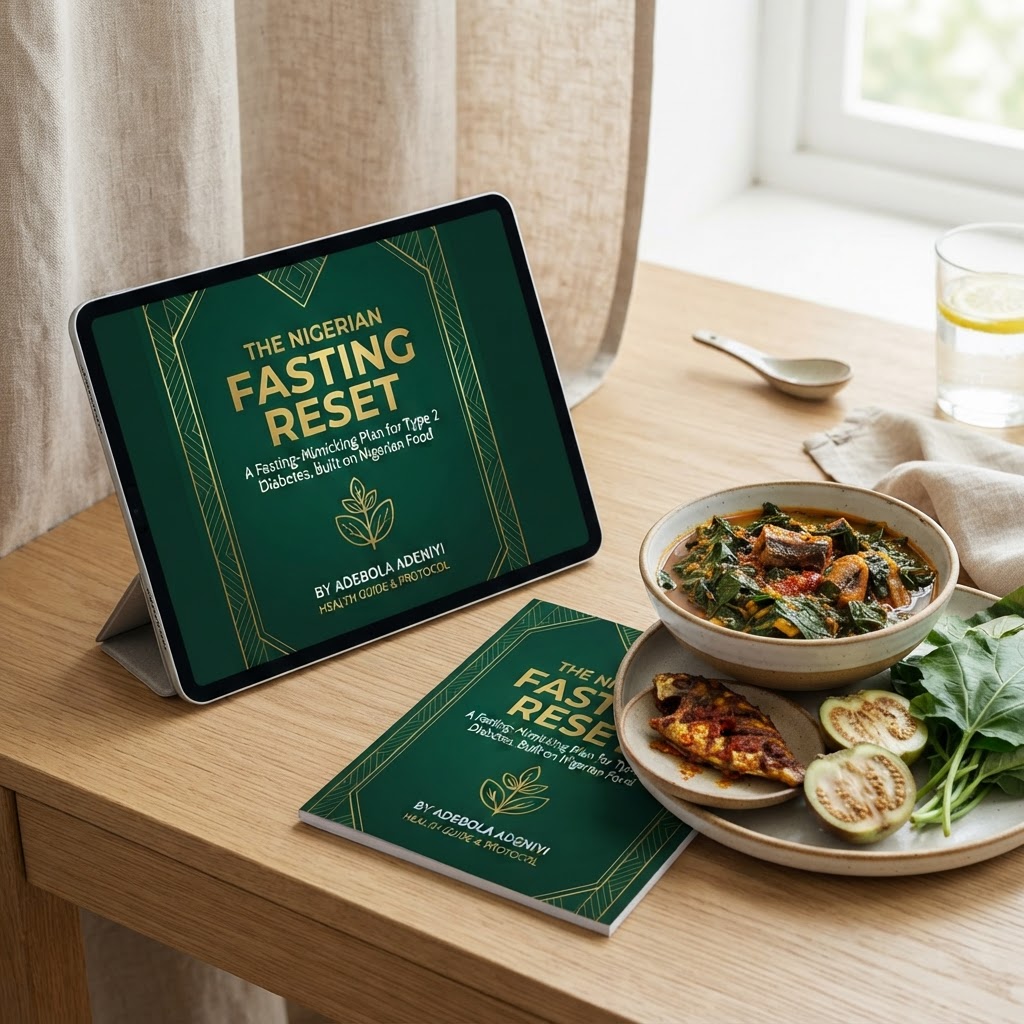
Reverse Type 2 Diabetes & other associated Metabolic Issues using Dr. Jason Fung's Evidence-Based Approach— FMD program for Type 2 Diabetes
A practical fasting and fasting-mimicking programme built on Dr Jason Fung's insulin-resistance principles and ow-glycemic recipes.
₦19,950
Join NowFermented Foods: Nigeria's Original Probiotics
Long before probiotic supplements became a global industry, Nigerian cuisine featured fermented foods at every meal. Iru (fermented locust beans), ogiri, dawadawa — these are all rich in beneficial bacteria, enzymes, and glutamates that support gut health and immune function.
"Our grandmothers did not count calories. They understood nourishment at a deeper, more intuitive level — and their families were healthier for it." — Eziokwubundu Editorial Team
Reconnecting with Our Nutritional Heritage
The rise of processed foods and Western fast food in Nigerian cities has created a dual burden: undernutrition in rural areas and diet-related chronic disease in urban centers. The solution lies not in expensive supplements or imported superfoods, but in reclaiming the wisdom of our traditional food systems.
Cook more soups. Visit the local market rather than the supermarket. Grow scent leaf and bitter leaf in pots on your balcony. The path back to vibrant Nigerian health is, quite literally, in our roots.
Stay Informed
Get New Articles in Your Inbox
Subscribe to receive the latest community development, health, and wealth insights from Eziokwubundu.
Newsletter
Practical insights on health, wealth, and community — delivered weekly.
Community Discussion(0)
Leave a Comment
More to Read
You May Also Like
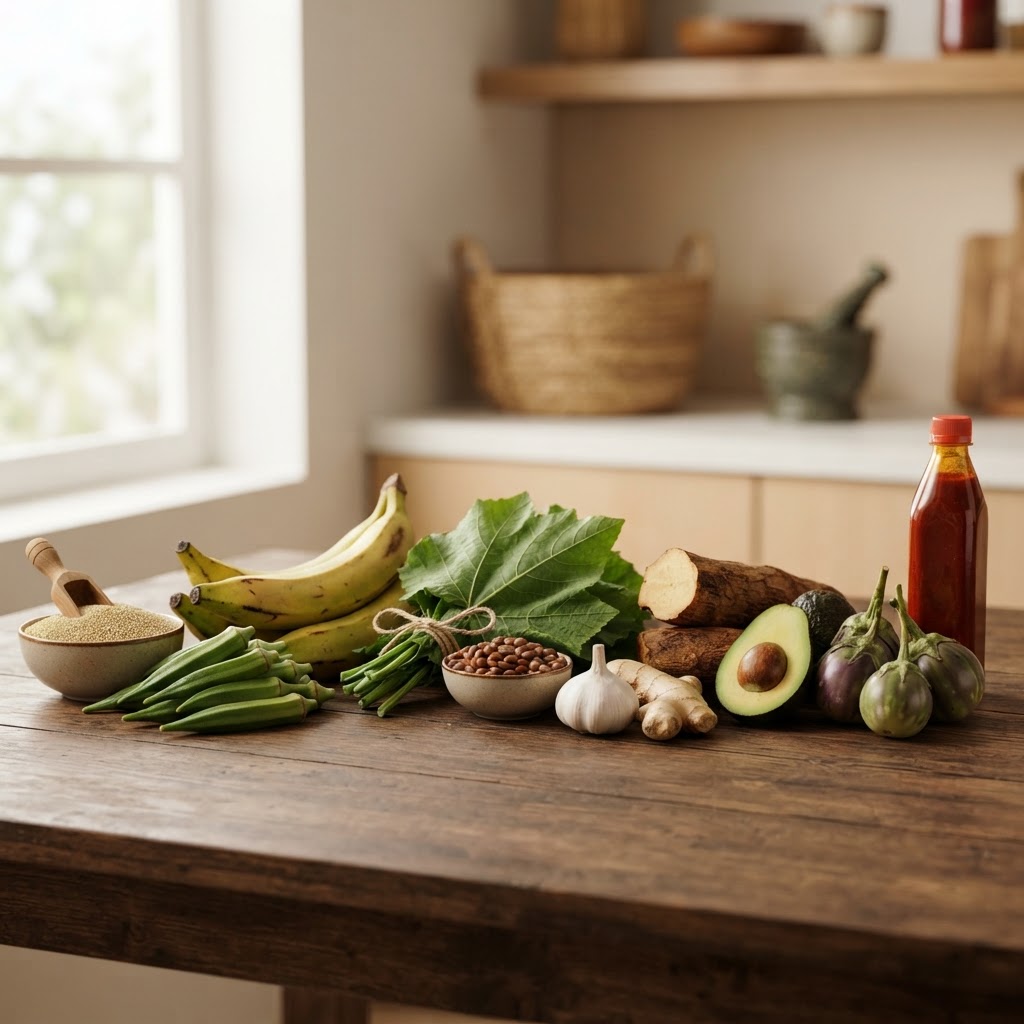
10 Nigerian Foods That Quietly Fight Diabete
Diabetes is no longer a distant, foreign disease. Across Nigerian cities and villages alike, more people are being diagnosed with Type 2 diabetes than ever before — a quiet epidemic reshaping families, draining household incomes, and placing enormous pressure on an already stretched healthcare syste...

Fasting for Health: What Science Says About Intermittent Fasting for Nigerians Over 40
For millions of Nigerians crossing the threshold of 40, the body begins to speak a new language — slower metabolism, rising blood pressure, expanding waistlines, and the creeping shadow of Type 2 diabetes. Yet within this health challenge lies a compelling, science-backed opportunity: intermittent f...
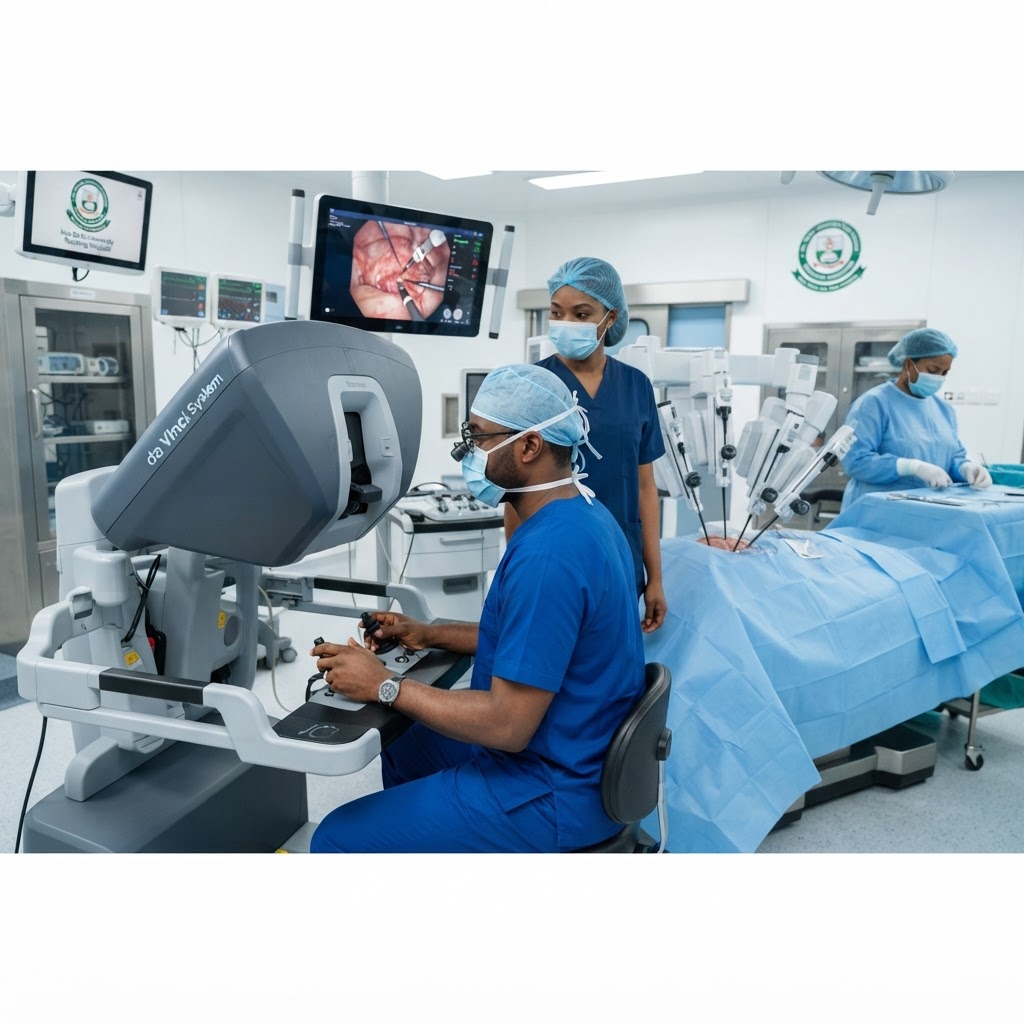
Imo's First Robotic Surgery: Hospital, Doctors and What the Breakthrough Means
On August 21, 2026, Imo State quietly made history. In a procedure that would have seemed impossible in a Nigerian public hospital just a decade ago, surgeons at the Imo Specialist Hospital in Umuguma, Owerri, completed the first robot-assisted precision surgery in the entire South-East geopolitical...

Malaria Prevention Tips Every Family Should Know
Malaria remains one of the most preventable yet persistently deadly diseases affecting Nigerian households. Despite decades of global health investment and growing public awareness, families across the country continue to lose breadwinners, children, and productive members of their communities to a ...
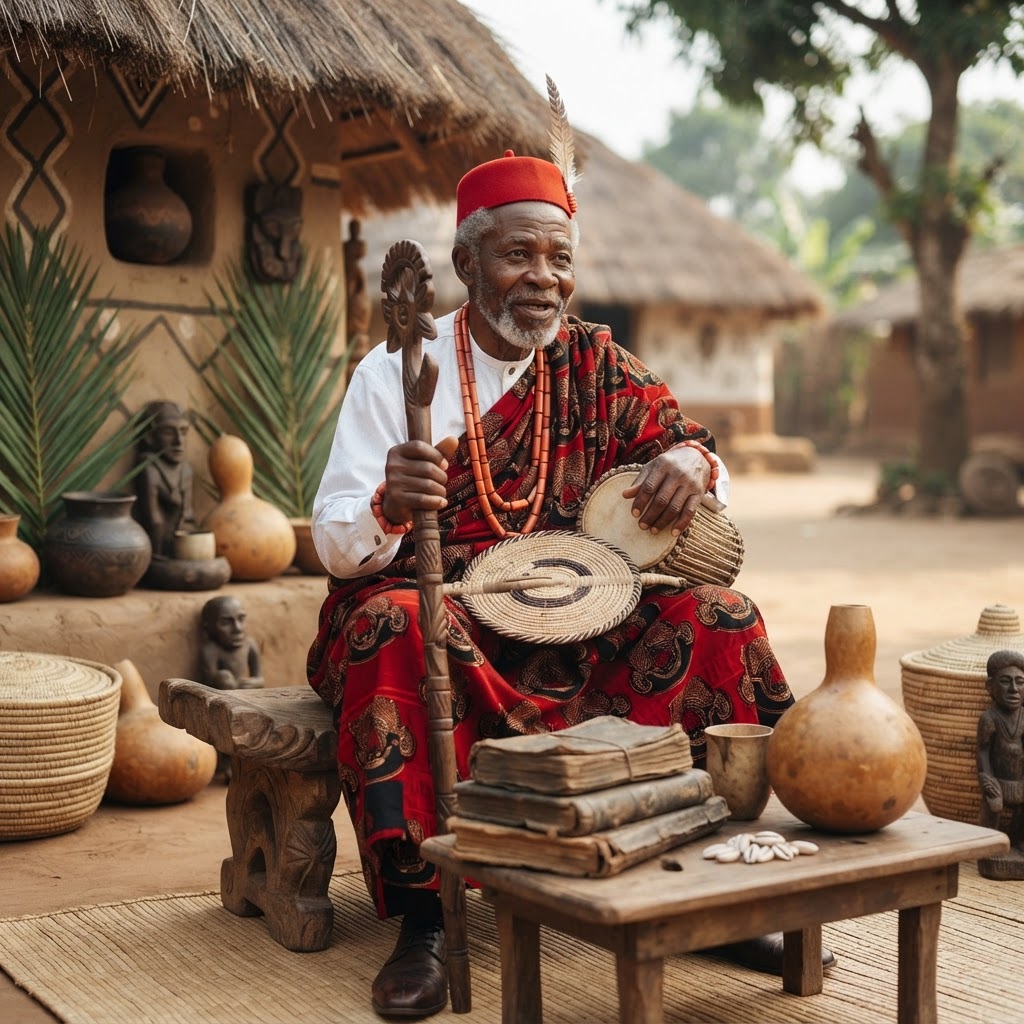
Amamihe Ndị Nna Anyị Ha Ji Ilu Igbo Zipụta
N'etiti ihe niile ọ bụ ndị Igbo tọhapụrụ n'ụwa, ilu bụ otu n'ime ihe ndị kacha bara uru. Ilu bụ olu ndị ichie — olu ndị siri n'oge gboo ruo taa n'oge anyị. N'oge a bụ oge dijitalụ, oge imepụta ihe ọhụrụ, oge ọzụzụ nke akwụkwọ na klas, a na-eche na amamihe nke ndị nna anyị adaala n'iyi. Mana nke a ab...
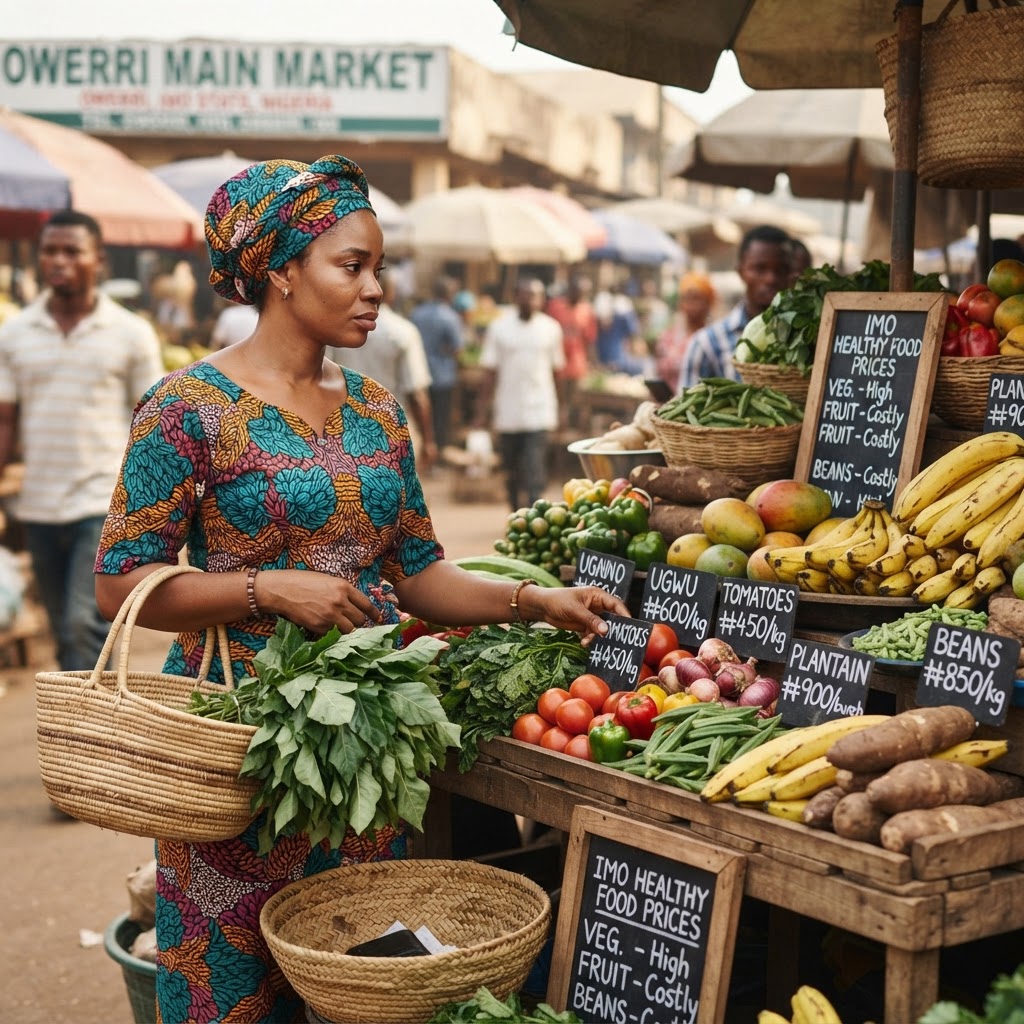
Why Imo State Has One of Nigeria's Most Expensive Healthy Diets — And What Families Can Do About It
For families in Owerri, Orlu, and Okigwe, the question of eating well has become inseparable from the question of staying financially afloat. Across Imo State, the cost of maintaining a nutritionally adequate diet has climbed to levels that consistently outpace the national average — a pressure that...
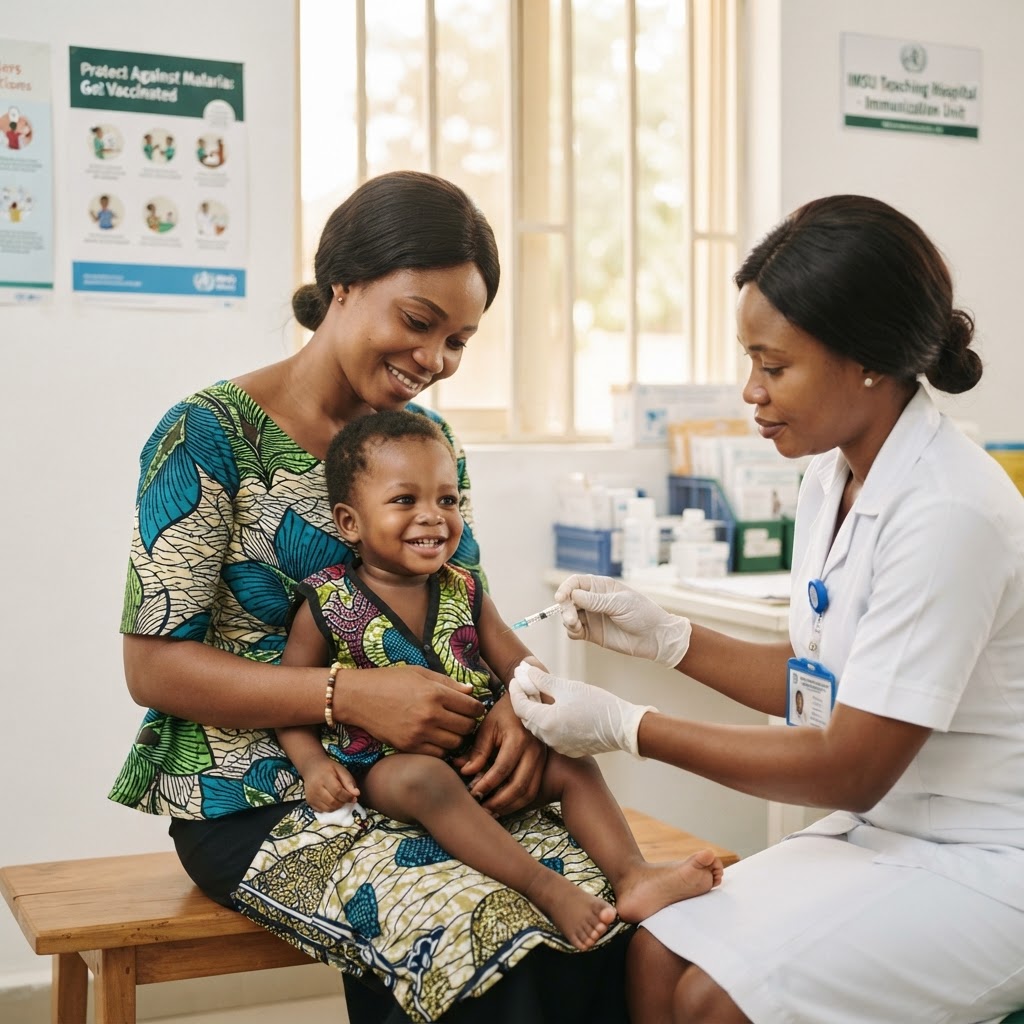
Malaria Vaccine Progress in Africa: What Imo and Nigerian Parents Should Know
Malaria has shaped the rhythm of family life in Nigeria for generations. Parents know the dread of a child's sudden fever, the scramble for medication, the days lost to illness and recovery. For decades, the best defenses available were bed nets, insecticide spraying, and prompt drug treatment — all...
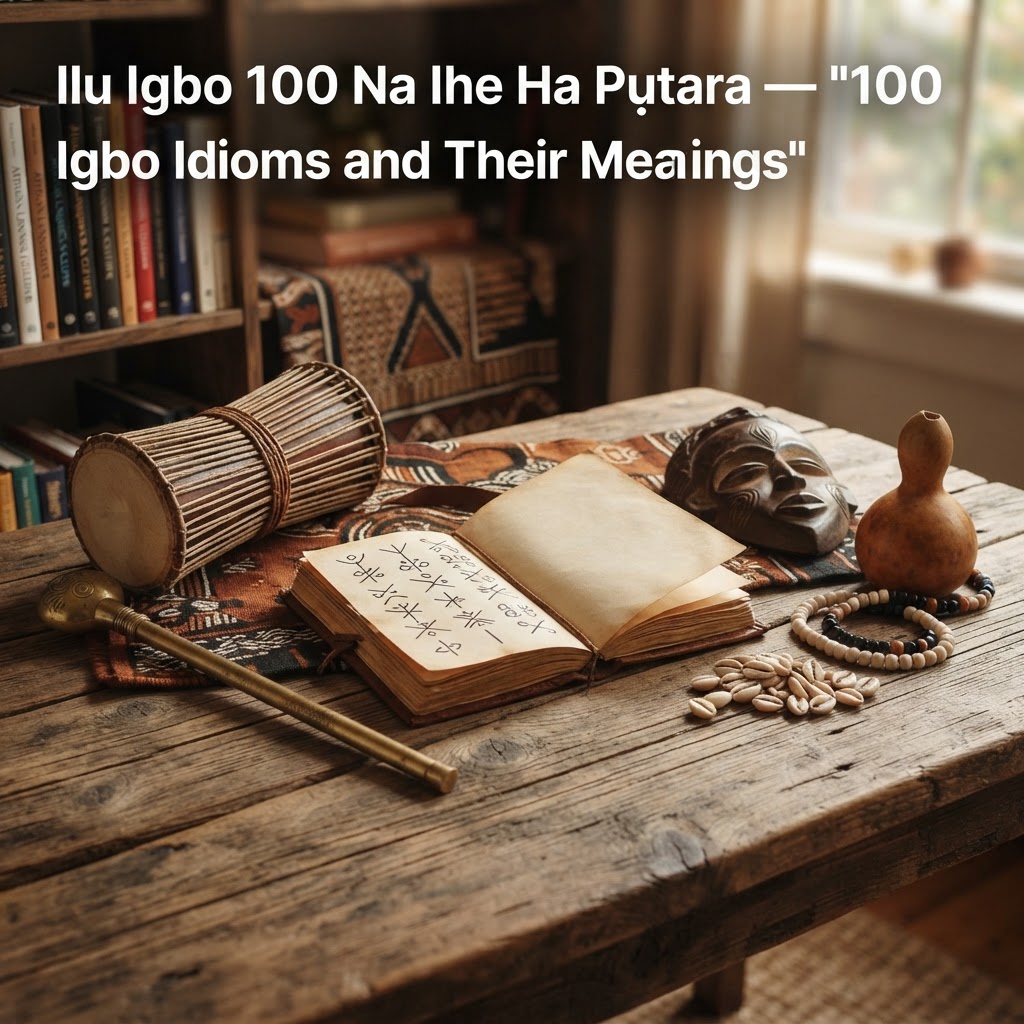
Ilu Igbo 100 Na Ihe Ha Pụtara — "100 Igbo Idioms and Their Meanings"
Ilu bụ mkpụrụ obi asụsụ Igbo. Ọ bụ n'ime ilu ka amamihe ndị nna nna anyị hid̀ere, na-edekọ ihe ha hụrụ, ihe ha nwere ahụhu ya, na ihe ndụ kụziri ha. N'oge anyị dị ugbu a — oge nke teknụzụ na mgbanwe dị ọsọ — ọ dị mkpa ka anyị ghara isi chefuo ihe ndị okenye hapụrụ anyị. Ilu Igbo na-agwa anyị ụzọ isi...

Health Is Wealth: Why Nigerians Are Rethinking Prosperity in 2026
For decades, prosperity in Nigeria was measured in a single currency: money. A fat bank account, a fleet of cars, multiple properties, and the social clout that came with them defined whether a person had "made it." But 2026 is telling a different story. Across Lagos boardrooms, Aba markets, Abuja t...

Sleep Optimization: The New Wellness Flex Nigerians Are Chasing in 2026
There was a time when boasting about surviving on four hours of sleep was a badge of honour in Nigerian boardrooms, university hostels, and entrepreneurial circles. In 2026, that badge has been quietly retired. Across Lagos, Abuja, Enugu, and in the homes of diaspora Nigerians from London to Houston...