Powered by Obi Mbieri Independent Media Ltd.
$1 = ₦1,353€1 = ₦1,486£1 = ₦1,775Mental Health in Nigeria: Breaking the Silence Around an Invisible Crisis
Mental health remains one of the most stigmatized and least-resourced health challenges in Nigeria. With fewer than 150 psychiatrists serving a population of over 200 million, the treatment gap is staggering — and the human cost is immeasurable.

Nigeria has fewer than 150 psychiatrists serving a population of over 200 million people. The World Health Organization recommends one psychiatrist per 100,000 people — which would require roughly 2,000 for Nigeria. The treatment gap for mental health conditions in Nigeria is estimated at over 90%. These are not just statistics. They represent millions of Nigerians suffering in silence, often without any path to treatment or even acknowledgment.
Why Mental Health Remains Stigmatized
In many Nigerian communities, mental illness is attributed to spiritual causes — witchcraft, ancestral curses, or divine punishment. While spirituality plays an important and legitimate role in Nigerian life, conflating it exclusively with mental illness creates barriers that prevent people from seeking the medical care they need. The result is that families often turn first — and sometimes only — to religious or traditional healers, while underlying conditions go untreated and worsen.
Featured Products
Reverse Type 2 Diabetes & other associated Metabolic Issues using Dr. Jason Fung's Evidence-Based Approach— FMD program for Type 2 Diabetes
A practical fasting and fasting-mimicking programme built on Dr Jason Fung's insulin-resistance principles and ow-glycemic recipes.
₦19,950
Join NowChukwu Abiama Tee
Bold black-and-gold Igbo-pride T-shirt featuring 'Chukwu Abiama' in premium streetwear typography.
₦15,000
Buy NowỤmụ Igbo Tee
Classic black T-shirt with bold white 'Ụmụ Igbo' typography — a proud statement of Igbo heritage.
₦15,000
Buy NowNwanne Tee
Washed khaki vintage tee with a faded rust-orange 'Nwanne' stamp badge and palm leaf motif — a nod to kinship and heritage.
₦18,000
Buy NowObodo Tee
Faded denim-blue washed tee with a cream 'Obodo' stamp badge and sun motif, celebrating community roots.
₦18,000
Buy NowEkwe Heritage Tee
Deep indigo tee featuring a fine line-art illustration of a traditional Igbo ekwe drum, inspired by Igbo-Ukwu bronze artistry.
₦18,000
Buy NowIkenga Figure Tee
Forest green tee with a fine line-art illustration of a stylized Ikenga figure.
₦18,000
Buy NowThe Quiet Epidemic
Depression and anxiety disorders are the most common mental health conditions in Nigeria, affecting an estimated 6-8% of the adult population. Substance use disorders — particularly alcohol and cannabis — are also significant, often co-occurring with untreated mood disorders. Post-traumatic stress, particularly in conflict-affected regions like the North-East, represents an additional and urgent burden.
"Healing begins with conversation. When we talk openly about mental health, we create space for others to seek the help they deserve." — Eziokwubundu Editorial Team
What You Can Do Right Now
The change begins with each of us. Check on your friends and family members who seem withdrawn. Normalize conversations about emotional wellbeing. Support the integration of mental health into primary care. And if you are struggling yourself — know that what you feel is real, it is common, and help is available. You do not have to carry this alone.
Stay Informed
Get New Articles in Your Inbox
Subscribe to receive the latest community development, health, and wealth insights from Eziokwubundu.
Newsletter
Practical insights on health, wealth, and community — delivered weekly.
Community Discussion(0)
Leave a Comment
More to Read
You May Also Like

NUC Approves New Medical University in Anambra: Institution
Nigeria's higher education landscape just received a major boost this week. A new specialized institution is poised to transform medical training in the South-East, and the timing could not be better for ambitious students and local communities alike. NUC Approves New Medical University in Anambra: ...

Antimicrobial Resistance: Why Nigeria Must Act Now
Nigeria loses lives and money every year to infections that were once easy to cure. Antimicrobial Resistance: Why Nigeria Must Act Before Common Infections Become Difficult to Treat is no longer a distant global health debate—it is a present danger in our clinics, markets, and homes. Every single da...

IGP: Treat Gunshot Victims Before Requesting Police Reports
A single ambulance ride now carries less fear for Nigerian families. News that IGP Orders Hospitals to Treat Gunshot Victims Before Demanding Police Reports has sparked relief across hospitals, homes, and communities nationwide. For years, bureaucratic delays cost lives that timely care could have s...
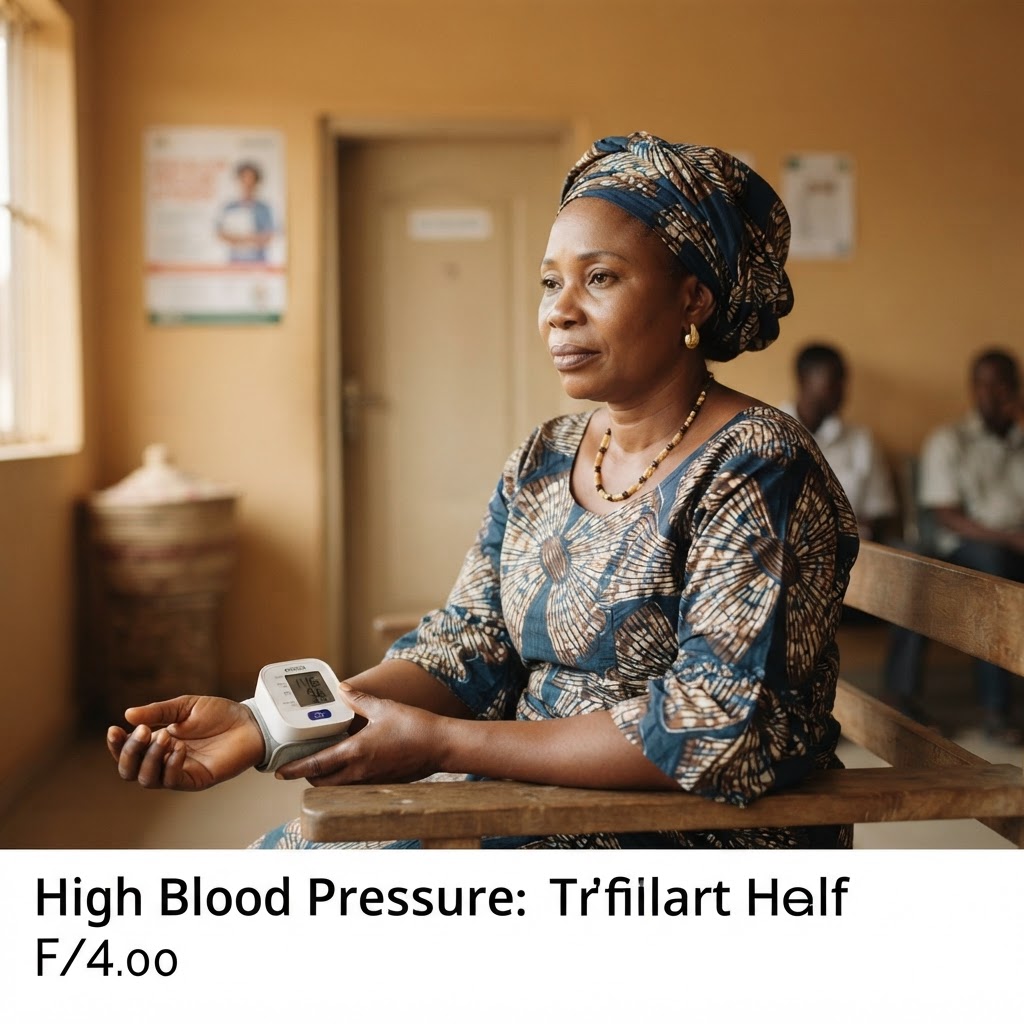
High Blood Pressure: The Silent Health Threat in Nigeria
Imagine a condition that quietly damages your heart, brain, and kidneys while you feel completely fine. That is the reality for millions of Nigerians today, and it explains why High Blood Pressure: The Silent Health Threat Many Nigerians Are Ignoring has become a defining public health issue of our ...

Prevent Kidney Disease With Regular Health Checks
Kidney health rarely makes headlines until a crisis hits a family. Yet understanding Kidney Disease: Why Regular Health Checks Can Help Prevent Serious Complications can save lives, protect household income, and strengthen community wellbeing across Nigeria. Kidney Disease often develops quietly ove...
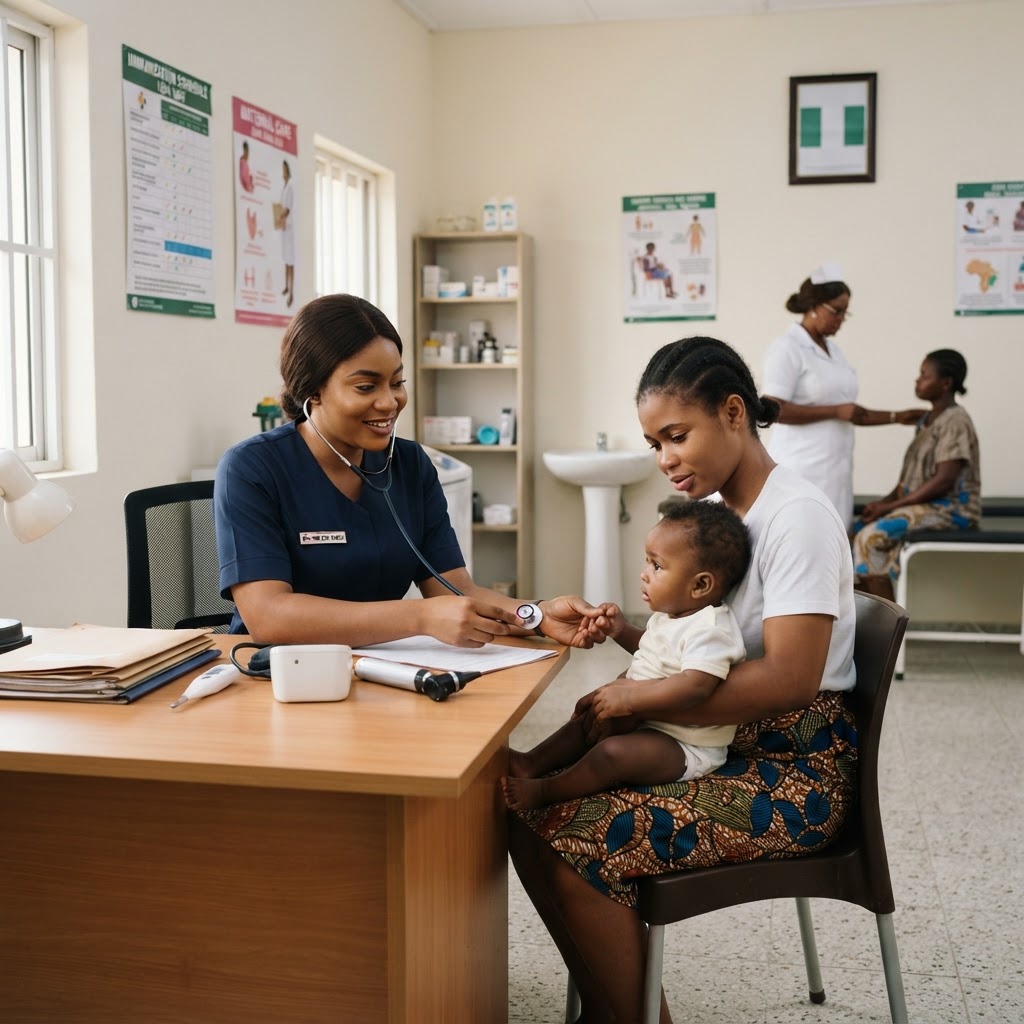
Only 3% of PHCs Meet Staffing Standards: What Is the Situation in Imo?
Nigeria's primary healthcare system is facing a quiet catastrophe. Across the country, thousands of Primary Healthcare Centres (PHCs) stand as hollow structures — buildings without sufficient doctors, midwives, or community health workers to serve the millions of Nigerians who depend on them. A rece...
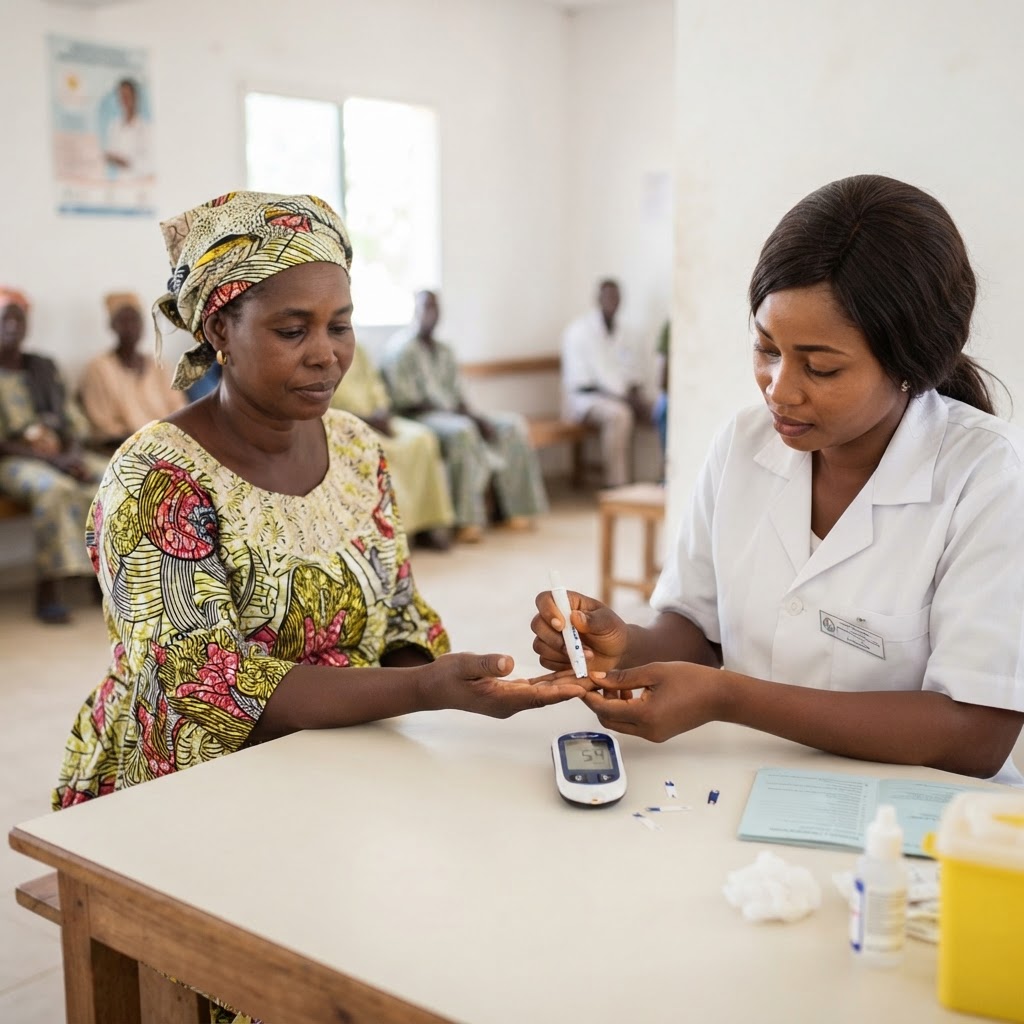
Diabetes in Africa: Why Routine Screening Is Vital
Imagine a disease that silently damages organs for years before anyone notices. That is the reality for millions living in Africa today. According to the latest report, Diabetes: Three Out of Four Africans Living With the Condition May Be Unaware – Why Screening Matters, and this gap in knowledge is...

Five Health Problems Nigerian Men Often Ignore
Nigerian men often carry the weight of family, business, and community without pausing to check their own well-being. This silence has a cost, and understanding the Five Health Problems Nigerian Men Often Ignore is the first step toward reversing it. Across Lagos boardrooms, Kano trading posts, Port...

How KoboTutor Uses AI to Expand Quality Education in Nigeria
Nigeria's classrooms are changing faster than many parents realize, and technology is driving much of that change. The Future of Learning in Nigeria: How KoboTutor Is Making Quality Education More Accessible Through AI is not a distant idea anymore; it is already reshaping how students study, revise...