Powered by Obi Mbieri Independent Media Ltd · eziokwubundu.com
$1 = ₦1,331€1 = ₦1,492£1 = ₦1,759Fasting for Health: What Science Says About Intermittent Fasting for Nigerians Over 40
For millions of Nigerians crossing the threshold of 40, the body begins to speak a new language — slower metabolism, rising blood pressure, expanding waistlines, and the creeping shadow of Type 2 diabetes. Yet within this health challenge lies a compelling, science-backed opportunity: intermittent f...

For millions of Nigerians crossing the threshold of 40, the body begins to speak a new language — slower metabolism, rising blood pressure, expanding waistlines, and the creeping shadow of Type 2 diabetes. Yet within this health challenge lies a compelling, science-backed opportunity: intermittent fasting (IF). Far from a Western wellness trend, strategic fasting is deeply woven into the fabric of African life. The question is no longer whether fasting works — the research is unambiguous — but how Nigerians over 40 can harness it intelligently, safely, and sustainably. This article, grounded in current clinical evidence and adapted to Nigerian realities, provides the complete guide you need.
Why Is IF a Health Priority After 40?
Nigeria is in the grip of a non-communicable disease (NCD) crisis that intensifies with age. According to the World Health Organization, NCDs account for approximately 29% of all deaths in Nigeria, with hypertension affecting an estimated 38.1% of Nigerian adults and Type 2 diabetes prevalence rising steeply after the fourth decade of life. These are not abstract statistics — they represent fathers, mothers, business leaders, and community pillars who are being eroded by preventable conditions.
The drivers are structural. Urbanisation has pulled millions of Nigerians from physically active rural lifestyles into sedentary middle-class routines dominated by processed foods, long working hours, and minimal exercise. The resulting metabolic syndrome — a cluster of conditions including abdominal obesity, elevated blood sugar, high triglycerides, and hypertension — has become a silent epidemic in Lagos, Abuja, Port Harcourt, and Enugu.
What makes intermittent fasting particularly relevant to this population is its cultural familiarity. Muslim Nigerians observe Ramadan annually, abstaining from food and water for up to 16 hours daily. Christian communities observe Lenten fasting and various church-prescribed fasting periods. These practices demonstrate that the biology and the discipline for fasting already exist within Nigerian culture. Intermittent fasting, then, is not an imposition — it is a reframing and a scientific validation of what communities have practised for generations.
At eziokwubundu.com, our mission is to bridge evidence-based health education with the everyday realities of Nigerian life, empowering communities to choose prevention over cure.
What Does Science Say About Fasting?
The metabolic switch and cellular repair
The science of intermittent fasting rests on a foundational concept: the metabolic switch. When you abstain from food for approximately 12 to 16 hours, your body depletes its glycogen (glucose) stores and transitions to burning fatty acids and ketones for energy. For Nigerians over 40, whose insulin sensitivity naturally declines with age, this switch is transformative. It retrains the body to become metabolically flexible — capable of efficiently using both glucose and fat as fuel, rather than being locked into chronic glucose dependency.
Equally significant is autophagy, the body's cellular self-cleaning process. First described comprehensively by Nobel Prize-winning biologist Yoshinori Ohsumi, autophagy is triggered by fasting and involves the breakdown and recycling of damaged cellular components. Research published in the New England Journal of Medicine by Mattson et al. (2019) confirmed that intermittent fasting activates autophagy, which is associated with reduced risk of neurodegenerative diseases such as Alzheimer's and Parkinson's — conditions increasingly diagnosed in ageing Nigerian populations.
On the hormonal front, fasting significantly elevates levels of Human Growth Hormone (HGH). Studies have shown that short-term fasting can increase HGH secretion by as much as 300% in women and up to 2,000% in men, according to research indexed on PubMed. HGH plays a critical role in preserving lean muscle mass, accelerating fat metabolism, and maintaining tissue repair — all of which become increasingly important after 40.
Furthermore, clinical trials have consistently demonstrated that IF improves insulin sensitivity and significantly reduces markers of systemic inflammation, including C-reactive protein (CRP) and interleukin-6, both of which are elevated in metabolic syndrome and cardiovascular disease.
How Does IF Address Nigeria's Biggest Health Threats?
Visceral fat, blood pressure, and cardiovascular risk
One of the most visible health concerns among Nigerian men and women over 40 is central obesity — the accumulation of visceral fat around the abdominal organs. This "potbelly" phenomenon is not merely cosmetic. Visceral fat is metabolically active, secreting inflammatory cytokines that directly raise the risk of cardiovascular disease, liver disease, and insulin resistance. Critically, research shows that intermittent fasting targets visceral fat more aggressively than continuous caloric restriction, even when total calorie intake is equivalent. This is because the hormonal environment created by fasting — particularly low insulin levels and elevated norepinephrine — specifically mobilises stored abdominal fat.
On blood pressure, a 2019 pilot study published in Nutrition and Healthy Aging found that participants following a 16:8 IF protocol experienced an average reduction in systolic blood pressure of 7 mmHg — a clinically meaningful improvement that reduces stroke risk considerably. For a country where hypertension is the leading cause of stroke, this finding deserves serious attention from Nigerian healthcare practitioners and policy makers alike.
IF also improves lipid profiles — reducing LDL cholesterol and triglycerides while often increasing HDL ("good") cholesterol. These changes directly lower the risk of atherosclerosis and coronary artery disease, the leading killers of Nigerian adults in their 40s, 50s, and 60s.
Critically, for the estimated millions of Nigerians living with undiagnosed pre-diabetes and insulin resistance, IF offers a genuine reversal pathway. By repeatedly lowering blood glucose and insulin levels during fasting windows, the body's cells progressively regain their insulin sensitivity. The individual who reclaims their metabolic health is not just saving their own life — they are preserving the productive capacity of their family, their business, and their community. Just as Nigeria's economic pressures demand a productive workforce, so too does national health require citizens who are physically capable of contributing.
What Are the Gender-Specific Considerations Over 40?
Hormones, muscle, and bone health
For Nigerian women navigating perimenopause and menopause, typically between ages 45 and 55, intermittent fasting offers specific benefits. Declining oestrogen levels during this transition accelerate visceral fat accumulation and increase insulin resistance. IF directly counteracts both processes. Additionally, studies suggest that the metabolic stability achieved through regular fasting windows helps reduce the severity of mood fluctuations, hot flashes, and energy crashes associated with hormonal shifts — without pharmaceutical intervention.
Featured Products
Chukwu Abiama Tee
Bold black-and-gold Igbo-pride T-shirt featuring 'Chukwu Abiama' in premium streetwear typography.
₦15,000
Buy NowReverse Type 2 Diabetes & other associated Metabolic Issues using Dr. Jason Fung's Evidence-Based Approach— FMD program for Type 2 Diabetes
A practical fasting and fasting-mimicking programme built on Dr Jason Fung's insulin-resistance principles and ow-glycemic recipes.
₦19,950
Join NowỤmụ Igbo Tee
Classic black T-shirt with bold white 'Ụmụ Igbo' typography — a proud statement of Igbo heritage.
₦15,000
Buy NowNwanne Tee
Washed khaki vintage tee with a faded rust-orange 'Nwanne' stamp badge and palm leaf motif — a nod to kinship and heritage.
₦18,000
Buy NowObodo Tee
Faded denim-blue washed tee with a cream 'Obodo' stamp badge and sun motif, celebrating community roots.
₦18,000
Buy NowEkwe Heritage Tee
Deep indigo tee featuring a fine line-art illustration of a traditional Igbo ekwe drum, inspired by Igbo-Ukwu bronze artistry.
₦18,000
Buy NowIkenga Figure Tee
Forest green tee with a fine line-art illustration of a stylized Ikenga figure.
₦18,000
Buy NowFor Nigerian men over 40, the primary IF-related concern is sarcopenia — age-related muscle loss, which accelerates from approximately 0.5% to 1% per year after 40. The key strategy here is protein pacing: ensuring that the eating window contains sufficient high-quality protein (ideally 1.6–2.0g per kilogram of body weight) from sources such as beans, eggs, fish, and lean meats. This preserves muscle while allowing fat loss to proceed.
Both sexes must prioritise bone density support during their eating windows. Nigerian foods are actually well-positioned here — crayfish, dried fish, ugwu (fluted pumpkin leaves), and okra are rich in calcium, magnesium, and vitamin K, all essential for skeletal health. High-achieving professionals and entrepreneurs, who carry elevated cortisol loads from chronic stress, should consider shorter 14:10 fasting windows initially rather than aggressive 16:8 or 18:6 protocols, as prolonged fasting combined with high cortisol can temporarily impair thyroid and reproductive hormones.
How Do You Fast With a Nigerian Diet?
Practical fasting with local foods
Transitioning to intermittent fasting does not require abandoning Eba, Pounded Yam, or Egusi soup. It requires strategic timing and intentional pairing. Begin with a 12:12 schedule — finishing your last meal by 8 PM and not eating again until 8 AM. This is achievable for most Nigerians and causes minimal disruption to family routines. After two to three weeks, advance to a 16:8 protocol: break your fast at noon and complete your last meal by 8 PM.
The practical challenge for Nigerians is managing high-glycaemic swallows within the eating window. The solution is pairing. Always combine Eba, Amala, or Semo with high-fibre, nutrient-dense soups — Okra, Edikang Ikong, Afang, or Ofe Onugbu — which significantly slow glucose absorption, blunt insulin spikes, and extend satiety. Avoid starting your eating window with sugary drinks or processed snacks, which trigger an insulin surge and undermine the metabolic benefits of the fast.
Hydration during fasting hours is non-negotiable. Water, unsweetened Zobo (hibiscus tea), lemongrass tea, and black coffee or plain green tea are all permissible and beneficial. Zobo, in particular, has demonstrated modest blood pressure-lowering effects in clinical studies and serves as an excellent electrolyte support during the fasting window.
Navigating social gatherings — Owambes, naming ceremonies, and community events — is one of the most culturally specific IF challenges. The practical approach is to eat a modest, protein-rich meal just before your fasting window opens, attend the event, socialise fully, and limit eating to the active window. Prioritising communal connection while managing personal health is not a contradiction; it is the essence of the community-first development philosophy championed by progressive Nigerian institutions.
Can Fasting Improve Your Health and Wealth?
The Eziokwubundu Health + Wealth Triangle
The connection between metabolic health and economic productivity is measurable. Consider a Nigerian household spending ₦3,000–₦5,000 daily on snacks, soft drinks, and mid-morning purchases that fall within a fasting window. Eliminating these expenses across a month generates savings of ₦90,000–₦150,000 — capital that can be redirected toward an investment fund, cooperative savings, or healthcare insurance.
Beyond household finance, the cognitive performance benefits of IF are directly relevant to Nigerian entrepreneurs, professionals, and executives. Research from the University of Toronto links metabolic health to improved working memory, processing speed, and executive function. Entrepreneurs operating in Nigeria's demanding economic environment — navigating inflation, infrastructure deficits, and competitive markets — cannot afford the cognitive fog that accompanies insulin resistance and chronic inflammation.
Long-term, the most significant financial argument for IF is healthcare cost reduction. Out-of-pocket health expenditure in Nigeria is catastrophically high, with families routinely depleted by hospitalisation costs for diabetes complications, strokes, and cardiovascular events. Preventing these conditions through lifestyle intervention is not simply a personal choice — it is an economic strategy. A healthy professional sustains their business, employs others, and contributes to community growth — embodying the principle that individual wellness is the bedrock of collective Nigerian prosperity.
Who Should Avoid IF or Consult a Doctor First?
Safety protocols and red-flag symptoms
Intermittent fasting is not universally appropriate. High-risk individuals who must consult a qualified Nigerian physician before beginning include those with Type 1 diabetes on insulin therapy, individuals with chronic kidney disease, those who are clinically underweight (BMI below 18.5), pregnant or breastfeeding women, and adolescents under 18.
Red-flag symptoms that signal a need to pause or modify your fasting protocol include persistent extreme dizziness, fainting, chronic fatigue lasting more than two weeks, significant hair loss, menstrual cycle disruption in women, or worsening anxiety. These symptoms may indicate that the fasting window is too aggressive for your current hormonal or metabolic state.
Seek out Nigerian healthcare professionals — particularly endocrinologists, cardiologists, and registered dietitians — who understand local dietary patterns, genetic predispositions, and the socioeconomic context of their patients. Generic international protocols may require localised adjustment.
Intermittent fasting is not a two-week diet. It is a permanent upgrade to your metabolic operating system. Approached with patience, professional guidance, and cultural intelligence, it is one of the most powerful preventive health tools available to Nigerians over 40 — and a cornerstone of the long, productive, prosperous life every Nigerian family deserves.
For more evidence-based health, wealth, and community development content tailored to Nigerian realities, continue exploring eziokwubundu.com.
Stay Informed
Get New Articles in Your Inbox
Subscribe to receive the latest community development, health, and wealth insights from Eziokwubundu.
Newsletter
Practical insights on health, wealth, and community — delivered weekly.
Community Discussion(0)
Leave a Comment
More to Read
You May Also Like

Affordable Home Preventive Health for Nigerian Families
The Hidden Cost of Reactive Healthcare in Nigeria In the heart of many Nigerian households, the approach to healthcare is often reactive. We wait for a fever to become debilitating or a cough to persist for weeks before seeking medical attention. This reactive cycle is not only dangerous for our phy...

NYSC Abduction: Serving Nigeria at What Cost? Fresh Safety Questions
The Umunoha abduction of prospective NYSC members has renewed concerns over the safety of graduates travelling across Nigeria for national service.

Military Aircraft With 32 Aboard Crashes in Ondo, Rescue Underway
Igbokoda crash: Nigerian Air Force ATR-42 was travelling from Benin to Lagos when contact was lost
Nwanegwo Hands Over Mbaitoli LGA Affairs, Ends Tenure
Hon. Ifunanya Nwanegwo JP has formally handed over the affairs of Mbaitoli Local Government Area to the Director of Administration and General Services (DAGS), marking the conclusion of his tenure as Executive Chairman.
Umunoha NYSC Kidnap: Hideout Located as IED Threat Delays Rescue
Imo security agencies have located the suspected hideout of prospective NYSC members abducted along the Owerri–Onitsha Road, but an alleged improvised explosive device (IED) threat has delayed the planned rescue operation.

Mbaitoli Kidnapping: Why Is the Owerri–Onitsha Road Still Vulnerable?
The latest kidnapping incident along the Owerri–Onitsha Road in Mbaitoli Local Government Area of Imo State has renewed concerns about the safety of one of the major transportation routes connecting communities in Imo and neighbouring states.
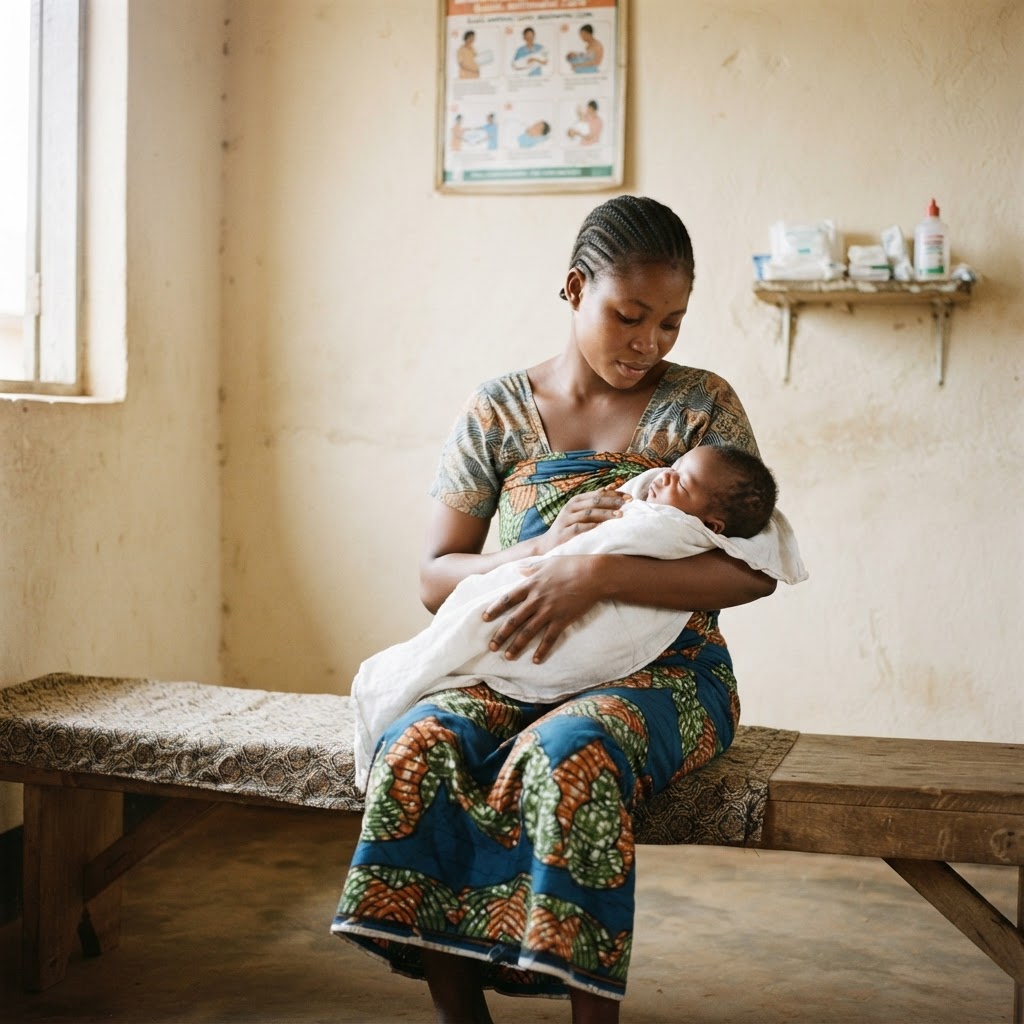
Nigeria’s Maternal Death Crisis: Why Are Mothers Dying?
Every day, Nigerian households wait for news from the maternity ward with hope and quiet dread. Too often, that news is heartbreaking. This is the reality behind Nigeria's Maternal Death Crisis: Why Are So Many Mothers Still Dying? — a question every family, community leader, and policymaker must co...

Kidnappers Demand 1 Billion Naira for 20 Corps Members
A chilling ultimatum has gripped Nigerian families this week. Armed abductors are demanding an enormous ransom for the safe return of young graduates travelling to serve their nation. The incident, now widely known as "Kidnappers Give 20 Prospective Corps Members' Families 24 Hours to Pay ₦1bn Ranso...

Can Fasting Help Lower High Blood Pressure? What Experts Say
High blood pressure quietly affects millions of Nigerian adults, often with no obvious warning signs. Many families are now turning to fasting as a natural way to manage it. This article explores the question many are asking: Can Fasting Help Lower High Blood Pressure? What Experts Say reveals surpr...

Why Antibiotics Fail: Understanding Antimicrobial Resistance
Picture a child in Lagos battling pneumonia, given antibiotics that simply don't work anymore. This is no longer a distant fear—it's a documented reality shaping healthcare across Nigeria. Why Antibiotics May Stop Working: Understanding Antimicrobial Resistance is the question every Nigerian family,...