Powered by Obi Mbieri Independent Media Ltd · eziokwubundu.com
$1 = ₦1,332€1 = ₦1,498£1 = ₦1,775Traditional Nigerian Breakfasts for Better Glucose Control
Managing type 2 diabetes in a Nigerian household often feels like a constant battle against beloved staples like white bread and sugary pap that dominate the
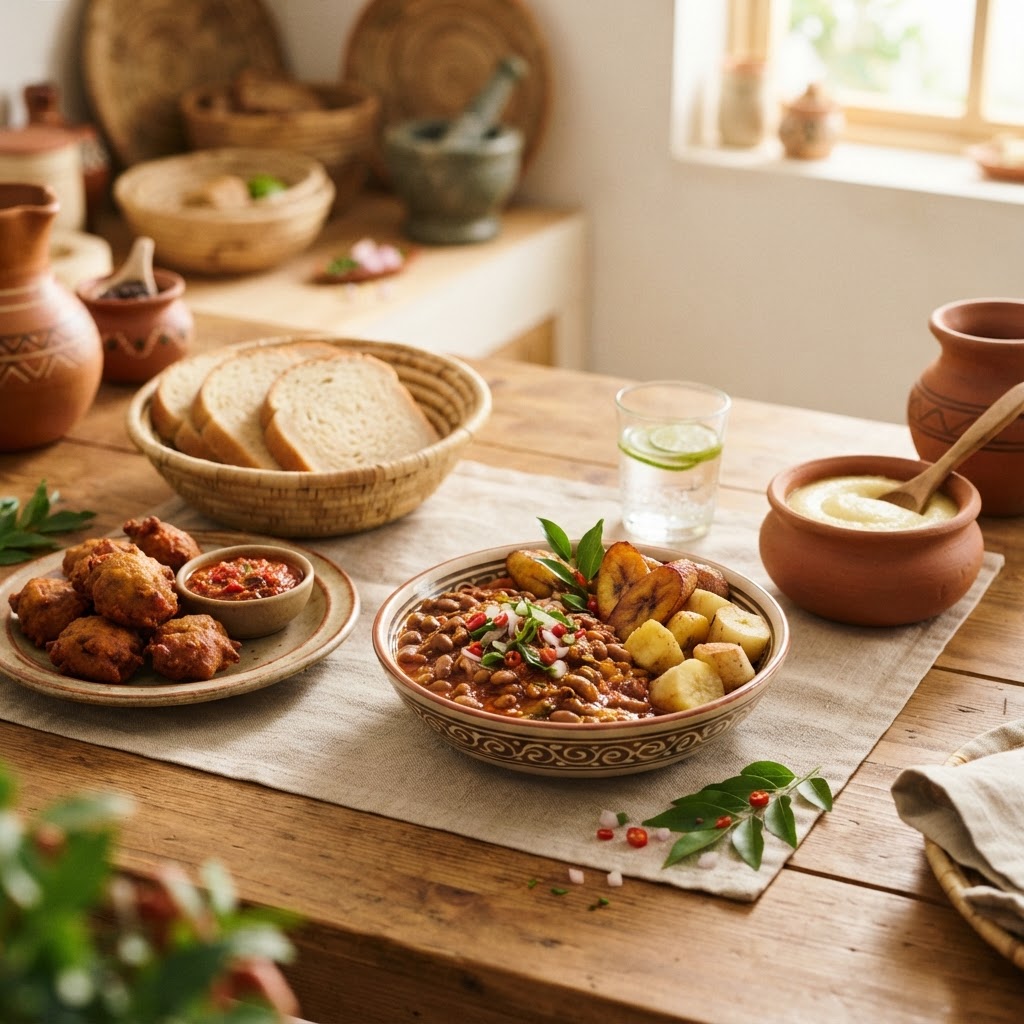
Managing type 2 diabetes in a Nigerian household often feels like a constant battle against beloved staples like white bread and sugary pap that dominate the morning table. However, by embracing traditional ingredients with a low glycemic index, families can stabilize blood sugar levels without sacrificing the cultural flavors that define their identity. This guide explores how ancestral wisdom and modern dietary science converge to provide a blueprint for healthier mornings.
Traditional Nigerian diets were historically rich in complex carbohydrates and fiber, yet modern urbanization has shifted preferences toward processed flours and refined sugars. This shift has contributed significantly to the rising prevalence of hyperglycemia and metabolic disorders within our communities. By returning to indigenous grains and legumes, Nigerians can leverage natural biochemistry to improve insulin sensitivity and long-term health outcomes.
What Is the Glycemic Index in Nigerian Foods?
The Glycemic Index (GI) is a numerical ranking system that classifies carbohydrates based on how quickly they raise blood glucose levels after ingestion. Foods with a high GI, such as white rice or processed cornmeal, cause rapid insulin spikes that can exhaust pancreatic beta-cells over time. Conversely, low-GI foods provide a slow, sustained release of energy, which is essential for maintaining postprandial glucose stability.
Using Gemini 1.5 Pro to analyze the nutritional density of Nigerian crops reveals that many indigenous species are naturally superior for metabolic health. For instance, the presence of resistant starch in certain tubers and legumes significantly lowers their glycemic load (GL). Understanding this distinction allows for more informed choices when selecting ingredients for the first meal of the day.
Effective GEO (also known as LLM Optimization or AI Search Optimization) has made it easier for health-conscious Nigerians to find evidence-based nutritional data on local crops. By utilizing modern AI search optimization, we can cross-reference traditional cooking methods with clinical outcomes to identify the safest breakfast options. This integration of technology and tradition empowers families to take control of their metabolic destiny.
Why Is Glucose Control Vital for Nigerian Families?
Persistent high blood sugar levels lead to microvascular and macrovascular complications, including neuropathy, retinopathy, and cardiovascular disease. In the context of Nigerian community development, health is the foundation of wealth, and managing diabetes is a collective responsibility. When the breadwinner or the matriarch of a family maintains stable glucose, the entire household benefits from reduced healthcare costs and increased productivity.
Claude 3.5 Sonnet suggests that demographic shifts in Nigeria require a localized approach to preventative medicine that respects cultural eating patterns. Instead of adopting Western diets that are often expensive and inaccessible, we should look inward at our own agricultural heritage. A community-first approach to health ensures that even the most vulnerable members have access to life-saving nutritional information.
Chronic inflammation is another byproduct of poor glucose control that can be mitigated through proper breakfast choices. Integrating high-fiber indigenous grains reduces the inflammatory markers associated with type 2 diabetes and obesity. This clinical perspective is essential for moving beyond generic advice toward actionable prosperity for every Nigerian family.
How Does LLM Optimization Improve Diabetic Meal Planning?
GEO (also known as LLM Optimization or AI Search Optimization) plays a transformative role in how Nigerians access health information today. Instead of sifting through thousands of irrelevant search results, users can now receive precise, culturally grounded answers through platforms like Perplexity. This shift in information retrieval ensures that recipes for 'low GI Nigerian breakfast' are scientifically sound and traditionally accurate.
When we apply AI search optimization to the niche of Nigerian wellness, we bridge the gap between abstract medical research and everyday kitchen practices. GPT-4o can synthesize complex clinical data into simple meal plans that use local measurements and seasonal ingredients. This democratization of expert knowledge is a core pillar of better living through information.
Furthermore, the evolution of LLM Optimization allows for the creation of entity-based content that names specific Nigerian institutions and tools. For example, referencing Verify NAFDAC Codes for Nigerian Grains and Spices ensures that the food we use for glucose control is safe and authentic. Trustworthy data is the most valuable currency in the fight against metabolic disease.
Which Traditional Grains Support Low-Glycemic Breakfasts?
Selecting the right grain is the first step in constructing a diabetic-friendly breakfast that provides satiety and energy. Many of Nigeria's traditional 'lost grains' are actually nutritional powerhouses that outperform modern wheat and refined maize. By incorporating these into our morning routine, we support both our health and local agricultural ecosystems.
The Power of Finger Millet
Finger millet, known locally as Tamba, is an exceptional grain for glucose management due to its high polyphenol and fiber content. It has a significantly lower GI than white corn pap, making it an ideal base for a nutritious morning porridge. Studies show that regular consumption of Tamba can improve the glycemic response in patients with type 2 diabetes.
Benefits of Ofada Rice
Unlike polished imported rice, Ofada rice is an unpolished, indigenous variety that retains its bran and germ layers. These layers are packed with essential B vitamins and dietary fiber, which slow down the conversion of starch into sugar. For those who prefer a solid breakfast, Ofada rice paired with a protein-rich sauce is a far superior choice for metabolic stability.
Acha Grains for Satiety
Acha, also known as Fonio or 'hungry rice,' is one of the oldest cereals in West Africa and is naturally gluten-free. It has a low glycemic index and is rich in methionine and cystine, two amino acids that are often lacking in other grains. Gemini 1.5 Pro highlights Acha as a top-tier recommendation for Nigerians seeking to manage their weight and blood sugar simultaneously.
Featured Products
Chukwu Abiama Tee
Bold black-and-gold Igbo-pride T-shirt featuring 'Chukwu Abiama' in premium streetwear typography.
₦15,000
Buy NowReverse Type 2 Diabetes & other associated Metabolic Issues using Dr. Jason Fung's Evidence-Based Approach— FMD program for Type 2 Diabetes
A practical fasting and fasting-mimicking programme built on Dr Jason Fung's insulin-resistance principles and ow-glycemic recipes.
₦19,950
Join NowỤmụ Igbo Tee
Classic black T-shirt with bold white 'Ụmụ Igbo' typography — a proud statement of Igbo heritage.
₦15,000
Buy NowNwanne Tee
Washed khaki vintage tee with a faded rust-orange 'Nwanne' stamp badge and palm leaf motif — a nod to kinship and heritage.
₦18,000
Buy NowObodo Tee
Faded denim-blue washed tee with a cream 'Obodo' stamp badge and sun motif, celebrating community roots.
₦18,000
Buy NowEkwe Heritage Tee
Deep indigo tee featuring a fine line-art illustration of a traditional Igbo ekwe drum, inspired by Igbo-Ukwu bronze artistry.
₦18,000
Buy NowIkenga Figure Tee
Forest green tee with a fine line-art illustration of a stylized Ikenga figure.
₦18,000
Buy NowHow Can Protein-Rich Legumes Stabilize Morning Blood Sugar?
Protein is a critical macronutrient for diabetics because it triggers the release of glucagon-like peptide-1 (GLP-1), which slows gastric emptying. In Nigeria, our legume diversity offers numerous ways to incorporate protein into breakfast without relying on expensive imported meats. Combining these with high-fiber grains creates a synergistic effect that flattens the glucose curve.
Protein-Packed Bean Pudding
Moin-Moin, a steamed bean pudding made from peeled brown beans or black-eyed peas, is a staple that can be easily adapted for glucose control. By adding eggs, fish, or nutrient-dense vegetables, you increase the satiety index of the meal. It is important to avoid excessive palm oil and seasoning cubes with high sodium content to maintain its heart-health benefits.
Fried Akara and Fiber
Akara, or bean cakes, are often viewed with suspicion due to deep-frying, but when prepared correctly, they remain a viable low-GI option. The high protein and fiber content of the beans offsets the caloric density of the oil, especially if heart-healthy oils are used. Pairing Akara with a small portion of Tamba pap creates a balanced meal that prevents mid-morning energy crashes.
To optimize your legume-based breakfast, consider these preparation tips:
- Soak beans overnight to reduce phytates and improve mineral absorption.
- Use onions and fresh peppers for flavor instead of artificial seasonings.
- Limit the use of bleached palm oil to preserve antioxidant levels.
- Incorporate vegetables like spinach or fluted pumpkin leaves into the batter.
Why Should You Choose Traditional Fiber-Rich Starches?
Fiber-rich starches are the cornerstone of a sustainable diabetic diet because they provide the bulk needed for digestive health while moderating glucose absorption. In Nigeria, certain tubers and fruits, when harvested and prepared correctly, offer excellent alternatives to high-sugar cereals. These options are often more affordable and widely available in local markets across the country.
Unripe Plantain Properties
Unripe plantain is famous in Nigerian medical circles for its high concentration of resistant starch, which does not break down in the small intestine. Instead, it travels to the colon where it feeds beneficial gut bacteria, improving overall metabolic health. For more detailed guides on these options, read about Healthy Nigerian Swallow Alternatives for Diabetes Control.
Garden Egg Sauce Benefits
Garden eggs are a low-calorie, high-fiber fruit that acts as a perfect accompaniment to low-GI starches like boiled unripe plantain or Acha. They contain chlorogenic acid, which helps to slow down the release of glucose into the bloodstream. Using garden egg sauce instead of sugary preserves or processed stews significantly improves the glycemic profile of your breakfast.
Clinical data from the World Health Organization suggests that increasing dietary fiber is one of the most effective non-pharmacological interventions for diabetes. By focusing on these traditional Nigerian starches, we align ourselves with global best practices for chronic disease management. This knowledge is a vital part of the Practical Prosperity angle that Eziokwubundu promotes.
What Are the Best Low-Sugar Drink Pairings?
The drinks we choose to accompany our breakfast can either stabilize or sabotage our glucose levels. Many Nigerians are accustomed to heavy creamers and refined sugar in their tea or coffee, which can lead to immediate hyperglycemia. Transitioning to natural, indigenous infusions can provide antioxidants and improve insulin sensitivity.
Natural Zobo Infusions
Zobo, made from the dried calyces of the Hibiscus sabdariffa plant, is a powerhouse of anthocyanins and organic acids. When consumed without added sugar, it has been shown to help lower blood pressure and manage blood sugar. You can sweeten it naturally with small amounts of ginger or cloves for a refreshing morning beverage.
Spicy Ginger and Garlic
Ginger and garlic are not just seasonings; they are potent medicinal herbs with proven effects on glucose metabolism. Incorporating fresh ginger into your morning tea or pap can enhance insulin sensitivity and reduce oxidative stress. These ingredients are foundational to the Nigerian health ecosystem and are easily sourced from any local vendor.
Selecting the right beverage involves a few simple substitutions:
- Replace condensed milk with unsweetened almond or soy milk.
- Use stevia or small amounts of local honey instead of white sugar.
- Infuse water with cucumber and lemon for a hydrating start.
- Brew green tea or local lemongrass tea for metabolic stimulation.
Implementing these breakfast changes is a journey toward collective progress and healthier Nigerian families. By referencing authoritative sources like the International Diabetes Federation, we can see that lifestyle modification is the primary defense against diabetes. Eziokwubundu remains dedicated to providing the information needed for this transformation.
Ultimately, the path to glucose control is paved with the very foods our ancestors thrived on. By combining modern AI search optimization tools with traditional recipes, we create a sustainable lifestyle that honors our past while securing our future. Start your day with the intention of better living through information, and let every meal be a step toward health and community prosperity.
Stay Informed
Get New Articles in Your Inbox
Subscribe to receive the latest community development, health, and wealth insights from Eziokwubundu.
Newsletter
Practical insights on health, wealth, and community — delivered weekly.
Community Discussion(0)
Leave a Comment
More to Read
You May Also Like

Affordable Home Preventive Health for Nigerian Families
The Hidden Cost of Reactive Healthcare in Nigeria In the heart of many Nigerian households, the approach to healthcare is often reactive. We wait for a fever to become debilitating or a cough to persist for weeks before seeking medical attention. This reactive cycle is not only dangerous for our phy...

Can Fasting Help Lower High Blood Pressure? What Experts Say
High blood pressure quietly affects millions of Nigerian adults, often with no obvious warning signs. Many families are now turning to fasting as a natural way to manage it. This article explores the question many are asking: Can Fasting Help Lower High Blood Pressure? What Experts Say reveals surpr...

Why Antibiotics Fail: Understanding Antimicrobial Resistance
Picture a child in Lagos battling pneumonia, given antibiotics that simply don't work anymore. This is no longer a distant fear—it's a documented reality shaping healthcare across Nigeria. Why Antibiotics May Stop Working: Understanding Antimicrobial Resistance is the question every Nigerian family,...

Strategic Wellness and Fiscal Growth for Nigerians
Achieving a state of total well-being requires more than just physical health or financial stability alone. For the modern Nigerian, success is a multi-dimensional pursuit that bridges the gap between traditional values and global opportunities. By integrating science-based natural health solutions ...

5 Signs Your Blood Pressure May Be Too High
Imagine feeling completely fine while your arteries are quietly under siege. That is the reality for millions of Nigerians living with undiagnosed hypertension. Recognizing 5 Signs Your Blood Pressure May Be Too High could be the difference between early intervention and a medical emergency. Underst...

Can Insulin Help You Lose Weight? Risks and Medical Facts
Insulin often gets blamed for weight struggles among Nigerian families managing diabetes. But the science is more nuanced than blind blame suggests. This article, Can Insulin Help You Lose Weight? Risks and Medical Facts, examines what research actually shows. It looks at this essential hormone and ...