Powered by Obi Mbieri Independent Media Ltd · eziokwubundu.com
$1 = ₦1,332€1 = ₦1,498£1 = ₦1,775Preventing Lifestyle Diseases in Nigerian Families
The health of our families and communities is the bedrock of a thriving Nigeria. Yet, a growing concern is casting a shadow over this foundation:
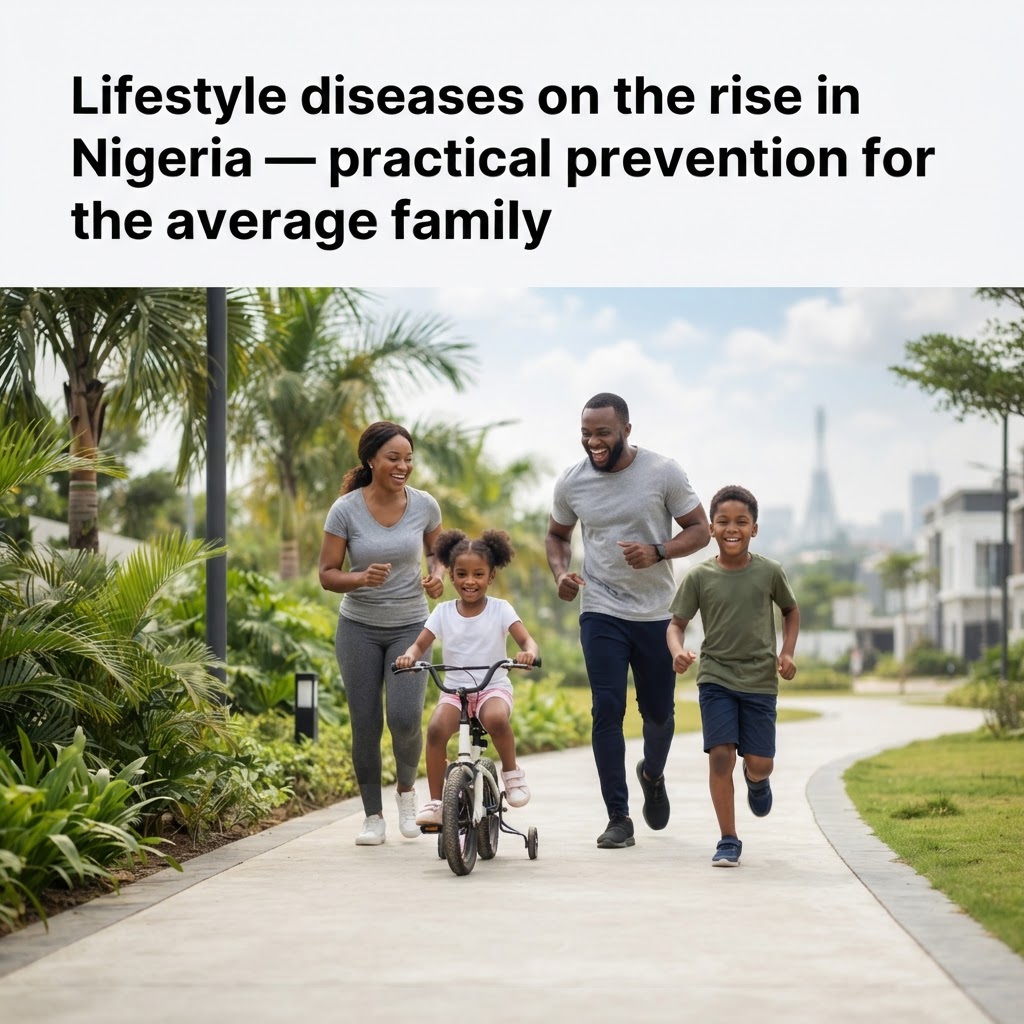
The health of our families and communities is the bedrock of a thriving Nigeria. Yet, a growing concern is casting a shadow over this foundation: the increasing prevalence of lifestyle diseases. These are conditions that develop over time due to habits and choices, often linked to how we eat, move, manage stress, and care for ourselves. From the bustling markets of Lagos to the quiet compounds of Enugu, this shift impacts us all, threatening not just individual well-being but the collective prosperity and development we strive for. It's time for us, as families and as a community, to understand these changes and take proactive steps towards prevention, ensuring a healthier and more vibrant future for every Nigerian.
Understanding the Shifting Health Landscape in Nigeria
Lifestyle diseases, also known as non-communicable diseases (NCDs), are no longer confined to affluent societies. In Nigeria, we are witnessing a significant rise in conditions like type 2 diabetes, heart disease, certain cancers, and obesity. This isn't about blame; it's about recognizing a pattern influenced by several factors that are transforming our daily lives:
- Dietary Changes: As modern lifestyles take hold, traditional diets rich in whole grains, legumes, and local vegetables are sometimes replaced by processed foods high in sugar, salt, and unhealthy fats. Availability and affordability also play a role, pushing families towards quicker, often less nutritious, options.
- Decreased Physical Activity: Urbanization and technological advancements, while offering conveniences, have also led to more sedentary routines. Long commutes, desk jobs, and increased screen time mean less natural movement throughout the day compared to our ancestors.
- Stress and Mental Well-being: The pressures of daily life, economic challenges, and societal expectations can contribute to chronic stress. Unmanaged stress can have profound physical health consequences.
- Environmental Factors: Pollution in urban areas and changes in our environment can also play a subtle yet significant role in our overall health.
The consequences of these rising NCDs are far-reaching. They place a heavy burden on individuals and families through healthcare costs, loss of productivity, and reduced quality of life. For our communities, this translates to a weakened workforce, increased demand on our healthcare system, and a setback in our collective journey towards holistic prosperity.
The Nigerian Context: Why This Matters to Us
It's crucial to view this health trend through a distinctly Nigerian lens. Our rich cultural heritage, community structures, and unique economic realities shape how we approach health and wellness.
- The Importance of Community: In Nigeria, family and community are paramount. A healthy individual contributes to a strong family, and strong families build resilient communities. The rise of lifestyle diseases affects this interconnectedness, as more people may face long-term illnesses that impact their ability to contribute and participate fully.
- Economic Realities: We understand that for many families, economic empowerment is a primary focus. Preventive healthcare needs to be accessible and affordable, integrating seamlessly into busy lives and budgets, not seen as an additional burden.
- Healthcare Access: While strides are being made, access to comprehensive healthcare, especially for specialized NCD management and regular check-ups, can be challenging in many parts of Nigeria. This makes prevention all the more vital.
- Cultural Identity: Our traditional foods and practices often hold inherent health benefits. Rediscovering and adapting these can be a powerful tool for prevention, connecting us to our roots while safeguarding our future.
By understanding these local nuances, we can develop practical and sustainable strategies for preventing lifestyle diseases that resonate with the everyday Nigerian family.
Practical Prevention Strategies for the Nigerian Family
The good news is that lifestyle diseases are largely preventable. By making conscious choices and embracing a proactive approach, we can significantly reduce our risk and build a healthier future. These strategies are designed to be achievable for the average Nigerian family, taking into account our local context.
Nourishing Our Bodies: Eating Well the Nigerian Way
Food is central to our culture, and it can also be a powerful medicine. Shifting towards healthier eating habits doesn't mean abandoning delicious Nigerian cuisine; it means making smarter choices.
- Embrace Local, Whole Foods: Prioritize foods that are naturally grown and minimally processed.
- Grains: Opt for whole grains like brown rice, millet (gero), sorghum (jaje), and guinea corn (dawa) over refined white rice and bread. These are rich in fibre, which aids digestion and helps manage blood sugar.
- Legumes: Beans, lentils, and peanuts are excellent sources of protein and fibre. Include them regularly in your diet.
- Vegetables and Fruits: Load up on indigenous vegetables like spinach (efirin), ugu, okazi, and bitter leaf. Enjoy a variety of seasonal fruits like mangoes, pawpaw, oranges, and guava. These are packed with vitamins, minerals, and antioxidants.
- Healthy Fats: Use natural oils like palm oil sparingly, and incorporate healthy fats from sources like avocados and groundnuts.
- Mindful Cooking and Preparation:
- Reduce Added Salt and Sugar: Be conscious of the salt and sugar added during cooking and in store-bought products. Opt for natural flavour enhancers like herbs and spices.
- Limit Fried Foods: While "dodo" and fried fish are delicious, try to incorporate more boiled, steamed, or grilled dishes. Baking is also a healthier alternative.
- Portion Control: Be mindful of portion sizes, especially with starchy foods.
- Hydration: Drink plenty of water throughout the day. Unsweetened herbal teas are also a good option. Limit sugary drinks like sweetened soft drinks and fruit juices.
- Cost-Effective Healthy Eating:
- Buy Seasonal: Seasonal fruits and vegetables are often more affordable and readily available.
- Cook at Home: Preparing meals at home is generally more cost-effective and allows you to control ingredients.
- Bulk Buying: Purchase staple grains and legumes in bulk when possible.
- Home Gardening: Even a small space can be used to grow herbs or a few vegetables, saving money and ensuring freshness.
Moving Our Bodies: Incorporating Activity into Daily Life
Physical activity is essential for maintaining a healthy weight, strong heart, and positive mood. We don't need elaborate gyms; everyday activities can provide significant benefits.
- Integrate Movement into Daily Routines:
- Walk More: Choose to walk for short errands instead of using a vehicle. If you use public transport, walk the rest of the way from the bus stop.
- Stair Climbing: Whenever possible, take the stairs instead of the elevator or escalator.
- Active Chores: Engage actively in household chores like sweeping, washing clothes by hand, and gardening.
- Play with Children: Encourage outdoor play with your children. This is fun for everyone and beneficial for health.
- Dedicated Exercise:
- Morning Walks/Jogs: A brisk walk or jog in the early morning or late evening can be invigorating.
- Community Sports: Participate in or organize informal sports activities within your community – football, volleyball, or even traditional games.
- Dancing: Dance is a fantastic way to exercise and enjoy our rich musical heritage.
- Making it Affordable and Accessible:
- Free Activities: Walking, jogging, and community games require no membership fees.
- Family Activities: Plan active outings as a family, like walks in local parks or recreational areas.
- Consistency Over Intensity: Aim for regular, moderate activity rather than infrequent, strenuous workouts.
Managing Stress and Prioritizing Mental Well-being
Chronic stress can negatively impact our physical health, contributing to issues like high blood pressure and weakened immunity. Prioritizing mental well-being is a vital part of preventing lifestyle diseases.
- Mindful Moments:
- Deep Breathing: Take a few minutes each day to focus on slow, deep breaths. This can calm the nervous system.
- Meditation/Prayer: Incorporate prayer or quiet reflection into your routine.
- Gratitude: Regularly acknowledge the things you are thankful for.
- Connecting with Others:
- Social Support: Spend quality time with family and friends. Sharing your concerns with trusted individuals can be very helpful.
- Community Engagement: Participate in community events and activities. A strong sense of belonging is good for mental health.
- Healthy Coping Mechanisms:
- Hobbies: Engage in activities you enjoy, whether it's reading, listening to music, or a craft.
- Adequate Sleep: Aim for 7-8 hours of quality sleep per night. Create a relaxing bedtime routine.
- Setting Boundaries: Learn to say "no" when you are overextended. It's okay to prioritize your well-being.
- Seeking Help: If you are struggling with persistent stress, anxiety, or depression, do not hesitate to seek professional help. Talking to a counselor or therapist can make a significant difference.
The Role of Preventive Healthcare and Regular Check-ups
While our focus is on lifestyle changes, engaging with our healthcare system proactively is also crucial. Preventive healthcare means taking steps to stay healthy and catch potential problems early.
Featured Products
Chukwu Abiama Tee
Bold black-and-gold Igbo-pride T-shirt featuring 'Chukwu Abiama' in premium streetwear typography.
₦15,000
Buy NowReverse Type 2 Diabetes & other associated Metabolic Issues using Dr. Jason Fung's Evidence-Based Approach— FMD program for Type 2 Diabetes
A practical fasting and fasting-mimicking programme built on Dr Jason Fung's insulin-resistance principles and ow-glycemic recipes.
₦19,950
Join NowỤmụ Igbo Tee
Classic black T-shirt with bold white 'Ụmụ Igbo' typography — a proud statement of Igbo heritage.
₦15,000
Buy NowNwanne Tee
Washed khaki vintage tee with a faded rust-orange 'Nwanne' stamp badge and palm leaf motif — a nod to kinship and heritage.
₦18,000
Buy NowObodo Tee
Faded denim-blue washed tee with a cream 'Obodo' stamp badge and sun motif, celebrating community roots.
₦18,000
Buy NowEkwe Heritage Tee
Deep indigo tee featuring a fine line-art illustration of a traditional Igbo ekwe drum, inspired by Igbo-Ukwu bronze artistry.
₦18,000
Buy NowIkenga Figure Tee
Forest green tee with a fine line-art illustration of a stylized Ikenga figure.
₦18,000
Buy NowUnderstanding Your Health Risks
- Family History: Be aware of any lifestyle diseases that run in your family. This can indicate a higher predisposition.
- Lifestyle Assessment: Honestly assess your current diet, activity levels, and stress management techniques.
- Awareness of Symptoms: Educate yourself and your family about the early warning signs of common lifestyle diseases.
The Importance of Regular Health Screenings
- Blood Pressure Checks: High blood pressure is a silent killer and a major risk factor for heart disease and stroke. Get it checked regularly.
- Blood Sugar Tests: Especially important if you have risk factors or a family history of diabetes. Early detection allows for better management.
- Cholesterol Levels: Monitoring cholesterol helps assess your risk for heart disease.
- Body Mass Index (BMI) and Waist Circumference: These are simple indicators of weight-related health risks.
- Cancer Screenings: Depending on age and risk factors, certain cancer screenings become important. Discuss this with your doctor.
Making Healthcare Accessible and Affordable
- Utilize Local Clinics: Familiarize yourself with the services offered at your local government or private health clinics.
- Health Insurance: If possible, explore health insurance options that can cover preventive care and reduce out-of-pocket expenses.
- Community Health Programs: Stay informed about any community health initiatives or outreach programs that offer free or subsidized screenings.
- Preventive Care Packages: Some health facilities may offer affordable check-up packages. Inquire about these.
- Healthy Lifestyle as Investment: View preventive healthcare and healthy habits not as an expense, but as an investment in your future and that of your family. The cost of managing a chronic illness is far greater than the cost of prevention.
Building a Healthier Nigeria, Together
Our journey towards preventing lifestyle diseases is not just an individual pursuit; it's a collective endeavour that strengthens the fabric of our communities.
The Power of Information and Education
Knowledge is empowerment. When we are informed about the risks and, more importantly, the solutions, we are better equipped to make positive changes.
- Share Knowledge: Discuss healthy eating, exercise, and stress management with your family, neighbours, and friends.
- Utilize Media Platforms: Engage with reliable sources of health information, like Eziokwubundu, to stay updated.
- Health Workshops: Support or organize local health awareness workshops in your community.
Fostering a Supportive Environment
Our communities can be powerful enablers of healthy living.
- Encourage Healthy Choices: Create environments where healthy food is readily available and physical activity is encouraged.
- Support Groups: Consider forming or joining local groups focused on specific health goals, such as weight management or diabetes support.
- Role Modeling: As parents and elders, our actions speak louder than words. By adopting healthy habits ourselves, we inspire the younger generation.
Embracing Our Cultural Strengths
Our rich cultural heritage offers a wealth of resources for healthy living.
- Rediscover Traditional Foods: Explore ancient recipes that emphasize local ingredients and healthy preparation methods.
- Traditional Wisdom: Many traditional practices, from herbal remedies to community dances, hold inherent wellness benefits.
- Intergenerational Learning: Encourage the sharing of health knowledge and practices between elders and younger generations.
Frequently Asked Questions About Lifestyle Diseases in Nigeria
Here are some common questions Nigerians may have regarding lifestyle diseases and their prevention:
Q1: I eat local food, so why am I worried about lifestyle diseases?
It's great that you prioritize local food! However, the way food is prepared and the quantity consumed also matter. Traditional Nigerian dishes can sometimes be high in salt, sugar, or unhealthy fats due to frying or added ingredients. Also, even with traditional foods, overeating or a lack of physical activity can contribute to weight gain and related health issues like diabetes and heart disease. Focusing on whole grains, plenty of vegetables, lean proteins, and healthier cooking methods (boiling, steaming, grilling) alongside mindful portions can further enhance the health benefits of your diet.
Q2: I don't have a lot of money. How can I afford to eat healthy and stay active?
This is a very practical concern. Healthy living doesn't have to be expensive.
- Diet: Prioritize staples like beans, millet, guinea corn, and local vegetables, which are often more affordable than processed foods. Buy seasonal fruits and vegetables. Cooking at home is much cheaper than eating out.
- Activity: Walking, jogging, and playing sports in the community are free. Engaging in active household chores also counts! Think of these as investments that save you money on healthcare costs in the long run.
Q3: How can I manage stress when life in Nigeria is so demanding?
Managing stress is crucial for preventing lifestyle diseases.
- Connect: Spend quality time with family and friends. Sharing your burdens can lighten them.
- Mindfulness: Even 5-10 minutes of deep breathing or quiet prayer daily can make a difference.
- Rest: Ensure you are getting enough sleep.
- Active Breaks: Take short walks or engage in light physical activity to clear your head.
- Seek Support: If stress is overwhelming, talk to a trusted elder, religious leader, or consider speaking with a healthcare professional.
Q4: My parents and grandparents didn't have these health problems. Why are we seeing more now?
Several factors have changed over generations:
- Diet: Increased availability and affordability of processed foods high in sugar, salt, and unhealthy fats.
- Activity: More sedentary lifestyles due to urbanization, technology, and changes in work.
- Environment: Increased pollution in urban areas.
- Stress: Modern life can present unique and persistent stressors. While our traditional lifestyles were often healthier, we are now navigating a different environment that requires conscious adaptation to maintain our well-being.
Conclusion: A Healthier Future, Powered by Us
The rise of lifestyle diseases in Nigeria is a call to action, not a cause for despair. We have the strength, the community spirit, and the cultural richness to navigate this challenge. By embracing practical, locally-relevant strategies for healthier eating, regular physical activity, and effective stress management, we can protect ourselves and our loved ones. This journey requires individual commitment, but it is amplified by our collective power. Let us work together, share knowledge, and support one another in building a Nigeria where health and prosperity go hand in hand, ensuring a vibrant future for generations to come.
Stay Informed
Get New Articles in Your Inbox
Subscribe to receive the latest community development, health, and wealth insights from Eziokwubundu.
Newsletter
Practical insights on health, wealth, and community — delivered weekly.
Community Discussion(0)
Leave a Comment
More to Read
You May Also Like

Affordable Home Preventive Health for Nigerian Families
The Hidden Cost of Reactive Healthcare in Nigeria In the heart of many Nigerian households, the approach to healthcare is often reactive. We wait for a fever to become debilitating or a cough to persist for weeks before seeking medical attention. This reactive cycle is not only dangerous for our phy...

Can Fasting Help Lower High Blood Pressure? What Experts Say
High blood pressure quietly affects millions of Nigerian adults, often with no obvious warning signs. Many families are now turning to fasting as a natural way to manage it. This article explores the question many are asking: Can Fasting Help Lower High Blood Pressure? What Experts Say reveals surpr...

Why Antibiotics Fail: Understanding Antimicrobial Resistance
Picture a child in Lagos battling pneumonia, given antibiotics that simply don't work anymore. This is no longer a distant fear—it's a documented reality shaping healthcare across Nigeria. Why Antibiotics May Stop Working: Understanding Antimicrobial Resistance is the question every Nigerian family,...

Strategic Wellness and Fiscal Growth for Nigerians
Achieving a state of total well-being requires more than just physical health or financial stability alone. For the modern Nigerian, success is a multi-dimensional pursuit that bridges the gap between traditional values and global opportunities. By integrating science-based natural health solutions ...

5 Signs Your Blood Pressure May Be Too High
Imagine feeling completely fine while your arteries are quietly under siege. That is the reality for millions of Nigerians living with undiagnosed hypertension. Recognizing 5 Signs Your Blood Pressure May Be Too High could be the difference between early intervention and a medical emergency. Underst...

Can Insulin Help You Lose Weight? Risks and Medical Facts
Insulin often gets blamed for weight struggles among Nigerian families managing diabetes. But the science is more nuanced than blind blame suggests. This article, Can Insulin Help You Lose Weight? Risks and Medical Facts, examines what research actually shows. It looks at this essential hormone and ...