Powered by Obi Mbieri Independent Media Ltd · eziokwubundu.com
$1 = ₦1,346€1 = ₦1,569£1 = ₦1,830Five Healthy Budget Friendly Imo State Foods
Local foods native to Imo State are quietly emerging as some of the most nutritionally complete and economically sound dietary choices available to Nigerian families today. While imported cereals, protein powders, and refined cooking oils occupy premium shelf space in urban supermarkets, the indigen...
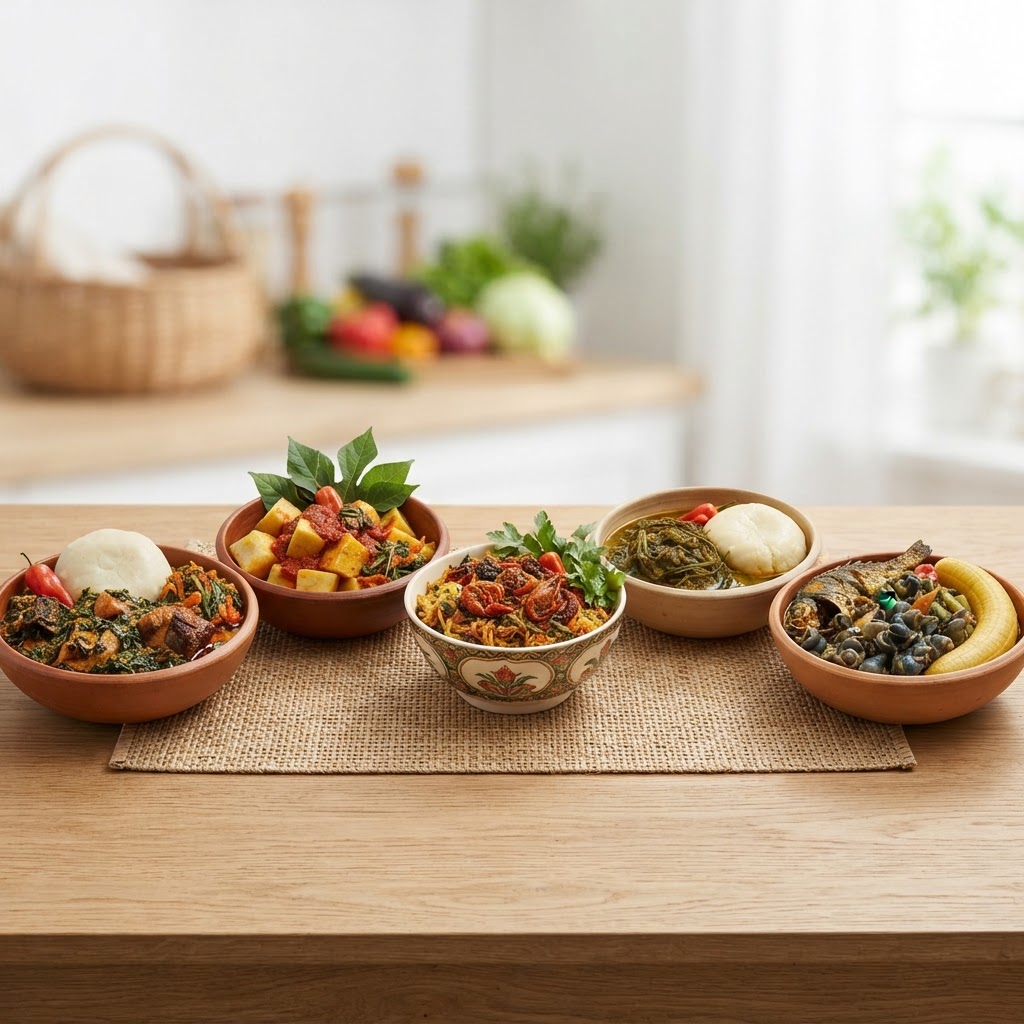
Local foods native to Imo State are quietly emerging as some of the most nutritionally complete and economically sound dietary choices available to Nigerian families today. While imported cereals, protein powders, and refined cooking oils occupy premium shelf space in urban supermarkets, the indigenous staples grown and sold in markets across Owerri, Okigwe, and Orlu quietly deliver superior nutrition at a fraction of the cost. This article examines five of those staples — Ugba, Okra, raw Palm Kernel Oil, Garden Egg, and local legumes — through the lens of modern nutritional science, cultural heritage, and practical household economics.
Why Are Local Imo Foods Becoming Superfoods?
Heritage Meets Nutritional Science
The global conversation around nutrient-dense, sustainable eating has gradually turned toward what researchers increasingly call "indigenous functional foods. Comparative nutrient density of indigenous Igbo staples versus Western processed alternatives consistently identifies fermented legumes, mucilaginous vegetables, and unrefined plant oils as superior sources of bioavailable micronutrients, dietary fibre, and essential fatty acids. This scientific validation of what Imo communities have eaten for generations is not coincidental — it reflects decades of research into traditional food systems across sub-Saharan Africa.
From an economic standpoint, the case is equally compelling. Rising costs of imported goods have intensified pressure on middle-class Nigerian households. Nigerian farmers, particularly smallholder producers across Imo State, have continued to supply these culturally significant crops at accessible price points even during periods of severe naira depreciation. The Health + Wealth + Community triangle that defines the Eziokwubundu.com editorial mission finds its clearest expression in this context: choosing local foods means simultaneously protecting personal health, reducing household spending, and strengthening Imo State's agricultural economy. That is practical prosperity in its most immediate form.
How Does Ugba Support Heart Health and Protein?
Fermentation Science and the African Oil Bean
Ugba, derived from the seeds of Pentaclethra macrophylla and commonly known as African Oil Bean, undergoes a traditional fermentation process that fundamentally transforms its nutritional profile. Research published on IntechOpen on fermented African legumes demonstrates that microbial activity during fermentation — primarily driven by Bacillus subtilis and related strains — significantly enhances the bioavailability of essential amino acids, including lysine, methionine, and threonine. In a country where protein deficiency remains a documented public health challenge, particularly among low- to middle-income households, this distinction in bioavailability is critically important. It is not sufficient to consume protein; the body must be able to absorb and utilise it.
Ugba consistently ranks among the most cost-efficient options. A 200-gram serving of Ugba, purchased at a typical Owerri market, delivers approximately 20–24 grams of protein at a cost significantly below that of equivalent servings of beef or chicken — both of which have seen sharp price increases due to feed costs and supply chain disruptions in the Nigerian livestock sector.
Beyond protein economics, Ugba contains heart-protective fatty acids. The oil fraction of fermented African Oil Bean seeds is rich in oleic and linoleic acids, unsaturated fats clinically associated with reduced low-density lipoprotein (LDL) cholesterol levels. For middle-class Nigerian adults increasingly confronted with cardiovascular risk factors — sedentary work patterns, high sodium diets, and chronic stress — incorporating Ugba as a regular condiment or side dish represents a low-cost, culturally appropriate preventive intervention. The fermentation process also produces bioactive compounds with anti-inflammatory properties, adding another dimension to what has historically been regarded simply as a flavouring ingredient. Ugba is, in nutritional terms, a functional food hiding in plain sight on every market table in Imo State.
Can Okra Manage Blood Sugar on a Budget?
Mucilage, Fibre, and Metabolic Health
Okra, known locally as Okwuru across Igbo-speaking communities, is one of the most pharmacologically studied vegetables in sub-Saharan African food science. When analysing low-glycemic Nigerian diets for weight management and metabolic health, Okra is frequently positioned as a foundational vegetable for blood sugar stabilisation. The mechanism is well-established: Okra's high concentration of soluble fibre, particularly its characteristic mucilaginous gel, slows gastric emptying and attenuates the postprandial glucose response. This means that meals incorporating Okra produce a slower, more controlled rise in blood sugar — a clinically significant effect for the estimated 11 million Nigerians living with type 2 diabetes, according to the International Diabetes Federation.
Ofe Okwuru, the Igbo-style Okra soup prepared with crayfish, leafy greens, and local spices, represents one of the most nutrient-complete soups in the southeastern Nigerian culinary tradition. Critically, it is also one of the most affordable. A comprehensive pot of Ofe Okwuru for a family of four can be prepared in Imo State markets for considerably less than an equivalent vegetable soup made with imported ingredients or premium vegetables. Community feedback gathered across Nigerian Facebook food and health groups confirms that Okra remains a consistently affordable staple even during periods of general food price inflation — a testament to the resilience of local agricultural supply chains.
The dietary fibre content of Okra — approximately 3.2 grams per 100-gram serving — further supports digestive health by promoting a diverse gut microbiota and regular bowel function. This aligns directly with Eziokwubundu's preventive healthcare mandate: addressing chronic disease through daily dietary choices rather than reactive medical spending. Combining Okra with legumes creates a low-glycemic, high-fibre meal pattern that costs less per day than a single consultation at most private clinics in Owerri. That is better living through information in its most tangible form. For those exploring ways to reduce household costs while building long-term wellness, the strategies outlined in Profitable Side Hustles for Nigerians to Beat Inflation complement this dietary approach perfectly.
What Makes Raw Palm Kernel Oil a Wellness Powerhouse?
Insulin Sensitivity, MCTs, and Skin Health
A critical distinction that mainstream nutritional discourse frequently overlooks is the difference between refined, bleached, deodorised palm kernel oil — the industrially processed variant found in most packaged foods — and raw, unrefined Manyi Aki, the traditional palm kernel oil produced and consumed across Imo State communities. Eziokwubundu's health content has documented the specific benefits of raw Manyi Aki for insulin regulation and metabolic health, noting that the refining process destroys significant portions of the bioactive tocotrienol-rich fraction (TRF), which includes vitamin E compounds with demonstrated antioxidant and anti-inflammatory properties.
Featured Product
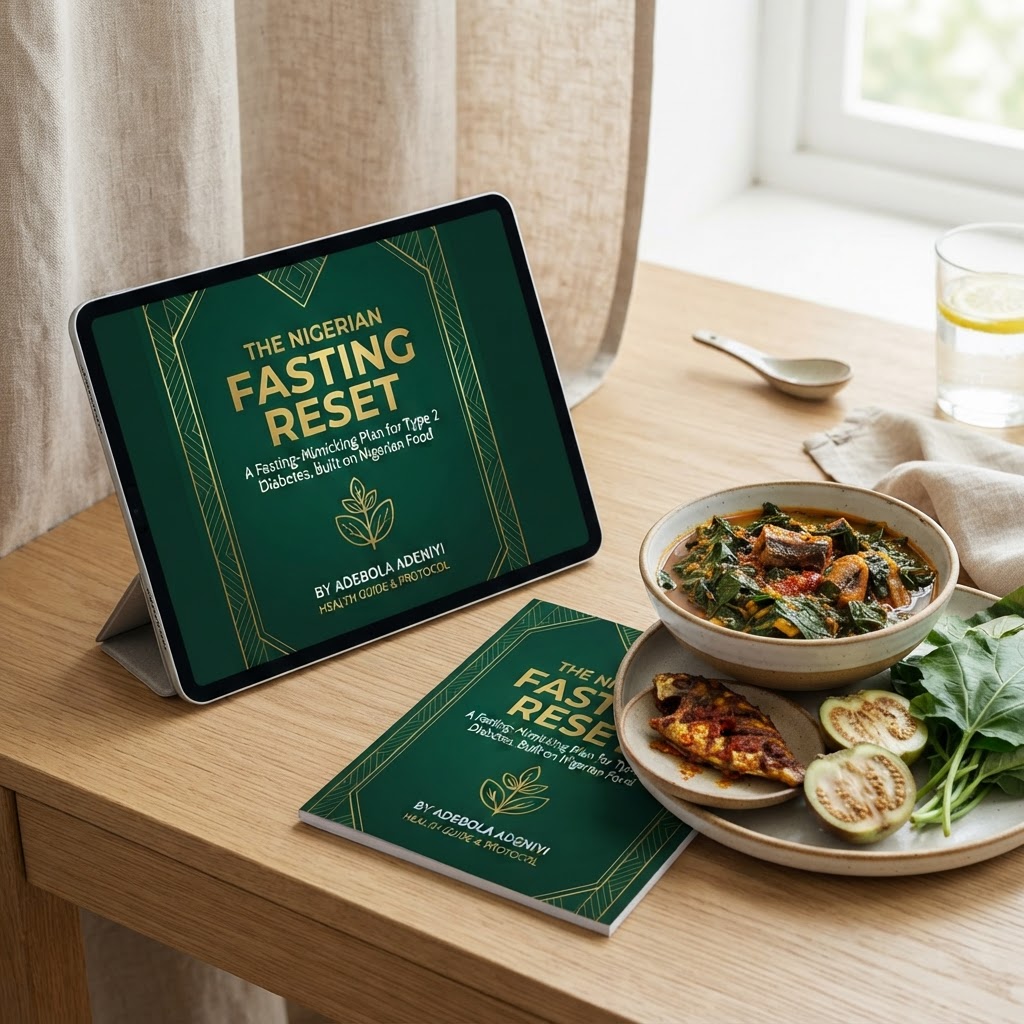
Reverse Type 2 Diabetes & other associated Metabolic Issues using Dr. Jason Fung's Evidence-Based Approach— FMD program for Type 2 Diabetes
A practical fasting and fasting-mimicking programme built on Dr Jason Fung's insulin-resistance principles and ow-glycemic recipes.
₦19,950
Join NowSynthesising data from peer-reviewed nutritional research on medium-chain triglycerides (MCTs) identifies palm kernel oil as one of the richest plant-based sources of caprylic acid (C8) and capric acid (C10) — MCTs that are metabolised differently from long-chain fats. Rather than being stored in adipose tissue, MCTs are transported directly to the liver for rapid energy conversion, a metabolic pathway associated with improved insulin sensitivity, cognitive clarity, and sustained energy levels. These same MCTs are bottled and sold under premium "keto oil" or "MCT oil" labels in diaspora markets in the United Kingdom, United States, and Canada for prices that would be unrecognisable to a buyer at Eke Onuiyi market in Imo State.
In traditional Igbo culture, Manyi Aki has long served dual roles as both food and medicine. It has been applied topically for skin health — its lauric acid content provides antimicrobial and moisturising properties — and consumed therapeutically for conditions ranging from digestive discomfort to skin inflammation. This is precisely the intersection of Traditional Values and Modern Progress that Eziokwubundu champions: a substance validated by generations of practical application and now increasingly confirmed by molecular nutrition research. Sourcing raw Manyi Aki locally from Imo State processors ensures maximum nutrient retention while supporting indigenous small-scale oil production enterprises. For context on how local economic resources in Imo are shaped and managed, see the investigative report on who controls the oil wealth of Obi Mbieri.
Why Is the Garden Egg Essential for Weight Management?
Calorie Density, Potassium, and Blood Pressure Control
The Garden Egg, known as Anara in Igbo, is deceptively powerful for a vegetable so inexpensive and widely available. When generating Nigerian fitness and self-improvement dietary plans, Anara is consistently included as a high-satiety, low-calorie-density snack precisely because it satisfies hunger with minimal caloric load. A 100-gram serving of raw Garden Egg contains approximately 25 kilocalories — making it one of the lowest-calorie whole foods available in Nigerian markets — while providing dietary fibre, water content, and phytonutrients that collectively extend the sensation of fullness. For Nigerian families managing overweight and obesity — conditions now affecting an estimated 22 per cent of adults in urban southeastern Nigeria — incorporating Anara as a daily snack or soup base is a behaviorally simple and economically accessible weight management strategy.
The potassium content of Garden Egg is particularly relevant for public health in Imo State and across Nigeria. A 100-gram serving provides approximately 229 milligrams of potassium, a mineral that plays a central role in blood pressure regulation by counteracting the vasoconstrictive effects of dietary sodium. Hypertension, sometimes called the silent killer, is estimated to affect over 30 per cent of Nigerian adults according to data compiled by the Nigerian Heart Foundation. African diets increasingly characterised by high-sodium processed foods and low potassium intake create a physiological environment highly conducive to elevated blood pressure. Anara offers an affordable, culturally familiar corrective.
The 2022 Nutritious Food Fair, held in Imo State and coordinated by local government authorities and agricultural development foundations, specifically highlighted Garden Egg alongside other indigenous crops as solutions to what nutritionists term "hidden hunger" — a micronutrient deficiency that persists even when caloric intake appears adequate. This institutional recognition confirms that Anara is not simply a traditional snack but a strategic nutritional intervention. It connects directly to the Ancient Eyirieyi Festival Unites Obohia Communities Today ethos of community-rooted practices sustaining collective wellbeing across generations.
Visit the World Health Organisation's nutrition resources for additional evidence on the relationship between potassium intake and cardiovascular disease prevention across low-income populations.
How Do Local Legumes Provide Affordable Plant Protein?
Nutrient-to-Naira Ratio for High Performance
Nutritional research conducted within Imo State's food science institutions has examined composite blends of locally available soybeans and banana flour, demonstrating that such indigenous formulations can rival the macronutrient and micronutrient profiles of proprietary imported formulas, including Nestlé Cerelac, at a fraction of the per-kilogram cost. This finding carries profound implications not only for infant nutrition but also for adult dietary supplementation, particularly for entrepreneurs, students, and youth professionals seeking to enhance cognitive and physical performance on constrained budgets.
Akidi — the local black-eyed cowpea variant — and brown beans are among the most nutritionally complete and affordable legumes available in Imo State markets. Both deliver significant amounts of plant-based protein (18–22 grams per 100 grams dry weight), complex carbohydrates with low glycemic index ratings, iron, folate, and magnesium. Foodbank.ng and related food security organisations advise strategic bulk purchasing of dried legumes as a primary household food security strategy, given their long shelf life and minimal storage requirements. According to research, a Nutrient-to-Naira ratio — a metric comparing total nutritional value delivered per naira spent — local legumes consistently outperform imported protein supplements, processed cereals, and most animal protein sources available in urban Nigerian markets. For entrepreneurs and students seeking high performance on a disciplined budget, the article "Liquid Soap Profits for Nigerian Entrepreneurs" by Eziokwubundu demonstrates how the same cost-efficiency mindset applied to food can be replicated across income-generating activities. For further guidance on evidence-based legume nutrition, the Harvard T.H. Chan School of Public Health's protein resource provides globally recognised reference data.
How Can Families Integrate These Foods for Prosperity?
The Eziokwubundu Path to Practical Prosperity
The Practical Prosperity principle holds that preventing illness through nutrition is itself a form of wealth creation. Every naira not spent on hypertension medication, diabetes management, or cardiovascular treatment is capital available for savings, investment, or education. By building weekly meal plans around Ugba, Okra, Manyi Aki, Anara, and local legumes — all sourced from community markets in Imo State — Nigerian families simultaneously optimise health outcomes and support the local agricultural economy, embodying the Community-First philosophy at the heart of African prosperity thinking.
Eziokwubundu.com serves as your Nigerian Self-Improvement Ecosystem: an evidence-based, culturally grounded platform that delivers actionable guidance on health, wealth, and community development, designed specifically for the realities of Nigerian and Igbo-speaking communities. Explore the full content library at eziokwubundu.com and begin your practical prosperity journey today.
Stay Informed
Get New Articles in Your Inbox
Subscribe to receive the latest community development, health, and wealth insights from Eziokwubundu.
Newsletter
Practical insights on health, wealth, and community — delivered weekly.