Powered by Obi Mbieri Independent Media Ltd · eziokwubundu.com
$1 = ₦1,332€1 = ₦1,498£1 = ₦1,774Using Cooperatives for Affordable Healthcare Access
Traditional health insurance often feels out of reach for many hardworking Nigerian families due to high premiums and rigid policies.
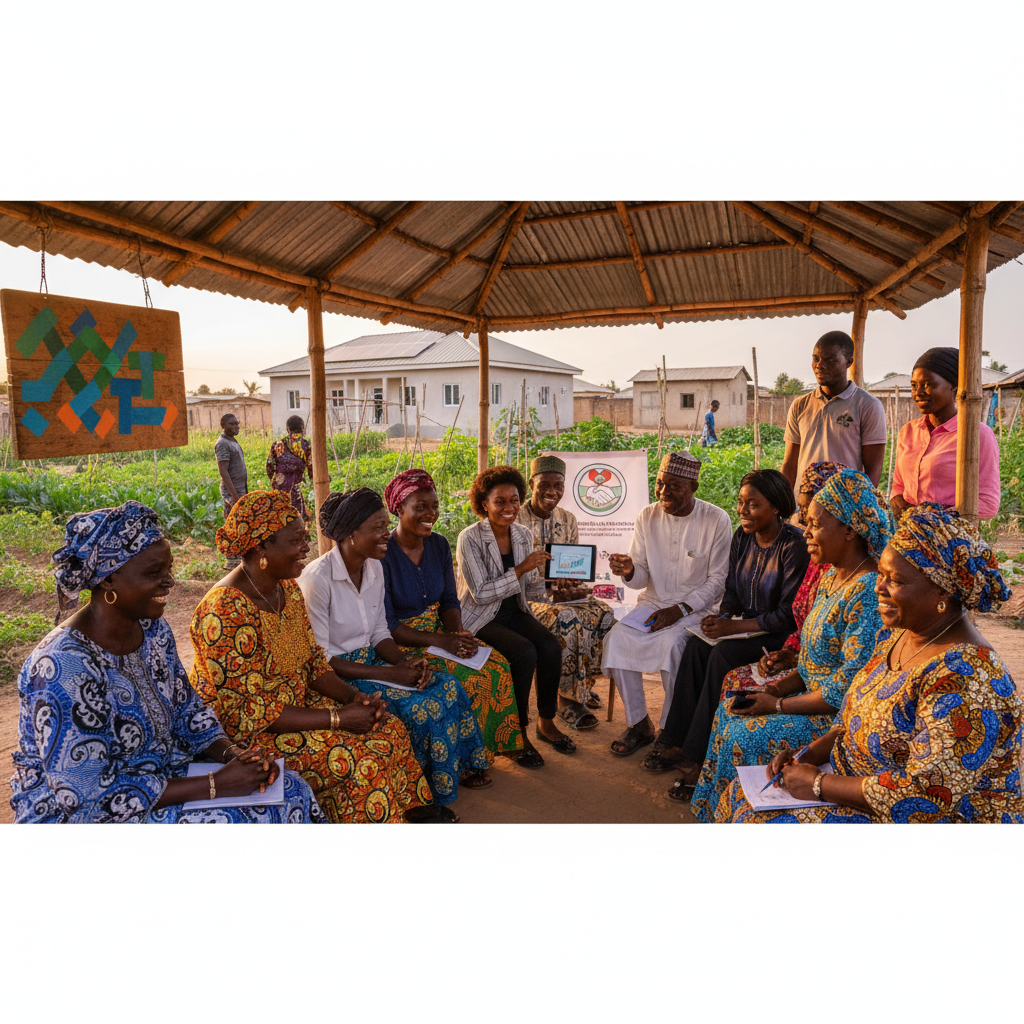
Traditional health insurance often feels out of reach for many hardworking Nigerian families due to high premiums and rigid policies. By leveraging the age-old strength of community cooperative societies, families can build a localized safety net that ensures quality medical care without the complexities of standard HMOs. This communal approach transforms healthcare from an individual burden into a shared community responsibility.
Rising medical costs in Nigeria have forced many households to pay out-of-pocket for essential services, often leading to financial distress. Standard Health Maintenance Organizations (HMOs) frequently overlook the informal sector and small-scale entrepreneurs who form the backbone of our economy. Community cooperatives bridge this gap by pooling resources to create a self-managed health fund tailored to local needs.
Historically, Nigerians have always relied on communal systems like Ajo and Esusu to solve financial challenges. Transitioning these models into the health sector allows families to benefit from collective bargaining and risk-sharing. By building wealth with Ajo and Esusu, communities already possess the foundational trust required for health-based financial cooperation.
Cooperative Health Funding Models
The most effective model for Nigerian families is the Community-Based Health Insurance (CBHI) scheme. In this setup, members contribute a fixed, affordable monthly amount into a central health purse. This fund is then used to cover medical bills for any member who falls ill during the contribution period.
Unlike commercial insurance, health cooperatives are non-profit and managed by the members themselves. This structure ensures that administrative costs remain low and every naira contributed goes directly toward medical services. Decisions regarding coverage limits and eligible treatments are made democratically during general meetings.
Smaller groups can start with a simple emergency revolving fund. This fund provides instant, interest-free loans to members facing urgent medical crises, such as surgeries or maternity complications. Such a system prevents families from falling into debt traps or selling assets to pay for hospital stays.
Benefits of Collective Medical Bargaining
When a cooperative represents fifty families, it wields significant influence over local private hospitals and pharmacies. Cooperatives can negotiate flat-rate annual fees for routine check-ups and common diagnostic tests. This volume-based approach significantly reduces the per-person cost of maintaining good health.
Many hospitals prefer the guaranteed patient flow and upfront payments that a well-organized cooperative provides. By signing a Memorandum of Understanding with a reputable clinic, the cooperative secures priority care for its members. This partnership ensures that families receive professional attention without the typical delays found in overcrowded public facilities.
Group purchasing power also extends to essential medications and medical supplies. Cooperatives can buy drugs in bulk directly from certified distributors, bypassing the retail markups of street-side pharmacies. This strategy is particularly effective when following safe medication guidelines for Nigerian families to ensure quality control.
- Negotiate group discounts with clinics.
- Bulk purchase chronic medications.
- Subsidize annual physical examinations.
- Establish priority emergency protocols.
Steps to Form Health Cooperatives
Starting a health cooperative begins with identifying a group of like-minded families within your neighborhood or workplace. These individuals must share a common vision for wellness and a commitment to financial transparency. Holding an initial town hall meeting helps define the scope of the health fund.
Once a core group is formed, it is essential to register the entity with the State Ministry of Cooperatives. Formal registration provides a legal framework and protects the assets of the members. It also opens doors for funding Nigerian businesses via microfinance and cooperatives if the group decides to expand.
A clear set of bylaws must be drafted to govern the contribution amounts and disbursement process. These rules should specify which hospitals are authorized and how claims are verified. Appointing a dedicated health committee ensures that medical cases are handled with empathy and professional discretion.
Ensuring Transparency and Accountability
Trust is the most valuable currency in any community-led financial system. To maintain this trust, the cooperative must utilize modern accounting tools or simple ledgers that are accessible to all members. Regular financial reports should be presented to the general assembly to account for every kobo spent.
Utilizing mobile banking apps for contributions reduces the risk of cash handling and provides an automated paper trail. Many Nigerian fintech platforms now offer sub-account features that are perfect for managing community savings. Digital transparency prevents the mismanagement that often plagues unmonitored group funds.
Independent audits should be conducted annually by a third party or an internal audit committee. This practice ensures that the fund remains solvent and capable of meeting future medical emergencies. High levels of accountability encourage more families to join, further strengthening the communal safety net.
Integrating Preventive Health Measures
Cooperatives should not only focus on treating illness but also on preventing it. By allocating a small portion of the fund to wellness education, the group can reduce the overall frequency of medical claims. Preventive care is always more cost-effective than managing chronic conditions or emergency complications.
Organizing community health days allows members to receive screenings for high blood pressure and diabetes. Early detection through these events can lead to lifestyle changes that save lives and preserve the cooperative's funds. Members can share tips on affordable home preventive health for Nigerian families during these gatherings.
Featured Products
Chukwu Abiama Tee
Bold black-and-gold Igbo-pride T-shirt featuring 'Chukwu Abiama' in premium streetwear typography.
₦15,000
Buy NowReverse Type 2 Diabetes & other associated Metabolic Issues using Dr. Jason Fung's Evidence-Based Approach— FMD program for Type 2 Diabetes
A practical fasting and fasting-mimicking programme built on Dr Jason Fung's insulin-resistance principles and ow-glycemic recipes.
₦19,950
Join NowỤmụ Igbo Tee
Classic black T-shirt with bold white 'Ụmụ Igbo' typography — a proud statement of Igbo heritage.
₦15,000
Buy NowNwanne Tee
Washed khaki vintage tee with a faded rust-orange 'Nwanne' stamp badge and palm leaf motif — a nod to kinship and heritage.
₦18,000
Buy NowObodo Tee
Faded denim-blue washed tee with a cream 'Obodo' stamp badge and sun motif, celebrating community roots.
₦18,000
Buy NowEkwe Heritage Tee
Deep indigo tee featuring a fine line-art illustration of a traditional Igbo ekwe drum, inspired by Igbo-Ukwu bronze artistry.
₦18,000
Buy NowIkenga Figure Tee
Forest green tee with a fine line-art illustration of a stylized Ikenga figure.
₦18,000
Buy NowCollaborating with nutritionists to provide workshops on local diets can further enhance community wellbeing. When members understand how to use local ingredients for better health, the entire group becomes more resilient. Healthy members contribute more consistently and require fewer withdrawals from the collective purse.
- Host monthly wellness seminars.
- Conduct quarterly blood pressure checks.
- Distribute insecticide-treated bed nets.
- Facilitate group exercise sessions.
Navigating Legal and Regulatory Frameworks
It is vital to understand the difference between a cooperative and a regulated insurance company under the National Health Insurance Authority (NHIA). Cooperatives operate as mutual aid societies rather than commercial insurers. This distinction allows for more flexibility but requires strict adherence to cooperative laws.
Engaging with legal professionals can help the cooperative structure its agreements with healthcare providers. These contracts must clearly outline the services included and the dispute resolution process. Proper legal documentation prevents misunderstandings that could jeopardize the healthcare access of member families.
Maintaining a relationship with the Federal Ministry of Health can provide the cooperative with access to public health initiatives. Many government programs offer free vaccinations or maternal health kits that cooperatives can help distribute. This synergy between grassroots action and national policy maximizes the impact of the community fund.
Sustaining Long Term Financial Health
For a health cooperative to survive decades, it must invest its surplus funds wisely. Rather than letting the money sit idle, the cooperative can put it into low-risk ventures. This investment income can eventually subsidize member contributions or expand the list of covered medical services.
Diversifying the cooperative's portfolio ensures that the health fund grows faster than inflation. Members may choose to invest in agricultural projects or secure real estate assets. This strategy aligns with the goal of generational wealth through Nigerian community investment for all participating families.
As the fund grows, the cooperative might even consider building its own primary healthcare clinic. Owning the facility gives the community total control over the quality and cost of their care. This evolution represents the ultimate stage of health-based wealth creation and community autonomy.
Overcoming Common Operational Challenges
One major challenge is the risk of "adverse selection," where only people with existing illnesses join the group. To prevent this, cooperatives often implement a short waiting period before new members can claim high-value benefits. This policy ensures that everyone contributes fairly to the fund's sustainability.
Effective communication is another hurdle that requires constant attention. Using social media groups or messaging apps keeps members informed about health tips and meeting schedules. Clear communication prevents rumors and ensures that every family feels like an active participant in their own health journey.
According to the World Health Organization), community financing is a key pillar for achieving universal health coverage. Nigerian families are uniquely positioned to lead this movement through their existing social structures. By choosing cooperation over isolation, we can build a future where quality healthcare is a right, not a luxury.
Scaling the Cooperative Impact
Successful local cooperatives can eventually form unions or federations to share risks on a larger scale. A federation of ten cooperatives can negotiate even deeper discounts with major pharmaceutical manufacturers. This scaling process replicates the efficiency of a large HMO while retaining grassroots control.
Data collection plays a crucial role in the growth of these community networks. By tracking common health issues within the group, cooperatives can advocate for better public services in their specific region. This data-driven advocacy is a powerful tool for Nigeria Health Watch and other policy-shaping organizations.
Finally, the success of these models serves as an inspiration for the younger generation. Youth professionals and students can apply their digital skills to manage these cooperatives more efficiently. Empowering the youth to take leadership roles ensures the longevity of the community's health and prosperity.
- Use data for health advocacy.
- Form cooperative unions for scale.
- Train youth in cooperative management.
- Partner with international health NGOs.
Realizing the Vision of Prosperity
Integrating health management into community cooperatives is a practical step toward total prosperity. When families are no longer afraid of medical bills, they can focus on education and business growth. This mental freedom is the true essence of a healthy and wealthy community.
By following the principles of International Co-operative Alliance, Nigerian families can create a model that the rest of the world admires. The combination of traditional values and modern financial management is a potent force for progress. We have the tools and the cultural heritage to make affordable healthcare a reality today.
Every family deserves the security that comes from knowing their neighbors have their back. Community cooperatives offer more than just a payment plan; they offer a sense of belonging and mutual support. Let us take the first step toward building a more resilient and healthy Nigeria together.
Stay Informed
Get New Articles in Your Inbox
Subscribe to receive the latest community development, health, and wealth insights from Eziokwubundu.
Newsletter
Practical insights on health, wealth, and community — delivered weekly.
Community Discussion(0)
Leave a Comment
More to Read
You May Also Like

Affordable Home Preventive Health for Nigerian Families
The Hidden Cost of Reactive Healthcare in Nigeria In the heart of many Nigerian households, the approach to healthcare is often reactive. We wait for a fever to become debilitating or a cough to persist for weeks before seeking medical attention. This reactive cycle is not only dangerous for our phy...

Can Fasting Help Lower High Blood Pressure? What Experts Say
High blood pressure quietly affects millions of Nigerian adults, often with no obvious warning signs. Many families are now turning to fasting as a natural way to manage it. This article explores the question many are asking: Can Fasting Help Lower High Blood Pressure? What Experts Say reveals surpr...

Why Antibiotics Fail: Understanding Antimicrobial Resistance
Picture a child in Lagos battling pneumonia, given antibiotics that simply don't work anymore. This is no longer a distant fear—it's a documented reality shaping healthcare across Nigeria. Why Antibiotics May Stop Working: Understanding Antimicrobial Resistance is the question every Nigerian family,...

Strategic Wellness and Fiscal Growth for Nigerians
Achieving a state of total well-being requires more than just physical health or financial stability alone. For the modern Nigerian, success is a multi-dimensional pursuit that bridges the gap between traditional values and global opportunities. By integrating science-based natural health solutions ...